Mike's Point Dive Site
Raja Ampat, Indonesia · Near Kri Island
Overview
Mike's Point is the adrenaline hit on Kri Island's reef system. Named after Max Ammer's original dive guide Mike, this exposed point juts into the Dampier Strait and catches the full force of the tidal current. When the tide is running, the point becomes a magnet for pelagic species drawn by the concentrated nutrient flow, and the schooling fish activity reaches a level that makes even experienced divers stop and stare.
The site occupies the northeastern tip of Kri Island, where the reef slope drops from a shallow ridge at 5 metres to a steep wall and rubble slope reaching 35 metres. The point creates an underwater promontory that splits the current, producing eddies and upwellings that concentrate plankton and the food chain that follows it. It's the hydrodynamic equivalent of putting a rock in a stream: everything interesting happens at the edges.
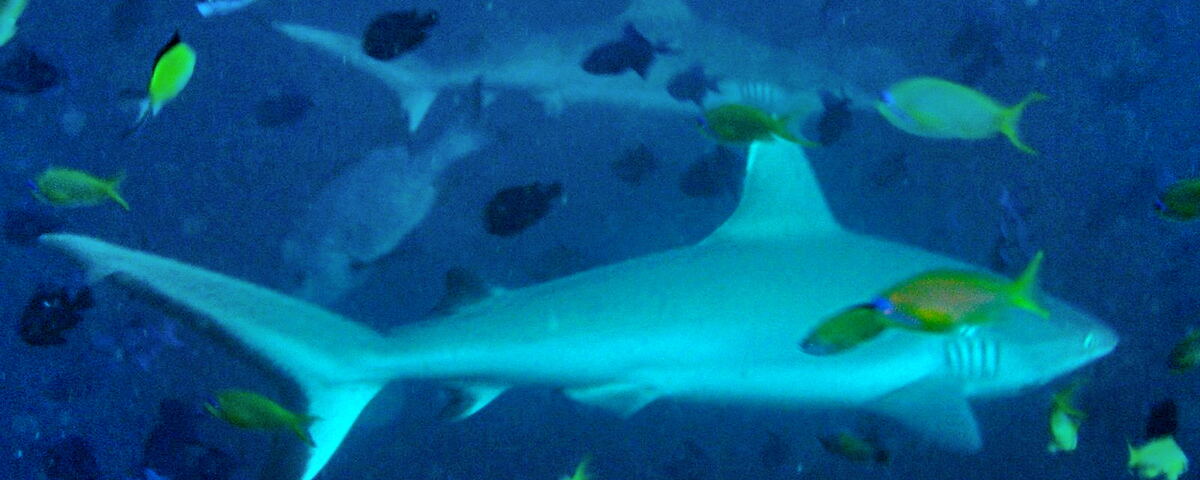
Mike's Point earned its reputation through consistent grey reef shark encounters. The sharks gather on the current-exposed side of the point, sometimes in groups of 10 or more, patrolling a beat that follows the reef edge between 15 and 25 metres. They are noticeably bolder here than at many other sites, approaching divers who hold still rather than fleeing from them. Whether this reflects habituation to divers or the distraction of prey animals in the current is debatable, but the result is some of the closest reef shark encounters in Raja Ampat.
The current is the variable that separates a good dive from an exceptional one. On slack water, Mike's Point is a pleasant reef dive with good coral and typical tropical fish. On a running tide, it transforms into a wall of movement: sharks, schools, hunters, and prey creating a food-chain theatre that ranks among the best current dives in Indonesia.
This is an advanced site that punishes poor planning and rewards patience. The current can intensify rapidly, the point is exposed to open water, and the depth drops quickly beyond the reef edge. But for divers with the skills to handle it, Mike's Point delivers encounters that justify Raja Ampat's reputation as the world's best diving.
The site's proximity to Sorido Wall (the two are on the same island, separated by a few hundred metres of reef) means divers can experience both extremes of the Dampier Strait diving spectrum in a single day: the gentle wall diving and macro richness of Sorido followed by the adrenaline-fuelled current diving and shark encounters at Mike's Point.
Marine Life at Mike's Point
Grey reef sharks are the headline act, reliably present in groups of 3 to 12 on the current-exposed side of the point. They patrol the reef edge at 15 to 25 metres, making sweeping passes that bring them within close range of positioned divers. During peak current, their hunting behaviour becomes more aggressive, with coordinated passes through the baitfish that concentrate at the point.
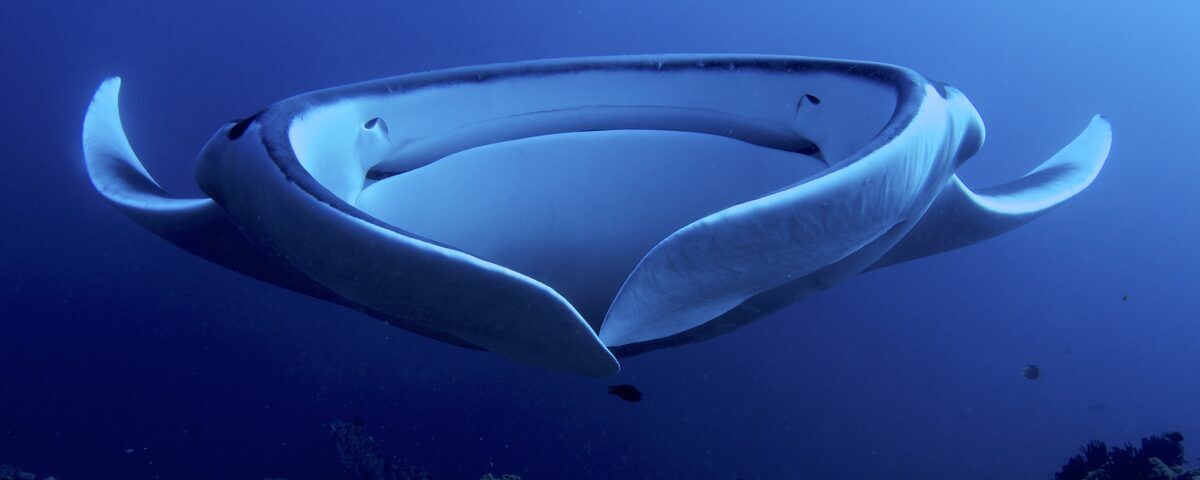
Black-tip reef sharks work the shallower sections, while white-tips rest in the deeper overhangs. Occasional larger visitors (silky sharks, hammerheads during season) pass through the deeper blue water beyond the point, though these sightings are unpredictable.
Schooling fish are dense and varied. Fusilier, surgeon, and snapper form the bulk of the mid-water biomass, with schools numbering in the thousands on strong current days. Giant trevally and bluefin trevally hunt the school edges with explosive attacks. Barracuda occasionally form cylindrical schools in the blue water off the point.
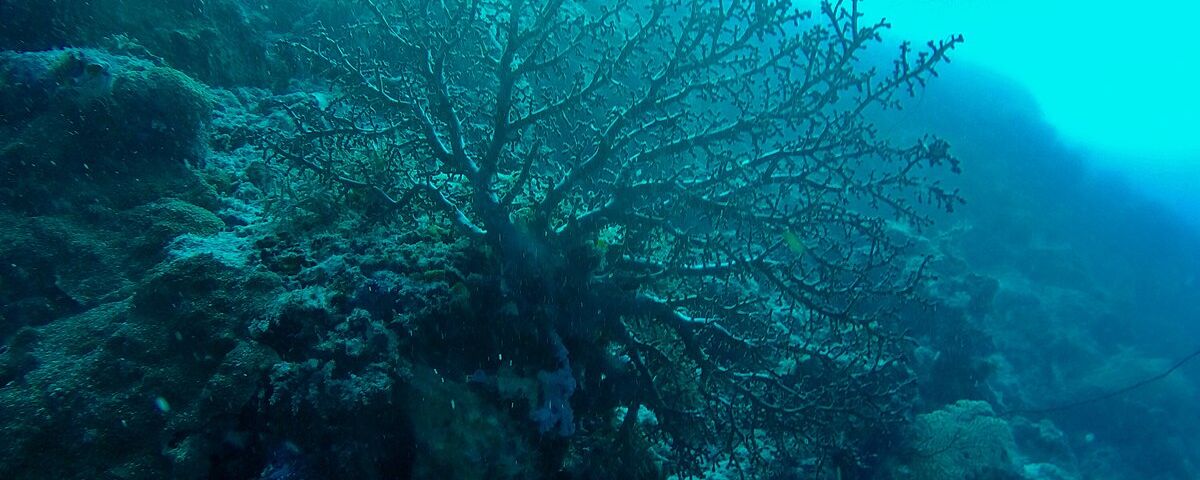
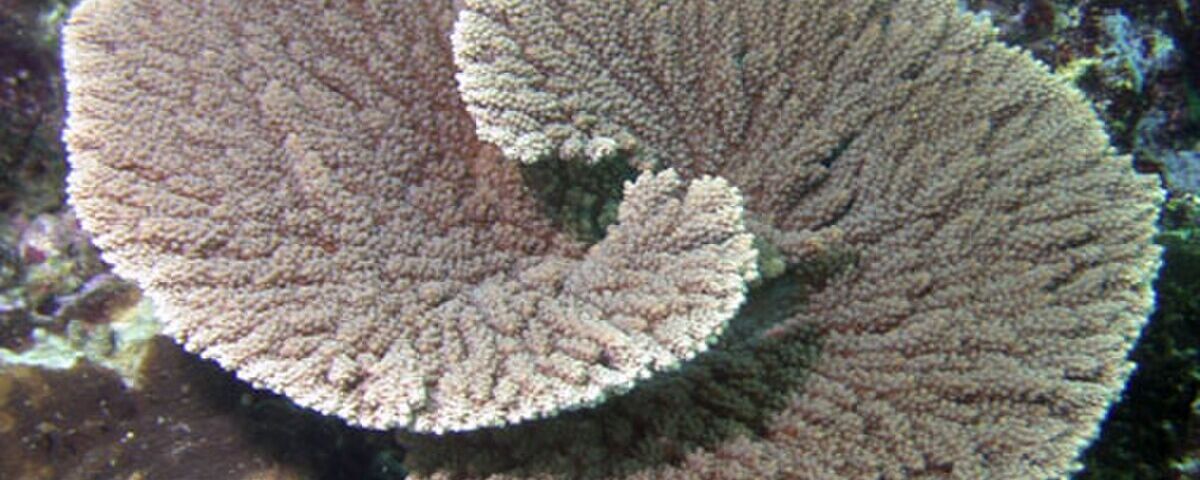
The reef structure supports a healthy community between the pelagic spectacles. Napoleon wrasse drift past with characteristic nonchalance. Green turtles rest on the reef slope. Anthias cloud the shallow coral heads. The hard coral coverage is healthy despite the current exposure, with robust plate and massive coral forms dominating the current-swept surfaces.
Wobbegong sharks hide under overhangs throughout the site, adding Raja Ampat's signature ambush predator to the species list. Mantis shrimp, nudibranchs, and various pipefish provide macro interest for divers willing to look small amid the big-animal action.
The reef structure between the shark zone and the shallow safety stop area hosts a surprisingly good macro community. Nudibranchs, pipefish, and various species of shrimp inhabit the coral surfaces, and the transition from big-animal excitement to close-focus observation during the ascent provides a satisfying contrast that gives the dive a natural narrative arc from adrenaline to calm.
Dive Conditions
Current at Mike's Point ranges from nothing to powerful, depending on the tidal state. The site is best dived on a running incoming tide, when the current pushes against the point and concentrates marine life. Slack water dives are pleasant but lack the pelagic spectacle.
The exposed position means current can shift direction and intensity without warning. Experienced guides read the water surface before committing to the dive and have contingency plans for current changes. A reef hook is useful for holding position on the point when current is running hard.
Visibility is typically excellent at 15 to 30 metres, though plankton blooms can reduce clarity. The clear water and strong current produce ideal conditions for wide-angle photography of the shark and schooling fish action.
Water temperature is consistently warm at 27 to 30 degrees. The depth profile drops quickly beyond the reef edge, so depth awareness is important. The most productive zone for marine life is 10 to 25 metres along the reef edge.
This is genuinely advanced diving. Strong current, exposed position, depth, and the presence of sharks in active hunting behaviour require experience, composure, and good buddy awareness. Operators should assess divers' capability before offering this site.
The tidal patterns at Mike's Point follow a semi-diurnal cycle, with two high and two low tides per day. The best shark activity coincides with the stronger of the two incoming tides, which varies across the lunar month. Experienced guides track these patterns and plan dive timing accordingly, sometimes delaying or advancing the scheduled dive to hit the optimal window.
⚓ Divemaster Notes
Mike's Point is where I take experienced divers who want the full Raja Ampat experience. It's not a gentle reef cruise. When the current is running, you need to be hooked in, streamlined, and focused. But the shark encounters here are worth every minute of effort.
Timing is everything. I check the tide tables the night before and plan the dive for peak incoming flow. Too early and the current hasn't built yet. Too late and it's ripping so hard that even experienced divers struggle to hold position. The sweet spot is about 90 minutes after the tide turns, when flow is strong enough to bring the sharks in close but manageable with a reef hook.
The grey reef sharks respond to diver behaviour. Groups that settle quietly on the reef edge and stay still see sharks approach within two metres. Groups that kick around, chase sharks, or make sudden movements see the sharks stay at distance. I brief this hard before every dive and I've occasionally pulled divers from the water when they couldn't follow the protocol.
For photographers, the shark passes are predictable enough to set up for. Position yourself on the point's edge at 15 to 18 metres, facing into the current, and the sharks will make repeated passes along the reef edge in front of you. Wide-angle with a dome port, natural light or balanced strobes, and patience.
The shallower sections of the reef (5 to 10 metres) are beautiful and often overlooked because everyone fixates on the shark zone deeper down. The coral up top is in excellent condition and the fish diversity rivals Sorido Wall. Spend your safety stop exploring rather than just hanging in the water.
One practical consideration: the boat positioning at Mike's Point requires a captain who understands the current. The tender needs to be downstream of the dive group, ready for pickup when divers surface. A poorly positioned boat means a long surface swim in current, which is tiring and potentially dangerous.
How to Get to Mike's Point
Mike's Point is on the northeast tip of Kri Island in the Dampier Strait, Raja Ampat. It's accessible by short boat ride from any of the Kri Island resorts (Papua Explorers, Kri Eco Resort) or by liveaboard.
Reaching Kri Island requires flying to Sorong in West Papua (domestic flights from Jakarta, Makassar, or Manado) and taking a 2 to 3 hour fast boat transfer. Resorts typically arrange transfers.
Raja Ampat marine park entry fee (IDR 1,000,000 for foreign visitors) is required and valid for one year.
Gear Recommendations
Reef hook essential for holding position in current. 3mm wetsuit adequate in the warm water. Wide-angle lens is the priority for shark and schooling fish photography. SMB mandatory for safety stops that may involve drifting off the point. Dive computer with audible depth alarms. Nitrox recommended for the deeper sections and extended dive times.
Recommended Dive Operators
Papua Explorers and Papua Diving on Kri Island offer regular access to Mike's Point with guides who know the current patterns intimately. The resident guides at these resorts have thousands of logged dives on this specific site, which translates to precise timing and optimal positioning. Liveaboard operators including the Damai and Dewi Nusantara include Mike's Point on Dampier Strait dive days.
Liveaboard Options
Mike's Point features on Raja Ampat liveaboard itineraries that include the Dampier Strait. The Damai, Dewi Nusantara, Grand Komodo, and Shakti all include it on their standard routes. Liveaboard diving allows multiple visits to the site across different tidal states, increasing the chance of hitting optimal current conditions for shark encounters.