Manta Sandy Dive Site
Raja Ampat, Indonesia · Near Waisai
Overview
Manta Sandy is a flat, sandy bay where reef manta rays come to be cleaned, and the dive couldn't be simpler. You descend to a sandy bottom at 15 to 18 metres, find a coral bommie near one of the known cleaning stations, and wait. If the mantas are in, they arrive on schedule, circling the cleaning station in stacked formation while cleaner wrasse do their work. If they're not in, you've just done a pleasant sandy reef dive with wobbegong sharks and excellent macro opportunities.
The site is located in the Arborek area of the Dampier Strait, a relatively sheltered bay with mild current that makes it accessible to intermediate divers. Unlike Blue Magic, where current adds an element of challenge, Manta Sandy is a calm, controlled experience. You're not fighting to maintain position. You're sitting on sand watching one of the ocean's most graceful animals go about its daily routine.
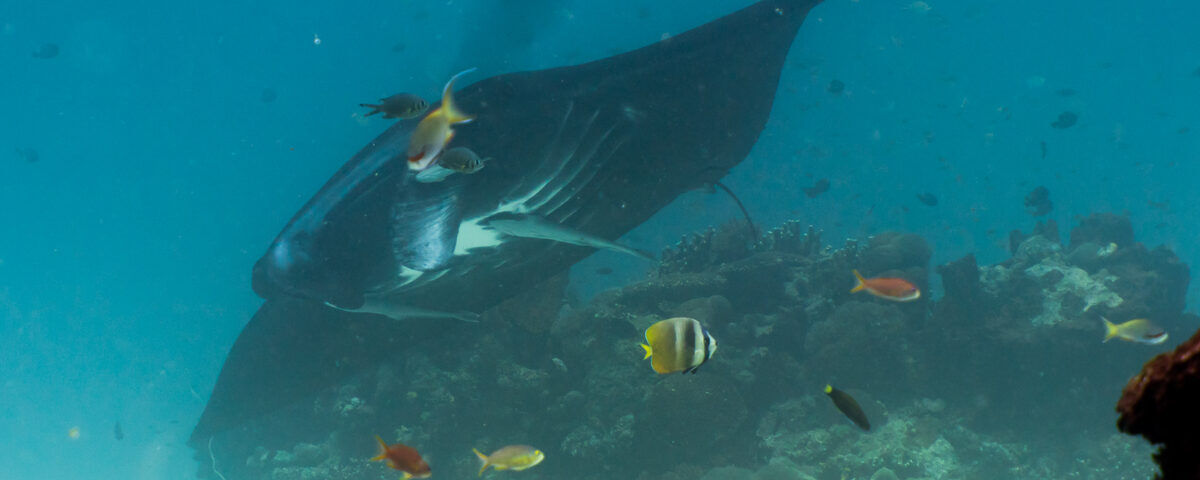
The cleaning station dynamic is what makes manta encounters here different from open-water sightings. At cleaning stations, mantas slow down, hover, and repeatedly circle the same patch of reef. They're not passing through; they're staying. This means extended observation time, often 20 to 30 minutes of continuous manta presence, which is very different from the brief flyby encounters that many divers experience at other sites.
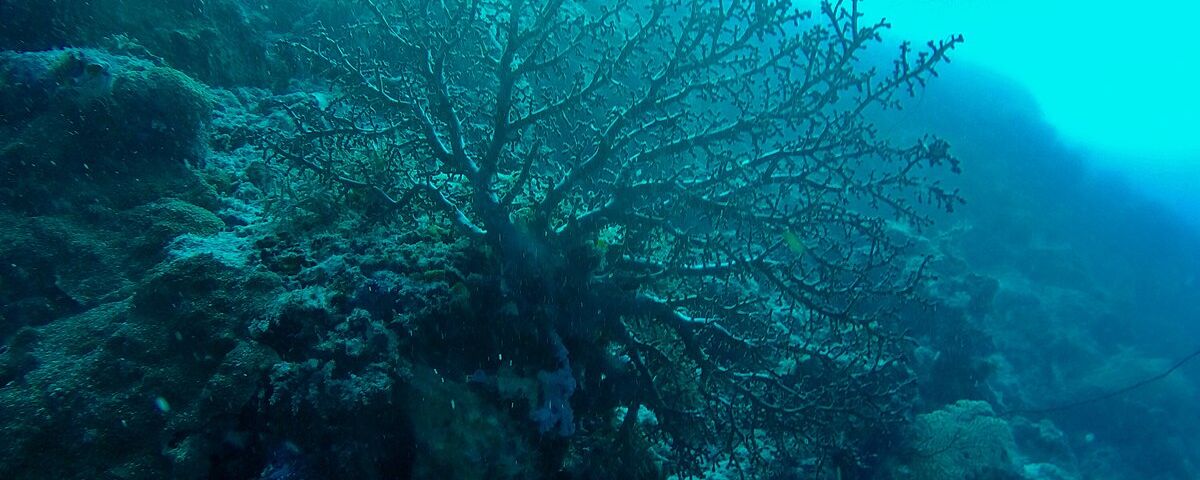
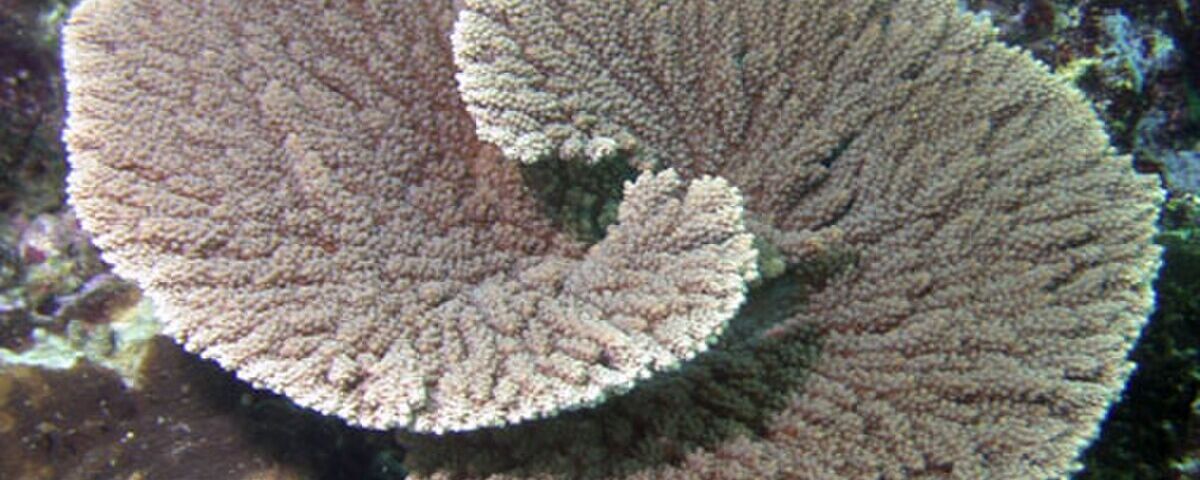
The sandy habitat surrounding the cleaning stations supports a different community of marine life from Raja Ampat's coral-dominated sites. Wobbegong sharks, blue-spotted stingrays, and garden eels are all present in good numbers. The bommies that host the cleaning stations are covered in coral and sponges that attract their own cast of reef fish and invertebrates.
The accessibility of Manta Sandy within the Dampier Strait makes it a practical option for multiple visits. Unlike liveaboard-only manta sites where you get one shot and move on, resort-based divers in the Dampier Strait can return to Manta Sandy on consecutive days, building familiarity with the cleaning station locations and the mantas' behaviour patterns. This repeated access increases the probability of an exceptional encounter significantly.
Marine Life at Manta Sandy
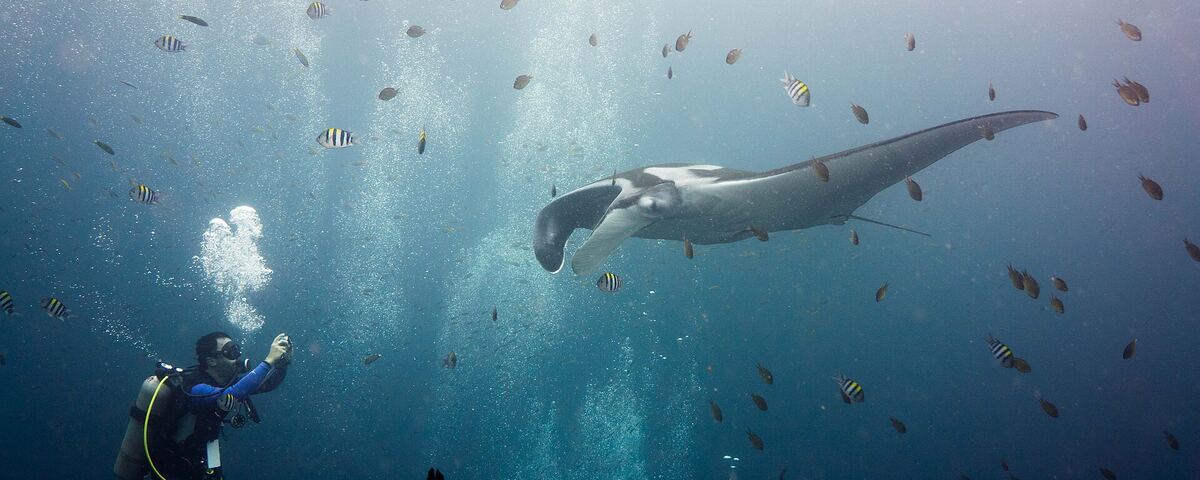
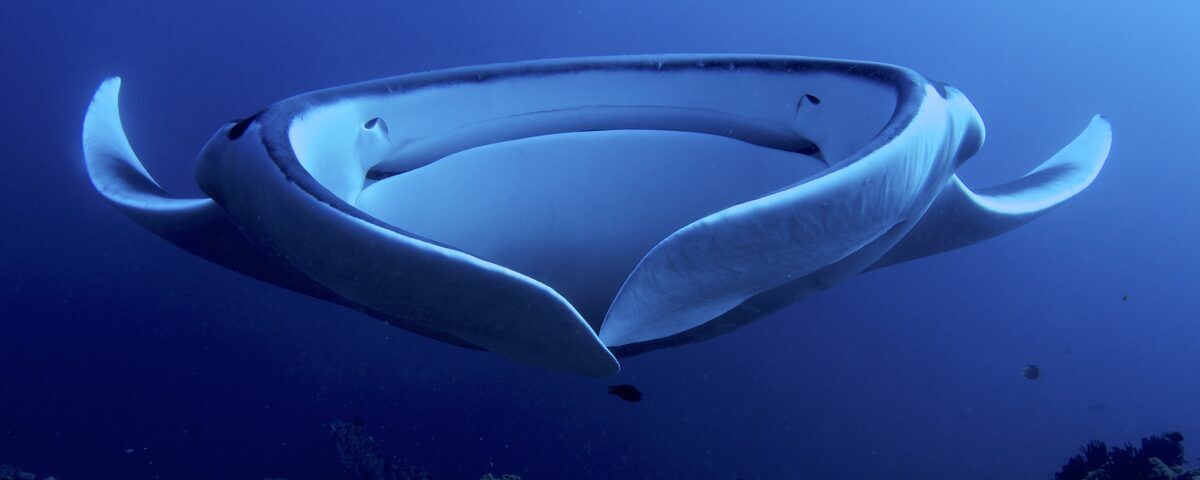
Reef manta rays (Mobula alfredi) are the target species, with individuals visiting the cleaning stations regularly throughout the diving season. Typical encounters involve two to four mantas circling simultaneously, though on exceptional days the number can reach double figures. The mantas here have wingspans of 2 to 4 metres and are individually identifiable by their belly spot patterns.
Wobbegong sharks are a reliable secondary attraction, resting on the sandy bottom and the reef surfaces of the bommies. These flat, heavily camouflaged sharks are harmless and photogenic, with their distinctive tasselled mouths making them popular portrait subjects. Occasionally, a wobbegong is spotted resting directly on the cleaning station bommie while a manta hovers overhead; it's one of Raja Ampat's most striking natural tableaux.
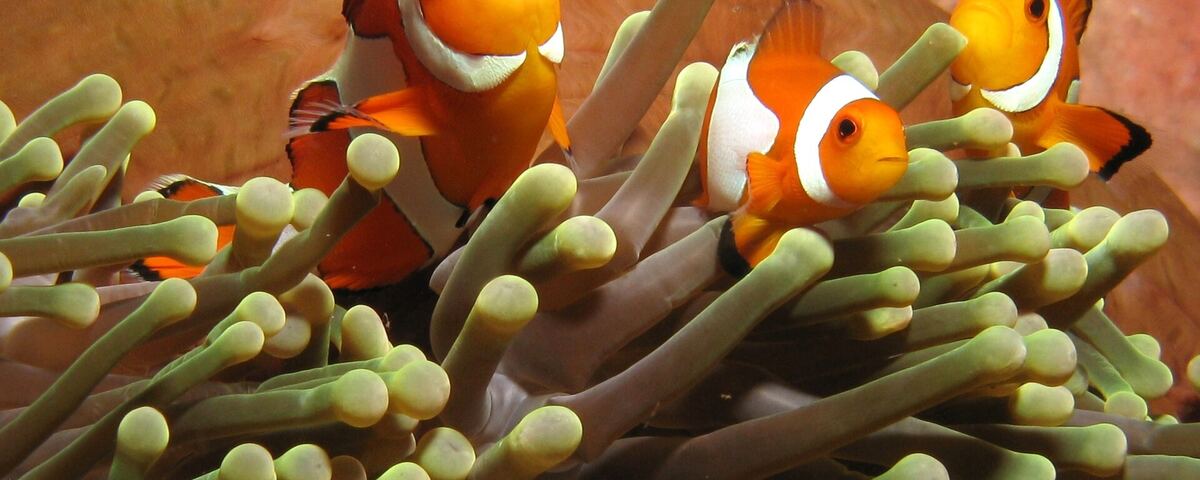
Blue-spotted stingrays rest on the sand between the bommies, and garden eels sway in the mild current on the sand flats away from the cleaning stations. The bommies themselves host schools of anthias, sweetlips, and butterflyfish. Clownfish colonies are established on several bommies. Nudibranchs and commensal shrimp are present for macro enthusiasts who need something to photograph between manta passes.
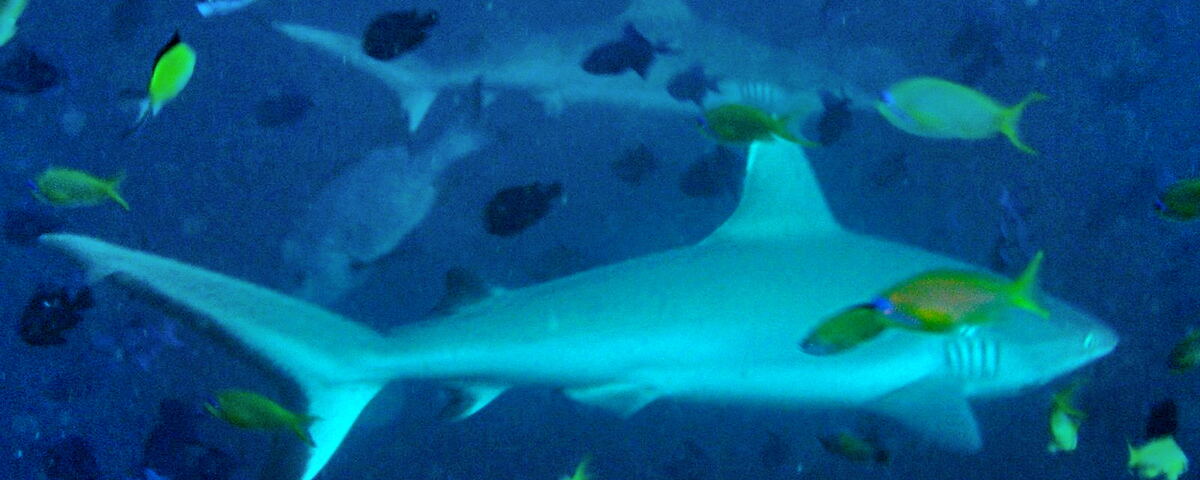
In the blue water above the sand, schools of fusilier and surgeon fish pass through, and the occasional black-tip reef shark cruises the perimeter. The combination of mantas, wobbegongs, and sandy reef habitat makes this a genuinely unique site that doesn't feel like a typical Raja Ampat dive.
The cleaning station visits follow a pattern that experienced guides can predict. The mantas typically approach from the south, circling the cleaning station bommie in a counter-clockwise direction before presenting their gill slits to the cleaner wrasse. Each visit to the station lasts 2 to 5 minutes before the manta moves off, circles the wider area, and returns for another pass. This circuit can repeat for 20 to 30 minutes, providing extended observation and photography opportunities.
Dive Conditions
Manta Sandy is one of the calmer dive sites in the Dampier Strait. Current is typically mild to moderate, rarely exceeding a gentle drift that adds atmosphere without creating difficulty. The sandy bottom provides good anchoring for divers settling in to watch the cleaning stations; kneel or rest on your knees on the sand (not on coral) and wait.
Visibility ranges from 10 to 25 metres, sometimes affected by particulate matter in the sheltered bay. When plankton is thick, visibility drops but manta activity often increases, following the same pattern seen at Komodo's Makassar Reef. Water temperature is a comfortable 27 to 30 degrees.
The cleaning station depth is typically 15 to 18 metres, with the sandy bottom at 18 to 22 metres. This is comfortably within recreational diving limits and allows extended bottom times. A typical manta encounter dive runs 60 to 70 minutes.
Entry is by boat from Dampier Strait resorts or liveaboards, with a short ride of 15 to 30 minutes depending on your base. The conditions here are suitable for any diver with Open Water Advanced certification and reasonable buoyancy skills.
The cleaning station visits are tide-dependent. Mantas tend to visit more frequently during incoming tides, when the current brings fresh plankton across the sandy bay. Outgoing tides produce fewer visits but can bring clearer water. Your guide will time the dive based on the day's tidal pattern, but understanding this relationship helps manage expectations for each dive.
The site works well for multiple visits across a multi-day stay. Morning and afternoon dives often produce different manta behaviour: morning visits tend to be cleaning-focused, while afternoon visits sometimes include feeding passes over the sandy areas.
⚓ Divemaster Notes
Manta Sandy is one of the most predictable manta sites I've dived, which is saying something because mantas are inherently unpredictable animals. The cleaning stations here have been active for years, and the mantas have established routines that experienced guides can anticipate.
The key to a good encounter is positioning. I place my group on the sand about 3 to 5 metres from the cleaning station bommie, low and flat against the bottom. The mantas approach from the blue, circle the station, and if the group is calm and still, they'll make repeated passes at distances that feel impossibly close. If someone stands up, swims towards a manta, or exhales a loud burst of bubbles, the animal adjusts its flight path and the encounter becomes more distant.
The wobbegongs are everywhere and worth spending time with between manta passes. They're remarkably well camouflaged and I've had divers literally hover above one without noticing it until I pointed directly at the shark's eye. Good critter-finding skills make the intervals between manta visits more interesting.
One practical note: the sandy bottom means every fin kick raises a cloud of silt. Hover or frog-kick rather than flutter-kicking, and keep your fins up away from the sand. A silted-out cleaning station is bad for everyone: bad for visibility, bad for photography, and the mantas seem to prefer clear water.
One of the less obvious skills for Manta Sandy is patience with the non-manta aspects of the dive. The wobbegongs, the blue-spotted rays, and the bommie-dwelling reef fish are genuinely interesting in their own right, and divers who appreciate these secondary features have a better overall experience than those who stare into the blue waiting for a manta that may take 15 minutes to arrive. I brief my groups to enjoy the wobbegongs first and treat the mantas as a bonus. This manages expectations and makes the eventual manta arrival feel like a reward rather than a delayed expectation.
How to Get to Manta Sandy
Manta Sandy is located in the Arborek area of the Dampier Strait, accessible from Kri Island, Mansuar Island, and other Dampier Strait resorts. Boat rides from nearby resorts take 15 to 30 minutes.
Raja Ampat is reached via Sorong, West Papua, with flights from Jakarta or Makassar. From Sorong, ferry service to Waisai takes 2 to 3 hours, or resorts arrange private transfers. The marine park permit (IDR 1,000,000 for foreign visitors) is required.
The site is diveable year-round but manta activity peaks during the primary diving season of October to April.
For divers visiting during the October to April peak season, Manta Sandy is typically scheduled in the first few days of a Dampier Strait itinerary. This early scheduling allows return visits later in the trip if conditions or manta activity were exceptional. The site is close enough to most Dampier Strait resorts that weather or sea conditions rarely prevent access.
Gear Recommendations
Wide-angle lens for manta portraits and cleaning station behaviour. The working distance is short enough that a fisheye or ultra-wide rectilinear lens produces the best results. Full 3mm wetsuit. No reef hook needed; you're on sand, not rock. Macro lens useful as a secondary setup for wobbegongs and nudibranchs. SMB for the ascent.
Recommended Dive Operators
Papua Diving on Kri Island offers frequent access to Manta Sandy with experienced guides who know the cleaning station locations and manta behaviour patterns. Raja Ampat Dive Resort provides reliable trips. Arborek Dive Shop, located on Arborek village island near the site, offers the shortest transfer times. Liveaboard operators including the Dewi Nusantara and Damai include Manta Sandy on their Dampier Strait itineraries.
Liveaboard Options
Manta Sandy is included on most Dampier Strait liveaboard itineraries. The Dewi Nusantara, Damai, Arenui, and Papua Explorer all feature it. Liveaboards can offer multiple visits if conditions and manta activity are good, which resort-based operations may not schedule as flexibly.