Melissa's Garden Dive Site
Raja Ampat, Indonesia · Near Waisai
Overview
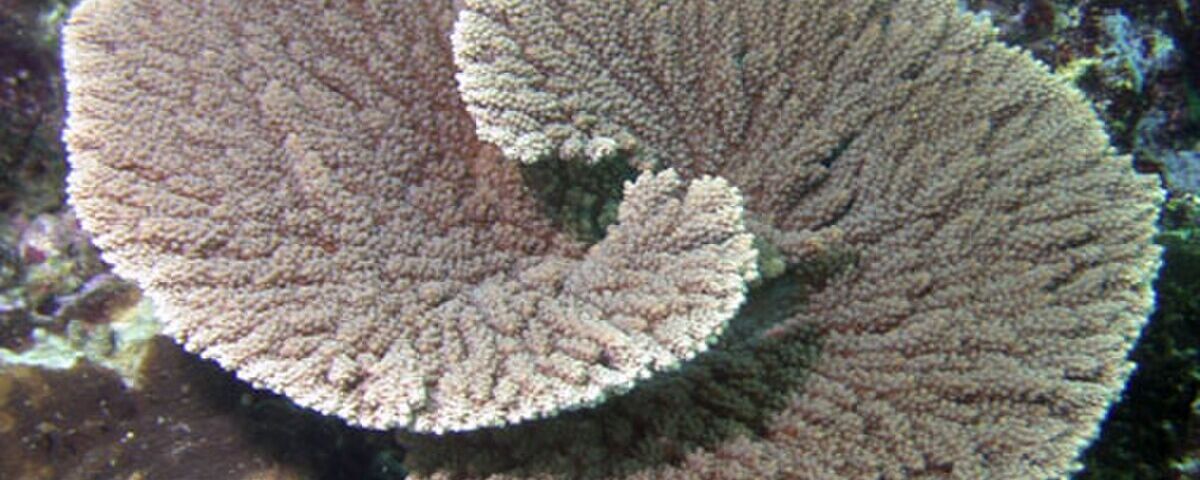
Melissa's Garden is what a coral reef is supposed to look like. Not damaged, not recovering, not 'for its condition.' Just pristine. The shallow reef here consists of enormous table corals, some spanning 3 to 5 metres across, stacked in layers that create a tiered landscape unlike anything most divers have seen. It's the site that recalibrates your understanding of what healthy coral actually means.
Located in the Fam Islands area of northern Raja Ampat, Melissa's Garden sits in sheltered waters with typically mild current and excellent visibility. The combination of calm conditions, shallow depth (most of the interesting coral is between 3 and 12 metres), and exceptional reef health makes this one of the most accessible premium dive sites in Raja Ampat. You don't need advanced certification, you don't need to fight current, and you don't need to go deep. You just need to float above the most beautiful coral garden on the planet and try to take it in.
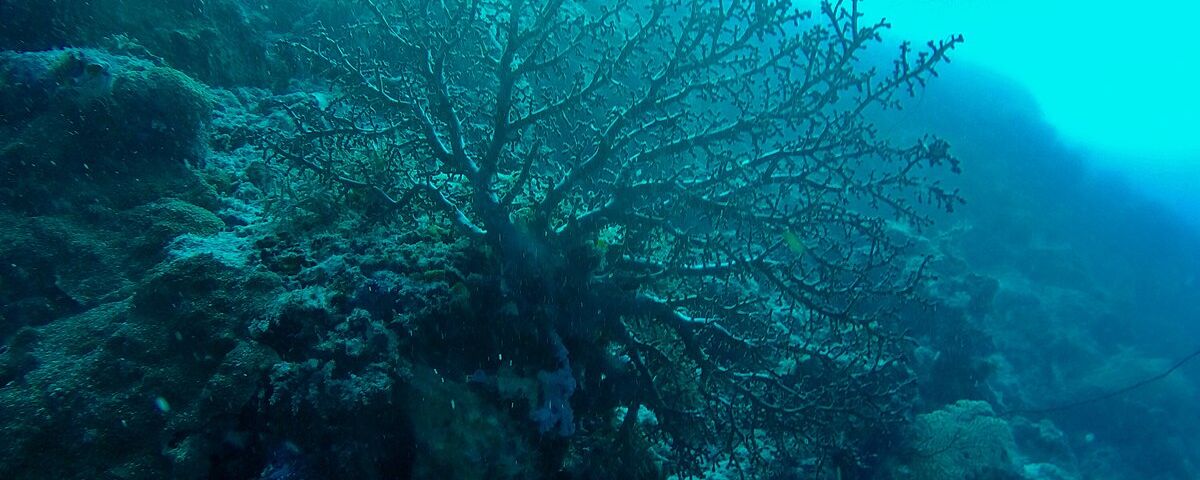
The table corals are the headline, but the reef's diversity extends far beyond a single species. Between the tables, branching corals, massive brain corals, and soft corals fill every available space. The gaps and overlaps between table coral layers create sheltered habitat for reef fish, invertebrates, and juvenile species that would be exposed on a less structurally complex reef.
What makes Melissa's Garden particularly valuable is that it demonstrates what reefs can be when they're properly protected. Raja Ampat's marine protected area status, combined with relatively low human population density and effective local conservation, has allowed this reef to reach a level of health that most marine ecosystems lost decades ago. It's a reminder of what the rest of the ocean could look like.
Marine Life at Melissa's Garden
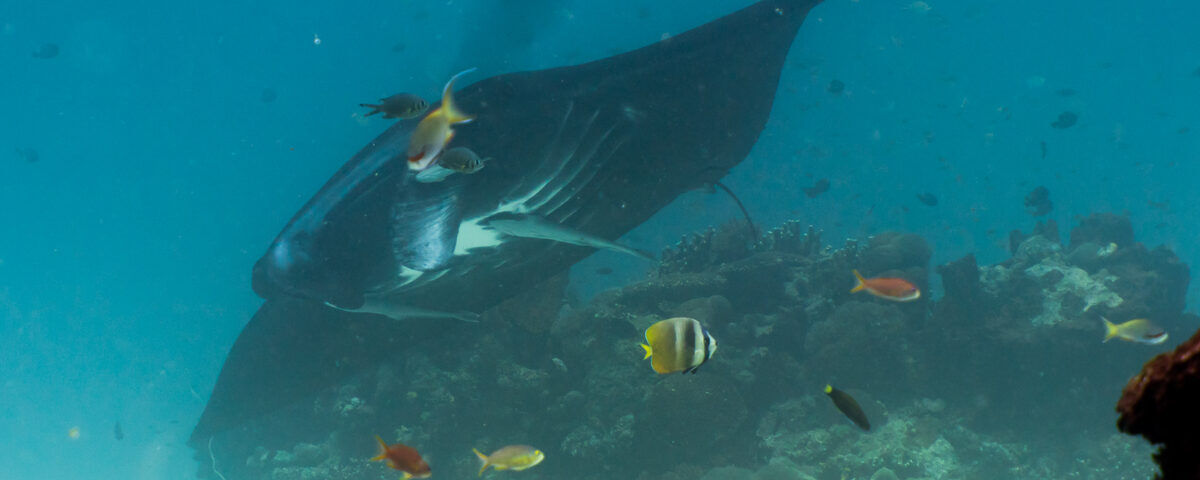
The table corals are the visual centrepiece, but the spaces between them are where the life concentrates. Schools of damselfish, chromis, and anthias swarm the coral edges, creating clouds of colour that move and shimmer with the light. Larger reef fish, including various species of grouper, sweetlips, and butterflyfish, patrol the reef structure. Schools of fusilier stream past in loose formations above the coral canopy.
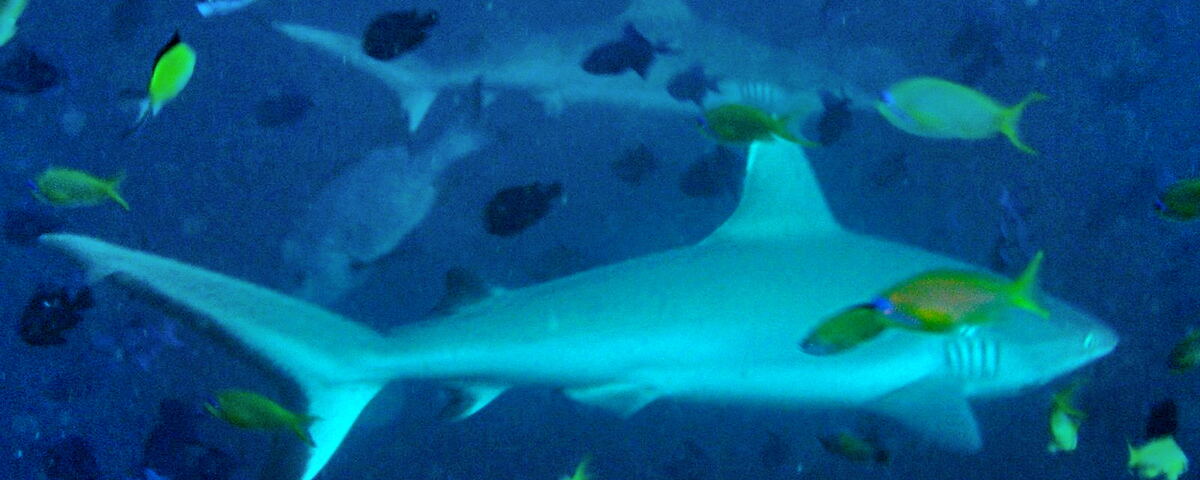
Turtles are regular visitors, often resting on or between the table corals. Wobbegong sharks lie on the sandy patches between coral formations, perfectly camouflaged until you notice the distinctive tasselled mouth. Black-tip reef sharks cruise the reef edges, usually at a respectful distance.
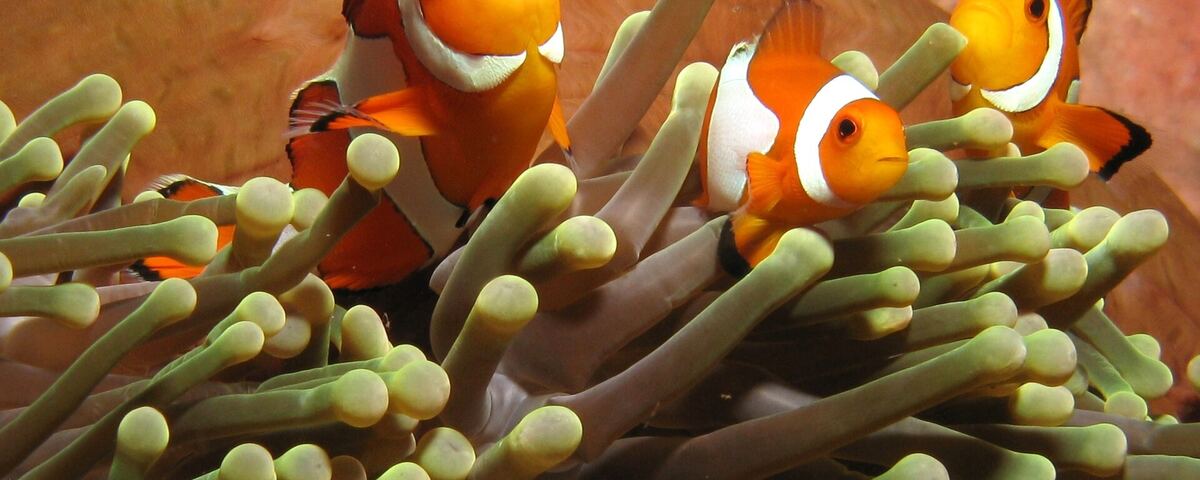
The structural complexity of the layered table corals creates habitat for a surprising range of macro subjects. Clown triggerfish and titan triggerfish are present. Anemonefish colonies are established across the reef. Nudibranchs and flatworms crawl on the coral surfaces. Mantis shrimp inhabit burrows in the sandy patches.
The shallow depth means the coral receives maximum sunlight, which explains the extraordinary growth and the vivid colours that look even better in person than in photographs. The greens, browns, and purples of the living coral, combined with the blues and yellows of the resident fish, create a palette that's almost unreasonably beautiful.
Cleanerfish stations are scattered across the reef, where groupers and parrotfish queue up in an orderly fashion that makes the cleaning relationship visible and easy to observe.
The table corals at Melissa's Garden represent decades of uninterrupted growth. In the absence of blast fishing, coral mining, anchor damage, and the other insults that have degraded reefs across Southeast Asia, these corals have reached sizes that most marine biologists have only seen in historical photographs. Swimming above a 5-metre table coral is a reminder that large reef structures are possible when humans simply leave them alone.
Dive Conditions
Melissa's Garden sits in the sheltered waters of the Fam Islands, protected from heavy seas and strong currents by the surrounding islands. Current is typically mild, making this comfortable for divers of all levels. On rare occasions when tidal flow increases, the site can produce a gentle drift that actually adds to the experience.
Visibility is excellent, typically 15 to 30 metres, benefiting from the offshore position and clean oceanic water. Water temperature is a warm 28 to 30 degrees year-round. The shallow maximum depth (most of the reef is above 12 metres) means extended dive times are standard; 70-minute dives are common for divers with good air consumption.
Entry is by boat from Fam Islands area resorts or liveaboards. The shallow profile and calm conditions make this suitable for snorkelling as well as diving; in fact, some of the best table coral formations are visible from the surface.
The peak diving season is October to April, when seas are calmest and visibility is best. The site is diveable year-round but access may be limited during the monsoon season (June to September) when seas in the Fam Islands area can be rough.
Snorkelling at Melissa's Garden is as rewarding as the diving. The shallowest table corals are within 2 metres of the surface, and the water clarity allows full appreciation of the reef structure from above. Some liveaboards offer snorkelling stops at the site specifically for non-diving guests, and the experience is universally described as exceptional.
The table corals at Melissa's Garden are fragile despite their size. A single careless fin kick can break a structure that took 30 to 50 years to grow. Maintain a minimum clearance of 1 metre above the coral at all times. If you're not confident in your buoyancy, stay at 5 metres or above where there's plenty of clearance between you and the coral canopy.
⚓ Divemaster Notes
Melissa's Garden is the site I use to show people what a healthy reef looks like. After a career of diving damaged and recovering reefs around the world, floating over these table corals is a genuine emotional experience. I've seen experienced divers, people with thousands of logged dives, surface from here with tears in their eyes. It's that good.
The temptation is to rush across the reef trying to see everything. Resist it. Pick a section of table coral, settle at 5 or 6 metres, and just watch. The longer you stay still, the more the reef reveals. Fish that scattered when you arrived return to their stations. Cleaning interactions resume. The reef goes back to normal, and you get to observe it functioning as it's supposed to.
Photography here is deceptively difficult. The sheer density and beauty of the coral means your wide-angle frame is always busy, and achieving a clean composition takes patience. The best images I've seen from Melissa's Garden use the layered table corals as foreground with blue water and sun rays behind, shot from low angle looking upward.
Please, please, please watch your buoyancy over the table corals. These formations are decades old and a single careless fin kick can shatter a structure that took 50 years to grow. Stay at least a metre above the coral at all times. If your buoyancy isn't good enough to maintain that clearance, this is not the site for you yet.
The snorkelling here is actually as good as the diving, which is unusual. If you have non-diving companions on a liveaboard trip, Melissa's Garden is the site to bring them to.
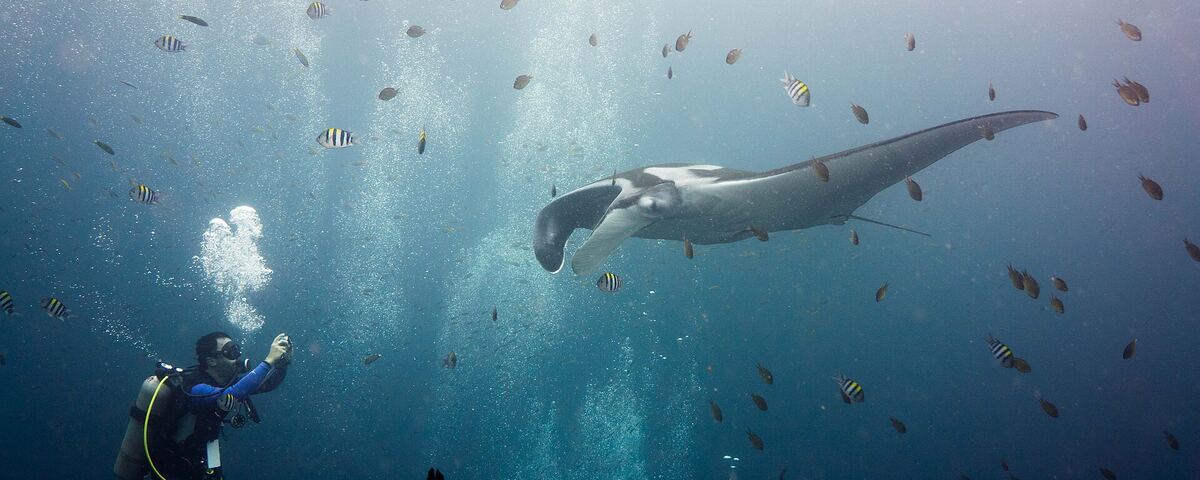
The photographic challenge at Melissa's Garden is composition rather than exposure. The reef is so densely beautiful that frames become cluttered. The best images I've seen use minimalist compositions: a single table coral against blue water, a fish silhouetted above the coral canopy, or a diver hovering above a single massive formation. Simplicity works better than trying to capture everything.
How to Get to Melissa's Garden
Melissa's Garden is located in the Fam Islands, in the northern section of Raja Ampat. It's primarily accessed by liveaboard or from the handful of resorts in the Fam Islands area. From Dampier Strait resorts (on Kri or Mansuar islands), the Fam Islands are a 3 to 4 hour boat ride, making day-trip access impractical.
Raja Ampat is reached via Sorong, with flights from Jakarta (approximately 5 hours) or Makassar (approximately 3 hours). From Sorong, transport to the Fam Islands area typically involves the ferry to Waisai followed by a resort transfer, or a liveaboard departure directly from Sorong.
The marine park permit (IDR 1,000,000 for foreign visitors) is required for all diving in Raja Ampat.
Some resorts in the Wayag and Fam Islands area offer access to Melissa's Garden without the long journey from the Dampier Strait. These more remote resorts are closer to the site but are themselves difficult to reach, typically requiring a private speedboat transfer from Sorong that adds cost and logistical complexity. The trade-off is shorter dive site transfers once you're there.
Gear Recommendations
Wide-angle lens is essential. The table coral formations demand the widest possible field of view. Standard tropical gear: 3mm wetsuit or rash guard in warm conditions. No reef hook needed; the mild current doesn't warrant one. Torch useful for looking under the table coral layers where critters hide. Nitrox extends the already generous dive times further.
Recommended Dive Operators
Liveaboard operators offer the most practical access to Melissa's Garden. The Dewi Nusantara, Damai, Papua Explorer, and Arenui all include the Fam Islands on their Raja Ampat itineraries. For resort-based diving in the Fam Islands area, Papua Paradise Eco Resort offers access to this and nearby sites.
Liveaboard Options
Melissa's Garden is primarily a liveaboard site, situated in the Fam Islands area that most resort-based operations cannot easily reach. The Dewi Nusantara, Damai, Arenui, and Papua Explorer all include it on their northern Raja Ampat itineraries. Some liveaboards offer dedicated Fam Islands excursions that spend multiple days in the area. This is one of those sites that justifies the liveaboard investment on its own.