Sardines Reef Dive Site
Raja Ampat, Indonesia · Near Waisai
Overview
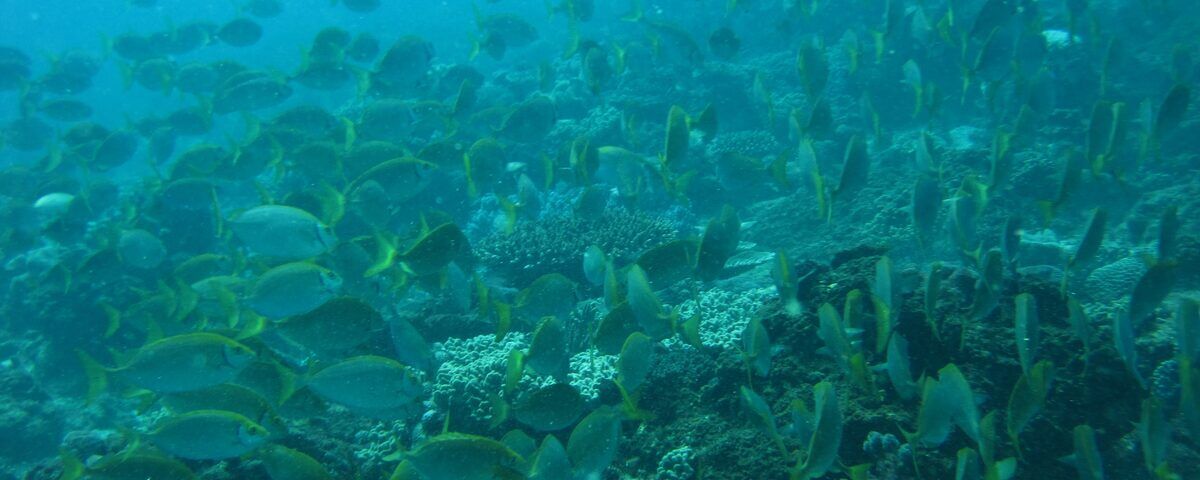
Sardines Reef earns its name within seconds of descending. A permanent baitball of silverside and sardines hangs above the reef, a shimmering, shifting mass of thousands of small fish that forms, breaks apart, and reforms in response to the predators that circle it continuously. It's a living demonstration of predator-prey dynamics that most divers have only ever seen in documentaries.
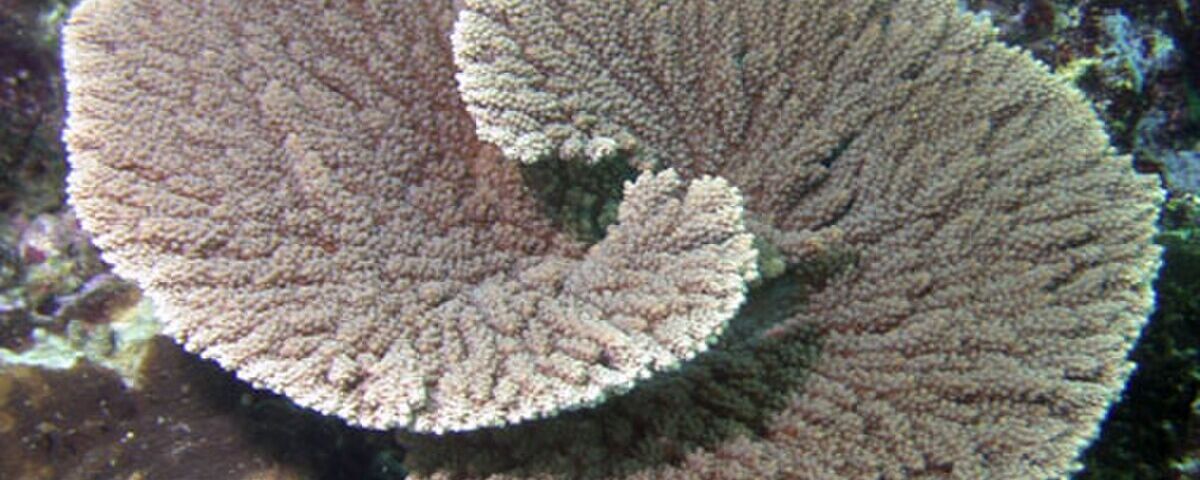
The reef itself is a sloping wall from about 3 metres to 25 metres, covered in healthy hard and soft coral typical of Raja Ampat's extraordinary reef systems. But the coral is the backdrop, not the main event. The baitball is the centrepiece, and the cast of predators that works it provides the action. Giant trevally, barracuda, snapper, and reef sharks all take turns hitting the school, sending shockwaves through the formation that you can feel in the water.
Sardines Reef sits in the Dampier Strait, close to Kri Island, and is easily accessed from the major dive resorts in the area. The moderate current that flows past the reef is what sustains the baitball, bringing the plankton that the small fish feed on and concentrating them above the reef where the structure provides some shelter from the open ocean.
The site works beautifully as a wide-angle dive. The baitball against the blue water, with predators slicing through it and the coral reef below, creates compositions that most underwater photographers spend careers trying to capture. But it's equally engaging without a camera. There's something primal about watching a hunting event unfold at this scale, this close, with the sound of trevally strikes echoing through the water.
The baitball at Sardines Reef is maintained by a combination of factors: the current delivers the plankton that the small fish feed on, the reef provides shelter from open-ocean predators, and the water depth is sufficient for the school to manoeuvre vertically when attacked. This combination of food, shelter, and depth keeps the school resident at the reef rather than migrating along the coast.
Marine Life at Sardines Reef
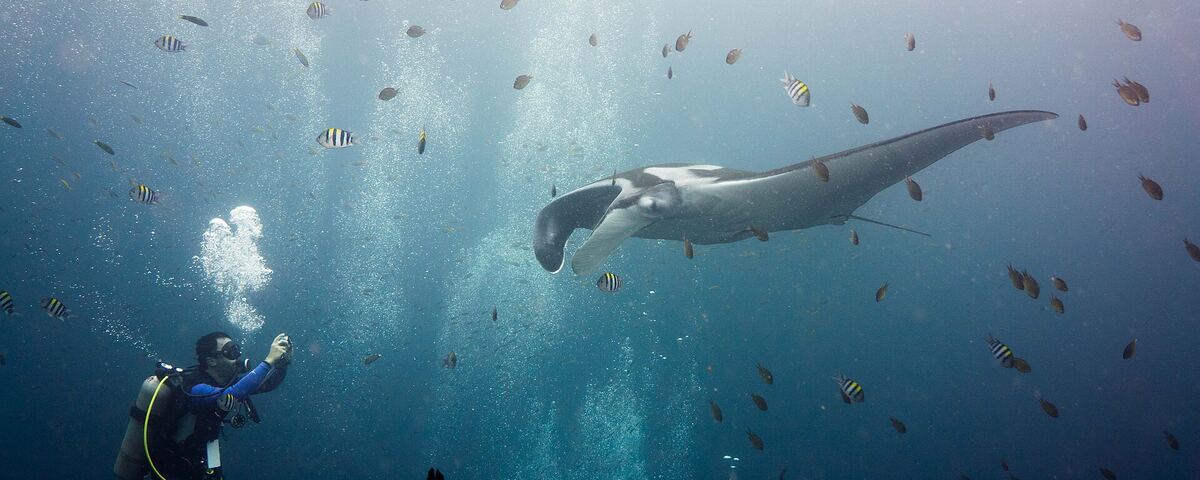
The sardine and silverside baitball is the defining feature, typically numbering in the thousands and hanging above the reef between 5 and 15 metres. The school moves as a single organism, contracting into a tight ball when predators approach and stretching into long ribbons when the pressure eases. The light catching the silver flanks of the fish creates a mesmerising visual effect that shifts with the angle of the sun.
Giant trevally are the most visible predators, making explosive hunting runs through the school that scatter fish in every direction. Schools of yellowtail barracuda circle the baitball in loose formations, picking off stragglers. Snapper and surgeonfish join the action from below, creating a multi-layered predation event. Black-tip reef sharks cruise the reef edge, occasionally making passes through the baitball that send the entire school into evasive manoeuvres.
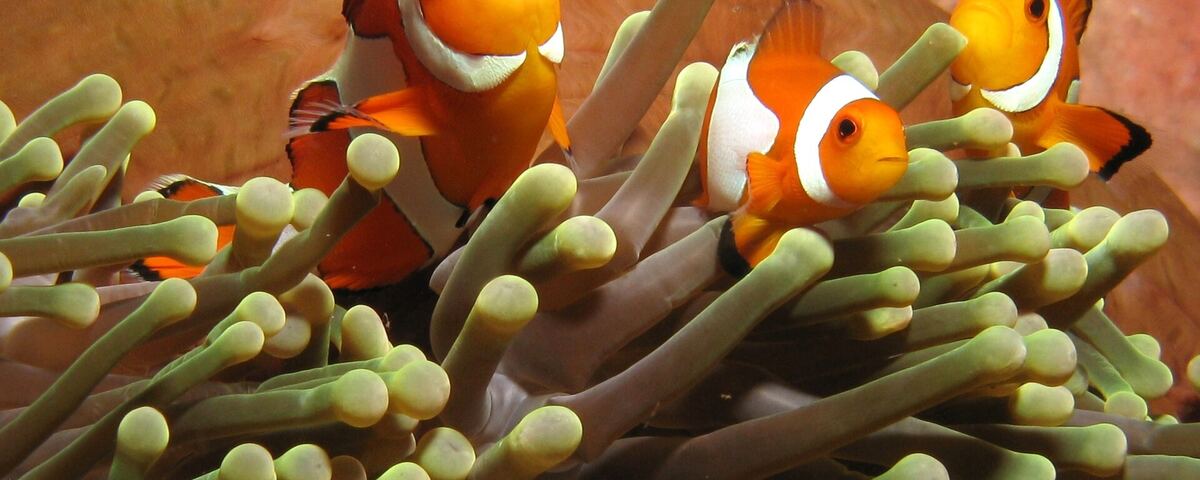
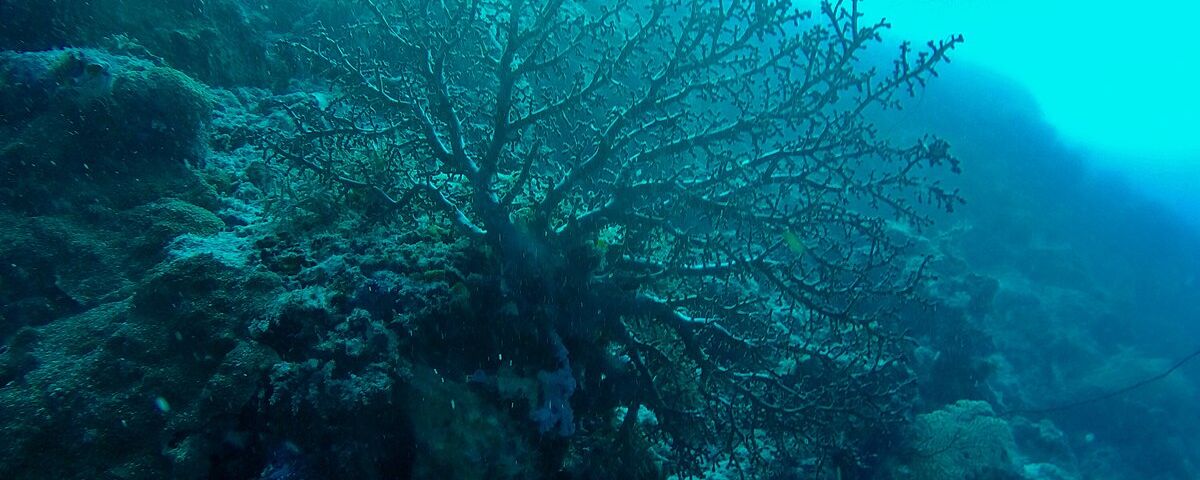
The reef beneath the baitball supports the typical Raja Ampat diversity: hard corals in excellent condition, soft corals and sea fans on the deeper sections, and a full complement of reef fish species. Wobbegong sharks rest on the reef surface. Anemonefish colonies are well established. Napoleon wrasse and bumphead parrotfish appear periodically.
The combination of baitball action above and reef diversity below means there's always something worth looking at regardless of which direction you face. Looking up gives you pelagics and predation. Looking down gives you reef ecology and macro. Looking into the blue gives you the occasional surprise visitor from the deep.
The interaction between the baitball and its predators follows daily rhythms. Early morning sees the most intense predation activity, with trevally making repeated runs through the school. By mid-morning, the predators have fed and the school relaxes into looser formations. Late afternoon brings a second wave of hunting activity as predators prepare for the night. Timing your dive to catch the active periods produces more dramatic encounters.
Dive Conditions
Current at Sardines Reef is typically moderate, running along the reef wall in the direction of the tidal flow. The current is what sustains the baitball, so slack water dives tend to be less spectacular (the school disperses when the current drops). Moderate current provides the best combination of baitball activity and comfortable diving.
Visibility is excellent, typically 15 to 30 metres, with the best clarity during the peak season of October to April. Water temperature is a comfortable 27 to 30 degrees. Entry is by boat from Dampier Strait resorts, with a ride of 10 to 20 minutes from most bases.
The site is suitable for intermediate divers comfortable with moderate current and drift diving. The baitball action is concentrated in the upper water column (5 to 15 metres), so you don't need to go deep to see the best of what the site offers. A typical dive starts at depth on the reef wall and finishes in the shallows with the baitball overhead.
The reef wall beneath the baitball extends to beyond 25 metres and supports healthy hard and soft coral coverage. For divers wanting variety, the wall offers a completely different diving experience from the baitball spectacle above. A dive that starts at the wall and finishes with the baitball provides the best of both worlds.
The current direction at Sardines Reef determines which side of the reef hosts the densest baitball activity. When current flows from east to west, the baitball concentrates on the western lee side. When the flow reverses, the school shifts accordingly. Your guide reads the current and positions the dive to put you in the baitball zone.
⚓ Divemaster Notes
Sardines Reef is the site I recommend to wide-angle photographers who want a guaranteed action shot. The baitball is present on virtually every dive, and the predator activity gives you dynamic subjects that most reef dives simply can't match.
The best strategy is to descend to around 15 metres on the reef wall, check the scene, and then slowly ascend into the baitball zone between 8 and 12 metres. Position yourself between the reef and the school, looking slightly upward so the baitball fills the frame with blue water behind it. When a trevally makes its run, the school splits and reforms in real time. If you're ready with your camera set, those split-second moments are the money shots.
Don't swim into the baitball. It's tempting, but the fish will part around you and the experience is actually less impressive from inside the school than from outside it. Stay on the periphery where you can see the whole formation and the predators working it.
The reef wall below the baitball is often overlooked by divers fixated on the action above. But the coral here is in excellent condition and hosts a different community of species from the open-water section. Dedicate at least part of your dive to the wall itself, particularly the overhangs where sweetlips and lionfish congregate.
One honest note: the baitball varies in size seasonally and daily. On some visits it's enormous and the predator action is continuous. On others it's smaller and the trevally are elsewhere. It's always present in some form, but the intensity fluctuates.
For video shooters, Sardines Reef is one of the best sites in Raja Ampat. The baitball's constant movement, the predator strikes, and the dynamic light conditions create footage that tells a story without any post-production narrative. Shoot wide, let the action happen in frame, and resist the urge to pan with every predator run. Steady footage of the baitball reforming after a strike is more compelling than shaky footage of you trying to follow a trevally.
The reef wall section is often overlooked by divers fixated on the baitball, but it hosts some excellent macro subjects. The sea fans at 18 to 22 metres are worth checking for pygmy seahorses, and the overhangs shelter sleeping nurse sharks during daylight hours.
How to Get to Sardines Reef
Sardines Reef is located in the Dampier Strait near Kri Island, one of Raja Ampat's most accessible dive areas. Boat rides from nearby resorts take 10 to 20 minutes. The site is included on most day-trip rotations from Dampier Strait dive operations.
Raja Ampat is reached via Sorong, West Papua, with flights from Jakarta or Makassar. From Sorong, ferry or private transfer to the resort area takes 2 to 4 hours. Marine park permit required (IDR 1,000,000 for foreign visitors).
Sardines Reef is close enough to the major Dampier Strait resorts that it can be combined with other nearby sites for a varied two or three-dive day. Common pairings include Cape Kri and Sardines Reef, or Blue Magic and Sardines Reef, giving divers different diving styles within a single day.
Gear Recommendations
Wide-angle lens is the priority. Fisheye or ultra-wide for the baitball shots. Full 3mm wetsuit. SMB for drift dive exits. No reef hook needed; this is a drift-and-watch site. Torch useful for the reef wall critters. Fast shutter speed settings on your camera to freeze the predator action.
Recommended Dive Operators
Papua Diving on Kri Island offers the closest access to Sardines Reef. Raja Ampat Dive Resort and Meridian Adventure Dive both run regular trips. Liveaboard operators including the Dewi Nusantara and Damai include the site on Dampier Strait itineraries.
Liveaboard Options
Sardines Reef appears on Dampier Strait liveaboard itineraries operated by the Dewi Nusantara, Damai, Arenui, and Papua Explorer. The site's proximity to other Dampier Strait highlights makes it an easy addition to any liveaboard schedule.