Cathedral Rock Dive Site
Anilao (Batangas), Philippines · Near Anilao
Overview
Cathedral Rock is a reef formation off the Anilao coast that combines the area's famous macro life with enough wide-angle interest to justify putting the diopter away for a dive. Named for the dramatic rock formations and swim-throughs in its deeper sections, the site offers a structural complexity that most Anilao sites lack.
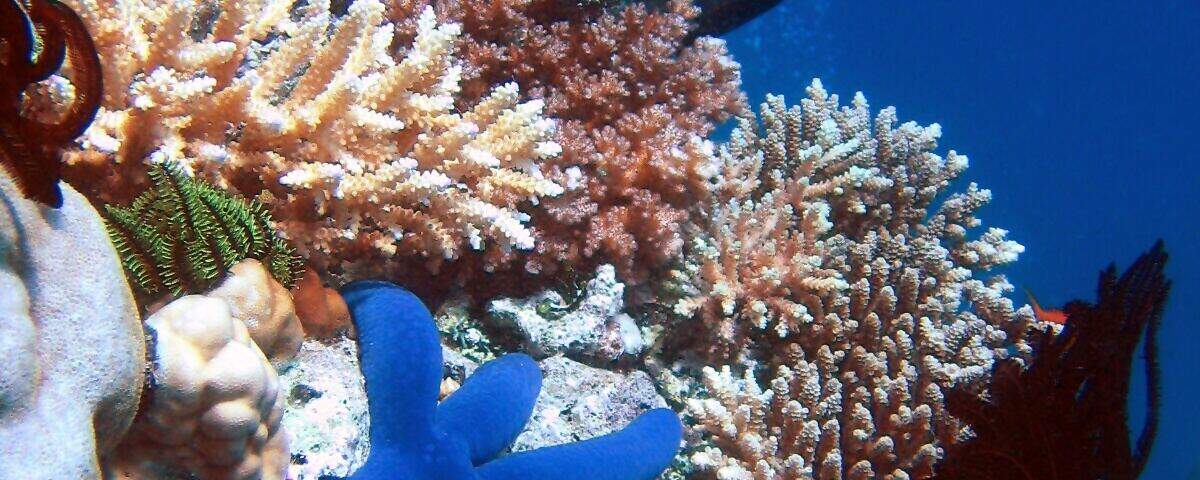
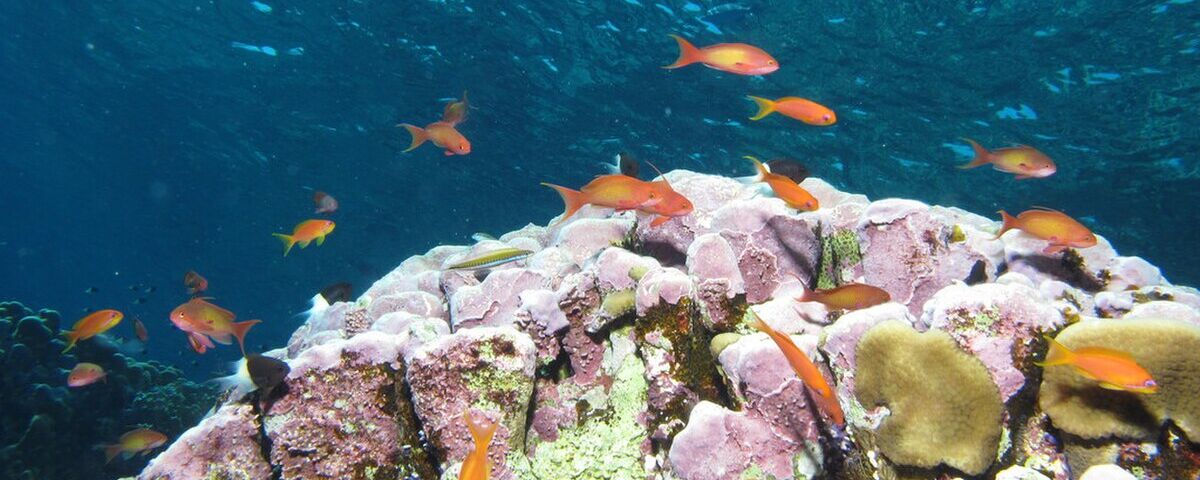
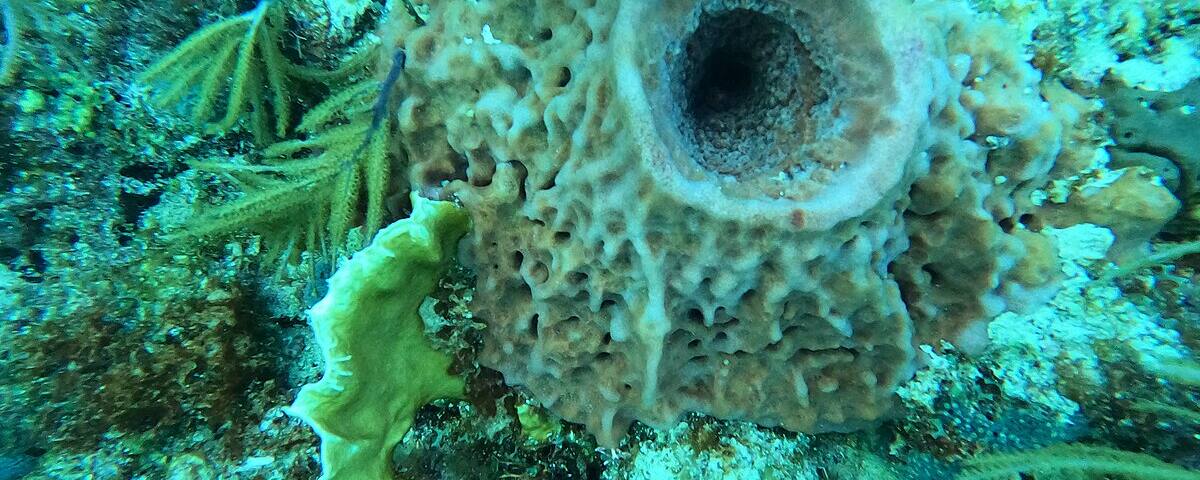
The reef slopes from about 8 metres to 30 metres, with the Cathedral features, a series of large boulders creating arches and swim-throughs, located between 15 and 22 metres. The rock formations are covered in sponges, soft corals, and hard coral growth, creating habitat niches at every depth. The structural variety means this site supports both the macro specialists who dominate Anilao diving and the wide-angle photographers who sometimes feel underserved in the area.
Cathedral Rock sits in the Verde Island Passage current, which means it receives nutrient flow from the strait and supports denser fish life than the sheltered bay sites. Schools of fusilier and snapper are common, and the rock formations create eddies that concentrate plankton and the animals that feed on it.
The site works well as a contrast to the muck diving that defines Anilao for most visitors. After days of staring at sand looking for camouflaged creatures, dropping onto a proper reef with swim-throughs, schooling fish, and colourful coral feels like a palette cleanser. Most dive packages include Cathedral Rock as a second or third dive of the day, paired with the muck sites that are Anilao's primary draw.
Cathedral Rock provides structural variety that most Anilao sites lack. The boulders and swim-throughs create habitat complexity that supports a wider range of species than the flat sand muck sites. Fish that need shelter, overhangs, and current breaks find it here, and the result is a more conventionally 'pretty' dive than the muck sites, with colourful reef fish, coral growth, and the dramatic rock formations that give the site its name.
The site's position in the Verde Island Passage means it receives current-borne nutrients that the sheltered bay sites miss. This nutrient input drives coral growth and supports the schooling fish that are largely absent from the muck diving sites. For divers who want a complete Anilao experience, Cathedral Rock rounds out the muck diving with a reef component that demonstrates the area's full biodiversity range.
Cathedral Rock is also one of the few Anilao sites that works well for snorkelling, with the shallower reef sections (5 to 8 metres) visible from the surface on clear days. Non-diving companions on an Anilao trip can enjoy the reef's colours and fish life while divers explore the deeper formations below.
Marine Life at Cathedral Rock
The swim-throughs and arches at 15 to 22 metres are the structural highlights, with sponge and soft coral growth on the rock surfaces creating colourful frames for wide-angle compositions. Batfish drift above the formations, and sweetlips cluster under the arches.
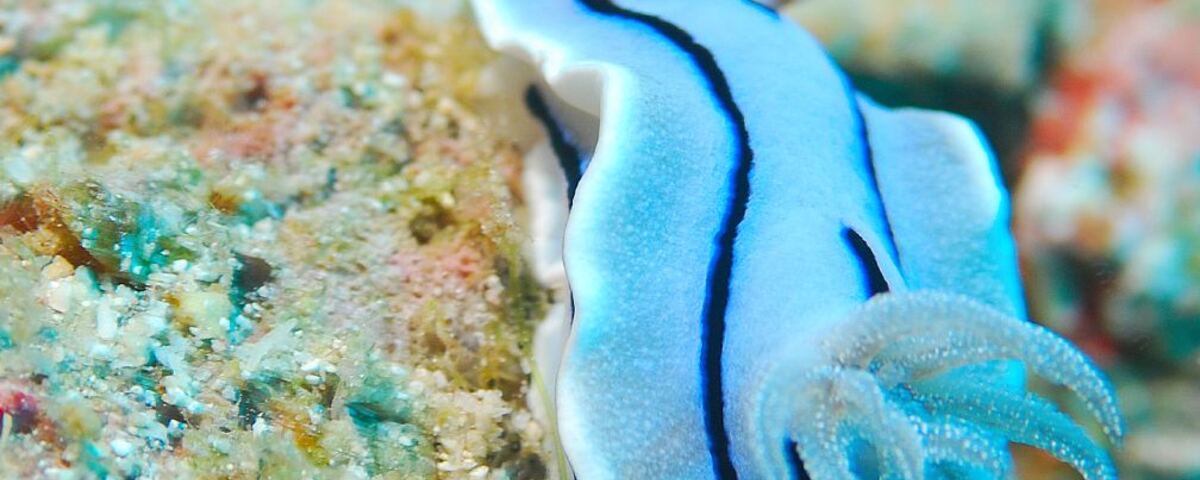
Nudibranchs remain excellent here, as everywhere in Anilao. The reef structure provides more diverse substrate than the sand sites, and species that prefer hard surfaces and coral growth are better represented at Cathedral Rock than at the muck sites. Chromodoris species are particularly well represented.
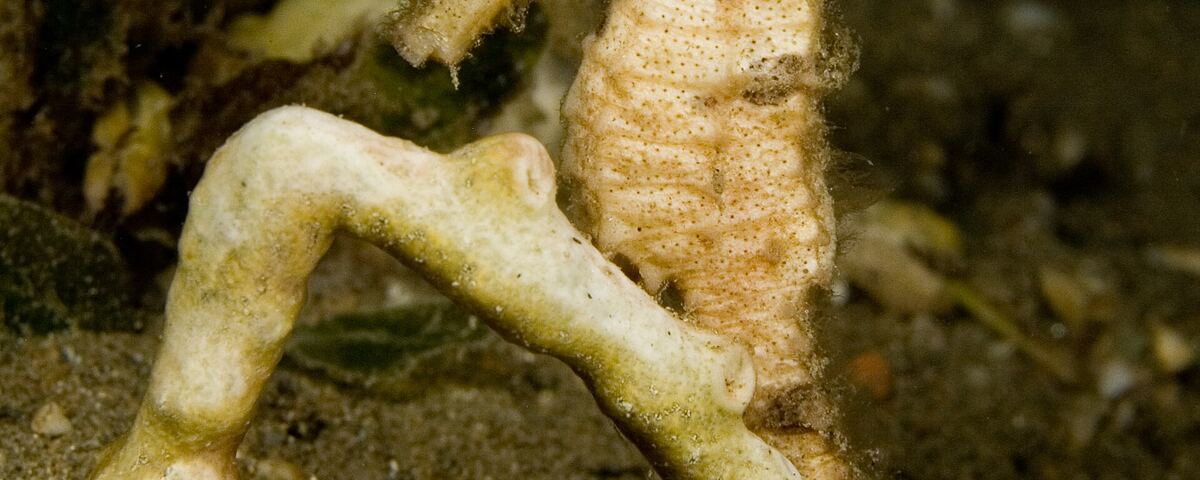
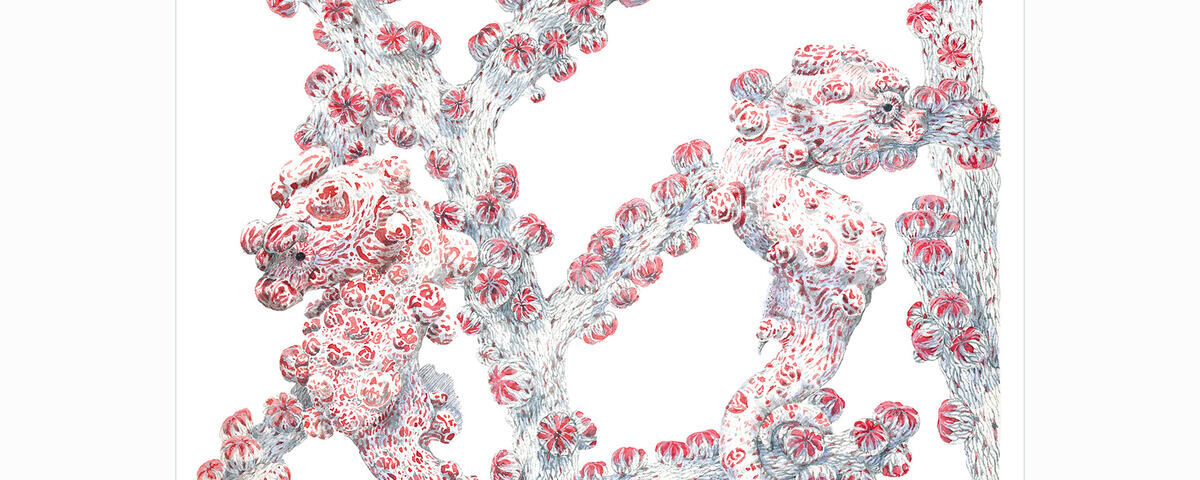
Frogfish are found on the reef, usually on sponge-covered surfaces where their camouflage is effective. Scorpionfish and lionfish are common. Sea fans on the deeper sections host pygmy seahorses. The usual Anilao macro cast is present, but the reef setting provides different backdrops for photography than the black sand muck sites.
Schooling fish are more visible here than at most Anilao sites. Fusilier, surgeonfish, and snapper use the rock formations for shelter, and the current that runs past the site brings the plankton that sustains them. Cuttlefish hunt among the coral. Octopus are present in the crevices.
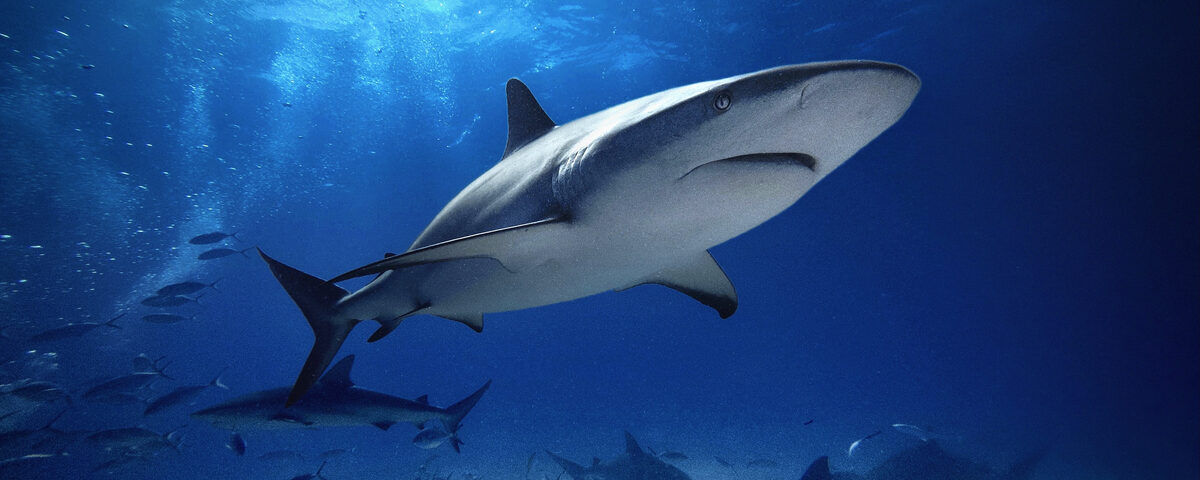
Green turtles are occasional visitors, and the rock formations provide the kind of resting spots that turtles prefer. Reef sharks are uncommon in the Anilao area but not unheard of at Cathedral Rock, which is more exposed to the strait than the sheltered bay sites.
The reef around Cathedral Rock transitions through several habitat types within a single dive. The rocky formations with swim-throughs give way to coral slopes, which transition to sandy areas at the base. Each habitat type supports different species, and the transitions between them are where the most interesting encounters occur. Frogfish, for example, are often found at the reef-sand boundary, where their ambush hunting strategy is most effective.
The hard coral coverage on the shallower reef sections (8 to 12 metres) is notably healthy, with branching Acropora, massive Porites, and encrusting corals providing habitat structure for juvenile fish. The nursery function of these corals is visible: tiny juvenile sweetlips, damselfish, and wrasse dart among the branches, using the coral as protection from predators. The presence of juveniles is an indicator of reef health and population sustainability.
Dive Conditions
Depth ranges from 8 to 30 metres, with the Cathedral formations at 15 to 22 metres. Intermediate divers can explore the formations comfortably. Current is mild to moderate, depending on the tidal cycle through the Verde Island Passage.
Visibility is typically 10 to 25 metres, generally clearer than the muck sites due to the offshore position and current flow. Water temperature ranges from 25 to 30 degrees, with cooler water during the amihan season.
Entry is by banca from Anilao resorts, approximately 15 to 25 minutes. The site is part of the standard Anilao dive site rotation.
The rock formations at Cathedral Rock extend from about 8 metres to 22 metres, with the most dramatic swim-throughs in the 15 to 18 metre range. Below the rocks, the reef slopes to 30 metres over sandy substrate. This depth range accommodates a full dive profile from deep to shallow, with the rock formations providing a compelling mid-dive feature between the deep reef exploration and the shallow safety stop.
Cathedral Rock's position makes it suitable as a first or second dive of a multi-dive day. The moderate depth allows comfortable bottom times that don't compromise the NDL for subsequent deeper dives, and the current is manageable enough that it doesn't fatigue divers before the day's other sites.
⚓ Divemaster Notes
Cathedral Rock is where I take divers who need a break from muck diving. After two or three dives staring at sand, the visual variety of a proper reef with swim-throughs and schooling fish is a welcome change.
The swim-throughs are wide enough for comfortable passage but worth checking with your torch before entering. The interiors are dark and can disorient divers who aren't paying attention to their depth and exit points. Stay mid-water, avoid touching the ceiling and walls (covered in delicate sponge growth), and follow your guide.
For photographers, Cathedral Rock works best with a wide-angle lens for the formations and swim-throughs, but a macro lens produces excellent results on the reef surfaces. If you have to choose one lens, go with the macro; this is still Anilao, and the nudibranchs here are worth the trip.
The deeper sections (below 22 metres) slope into sand with some debris that hosts the critters you'll recognise from the muck sites: frogfish, scorpionfish, and the occasional surprise. Don't ignore the deeper sand; transition zones between reef and sand are often the most productive for unusual sightings.
The amihan season (December to February) brings cooler water and can reduce visibility at surface level, but the cooler temperatures often coincide with increased critter activity and better nudibranch diversity. A 5mm suit makes the cool months comfortable.
Cathedral Rock is the site I recommend for divers who've done two or three days of muck diving in Anilao and want something different. The swim-throughs, the schooling fish, and the reef colours provide a visual contrast that makes the muck sites feel even more special by comparison. It's like a palate cleanser between courses of macro photography.
For night diving, Cathedral Rock offers a different experience from the muck sites. The reef structure creates sheltered spaces where nocturnal species concentrate, and the rock formations cast dramatic shadows in the torch beam. Octopus hunting on the reef surface, basket stars with their arms extended, and sleeping parrotfish in mucus cocoons are all reliably present after dark. The swim-throughs look completely different at night, with the darkness emphasising their tunnel-like character.
How to Get to Cathedral Rock
Cathedral Rock is offshore from the Anilao coast, accessed by banca from Anilao dive resorts (15 to 25 minutes). Anilao is approximately 2.5 to 3 hours by road from Manila.
Cathedral Rock is included on most standard Anilao dive packages and doesn't require special booking or additional fees beyond the normal dive costs. The site is within the standard operating range of all Anilao resorts and is diveable in most conditions.
Gear Recommendations
Macro lens is still the priority for Anilao. Wide-angle useful for the formations and swim-throughs. Torch for the swim-throughs and crevice exploration. 3mm to 5mm wetsuit depending on season. SMB for the ascent. Focus light for macro photography.
Recommended Dive Operators
Crystal Blue Resort, Aiyanar Beach and Dive Resort, and Planet Dive Anilao all include Cathedral Rock in their standard site rotations. The site is popular as a second or third dive when conditions at the outer sites are good.
Liveaboard Options
Anilao diving is shore-based. Cathedral Rock is accessed by banca from Anilao resorts as a day trip dive.