Beatrice Rock Dive Site
Anilao (Batangas), Philippines · Near Anilao
Overview
Beatrice Rock rises from the blue water off the Calumpan Peninsula, a submerged pinnacle that breaks Anilao's reputation as a macro-only destination. While the region's fame rests on nudibranch-covered muck sites and frogfish-studded house reefs, Beatrice Rock is where the big stuff shows up. The pinnacle catches the current flowing through the Verde Island Passage, the stretch of water between Luzon and Mindoro that marine scientists consider the centre of the centre of marine biodiversity.
The rock tops out at about 12 metres and drops to beyond 35 metres on all sides, with the steepest wall on the north face. Current sweeping past the pinnacle concentrates nutrients and, consequently, life. Schools of jacks, trevally, and barracuda orbit the rock when the flow is running, and the occasional pelagic visitor (thresher sharks have been reported, though rarely) passes through the deeper blue water beyond.
Beatrice Rock sits further offshore than most Anilao dive sites, requiring a 30 to 45 minute boat ride from the main resort area. The exposed position means conditions can be rougher than the sheltered bay sites, and the current can build to levels that test intermediate divers. This is an advanced site in a region where most diving is gentle and close to shore.
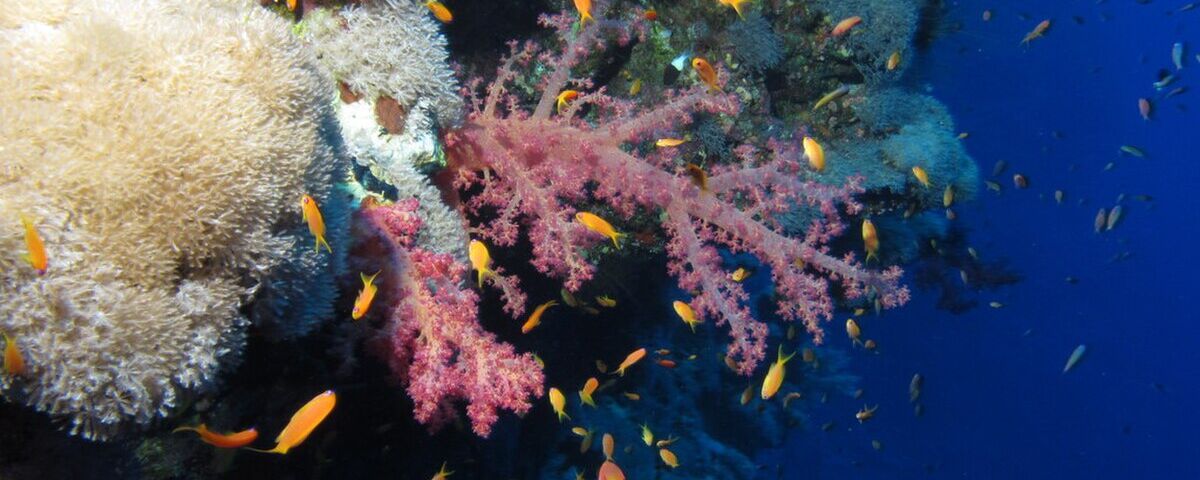
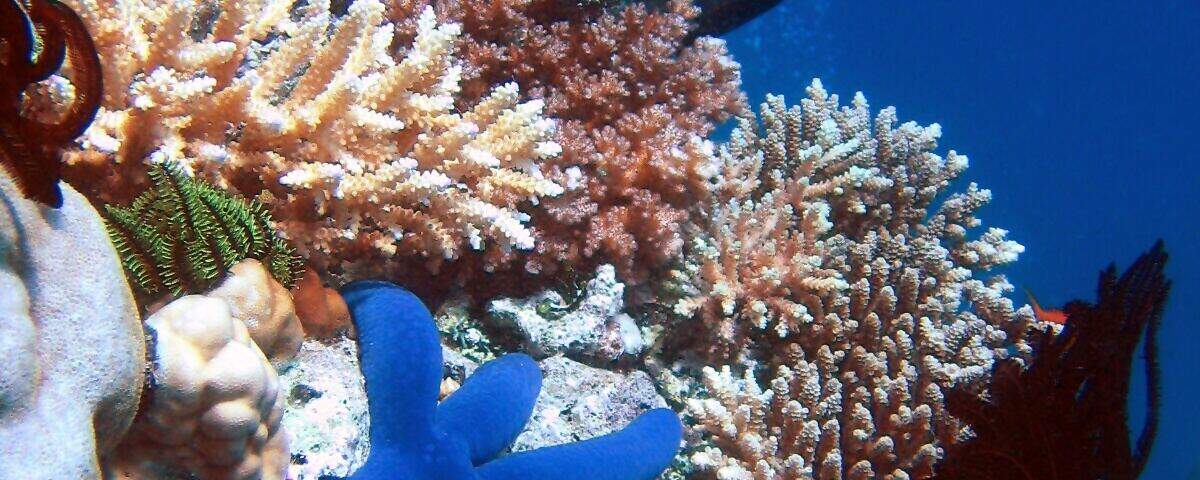
The pinnacle's coral coverage is healthy, benefiting from the current flow that brings nutrients and prevents sediment settling. Soft coral, sea fans, and barrel sponges decorate the rock's surfaces, and the fish community is substantially larger and more varied than at the muck sites. For divers staying in Anilao for a week-long trip, Beatrice Rock provides essential contrast to the close-focus critter hunting that dominates the itinerary.
The Verde Island Passage location gives the site scientific significance beyond its diving appeal. Research expeditions have documented extraordinary species diversity in this waterway, and Beatrice Rock benefits from its position in one of the richest marine corridors in the world.
Beatrice Rock is increasingly important for marine research in the Verde Island Passage. Academic expeditions from the California Academy of Sciences and local Philippine universities have used the pinnacle as a study site, documenting species diversity and abundance as indicators of the passage's overall ecological health. The fish species list for Beatrice Rock alone exceeds 200, a number that underlines the extraordinary biodiversity of this waterway.
Marine Life at Beatrice Rock
Schooling jacks and trevally circle the pinnacle when current is running, forming swirling formations that photographers frame against the blue water backdrop. Giant trevally hunt the school edges, and the predator-prey dynamics produce the kind of explosive action that muck diving never offers. Barracuda form schools in the deeper sections, their silvery bodies catching the available light.
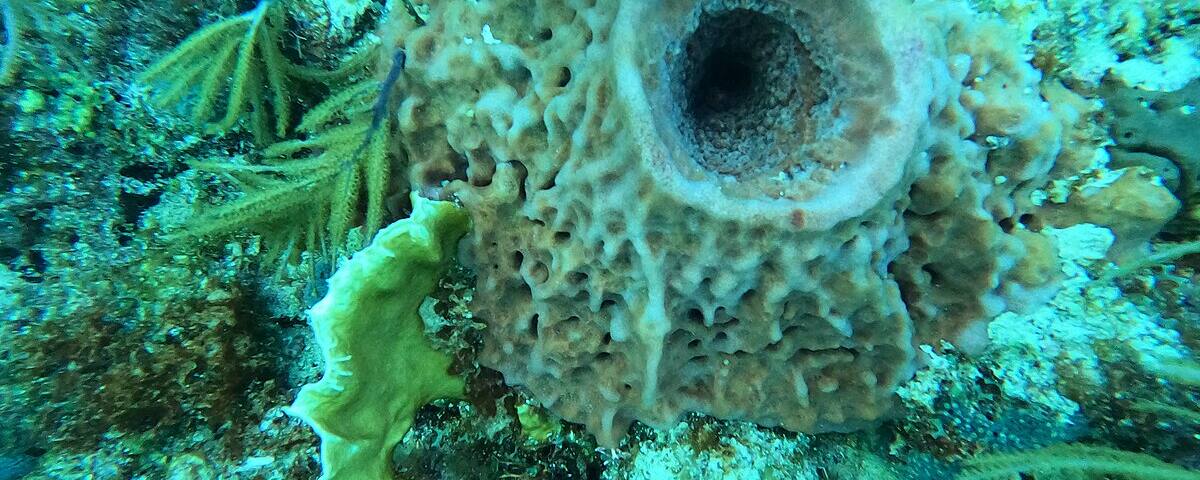
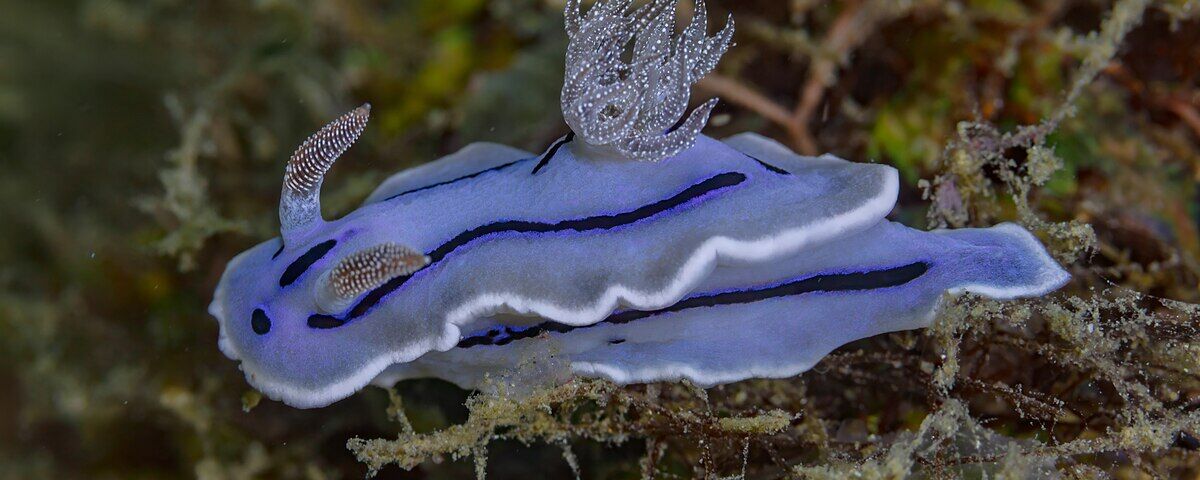
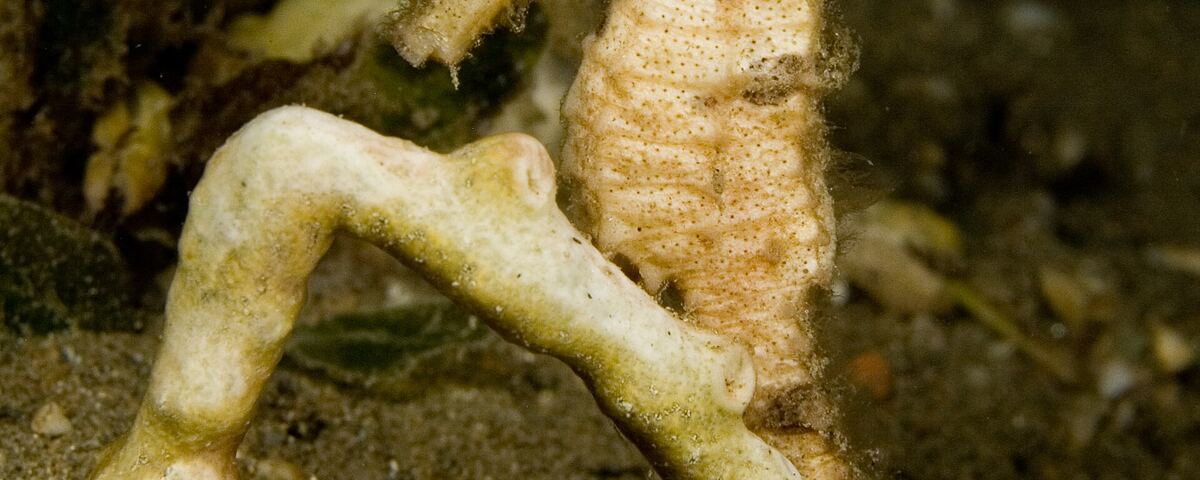
The pinnacle's walls support dense soft coral and gorgonian growth, with sea fans spreading across the current-facing surfaces. Barrel sponges anchor to the rock at various depths, their interiors sometimes hosting shrimp or juvenile fish. Nudibranchs are present on the coral surfaces, maintaining Anilao's reputation for nudibranch diversity even on its pelagic sites.
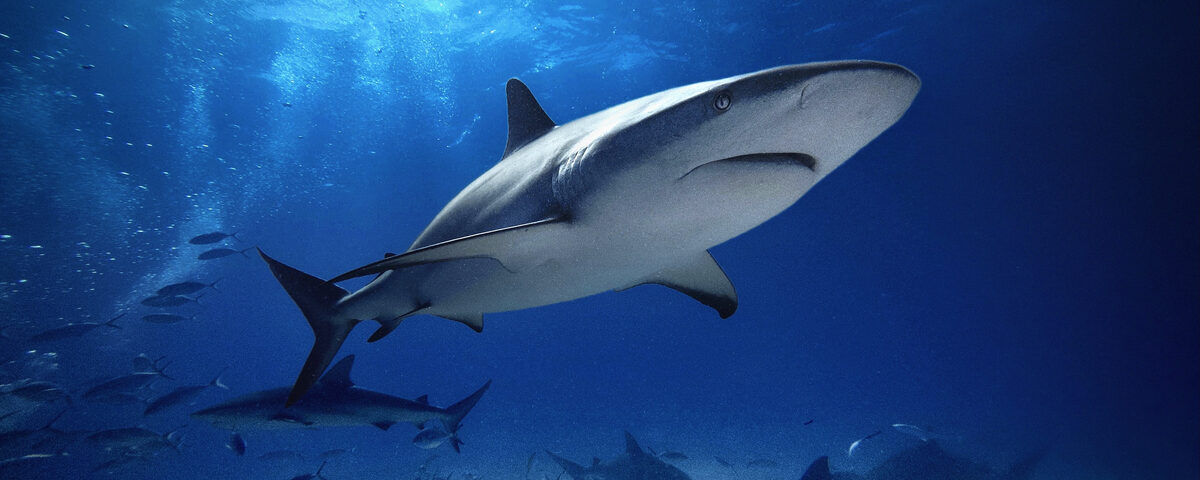
Reef sharks (white-tip and occasionally black-tip) patrol the deeper sections around the base of the pinnacle. Sightings are not guaranteed but occur on perhaps a third of dives. Turtle encounters are common, with green and hawksbill turtles resting on the rock or cruising past.
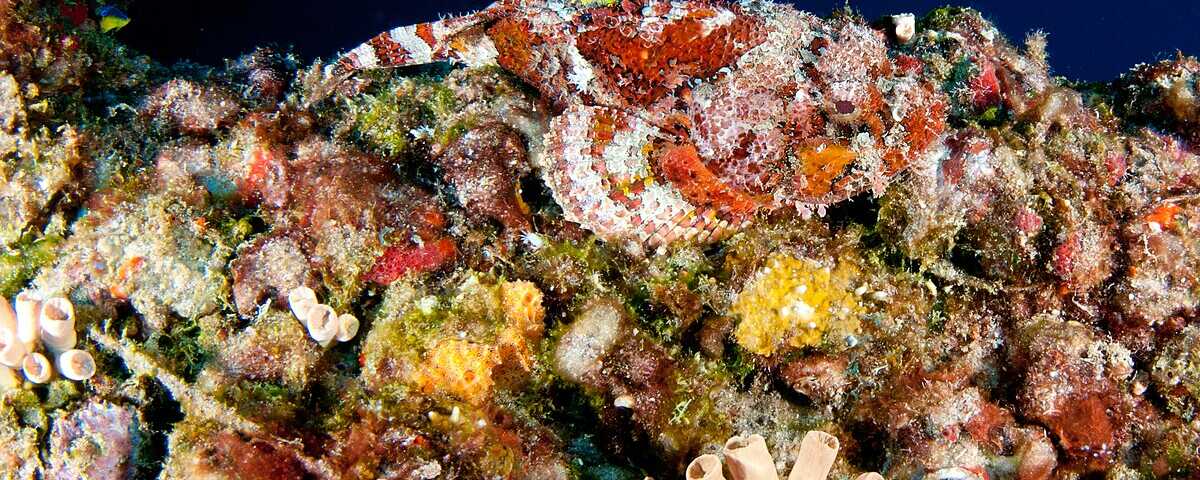
The macro life on the pinnacle surface is stronger than you might expect from a current-swept site. Pygmy seahorses on gorgonian fans, various species of pipefish along the wall, and commensal shrimp in anemones are all present. The invertebrate diversity reflects the broader Verde Island Passage richness.
During the cooler months (December to February), the plankton density increases around the pinnacle, attracting whale sharks that occasionally pass through the deeper water. These encounters are rare and cannot be planned for, but they add to Beatrice Rock's reputation as Anilao's big-animal site.
The rocky substrate of the pinnacle provides habitat for several species of moray eel, including giant moray, honeycomb moray, and the strikingly patterned zebra moray. These eels occupy crevices throughout the rock structure and are visible on most dives, their heads protruding from gaps in the coral growth as they circulate water through their gills.
The pinnacle's crevices and overhangs also shelter cleaning stations where small wrasse service larger reef fish. Groupers and sweetlips queue at these stations, holding still while the cleaners work their gill covers and body surfaces. Observing these interactions adds a behavioural dimension to the dive that goes beyond simply listing species.
Dive Conditions
Current at Beatrice Rock ranges from mild to strong, driven by tidal flow through the Verde Island Passage. The pinnacle's exposed position means current conditions can change rapidly, and the site should only be dived when the operator's guide has assessed conditions and judged them manageable for the group.
The strongest current typically flows on the north face, where the wall drops steeply. The south and east faces are more sheltered and offer calmer conditions during strong tidal periods. Experienced guides use the rock's structure to manage current exposure, positioning groups in the lee of the pinnacle and moving to the exposed face when conditions allow.
Visibility ranges from 10 to 25 metres, generally best during the dry season (November to May). Water temperature is 25 to 29 degrees, comfortable in a 3mm wetsuit. Thermoclines at the deeper sections can produce temperature drops.
The pinnacle drops beyond recreational limits, and the excitement of the schooling fish can lead to depth creep. Set a maximum depth alarm and stick to it. The best action is typically between 15 and 25 metres.
Entry is by boat, with a negative entry recommended when current is running. The boat anchors to a mooring line on the pinnacle or drifts nearby. A reef hook is useful for holding position on the exposed face.
The boat ride from the Anilao resorts to Beatrice Rock crosses deeper water that can be choppy when the monsoon winds pick up. The return journey in the afternoon often encounters stronger winds than the morning departure. Planning Beatrice Rock as a morning dive reduces the discomfort of the crossing and the risk of deteriorating afternoon conditions.
⚓ Divemaster Notes
Beatrice Rock is my cure for macro fatigue. After a few days of shooting nudibranchs at Anilao's muck sites, divers need a change of scale. Dropping onto a current-swept pinnacle with jacks swirling overhead provides exactly that contrast.
I check the current by dipping a weight on a line before committing to the dive. If the line pulls at more than 45 degrees from vertical, the current is too strong for most groups and we divert to a sheltered alternative. This test takes 30 seconds and has saved me from several uncomfortable situations.
The north wall in moderate current is where the action concentrates. Position the group at 18 to 22 metres on the wall, facing the current, and the jacks and trevally parade past at close range. Reef hooks help here, particularly for photographers who need both hands on their camera.
One honest note: Beatrice Rock doesn't match Komodo or Raja Ampat for pelagic density. What it offers is big-animal diving within a three-hour drive of a major international airport, at a fraction of the cost. For divers visiting Anilao for the macro and wanting one pelagic dive to round out the trip, it's the right choice.
The boat ride out can be rough when the monsoon winds are up. Take seasickness precautions if you're susceptible, and confirm with your operator that conditions are suitable before the trip.
For guests on a multi-day Anilao trip, I schedule Beatrice Rock for mid-week to break up the macro diving with something physically different. The swim in current, the depth, and the big-animal potential all engage different skills and different senses from the slow, close-focus work at the muck sites.
How to Get to Beatrice Rock
Beatrice Rock is offshore from the Calumpan Peninsula, roughly 30 to 45 minutes by dive boat from the main Anilao resort area. Anilao is the closest serious dive destination to Manila, about 2.5 to 3 hours by road from the capital.
Most divers stay at Anilao's resort-based dive operations along the coast, which offer day trips to Beatrice Rock as part of their site rotation. The journey from Manila is typically by private transfer or shared van arranged through the resort.
Manila's Ninoy Aquino International Airport (NAIA) handles international flights from most Asian hubs and several long-haul routes. The drive to Anilao heads south through Batangas province.
Gear Recommendations
3mm wetsuit for tropical water. Reef hook useful for the current-exposed sections. Wide-angle lens for the schooling fish action, replacing the macro lens that dominates Anilao diving. SMB for safety stops. Nitrox extends bottom time at the deeper sections of the pinnacle.
Recommended Dive Operators
Crystal Blue Resort in Anilao offers a well-maintained operation with experienced guides who know Beatrice Rock's current patterns. Aiyanar Beach and Dive Resort provides reliable access with good safety standards. Buceo Anilao specialises in underwater photography support and offers small group dives at the pinnacle. Planet Dive Anilao runs regular trips to the offshore sites with experienced boatmen who read the conditions accurately.
Liveaboard Options
Anilao is not a typical liveaboard destination. The area is best served by land-based resort operations that offer day-trip boat diving. Most divers stay at resorts along the Anilao coast and dive Beatrice Rock as a day trip. Occasional liveaboard itineraries covering the Verde Island Passage may include the site.