Eagle Point Dive Site
Anilao (Batangas), Philippines · Near Anilao
Overview
Eagle Point sits at the tip of the Calumpan Peninsula, the rocky headland that defines Anilao's diving geography. The reef here wraps around the point, offering different characters on each face: a sheltered coral garden on the west, a current-kissed slope on the east, and a series of coral-covered walls and overhangs on the point itself. It works as a beginner-friendly reef dive in calm conditions and steps up to an engaging intermediate dive when the current picks up.
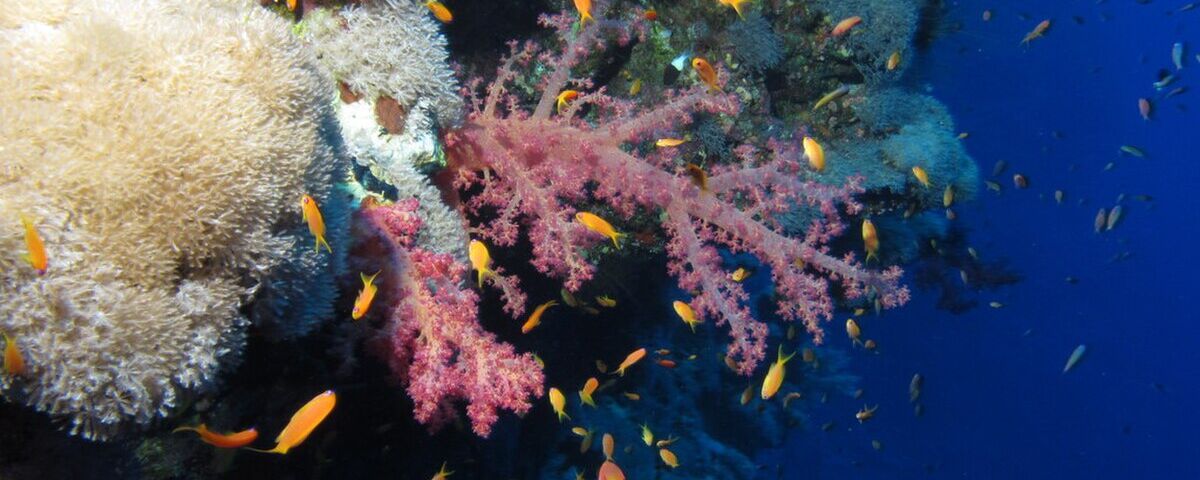
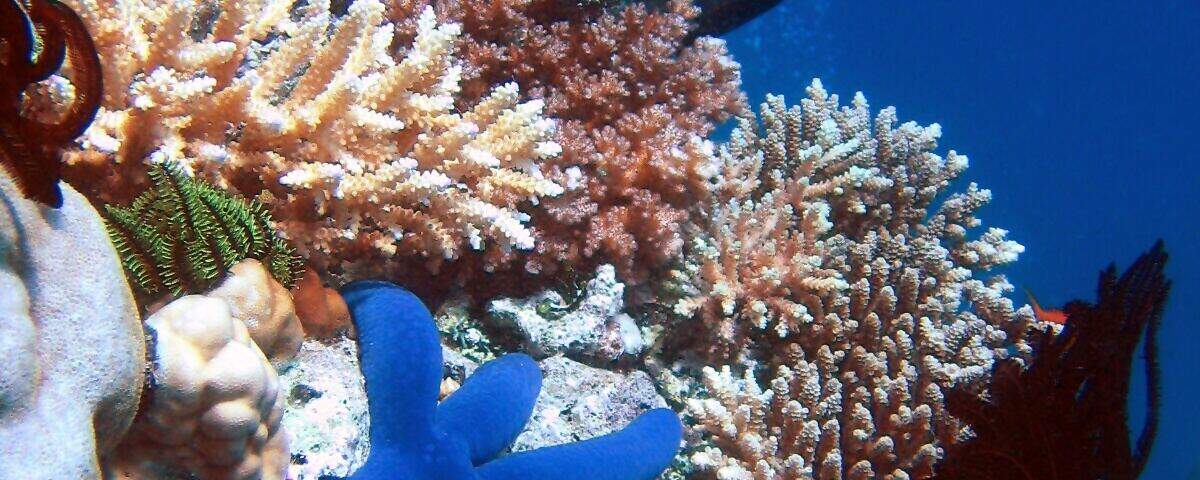
The site takes its name from the resort perched on the cliff above, and the underwater topography mirrors the dramatic rocky coastline. Boulders and rock formations create overhangs and swim-throughs at recreational depths, adding topographic interest that flat muck sites lack. Between the rocky features, healthy hard coral covers the available surfaces, with table corals, staghorn formations, and brain corals creating textured reef habitat.
Eagle Point serves a dual purpose in Anilao itineraries. It's a solid reef dive in its own right, with enough marine life to satisfy divers between the specialised macro sessions at Twin Rocks or Secret Bay. And it's a pleasant change of pace for photographers whose eyes need a break from macro viewfinders. Wide-angle shooting at Eagle Point produces reef scenes that could feature in any tropical diving magazine.
The diversity of habitats within a single dive is Eagle Point's strength. Rocky walls with overhangs transition to coral slopes, which transition to sandy patches, which give way to seagrass in the shallows. Each zone supports different species, and a single dive that covers all four habitats produces a species list that reflects the Verde Island Passage's extraordinary biodiversity.
Eagle Point is also one of Anilao's better night dive options. The sheltered conditions, moderate depth, and proximity to the resort infrastructure make logistics straightforward, and the nocturnal marine life in the rocky overhangs and sandy patches provides a different experience from the daytime dive.
The reef at Eagle Point benefits from its position at the entrance to the Verde Island Passage, where oceanic currents deliver larvae from the broader marine ecosystem. This larval supply contributes to the species diversity and reef recovery potential, making Eagle Point a site whose health is tied to the health of the broader passage.
The combination of rocky architecture, healthy coral, and accessible depth makes Eagle Point an excellent dive for visitors who want to experience Philippine reef diving without the specialisation demanded by macro sites or the certification requirements of deeper wrecks and pinnacles.
Marine Life at Eagle Point
The rocky overhangs shelter a variety of species that prefer shade. Sweetlips rest under the overhang ceilings during the day, their spotted patterns standing out against the dark rock. Lionfish hover in the shadows, their venomous fins fanned wide. Moray eels occupy crevices throughout the rocky sections, with giant moray and snowflake moray both common.
The coral slopes support schools of surgeonfish, damselfish territories, and butterflyfish pairs working the reef surface. Clownfish in several anemone species provide photogenic subjects at various depths. Parrotfish graze the hard coral, their beak-like mouths producing the crunching sound that becomes a familiar underwater soundtrack.
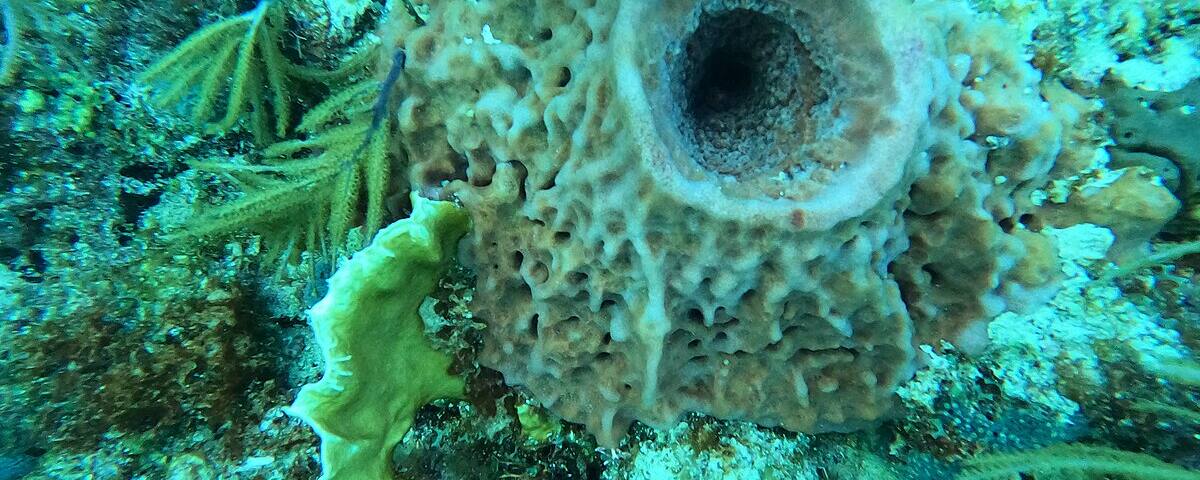
Turtles visit the point regularly, with green turtles the more common species. They rest on the coral slopes and feed on sponges growing on the rocky walls. Cuttlefish are present year-round, and their hunting behaviour across the reef surface is endlessly entertaining to observe.
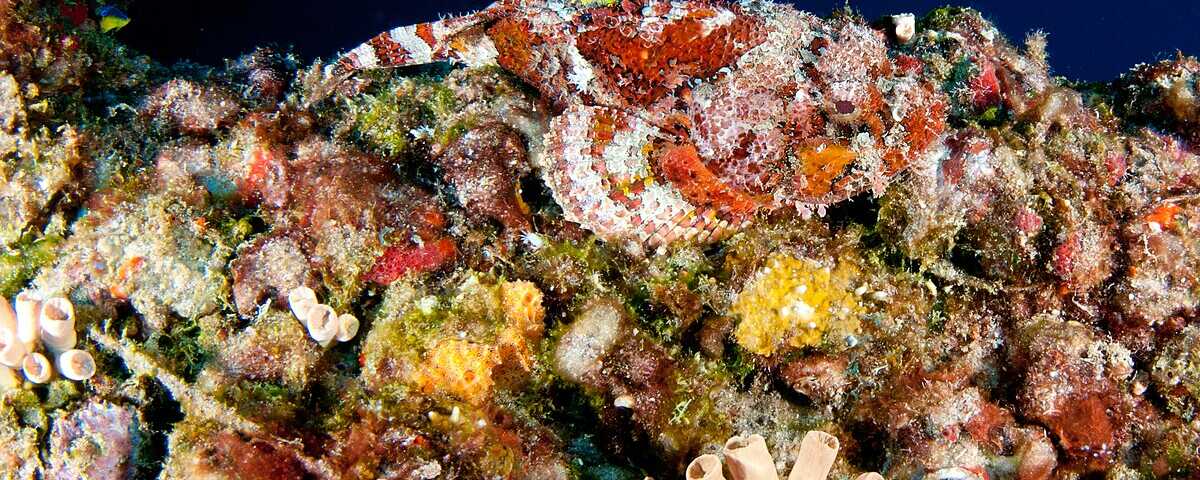
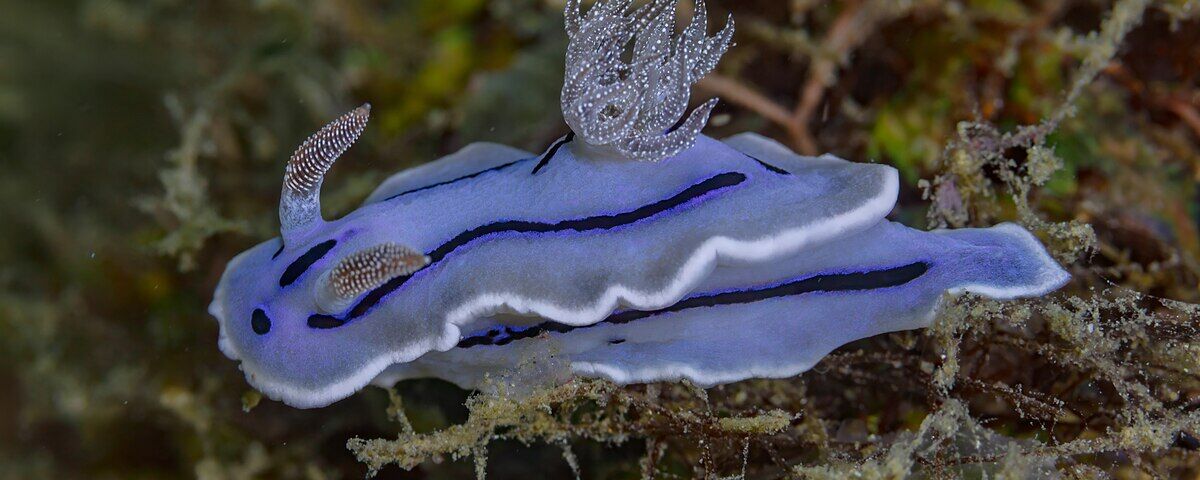
The sandy patches between coral heads harbour blue-spotted stingrays, garden eels (in the deeper sections), and various flatfish. Nudibranchs are present on the coral surfaces, maintaining Anilao's reputation even at its reef sites. Scorpionfish camouflage themselves on the rubble areas, their ambush hunting strategy relying on perfect stillness and matching coloration.
Schooling fish activity increases when current flows around the point, with fusilier and snapper forming aggregations in the mid-water. The occasional trevally hunts the school edges, and barracuda pass through in small groups.
Night dives reveal a different cast. Basket stars unfurl their feeding arms from their daytime hiding spots. Spanish dancer nudibranchs swim with their characteristic undulating motion. Crabs and shrimp emerge from the rocky crevices, and octopus hunt actively across the reef surface. The nocturnal shift at Eagle Point is dramatic enough to justify a dedicated night dive session.
Banded sea snakes are occasionally encountered at Eagle Point, swimming sinuously across the reef surface or resting coiled in coral crevices. They're venomous but extremely docile toward divers. Give them space and watch them move; their swimming pattern is unlike any other reef animal and provides a memorable encounter.
Dive Conditions
Eagle Point is sheltered by the peninsula's geography, making it one of the calmer dive sites in Anilao. Current is typically mild, occasionally picking up when tidal flow rounds the point. The sheltered west face is calm in almost all conditions, while the exposed east face catches some current during tidal movements.
Visibility ranges from 8 to 20 metres, typical for the Anilao area. Water temperature is a comfortable 25 to 29 degrees.
The depth profile is gentle, with most features between 5 and 18 metres. The maximum depth of 22 metres is at the sandy base of the slope on the exposed side. The shallow sections (5 to 10 metres) contain some of the best coral and are excellent for safety stops.
Entry is by dive boat from nearby resorts, with ride times of 10 to 15 minutes. Some divers access the site as a shore dive from the Eagle Point Resort above, with a steep path down to the water's edge. The shore entry involves a rocky scramble and is easier with a guide who knows the access route.
The site suits all certification levels. Beginners can explore the sheltered west face and shallow coral garden. More experienced divers can work the current-kissed eastern slope and deeper rocky features.
The rock formations at Eagle Point create natural swim-throughs at recreational depths (8 to 12 metres) that add adventure to the dive without the overhead environment risks of true cavern diving. These swim-throughs are short, well-lit, and wide enough for comfortable passage. They provide an introduction to enclosed-space diving for curious divers who haven't tried it before.
⚓ Divemaster Notes
Eagle Point is my choice for the first dive of a trip when guests arrive in the afternoon. It's close, it's calm, and it gets people comfortable in the water before the specialised macro sessions at the critter sites. The reef is genuinely beautiful, and the rocky features give the dive some architectural interest that the flat muck sites don't provide.
The west side is where I start beginners and cautious divers. The coral garden at 5 to 12 metres is protected, colourful, and full of easy subjects like clownfish and turtles. Confident divers get the east side, where the mild current brings more fish activity and the deeper overhangs harbour the bigger morays and sweetlips.
For night diving, Eagle Point is my top Anilao recommendation. The rocky overhangs come alive after dark: crabs, shrimp, and hunting octopus emerge from every crevice. I've seen Spanish dancers here more reliably than at any other local site. The logistics are easy because the site is close to the resorts, and the sheltered conditions make night diving comfortable.
One thing that catches visitors off guard: the rocky entry if you're doing a shore dive from Eagle Point Resort. The path down the cliff is steep and the entry point involves rocks that get slippery. Booties with grip and a steady hand from your guide make a big difference. If the waves are up, take the boat instead.
One thing I've noticed over years of diving Eagle Point: the reef top coral has recovered noticeably from a bleaching event about five years ago. New coral growth is covering previously bleached areas, and the fish community on the recovering sections is building steadily. It's an encouraging sign of reef resilience when broader conditions support recovery.
How to Get to Eagle Point
Eagle Point is at the tip of the Calumpan Peninsula, roughly 10 to 15 minutes by dive boat from most Anilao resorts. Anilao is 2.5 to 3 hours by road from Manila.
Eagle Point Resort sits directly above the dive site and offers shore diving access. Other Anilao resorts include Eagle Point on their boat diving schedules as part of the standard site rotation.
Transfers from Manila's NAIA airport can be arranged through any Anilao resort.
Gear Recommendations
3mm wetsuit. Wide-angle lens is the priority here for the reef scenes and rocky features, contrasting with the macro focus at most Anilao sites. Macro lens also productive for the nudibranchs and critter subjects. Torch for looking into overhangs and essential for night diving. No current management gear needed.
Recommended Dive Operators
Eagle Point Resort has the most convenient access with shore diving directly from the property. Crystal Blue Resort includes Eagle Point on their regular boat dive schedule. Aiyanar Beach and Dive Resort offers reliable access with experienced guides. Most Anilao dive operations include Eagle Point as part of their site offerings.
Liveaboard Options
Anilao is a shore-based destination. Eagle Point is accessed by day-trip boat diving from coastal resorts. No dedicated liveaboard operations serve this site.