Devil's Point Dive Site
Anilao (Batangas), Philippines · Near Anilao
Overview
Devil's Point sits near Anilao's southern tip, a submerged rocky outcrop surrounded by coral reef and wall sections that offers a satisfying middle ground between Anilao's calm macro sites and the current-swept pelagic spots further south. The name suggests danger, but the reality is more nuanced: conditions are often calm, the depth is manageable, and the site delivers a broader marine life experience than the dedicated critter spots.
The dive site features steep walls dropping from about 6 metres to beyond 30 metres, with coral gardens, sponge-covered surfaces, and rocky formations that create diverse habitat. The topography gives Devil's Point more structural variety than the typical Anilao slope site, with overhangs, small swim-throughs, and vertical sections that make the dive feel more dynamic.
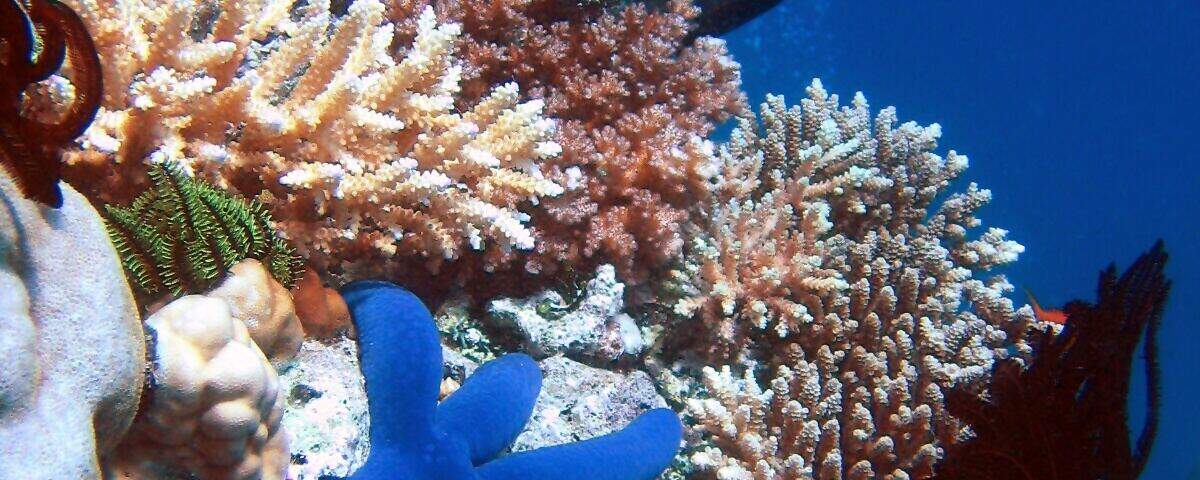
Devil's Point functions as Anilao's reef diversity showcase. The coral coverage is strong, with both hard and soft coral species creating a colourful backdrop. The fish community reflects the site's position between sheltered and exposed waters: reef fish in good numbers, with occasional pelagic visitors when the current picks up. It's not a big-fish site like Mainit Point, and it's not a dedicated macro site like Dead Palm. It's the generalist dive that gives you a bit of everything.
The site's aspect means it can catch current on tidal changes, which occasionally brings nutrient-rich water and the marine life that follows it. These current events are unpredictable and relatively mild compared to Mainit Point, but they add variety to the experience.
Devil's Point is about 30 minutes by banca from the main resort area, placing it among the more distant Anilao sites. The journey takes you south along the peninsula, past the closer sites, to the area where the coastline meets the open channel. The extra travel time is justified by the site quality, and most operators include it in their standard rotation.
The wall sections provide the best visual experience. Unlike the slope sites where the reef extends uniformly, Devil's Point's vertical terrain creates light and shadow effects that change with the sun's position, and the overhangs shelter species that need low-light conditions.
The wall sections at Devil's Point are the site's strongest feature, offering vertical terrain that Anilao's typical slope sites lack. The walls create light conditions that change dramatically through the day: morning sun illuminates the east-facing surfaces, while afternoon light reaches the west-facing overhangs. This variability means the same site looks and photographs differently depending on when you visit.
The area around Devil's Point has been proposed for marine protected status at various times, though as of recent years the protection remains informal. The reef health suggests that fishing pressure is moderate rather than intensive, possibly because the distance from the main resort area reduces casual fishing activity.
Marine Life at Devil's Point
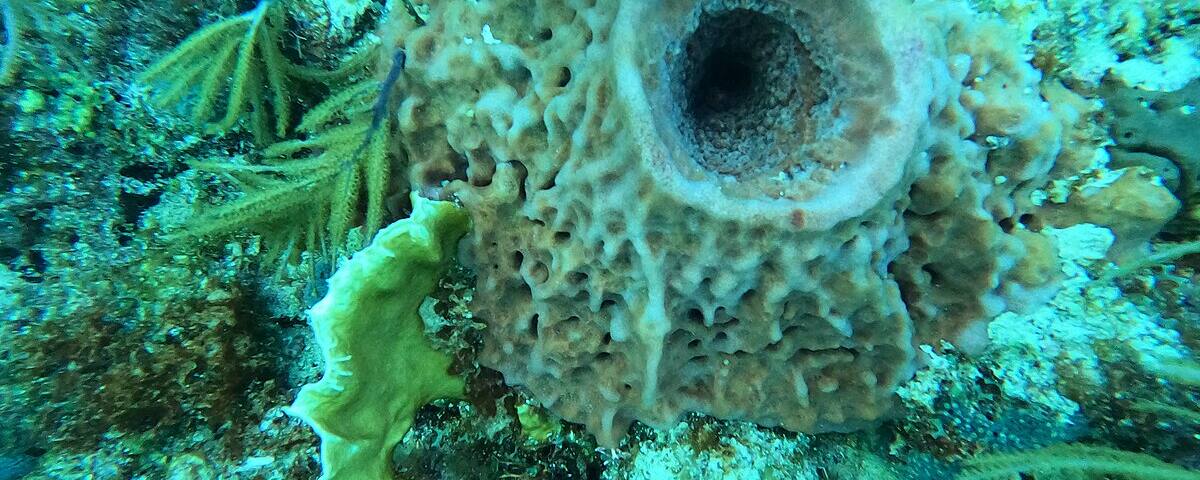
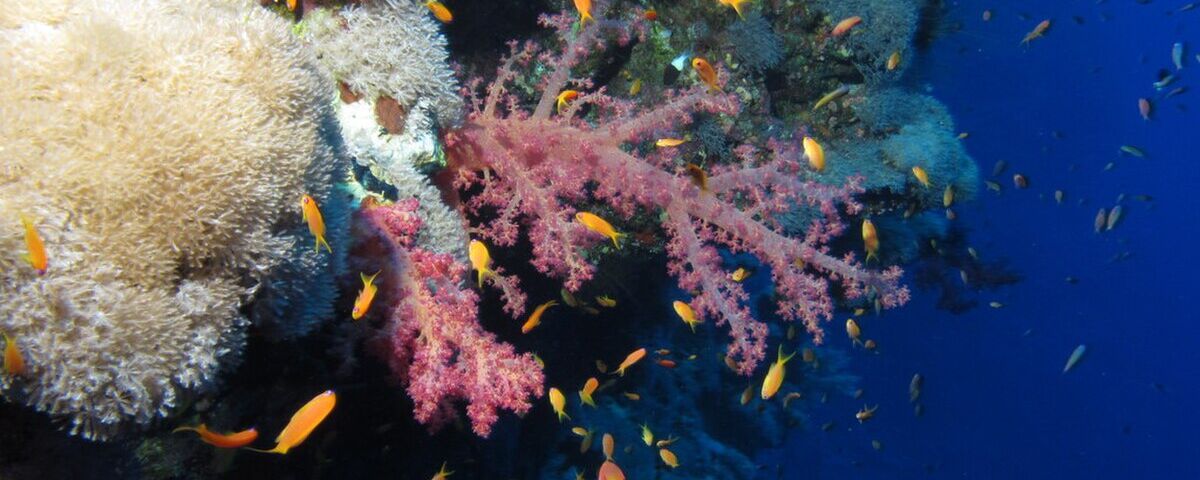
The coral walls are the visual centrepiece. Soft corals in purple, pink, and orange extend from the vertical surfaces, while hard coral species dominate the horizontal areas. Sponges in barrel and encrusting forms add colour, and the overall reef health is good by Anilao standards.
Reef fish are present in healthy numbers. Schools of fusilier pass along the wall edge, anthias cloud the coral heads, and damselfish defend their patches. Butterflyfish in pairs work the reef surface. Triggerfish are common, and their territorial displays add movement to the scene.
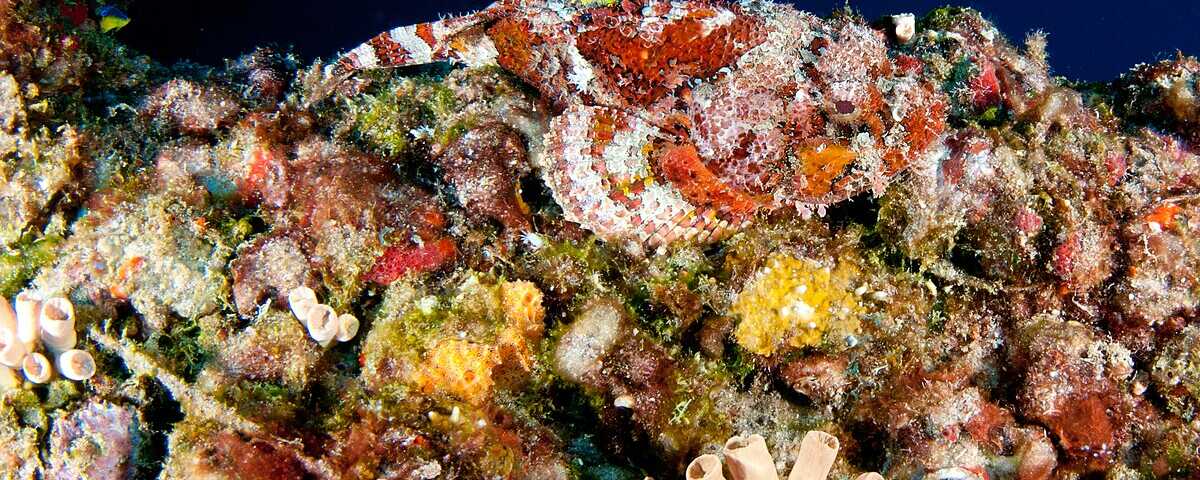
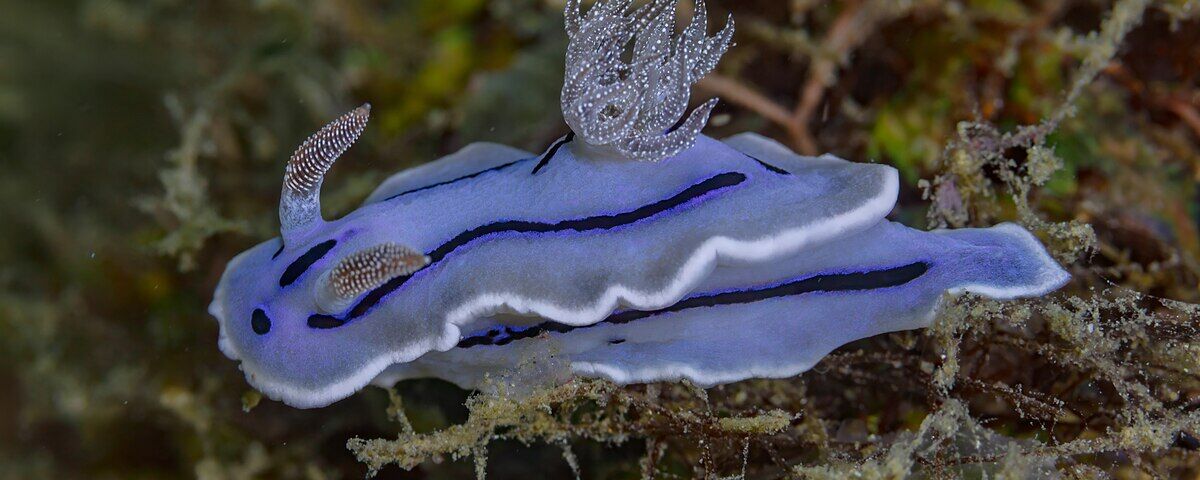
Scorpionfish are particularly well-represented at Devil's Point, with multiple species camouflaging on the reef surfaces. Nudibranchs inhabit the coral and sponge areas, with the diversity expected of an Anilao site. Lionfish hunt around the overhangs, and moray eels peer from the wall crevices.
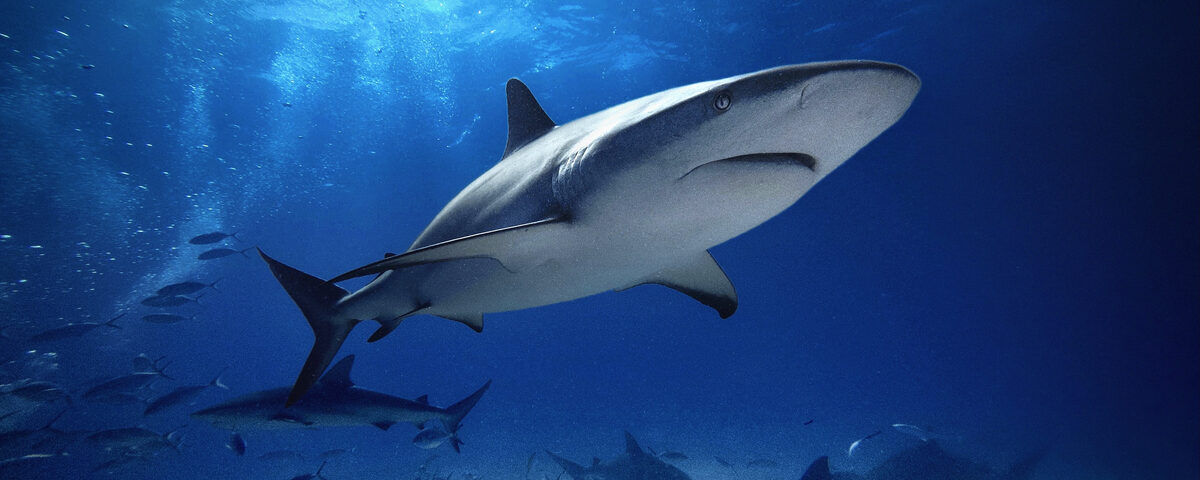
The sandy areas between reef sections host blue-spotted stingrays, and the occasional cuttlefish hunts across the substrate. Turtles visit the reef, with green turtles being the more common species. The overhangs shelter sweetlips, groupers, and the occasional sleeping shark (white-tip reef sharks have been found resting in the low-light areas).
When current brings nutrient-rich water to the site, pelagic visitors appear. Small trevally, occasional barracuda, and schooling fish add a dimension that the calmer macro sites lack. These encounters are not guaranteed but reward divers who choose Devil's Point on days when the current is running.
The wall's deeper sections (below 20 metres) host larger gorgonian fans and the macro species that prefer the deeper, calmer environment. Pygmy seahorses have been reported on the fans, though this is not a reliable sighting.
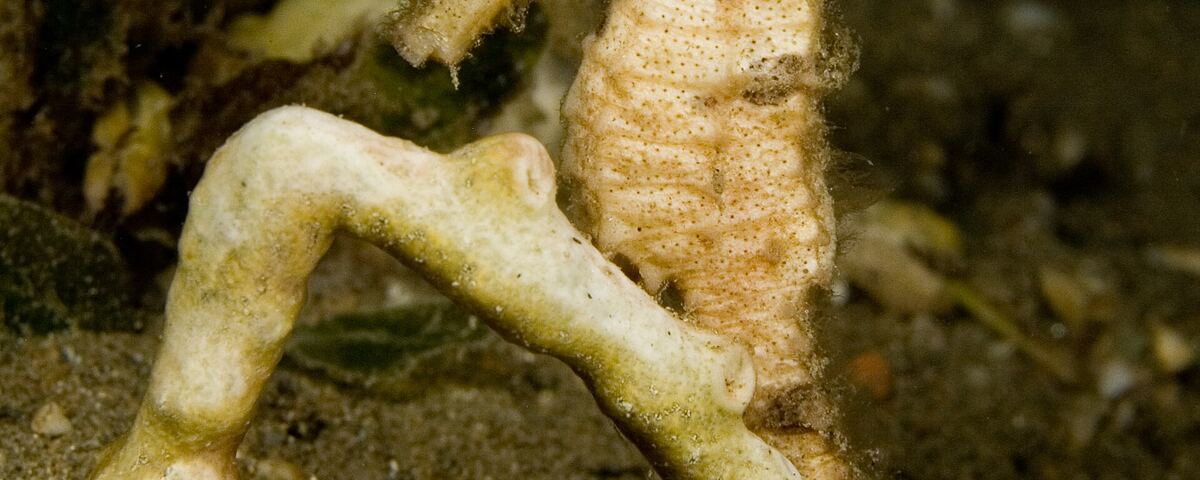
The wall surfaces host encrusting sponges in varied colours that create a patchwork effect on the vertical surfaces. Feather stars in red, yellow, and black anchor themselves to the wall and extend their arms into the current to filter-feed. Their photogenic appearance makes them popular subjects for macro photographers.
Crinoid shrimp and squat lobsters inhabit the feather stars, their bodies colour-matched to their hosts. Finding these commensal species requires careful inspection of each crinoid, which is time-consuming but rewarding when a perfectly camouflaged shrimp reveals itself under close examination.
Dive Conditions
Current at Devil's Point is typically mild to moderate, with the stronger flow coinciding with tidal changes. The site is more sheltered than Mainit Point further south, making it a comfortable intermediate option.
Visibility ranges from 8 to 20 metres, with the clearer conditions during the dry season. The site's slightly more exposed position can produce better visibility than the near-shore sites when the current flushes cleaner water through.
Water temperature is 25 to 29 degrees. A 3mm wetsuit is standard, with occasional cooler patches when thermocline water reaches the wall.
The depth profile starts at the reef top (6 metres) and drops along the wall to 30 metres and beyond. Most diving stays in the 10 to 25-metre range, with the wall providing clear depth references throughout. The vertical terrain makes depth management intuitive.
Entry is by banca. The dive can be structured as a wall dive (following the vertical terrain at a chosen depth) or a reef exploration (working across the different habitat zones). Both approaches work well.
Intermediate certification is recommended. The wall diving is straightforward, but the occasional current and the deeper sections require awareness and experience.
⚓ Divemaster Notes
Devil's Point is my all-rounder. When I have a mixed group with different interests and ability levels, this site gives something to everyone. The macro enthusiast can work the wall surfaces for nudibranchs, the wide-angle photographer can shoot the coral walls, and the fish watcher can enjoy the reef community. Nobody goes home disappointed.
I run the dive as a wall drift when mild current is present, starting high (10 metres) and working to a maximum of 25 metres before ascending along the wall. The overhangs between 15 and 20 metres are the most productive section, with the best coral coverage and the highest concentration of critter life.
The white-tip reef sharks that sleep in the overhangs are an unexpected bonus. They're not on every dive, but when I find one resting motionless in a cave at 18 metres, it produces genuine excitement in a group that might otherwise think of Anilao as purely a critter destination.
For photographers, the morning light on the wall produces the best conditions. The sun angle illuminates the vertical surfaces, bringing out the coral colours and creating depth in the compositions. Afternoon dives have the wall in shadow, which works for atmospheric shots but requires strobes for colour.
The boat ride is the main downside. Thirty minutes each way on a banca is fine in calm conditions but unpleasant in chop. I check the weather forecast carefully before scheduling Devil's Point, and I'll swap it for a closer site if conditions look marginal.
The diversity of Devil's Point means I can run the same site differently for different groups. Macro enthusiasts get the slow wall crawl with nudibranch hunting. Wide-angle photographers get the wall vistas with coral compositions. Fish watchers get the reef edge where the predators patrol. General fun divers get a bit of everything. This versatility makes Devil's Point one of the most useful sites in my Anilao rotation.
The return boat ride from Devil's Point is a good time to discuss the afternoon dive plan. The contrast between the wall diving here and the muck diving at Secret Bay or Dead Palm gives divers a sense of Anilao's range.
How to Get to Devil's Point
Devil's Point is approximately 30 minutes by banca from the main Anilao resort area, south along the Calumpang Peninsula. Anilao is 2.5 to 3 hours from Manila by road.
Most operators include Devil's Point in their standard site rotation, typically scheduling it when conditions are calm enough for the boat ride to the southern peninsula area.
Gear Recommendations
3mm wetsuit. Either macro or wide-angle lens (the site rewards both equally). Torch for the overhangs and wall crevices. SMB for drift dives. Nitrox useful for extended time at the 18 to 22-metre depth range where the best features sit.
Recommended Dive Operators
Planet Dive Anilao guides know Devil's Point well and time visits for favourable conditions. Crystal Blue Resort includes the site in their regular rotation with good photography support. Dive Solana provides reliable guiding. Eagle Point Resort runs trips from their southern peninsula location.
Liveaboard Options
Anilao is land-based only. No liveaboards serve Devil's Point or other Anilao sites specifically.