Arthur's Rock Dive Site
Anilao (Batangas), Philippines · Near Anilao
Overview
Arthur's Rock sits in the heart of Anilao's dive site cluster, a gentle reef that takes its name from Arthur's Place Dive Resort, one of the region's original dive operations. The site combines accessible depths, mild conditions, and the macro critter diversity that defines Anilao diving, making it a reliable choice for divers of all levels and a particular favourite for underwater photographers.
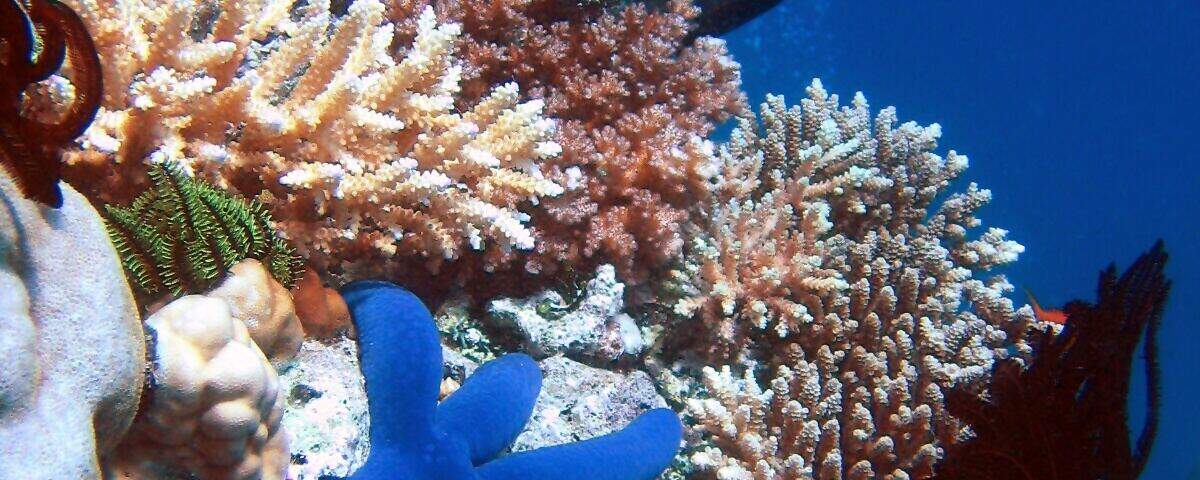
The reef structure is a slope descending from about 5 metres to roughly 21 metres, with mixed coral and rubble substrate. The coral coverage includes both hard and soft species, with sponges and feather stars adding colour and texture. The reef doesn't have the dramatic topography of walls or pinnacles; its strength is the density and diversity of small marine life hiding in every crevice and on every surface.
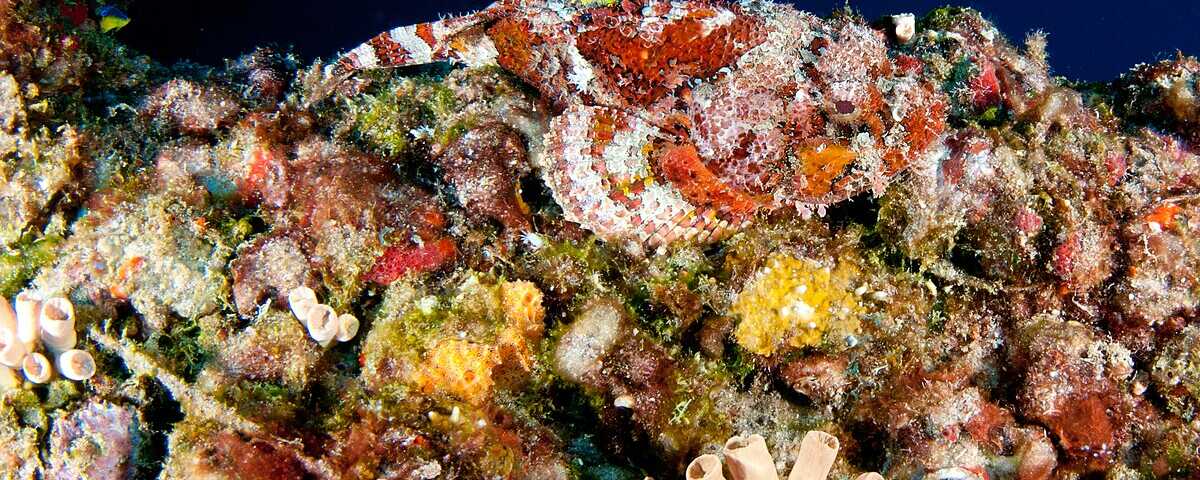
Arthur's Rock is firmly in Anilao's macro territory. The site produces consistent nudibranch sightings, with species diversity that impresses even experienced macro photographers. Scorpionfish camouflage on the coral surfaces, frogfish lurk in the sponges, and the sandy patches between coral heads host gobies and their commensal shrimp. The site rewards slow, observant diving.
The proximity to the resort strip makes Arthur's Rock one of the most convenient dive sites in Anilao. The boat ride is typically under 10 minutes, and the site's accessibility means it's frequently used for check dives, training dives, and the first dive of the day. This popularity does mean it can feel crowded on busy weekends when Manila's diving community descends on Anilao.
Current is typically mild, and the depth profile is manageable for newly certified divers. These conditions make Arthur's Rock one of Anilao's best sites for building confidence and developing the slow, controlled diving style that macro diving demands.
The trade-off is the limited range of the experience. Arthur's Rock is a critter dive, pure and simple. Divers seeking pelagic encounters, dramatic topography, or challenging conditions should look elsewhere in Anilao's extensive site list. For those who appreciate the small things, Arthur's Rock delivers consistently.
The reef at Arthur's Rock has been dived consistently for decades, which means the guide knowledge of critter locations is exceptionally detailed. Long-time guides maintain mental databases of where each frogfish sits, which coral head hosts the current nudibranch population, and where the seasonal visitors appear. This accumulated knowledge is the single biggest factor in the quality of the dive experience.
Arthur's Rock also serves as an excellent night dive location. The shallow depth, lack of current, and proximity to the resort area make it safe and convenient after dark. The night-time community includes Spanish dancers (the largest nudibranch species), hunting octopus, foraging crabs, and the luminescent plankton that sparkles when disturbed.
Marine Life at Arthur's Rock
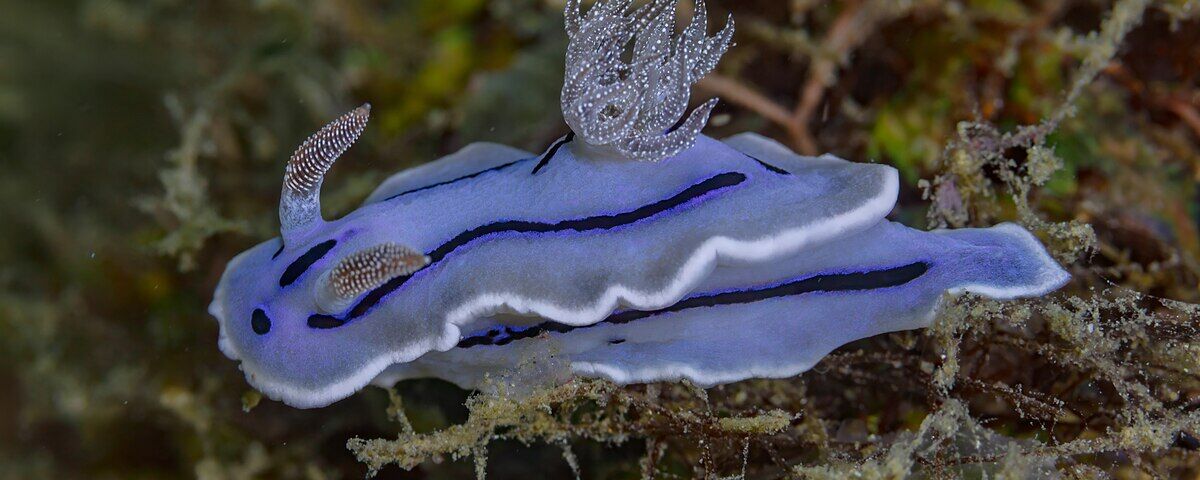
Nudibranchs across multiple families populate the reef surfaces. Chromodoris species in vivid colour patterns are the most visible, but careful searching reveals smaller, rarer species tucked into crevices and on the undersides of coral ledges. The variety here is representative of Anilao's status as the nudibranch capital of the Philippines.
Scorpionfish are common and extremely well-camouflaged. Your guide will point out specimens you could hover directly over without noticing. Devil scorpionfish, false stonefish, and the occasional leaf scorpionfish are all present.
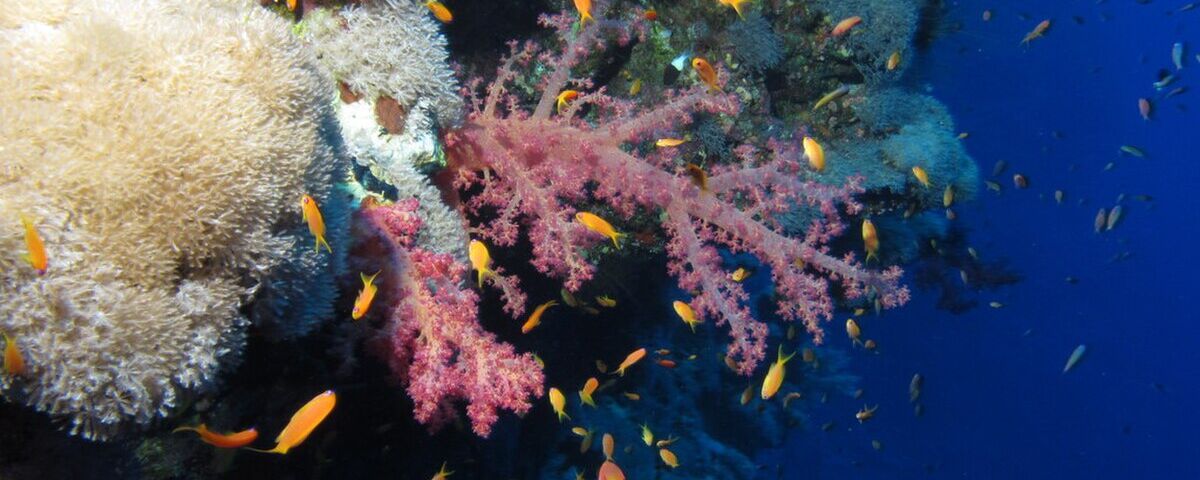
Small reef fish populate the coral in good numbers. Anthias swarm the coral heads, damselfish defend territories aggressively, and wrasse work the reef surfaces. Schools of cardinalfish shelter in the coral overhangs, their translucent bodies visible in torchlight. Anemonefish occupy anemones scattered across the site.
The rubble and sand patches host gobies with their partner shrimp, the mutualistic duo that rewards patient observation. Jawfish hover above their burrows, retreating when approached too quickly. Mantis shrimp are visible at burrow entrances during quiet moments.
Feather stars (crinoids) in multiple colour variations decorate the reef, and their arm-spans host commensal species: squat lobsters, crinoid shrimp, and crinoid fish that match their host's colour. These associations are a macro photography favourite.
The occasional cuttlefish hunts across the reef, changing colour and texture in real-time. Moray eels peer from crevices, and the reef edges host the usual complement of lionfish and groupers. The site is genuinely productive for patient divers.
Blue-spotted stingrays rest in the sandy patches between coral heads, their spotted bodies partially buried in the substrate. The occasional bamboo shark has been found sleeping under ledges during the day, though this is an uncommon sighting. Sea snakes pass through the reef periodically, hunting small fish in the coral crevices.
Pipefish, both the robust and the thin varieties, can be found along the reef edges. These slender relatives of the seahorse hover vertically near whip corals and gorgonians, their camouflage making them challenging to spot. Guide assistance is essential for the smaller species.
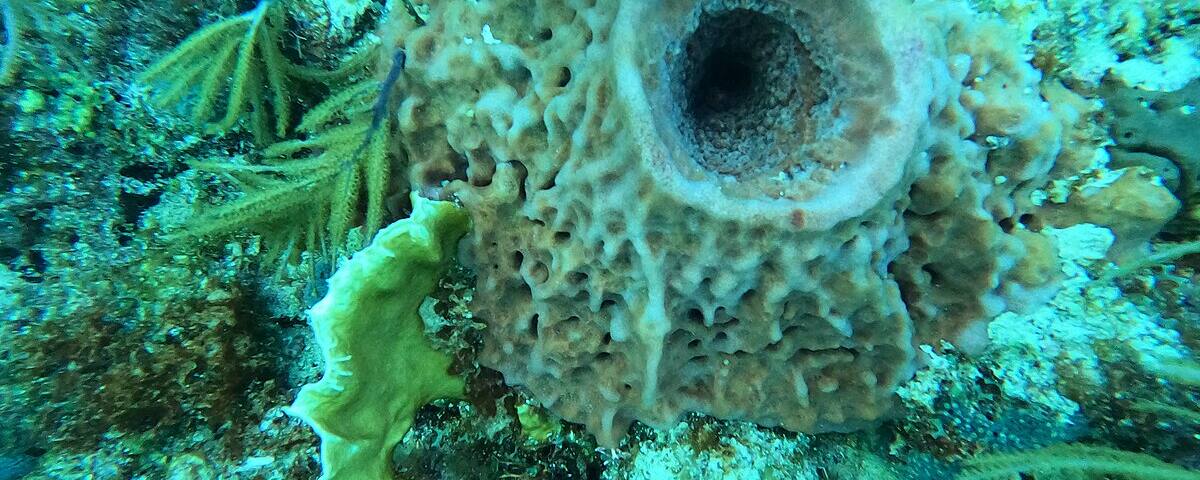
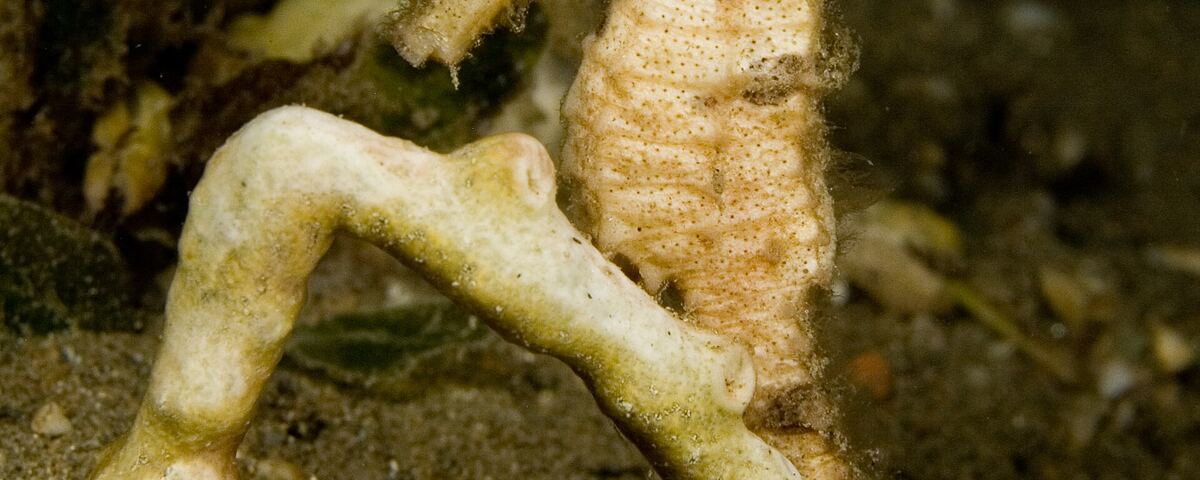
The sponge diversity at Arthur's Rock is worth noting. Multiple species in various colours and growth forms create a patchwork on the reef surface, and each sponge type hosts its own community of associated organisms. The sponges themselves are photogenic, and their role as habitat for the macro subjects means they appear in the background of nearly every critter photo from the site.
Cleaning stations where small wrasse and shrimp service larger fish provide entertaining behavioural observation. The client fish queue and adopt specific postures to signal their desire for cleaning, while the cleaners work methodically over their bodies. These interactions can be watched for extended periods without the subjects becoming disturbed.
Dive Conditions
Arthur's Rock offers consistently easy conditions. Current is mild, typically negligible. The sheltered position along the coastline provides protection from weather, making the site diveable year-round.
Visibility ranges from 8 to 18 metres, with some variation based on weather and tidal conditions. For macro photography, the working distances are so short that visibility has minimal impact on the experience.
Water temperature is 26 to 29 degrees year-round. A 3mm wetsuit is standard.
The depth profile slopes gently from 5 to 21 metres, with most diving concentrated in the 8 to 15-metre range. No-decompression limits are generous, and dive times of 60 minutes or more are standard.
Entry is by banca, with a very short transit from the resort area. The site is suitable for all certification levels, including Discover Scuba introductory dives and Open Water training.
The proximity to the resort area means the site can accommodate multiple groups simultaneously, and on busy days the reef hosts several guide-diver teams working different sections. The reef is large enough to absorb this traffic, but weekend mornings can feel crowded compared to the peaceful weekday experience. For the best conditions, dive midweek and mid-morning.
⚓ Divemaster Notes
Arthur's Rock is my check dive site. When a new group arrives in Anilao, this is where I assess their buoyancy, their awareness, and their photography discipline before committing to more challenging sites. The mild conditions mean I can focus entirely on the divers rather than managing environmental factors.
The scorpionfish are my crowd-pleasers. Nothing gets a diver's attention like pointing out a perfectly camouflaged predator they're hovering directly above. It's a good lesson in awareness and a reliable way to demonstrate why guides matter.
I maintain a mental inventory of what's where on the reef, updated with each dive. The frogfish relocate, the nudibranch species shift with the seasons, and the goby-shrimp pairs establish new burrows. The reef is dynamic, and treating it as static means missing half the show.
For photographers, I suggest spending the entire dive on a single 20-metre section of reef rather than trying to cover the whole site. The density of subjects means you can fill a memory card without moving more than a few body lengths. Rushing across the reef produces rushed photos.
Weekend crowds are real. If you're staying multiple days, schedule Arthur's Rock for a weekday morning when the Manila day-trippers haven't arrived. Tuesday and Wednesday offer the quietest conditions.
One important safety note: the proximity to the resort area doesn't mean the dive is without hazards. Boat traffic above the site is real, and surfacing away from your marker or the mooring line can put you in the path of passing bancas. I always conduct the safety stop directly at the mooring line and surface with one hand raised to signal boats.
How to Get to Arthur's Rock
Arthur's Rock is close to the Anilao resort strip, less than 10 minutes by banca. Anilao is 2.5 to 3 hours by road from Manila, with private transfers from Ninoy Aquino International Airport the standard arrangement.
Most Anilao operators include Arthur's Rock in their regular rotation. It's a reliable site for any conditions and any group composition.
Gear Recommendations
3mm wetsuit. Macro lens (60mm or 100mm equivalent) is the priority. Dual strobes with diffusers. Focus light for autofocus. Pointer or muck stick for the sandy sections. No SMB needed. No Nitrox needed at these depths.
Recommended Dive Operators
Arthur's Place Dive Resort is the namesake operation, with guides who know every crevice of their home reef. Crystal Blue Resort focuses on underwater photography support. Planet Dive Anilao offers experienced macro diving guides. Dive Solana provides good service for the near-shore sites.
Liveaboard Options
Anilao is land-based only. Resort dive operations provide all access to Arthur's Rock and other Anilao sites.
Anilao's proximity to Manila makes it the most accessible diving destination in the Philippines for international visitors. A weekend trip from Manila is practical, and many Filipino divers treat Anilao as their regular diving destination. This accessibility is both a strength (convenience) and a weakness (weekend crowds).