Dead Palm Dive Site
Anilao (Batangas), Philippines · Near Anilao
Overview
Dead Palm is one of Anilao's most reliable all-round dive sites, a reef slope named after a dead coconut palm that once marked the entry point on the shoreline above. The tree is long gone, but the name stuck, and the dive site beneath it remains a consistent producer of the macro critter encounters that make Anilao famous.
The site runs along the coastline with a gentle slope dropping from 5 to about 22 metres, with a mix of coral reef, rubble patches, and sandy substrate that creates diverse micro-habitats. This variety is what makes Dead Palm productive: nudibranchs on the coral, frogfish on the rubble, seahorses on debris, and the full Anilao macro catalogue represented across a single dive.
Dead Palm sits close to the main resort strip, making it one of the most accessible sites in Anilao. The boat ride takes less than 10 minutes from most operators, and the calm conditions mean it's diveable in almost any weather. This convenience, combined with the macro productivity, makes it a favourite for photographers who want to maximise their shooting time rather than spending it on boat transfers.
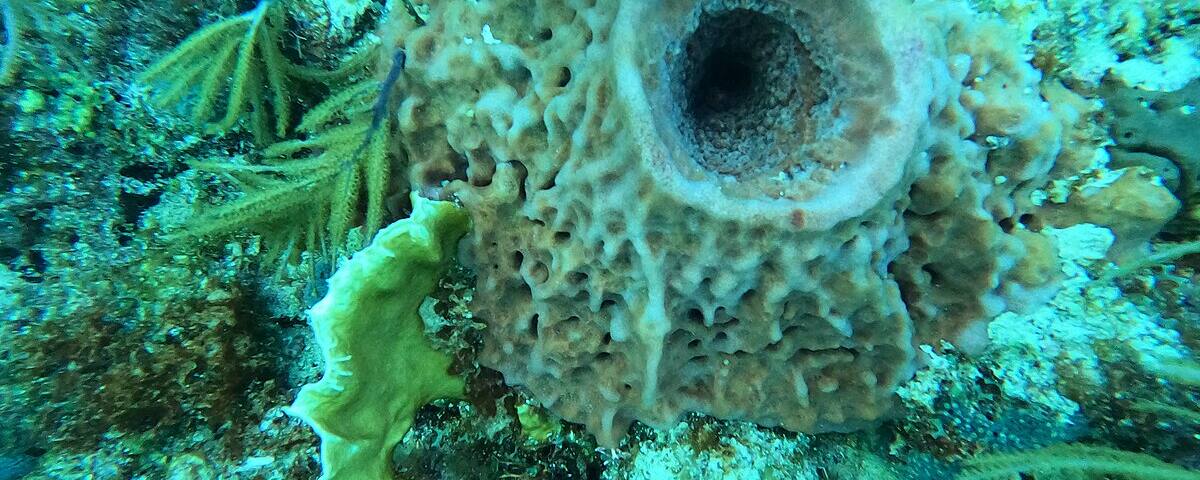
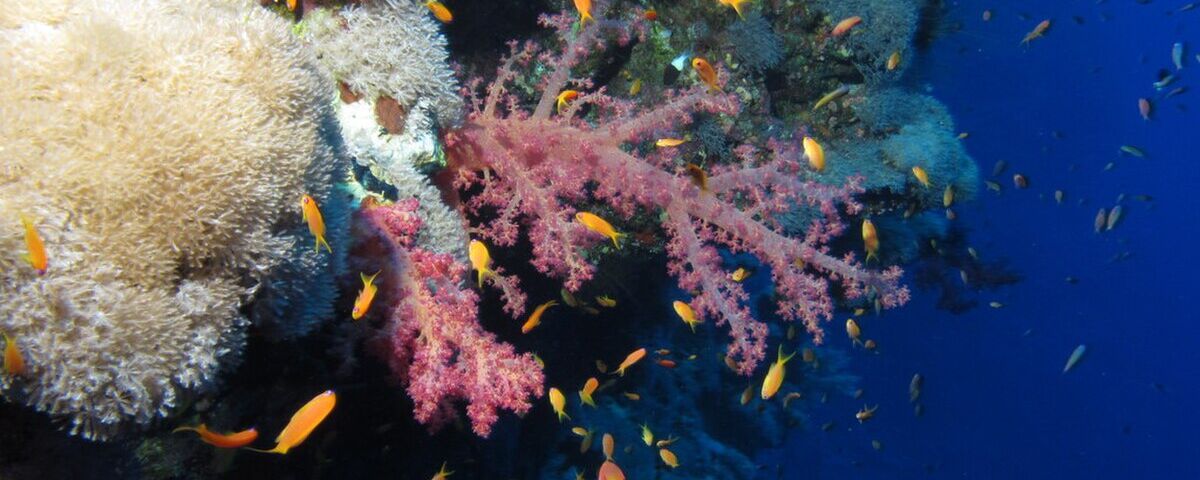
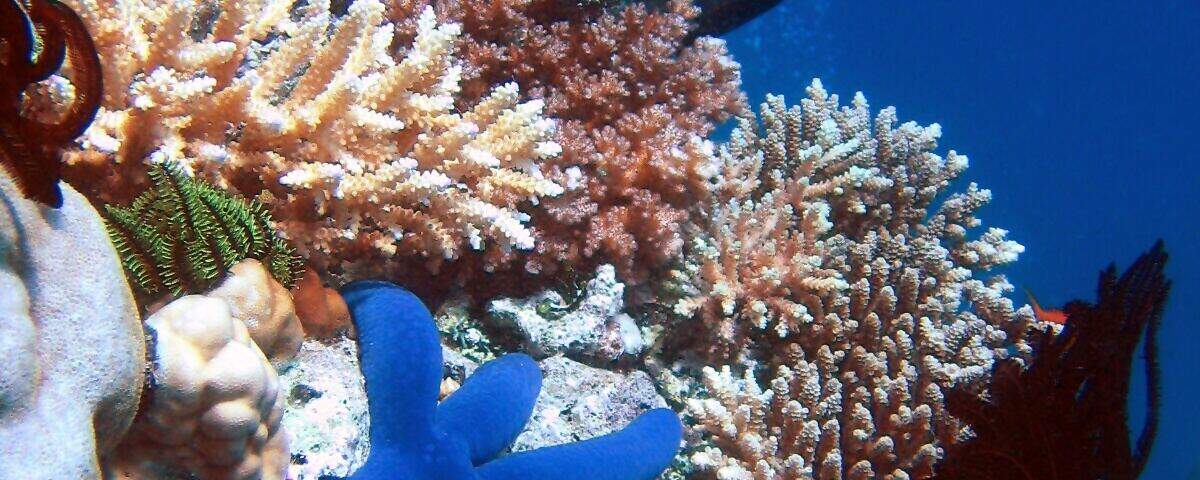
The reef community is healthy without being spectacular by coral reef standards. Hard and soft corals cover the substrate in moderate density, and the usual complement of reef fish populates the site. But that's not why people come. Dead Palm is about the small things: the nudibranch you nearly missed, the frogfish that looks exactly like the sponge it's sitting on, the ghost pipefish hanging vertically in a crinoid. This is patient, slow diving where every square metre of reef rewards careful observation.
Current is typically mild, which suits the slow, methodical diving style that macro photography demands. You can spend an entire dive covering 50 metres of reef without feeling rushed. Hour-long dives are standard, and dive centres are relaxed about extended bottom times at the shallow depths.
The limitation is excitement. Dead Palm doesn't produce the adrenaline moments that current-swept sites or pelagic encounters deliver. It's a contemplative dive site for people who find beauty in a 2-centimetre nudibranch. If that doesn't appeal, the site will feel underwhelming.
The site's name has a morbid ring, but the reef itself is anything but dead. The original palm tree reference is long forgotten by most divers, who simply know it as one of Anilao's most productive critter sites. The combination of varied substrate types (coral, rubble, sand, and debris) creates an unusual range of micro-habitats within a single dive site, which explains the macro diversity.
Night diving at Dead Palm reveals a completely different community. The critters that hide during the day emerge after dark, and the site's already impressive species list expands considerably. Several operators offer guided night dives specifically for macro photography, with guides carrying UV lights that reveal fluorescent corals and invertebrates invisible in normal light.
Marine Life at Dead Palm
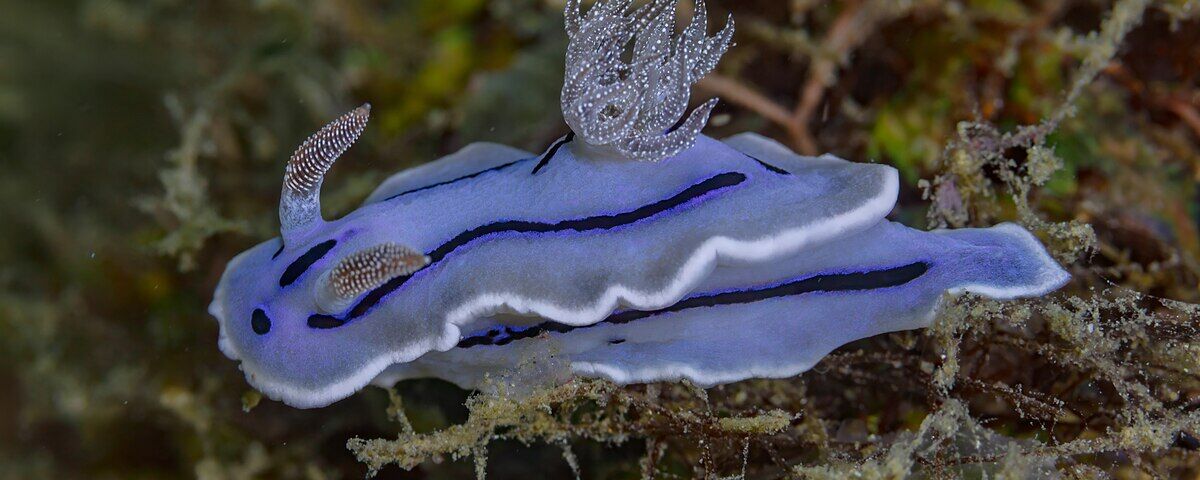
Nudibranchs in extraordinary variety are Dead Palm's primary draw. The site supports dozens of species across the chromodoris, phyllidiid, aeolid, and dorid families. Multiple colour variations appear throughout the year, and repeat visitors report different species assemblages on successive trips. The diversity here rivals dedicated nudibranch sites elsewhere in the Coral Triangle.
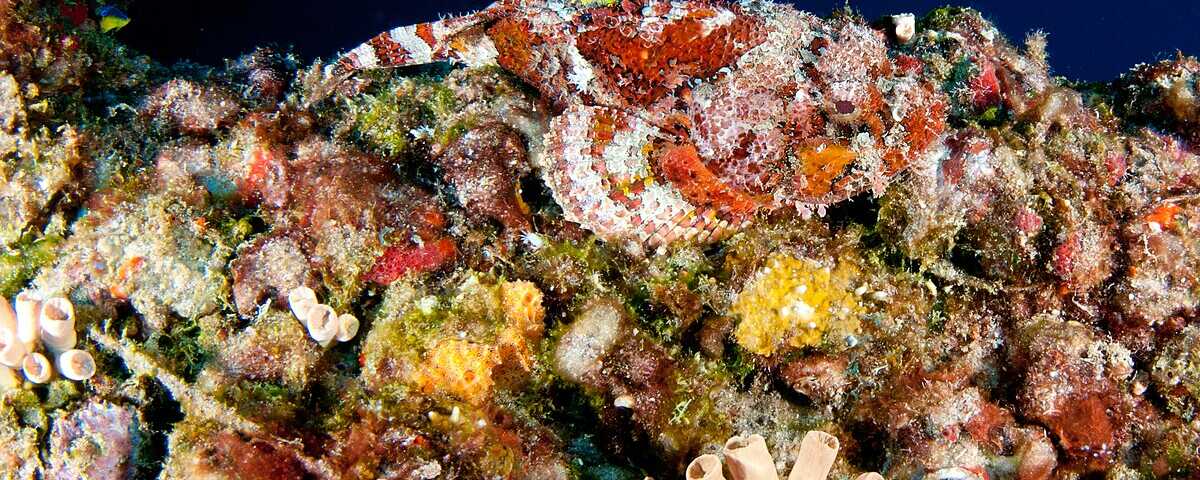
Frogfish are found on the rubble and coral sections with reasonable regularity. Painted frogfish, giant frogfish, and the occasional hairy frogfish have all been documented. Their camouflage is exceptional, and guide assistance is usually essential for locating them.
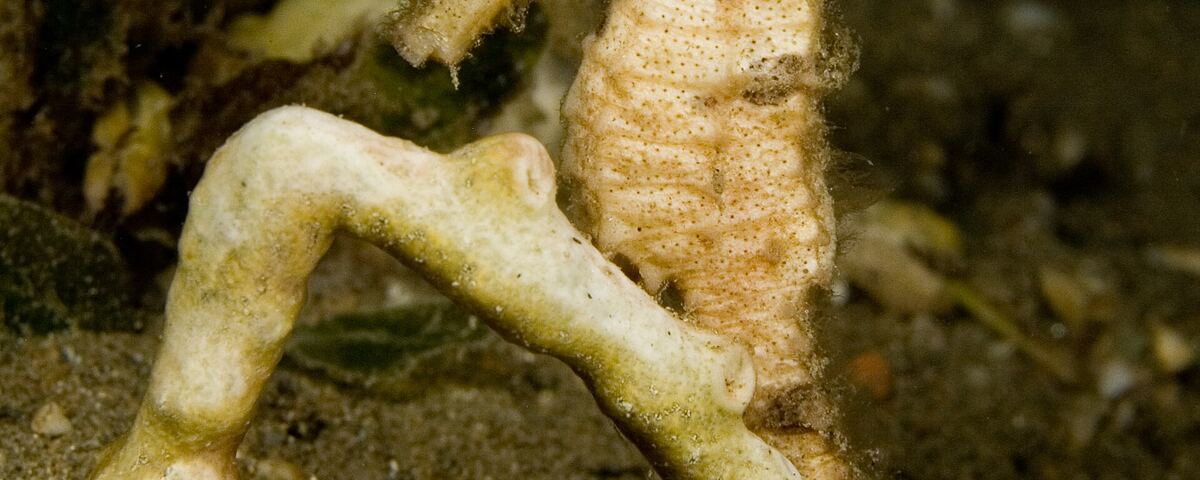
Seahorses cling to debris and sparse coral outcrops, particularly the thorny seahorse species common to Anilao. Ghost pipefish appear seasonally, with the ornate ghost pipefish being the most sought-after variety. Robust ghost pipefish are more common.
Flamboyant cuttlefish, the walking cuttlefish famous for their psychedelic colour displays, have been recorded at Dead Palm during their breeding season. Their rarity makes them a genuine highlight when they appear.
The reef fish community includes the standard tropical complement: damselfish, wrasse, butterflyfish, and anthias. Scorpionfish are common on the reef surface, and lionfish patrol the overhangs. Moray eels peer from crevices. Cleaning stations with cleaner shrimp and wrasse attract larger fish for parasite removal.
The sandy sections host gobies with their partner shrimp, the mutualistic pair that delights patient observers. Mantis shrimp occupy burrows in the rubble, their colourful eyes visible at the entrance. Flatworms in vivid patterns move across the reef surfaces, often mistaken for nudibranchs by newer divers.
Blue-ringed octopus have been documented at Dead Palm, though they're uncommon. These small, highly venomous cephalopods display their characteristic electric blue rings when disturbed, creating one of the most dramatic (and photographed) warning displays in the ocean. Your guide will know the current locations and briefed approach distances.
The site's debris items (ropes, bottles, abandoned fishing gear) host their own communities. Frogfish favour artificial substrates, and the contrast between the human debris and the marine life colonising it creates photographic compositions that tell a story about the ocean's ability to reclaim human waste.
Dive Conditions
Dead Palm offers consistently mild conditions. Current is typically negligible, making it comfortable for all levels and ideal for the stationary hovering that macro photography requires.
Visibility ranges from 8 to 18 metres, typical of Anilao's near-shore sites. The proximity to the coast means some influence from run-off, particularly during the wet season. For macro photography, the moderate visibility is largely irrelevant since working distances are measured in centimetres.
Water temperature is 26 to 29 degrees year-round. A 3mm wetsuit is standard. The shallow profile means no thermocline effects.
The gentle slope from 5 to 22 metres allows unlimited bottom time management within recreational limits. Most dives are conducted between 8 and 18 metres, where the critter density is highest. Dives of 60 to 70 minutes are common.
Entry is by banca, with a short ride from the resort area. The site is accessible year-round, with conditions rarely preventing diving.
Suitable for all certification levels. The calm conditions and shallow depth make it appropriate for beginners, while the macro richness keeps experienced divers engaged. Night dives at Dead Palm are particularly productive.
The site's proximity to the resort area means boat traffic above the dive site is regular. Surfacing should be done at the mooring line with eyes up and one hand raised. The shallow depth makes it easy to reach the surface quickly, which is both a convenience and a hazard if boats are passing overhead.
For extended macro photography sessions, communicate your air supply to your guide at regular intervals. The concentration required for critter finding can make you forget to check your gauge, and running low on air at 12 metres is embarrassing rather than dangerous, but still worth avoiding.
⚓ Divemaster Notes
Dead Palm is my critter warm-up. I bring macro photographers here on their first dive in Anilao to calibrate their expectations and test their equipment before moving to more challenging sites. The mild conditions mean they can focus entirely on their camera settings without worrying about current or depth.
The frogfish locations shift every few weeks, so I maintain a mental map that gets updated with each dive. Currently, the most reliable frogfish area is on the rubble section at about 12 metres, roughly 30 metres from the mooring line towards the south. But by the time you read this, they'll have moved.
Nudibranchs are everywhere, and the challenge isn't finding them but deciding which ones to show. I prioritise the rarer species for photographers (anything they'd struggle to find at other sites) and leave the common chromodoris for the end of the dive when air is running low.
For night dives, Dead Palm transforms. The mandarin fish display happens at certain rubble patches (not every time), flamboyant cuttlefish are more active in the darkness, and the hunting octopus that emerge after dark add genuine excitement to a site that's contemplative during the day.
Buoyancy is everything on this dive. If a photographer can't hover motionless 10 centimetres above a nudibranch without drifting into the coral, they're not ready for the serious macro subjects. I assess this at Dead Palm before committing to longer, more distant critter sites.
How to Get to Dead Palm
Dead Palm is close to the main Anilao resort area, less than 10 minutes by banca from most operators. Anilao is approximately 2.5 to 3 hours by road from Manila, with no commercial flights to Batangas.
Most Anilao operators include Dead Palm in their standard site rotation. It's often the first dive of the day, allowing photographers to warm up on the reliable critter sites before moving to more challenging conditions.
Gear Recommendations
3mm wetsuit. Macro lens (60mm or 100mm equivalent) with dual strobes and diffusers. Focus light for autofocus assistance. Pointer stick or muck stick for stabilisation on bare substrate (never on coral). No SMB needed for the shallow profile. No Nitrox needed at typical depths. Extended air supply (pony bottle or high-capacity tank) for long photo dives.
Recommended Dive Operators
Crystal Blue Resort is a dedicated underwater photography resort with guides trained in macro critter finding. Planet Dive Anilao offers strong guiding for the near-shore macro sites. Dive Solana has good guide-to-diver ratios for critter hunting. Arthur's Place Dive Resort is one of the original Anilao operations with deep local knowledge.
Liveaboard Options
Anilao is entirely land-based. No liveaboards serve the area. The resort-based dive operations along the Calumpang Peninsula provide all dive access.