Sombrero Island Dive Site
Anilao (Batangas), Philippines · Near Anilao
Overview
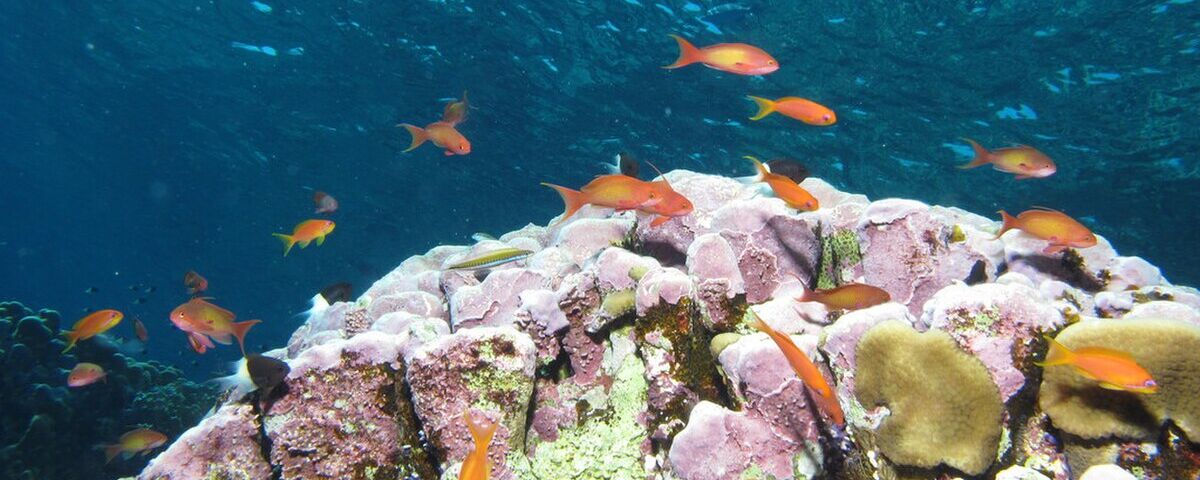
Sombrero Island is a tiny volcanic islet shaped like a hat (hence the name) sitting in the Balayan Channel about 2 kilometres off the Anilao coast. Below the waterline, the island drops into one of the most photogenic wall dives in Batangas province, with coral-covered walls falling from 5 metres to beyond 30 metres and some of the clearest water in the Anilao area.
Anilao itself is the birthplace of Philippine scuba diving, the place where the country's dive industry began in the 1960s, and Sombrero Island is one of the reasons why. The marine biodiversity around this small rock rivals sites that require far more effort and expense to reach. More than 600 species of nudibranch have been documented in the wider Anilao area, and Sombrero Island's walls host a significant proportion of them.
The wall has two distinct characters. The exposed side faces the channel and catches current, creating conditions that support dense soft coral growth, gorgonian fans, and schooling fish. The sheltered side is calmer, with better conditions for macro photography and detailed exploration of the wall's crevices and overhangs. Most dives work one side or the other depending on the current, and the boat repositions for pickup.
Sombrero Island sits in the Verde Island Passage, internationally recognised as the centre of the centre of marine shore-fish biodiversity. This isn't marketing language; it's a documented biogeographic fact. The passage between Luzon and Mindoro concentrates species from the Coral Triangle, the South China Sea, and the Pacific, creating a diversity hotspot that scientists rank as one of the most significant on earth.
The Verde Island Passage's biodiversity significance was quantified in a landmark 2005 study by Kent Carpenter and Victor Springer, which identified the passage as having the highest concentration of marine species per unit area anywhere in the world. Sombrero Island sits directly in this passage, benefiting from the species richness that has made Anilao one of the most important marine biodiversity sites in the Philippines.
Marine Life at Sombrero Island
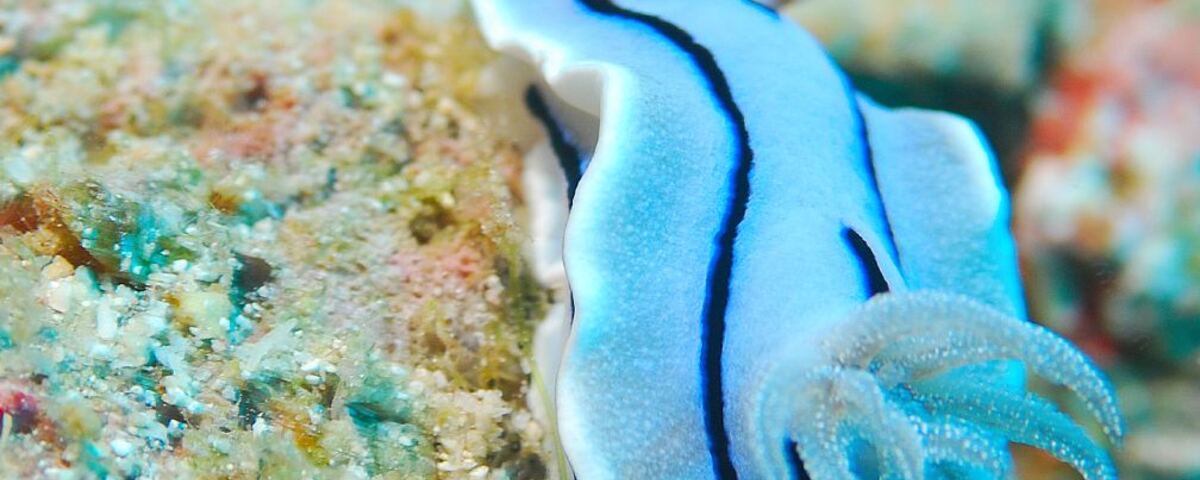
Nudibranchs are Anilao's claim to fame, and Sombrero Island delivers in quantity and variety. Multiple species of Chromodoris, Nembrotha, Phyllodesmium, and Flabellina crawl on the wall surfaces. Spanish dancers are found in the deeper sections and during night dives. Rare species that nudibranch enthusiasts travel specifically to photograph turn up here with reasonable regularity, particularly during the cooler months when species diversity peaks.
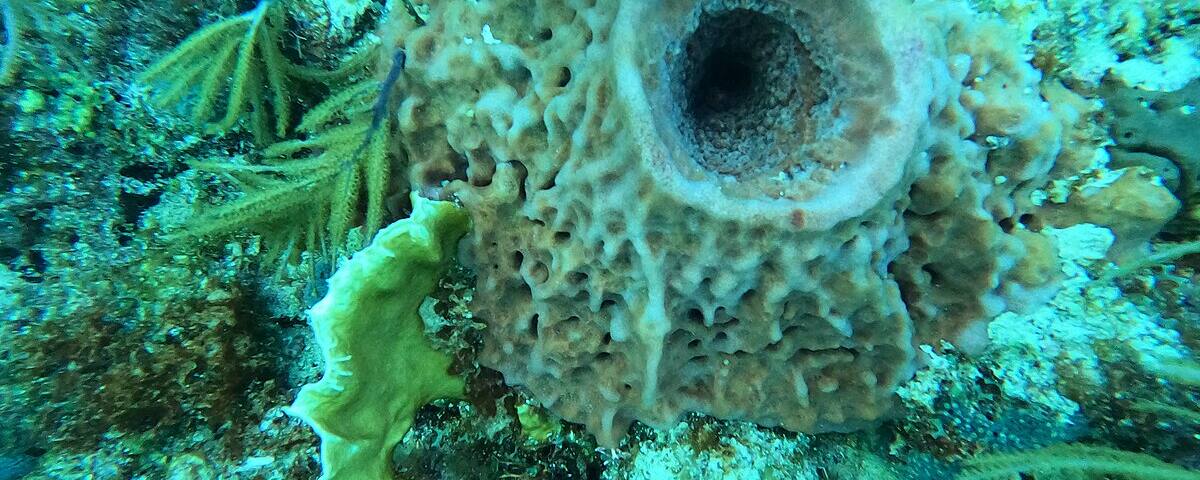
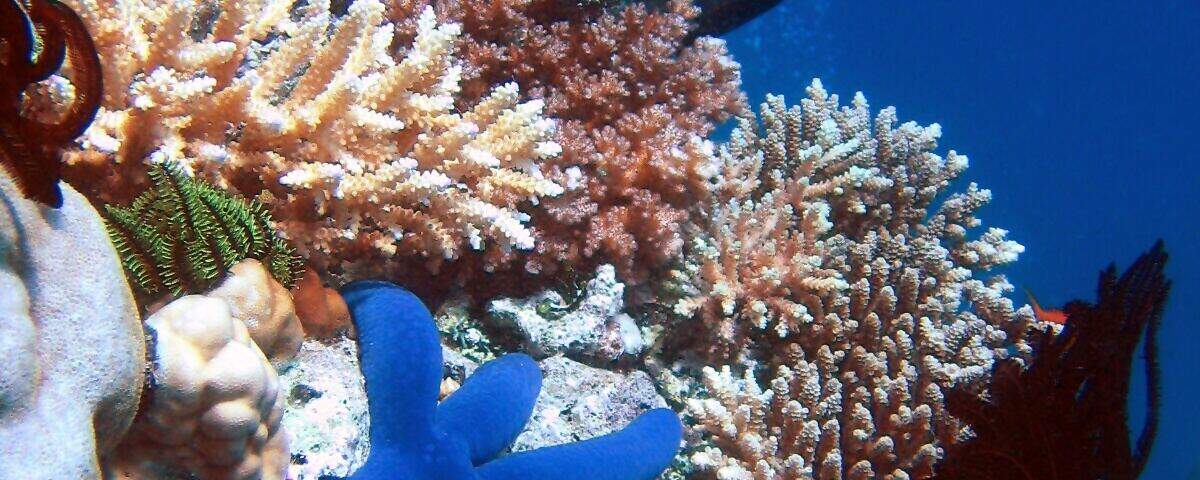
The wall's soft corals and gorgonians are impressive on the current-facing side. Sea fans spread across the wall in sizes that rival Komodo, and the fans host pygmy seahorses for divers with the patience and the guides to find them. Barrel sponges anchor on the wall at various depths.
Frogfish are a reliable Anilao specialty, found on the wall surfaces and the surrounding reef. Their camouflage is extraordinary, and finding one without a guide's help is difficult. Painted frogfish, giant frogfish, and hairy frogfish have all been documented at Sombrero Island.
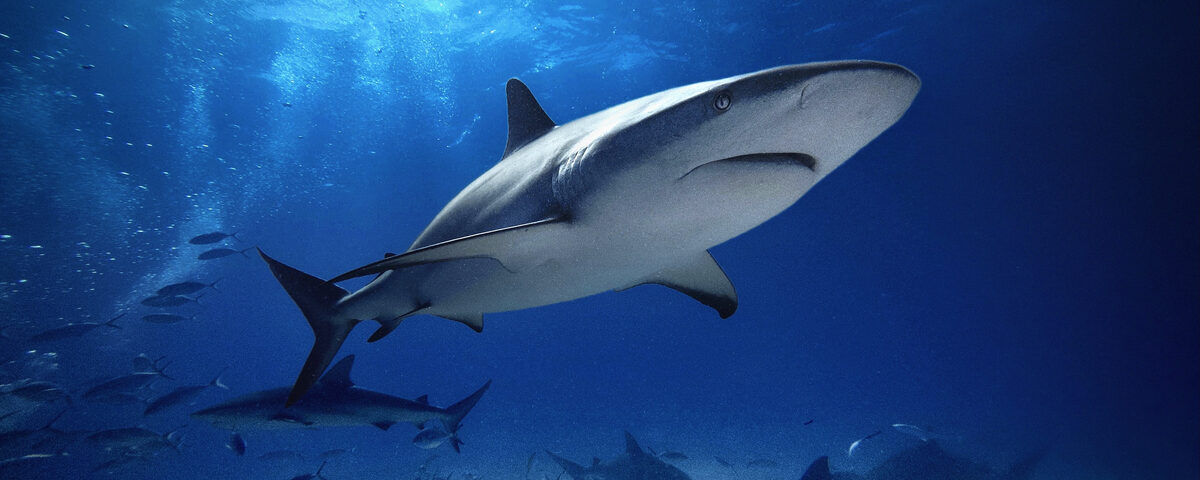
The schooling fish are concentrated on the current-facing side: fusilier, surgeonfish, and snapper stream along the wall. Turtles are occasional visitors. Reef sharks are uncommon here, making this primarily a reef and macro destination rather than a big-animal site.
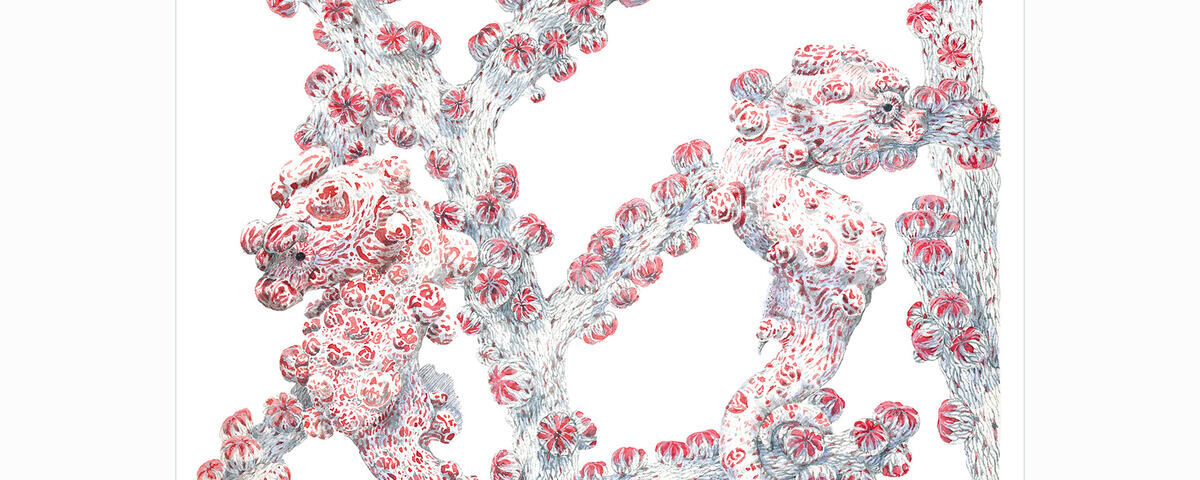
Cuttlefish and blue-ringed octopus (the latter extremely venomous; observe from a distance) are both present. Seahorses of the larger thorny species cling to debris and coral structures. Ghost pipefish appear seasonally, their bizarre camouflage making them one of the most sought-after macro subjects in Anilao.
The ghost pipefish at Sombrero Island come in several species: ornate ghost pipefish (with their elaborate camouflage), robust ghost pipefish, and the rarer halimeda ghost pipefish that mimics the green calcareous algae it hides among. Each species requires different search strategies and backgrounds. Your guide's knowledge of current ghost pipefish locations is the difference between seeing these extraordinary animals and swimming past them without a clue.
The channel side of Sombrero Island sometimes produces schools of surgeonfish in formations that can number in the hundreds. When the current is running, these schools create dramatic visual effects as they stream past the wall in organised formations, the blue and black fish catching the light against the wall's colourful backdrop.
Dive Conditions
The wall at Sombrero Island drops from 5 metres to beyond 30 metres, with most of the interesting life between 8 and 25 metres. Current is mild to moderate, typically running along the wall. Your operator will read the current direction and choose the dive plan accordingly.
Visibility is generally better at Sombrero Island than at the sheltered muck diving sites closer to the Anilao coast, typically 10 to 25 metres. The offshore position and channel location produce cleaner water. Water temperature ranges from 25 to 30 degrees, with cooler water during the dry season amihan months (December to February) when northeast monsoon winds bring cooler conditions.
Entry is by banca from the Anilao resorts, approximately 20 to 30 minutes depending on sea conditions. The channel can be rough during the amihan season, and some trips are cancelled on windy days. Check conditions with your operator before committing to a Sombrero Island dive.
The site is suitable for intermediate divers comfortable with mild current and wall diving. The wall's vertical nature means depth control is important; watch your computer and don't chase subjects deeper than your plan allows.
The channel between Sombrero Island and the mainland creates a venturi effect that can strengthen current beyond what conditions closer to shore would suggest. Your operator should brief on current conditions and may redirect to a closer, more sheltered site if the channel is running hard. Don't be disappointed; the alternative sites in Anilao are excellent in their own right.
The channel side of the island can produce upwellings that bring cold, nutrient-rich water from the depths. These upwellings are visible as temperature drops on your computer and a slight haziness in the water. The cold water brings nutrients that stimulate plankton growth, which in turn attracts filter-feeding soft corals and the fish that feed on plankton. The correlation between cold upwellings and marine life productivity is direct and visible at Sombrero Island.
⚓ Divemaster Notes
Sombrero Island is the wide-angle dive in an area dominated by macro and muck diving. The wall has enough colour and structure to justify a wide-angle lens, which makes a nice change from the dedicated macro setups most photographers bring to Anilao.
That said, bring a macro lens too if you can. The nudibranchs on the wall are excellent subjects, and the sheltered side offers calm conditions for close-up work that rival any of the muck sites.
The channel side of the island delivers better when current is running. The soft corals extend their feeding polyps, the fish schools are denser, and the overall energy of the reef is higher. On slack days, the sheltered side offers better conditions for photography and detailed observation.
Ghost pipefish season (roughly October to March) is worth timing a visit around. These bizarre, leaf-shaped fish appear on the wall's soft coral and gorgonian sections, and spotting one is considered a highlight of any Anilao dive. They're extremely well camouflaged, and you'll need a guide who knows where the current residents are located.
The boat ride to Sombrero can be rough during the northeast monsoon. If you're prone to sea sickness, take medication before the trip. I've seen divers green-faced and miserable by the time they reach the island, which ruins the dive before it starts.
I keep a nudibranch log for Sombrero Island that records species sightings by date and location on the wall. Over the years, this log has revealed seasonal patterns: some species appear consistently during the cooler months, others are year-round residents, and a few are genuinely rare sightings that occur only once or twice a year. Sharing this data with photographers helps them understand what's realistic to expect and what would be a genuine lucky find.
How to Get to Sombrero Island
Anilao is located in Batangas province on the southern coast of Luzon, approximately 2.5 to 3 hours by road from Manila's Ninoy Aquino International Airport. The drive passes through Batangas City before reaching the Anilao peninsula, where dive resorts are clustered along the coast.
Sombrero Island is about 20 to 30 minutes by banca from the Anilao resorts. All Anilao dive operators include Sombrero Island in their site rotation, typically as part of a two or three-dive day trip.
Anilao's proximity to Manila makes it the most accessible serious dive destination in the Philippines, popular for weekend trips with Manila-based divers as well as international visitors. Accommodation ranges from budget guesthouses to upmarket dive resorts.
Gear Recommendations
3mm to 5mm wetsuit (cooler water possible during amihan season). Macro lens is the priority for Anilao diving. Wide-angle useful for the wall and channel side. Torch for looking into crevices and essential for night dives. SMB for the ascent. Focus light for macro photography.
Recommended Dive Operators
Crystal Blue Resort is one of Anilao's most established operations, with experienced guides specialising in macro and nudibranch identification. Aiyanar Beach and Dive Resort runs reliable trips with knowledgeable staff. Buceo Anilao Dive Resort offers comprehensive dive packages. Planet Dive Anilao combines resort accommodation with excellent dive operations. For macro photography, Anilao Photo Hotel is specifically designed for underwater photographers with dedicated camera facilities.
Liveaboard Options
Anilao is a day-trip destination accessed from shore-based resorts. Liveaboard operations are not part of the Anilao diving infrastructure. The resort-based format with banca boats is the standard.