Twin Rocks Dive Site
Anilao (Batangas), Philippines · Near Anilao
Overview
Twin Rocks is Anilao's gentle workhorse, a site that every resort uses and every photographer returns to because the critter density per square metre is absurd. Two rock formations break the surface just off the coast, and the reef surrounding them supports a macro ecosystem so concentrated that moving five metres between subjects feels like travelling too far.
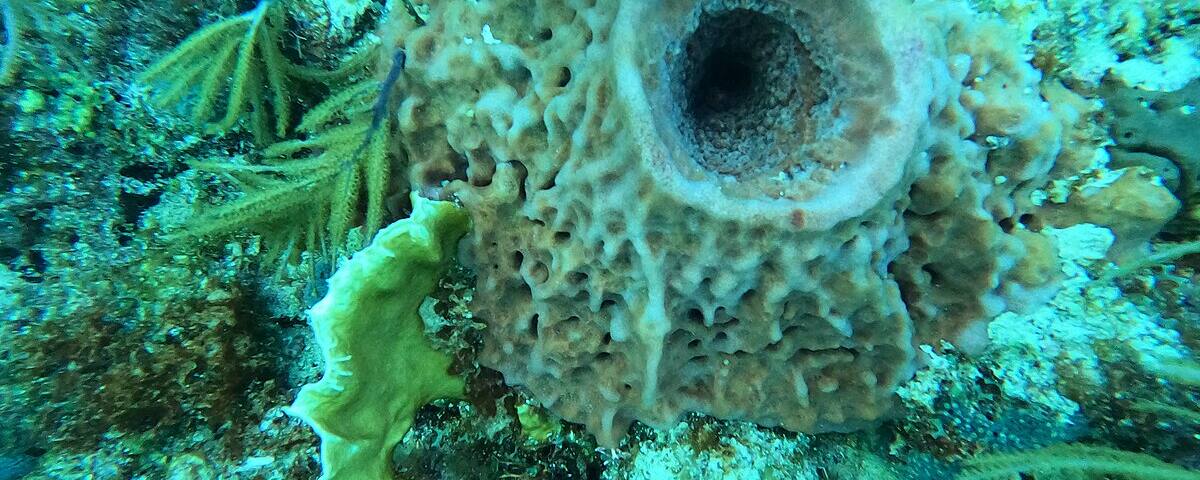
The site sits in sheltered water close to the main Anilao resort strip, which means calm conditions, easy boat access (10 to 15 minutes), and the kind of relaxed diving that lets you focus entirely on finding small things. The reef slopes from 5 metres around the rocks to about 24 metres at the sand edge, with coral rubble, sponges, and anemones covering the substrate in a patchwork that provides habitat for an extraordinary variety of macro subjects.
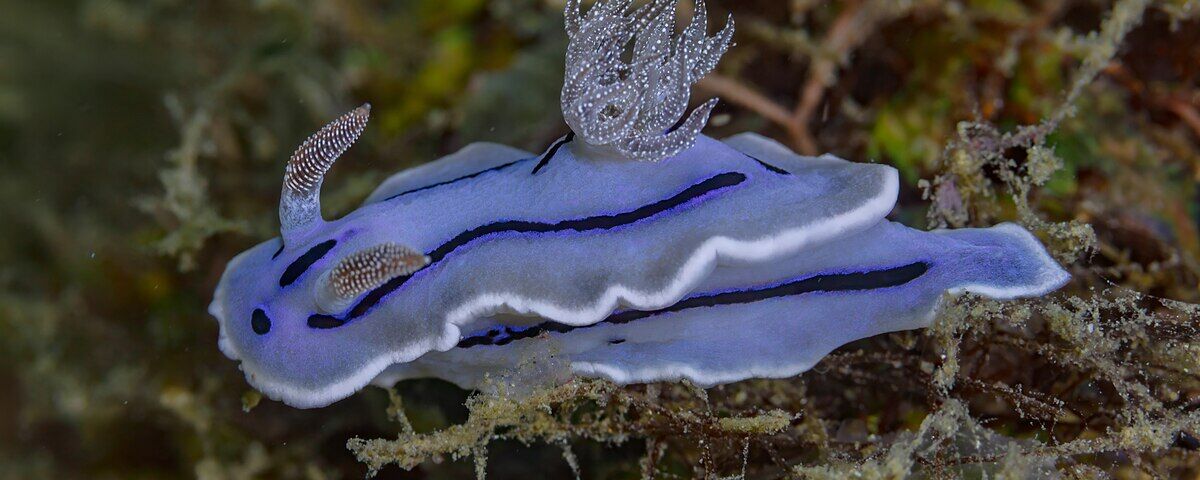
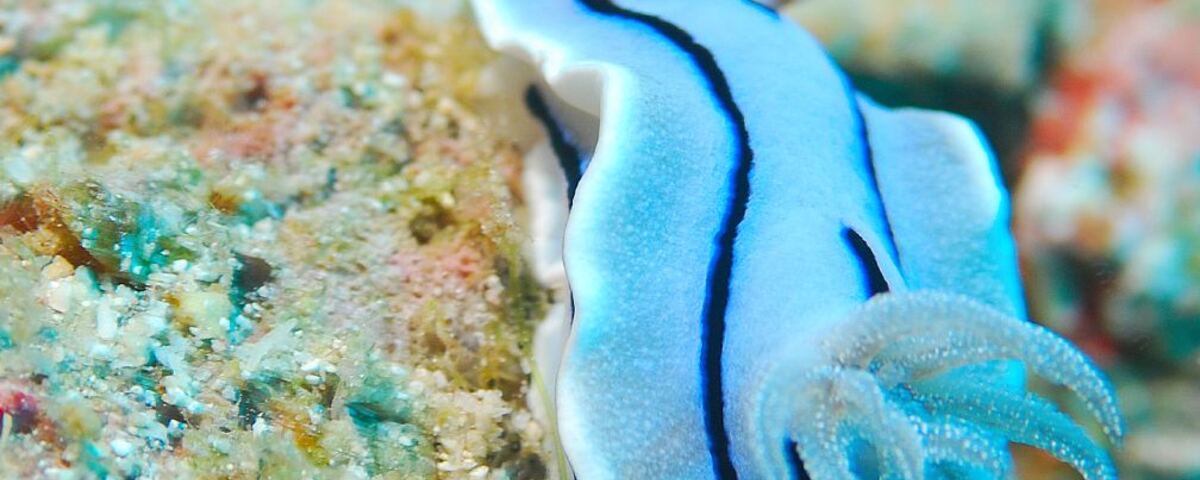
Twin Rocks is where Anilao earns its title as the nudibranch capital of the Philippines. Species counts on a single dive regularly exceed 20, and dedicated nudibranch hunters have documented over 100 species at this site alone. The combination of varied substrate (hard coral, soft coral, sponge, rubble, sand) creates micro-habitats for nudibranch species with different preferences, concentrating diversity in a small area.
Beyond the nudibranchs, Twin Rocks delivers frogfish with reliable consistency. Multiple species and colour variants are typically present, and the resident frogfish stay in their chosen spots for days or weeks at a time, allowing guides to maintain an up-to-date map of current locations. Hairy frogfish, painted frogfish, and the occasional clown frogfish are all documented here.
The site works for all certification levels, with the mild conditions and shallow depth profile removing most technical demands. The main skill required is precise buoyancy control to hover close to subjects without disturbing the substrate. For underwater photographers, particularly macro shooters, Twin Rocks is the kind of site you could dive twice daily for a week without running out of material.
The site's proximity to other Anilao macro sites allows for efficient multi-site days. A morning dive at Twin Rocks followed by an afternoon dive at Kirby's Rock or Secret Bay gives photographers two distinct critter environments in a single day, each with its own species specialities and photographic challenges.
Marine Life at Twin Rocks
Nudibranchs are the primary attraction, with species diversity that attracts dedicated nudibranch enthusiasts from around the world. Common species include multiple Chromodoris, Nembrotha, Glossodoris, and Phyllidiidae. Rarer finds include Halgerda, Jorunna, and the iconic Pikachu nudibranch (Thecacera pacifica). Your guide will know the day's highlights and lead you to the freshest finds.
Frogfish are reliably present, typically 2 to 5 individuals on the reef at any given time. Hairy frogfish (Antennarius striatus) in colours ranging from black to bright orange, painted frogfish (Antennarius pictus), and warty frogfish inhabit the sponge-covered sections. They sit motionless, waggling their illicium (fishing rod lure) to attract prey, and their camouflage is good enough that you need a guide's sharp eyes to find them.
Seahorses are present in the deeper sections, with thorny seahorses (Hippocampus histrix) and common seahorses (Hippocampus kuda) both documented. They cling to coral, sponge, and debris, their tails wrapped around a support structure while they sway gently in any mild current.
Flamboyant cuttlefish are an occasional highlight, walking across the sand in the deeper sections with their psychedelic colour display. Ghost pipefish (ornate and robust varieties) hover near sea whips and soft coral, their leaf-like camouflage effective until your guide points directly at them.
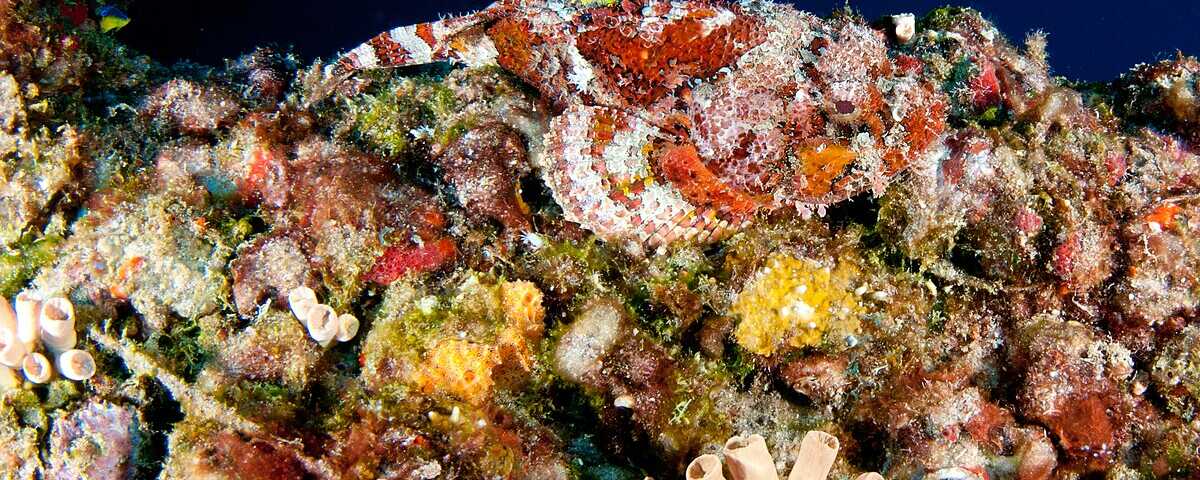
The reef also supports clownfish in multiple anemone species, blue-ringed octopus (keep a respectful distance), mantis shrimp, commensal shrimp (Coleman shrimp, emperor shrimp, harlequin shrimp on rare occasions), and a full complement of reef fish that provide background activity to the macro hunting. Scorpionfish and stonefish camouflage themselves on the rubble, reinforcing the importance of looking carefully at every surface.
Worm species at Twin Rocks are unexpectedly photogenic. Christmas tree worms in vivid colours spiral from coral surfaces, retracting instantly when disturbed by water movement. Feather duster worms extend their delicate feeding structures from tubes cemented to the reef. These invertebrates provide foreground subjects for macro photographers working the reef surface between the headline critter finds.
Dive Conditions
Twin Rocks sits in sheltered water close to shore, making it one of the calmest dive sites in Anilao. Current is typically mild, rarely more than a gentle drift that doesn't affect diving comfort. The two rock formations break any surface chop, and the surrounding reef provides a protected environment.
Visibility ranges from 8 to 20 metres, influenced by run-off, plankton density, and tidal conditions. For macro diving, visibility is largely irrelevant since your working distance is centimetres. The darker, moodier conditions on lower-visibility days can actually improve macro photography by eliminating distracting background elements.
Water temperature is 25 to 29 degrees, comfortable in a 3mm wetsuit. The shallow depth profile (most diving between 8 and 18 metres) allows long dives of 60 to 80 minutes, limited by air consumption rather than decompression.
The substrate is mixed coral rubble, sand, and sponge, which requires careful buoyancy to avoid disturbing. Fin kicks that stir up sediment ruin visibility for everyone behind you and can dislodge or stress the small critters you're here to observe. Frog kick technique and precise hovering are essential skills for getting the most from this site.
The site is suitable for all certification levels. Beginners may need a briefing on hovering technique and environmental awareness, but the absence of current, depth, and navigational challenges makes Twin Rocks a safe and rewarding dive for any qualified diver.
⚓ Divemaster Notes
Twin Rocks is the site I could dive every day and still find something new. The critter turnover means the subject list changes weekly, and my pre-dive briefing is based on what the other guides and I found yesterday, not a fixed species list.
I maintain a mental map of current frogfish positions and check them at the start of each dive. They're territorial and sedentary, so once found, a frogfish typically stays on the same sponge for days. When one moves, I update the map. This guide network is how we find things that visiting photographers couldn't locate on their own.
For photographers, I recommend planning your lens before the dive. If you're shooting nudibranchs, bring the 100mm equivalent. If you're after frogfish, the 60mm gives more flexibility. Trying to shoot both with the wrong focal length produces mediocre results on both. Plan the dive, dive the plan.
The deeper sand areas (18 to 24 metres) are where the flamboyant cuttlefish and seahorses tend to appear, so factor depth into your air management. I typically start deep, search the sand edge for the headline critters, then work upward through the nudibranch-rich coral rubble zone and finish in the shallows.
Blue-ringed octopus are present and should be treated with respect. They're one of the most venomous animals in the ocean. Don't touch them, don't crowd them, and definitely don't try to make them display their rings for a photograph. Observe from a comfortable distance and move on.
One thing I always emphasise in the pre-dive briefing: the blue-ringed octopus. They are present at Twin Rocks and can be encountered unexpectedly. Their bite is potentially fatal and there is no antivenom. The good news is that they are not aggressive. If you see one, maintain a respectful distance of at least 30 centimetres, observe briefly, and move on. Never attempt to handle one. I've had guests try to pick them up for a photograph, and those guests don't dive with me again.
How to Get to Twin Rocks
Twin Rocks is close to shore in the main Anilao diving area, about 10 to 15 minutes by dive boat from most resorts. Anilao is roughly 2.5 to 3 hours by road from Manila, making it the closest quality dive destination to the Philippine capital.
Most visitors stay at one of the many resorts lining the Anilao coast, which offer boat diving to Twin Rocks and the other local sites as part of their dive packages. Airport transfers from Manila can be arranged through the resort.
Manila's international airport (NAIA) handles flights from most Asian and major global hubs. The drive south through Batangas province is straightforward, though traffic leaving Manila can add time.
Gear Recommendations
3mm wetsuit. Macro lens is essential: 100mm equivalent for nudibranchs, 60mm for frogfish and wider macro subjects. Dual macro strobes with adjustable power. Focus light for finding critters and assisting autofocus. Pointer stick for stabilisation on the substrate (two-finger technique). No reef hook or current gear needed.
Recommended Dive Operators
Crystal Blue Resort consistently produces strong macro photography results at Twin Rocks with guides who maintain current critter maps. Aiyanar Beach and Dive Resort offers excellent guide service with small group ratios. Buceo Anilao caters specifically to underwater photographers and provides dive guides trained in critter spotting. Club Ocellaris specialises in macro diving and offers dedicated nudibranch and critter safaris.
Liveaboard Options
Anilao is a shore-based diving destination. There are no dedicated liveaboard operations. Divers stay at coastal resorts and access Twin Rocks and other sites by day-trip boat diving. This model works well for the short distances involved and allows unlimited shore diving at resort house reefs between boat dives.