Pescador Cathedral Cave Dive Site
Moalboal (Cebu), Philippines · Near Moalboal
Overview
Pescador Cathedral Cave is arguably the most photographed underwater feature in the Philippines, a natural chimney system on Pescador Island's western face where the experience of ascending through a vertical passage with blue light streaming from above stays with you long after the dive.
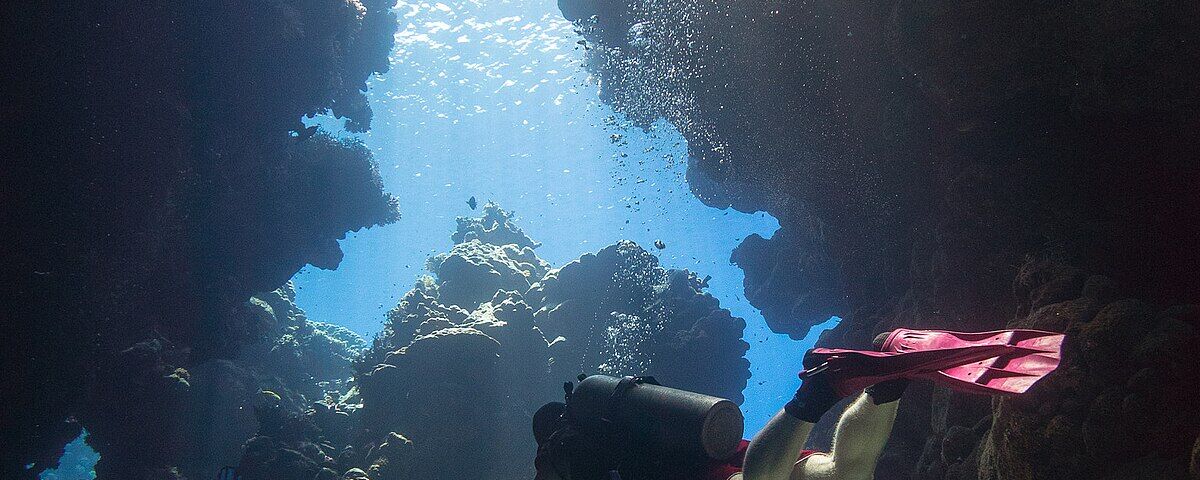
The Cathedral entrance sits at approximately 28 to 30 metres on the island's wall, a wide opening in the rock face that leads into a chamber spacious enough for a small group of divers. From the chamber, a vertical chimney rises to approximately 16 metres, opening at the top to the reef above. Light from the surface pours down through this chimney, creating the blue shaft effect that gives the Cathedral its name.
The classic dive involves descending the wall to the Cathedral entrance, entering the chamber, and ascending through the chimney. At the top, you emerge onto the reef where the rest of the dive continues along Pescador Island's excellent wall. The whole Cathedral experience takes perhaps 10 to 15 minutes of the dive, but it's the 10 to 15 minutes everyone remembers.
The photography inside the Cathedral is the reason it's famous. Looking up through the chimney from the chamber floor, the circular opening above frames a column of blue light that creates an ethereal, almost spiritual atmosphere. Divers ascending through the chimney become silhouettes against the light, producing images that are dramatic in the way that only natural underwater architecture can achieve.
Advanced Open Water certification is the minimum requirement, and rightly so. The entry is at 28 to 30 metres, which means limited bottom time and careful air management. The cave system is technically an overhead environment, though the chimney provides a clear upward exit. The chamber is large enough to avoid claustrophobia for most divers, but it is enclosed rock.
The limitation is depth. At 28 to 30 metres, you're burning through no-decompression time rapidly, and the approach swim along the wall eats into your available minutes. The Cathedral visit itself needs to be efficient, which conflicts with the natural desire to hover in the chamber and absorb the atmosphere. Nitrox helps substantially.
Marine Life at Pescador Cathedral Cave
The Cathedral's visual centrepiece is the light shaft. Blue light descends through the vertical chimney from the reef above, creating a column of illumination in the otherwise dark chamber. The light quality varies with surface conditions: clear skies produce intense, focused beams, while cloudy days diffuse the light into a softer glow. Both are photogenic, but the focused beam is the classic image.
Inside the cave system, the rock surfaces are encrusted with sponges and soft corals adapted to the low-light environment. The lack of direct sunlight means the community is dominated by filter feeders rather than photosynthetic corals: sponges, tunicates, and soft corals in shades of red, orange, and yellow.
Small fish shelter inside the chamber. Soldierfish and squirrelfish are common, their red colouration vivid under torchlight. The chamber walls host shrimp and small crabs. The chimney itself is relatively bare, with smooth rock walls that concentrate the visual attention on the light above.
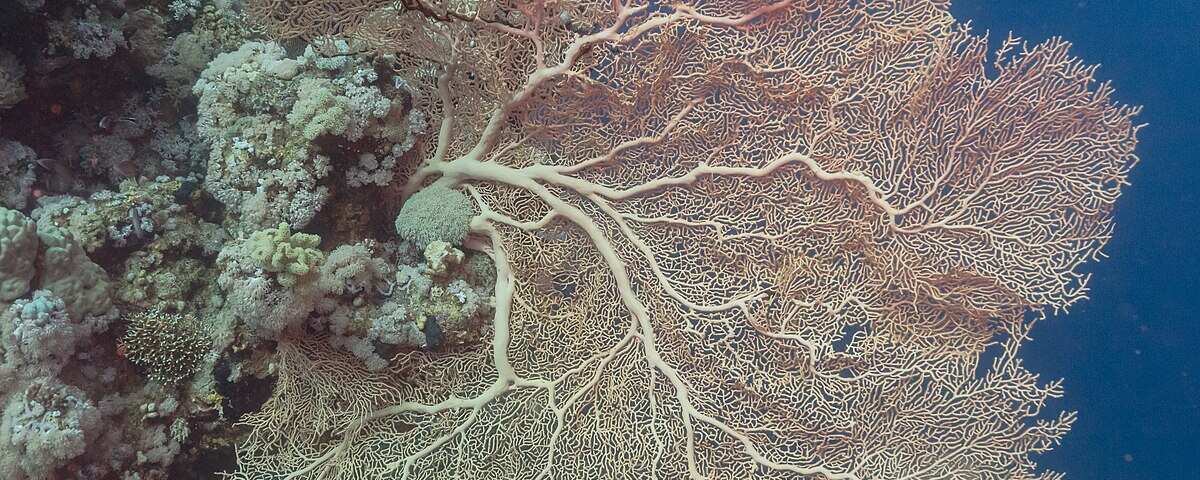
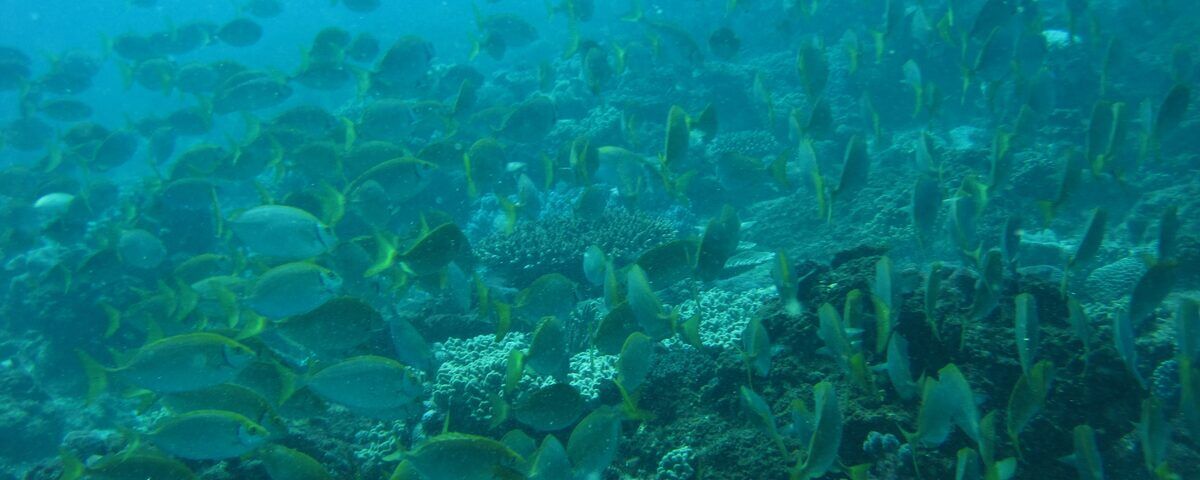
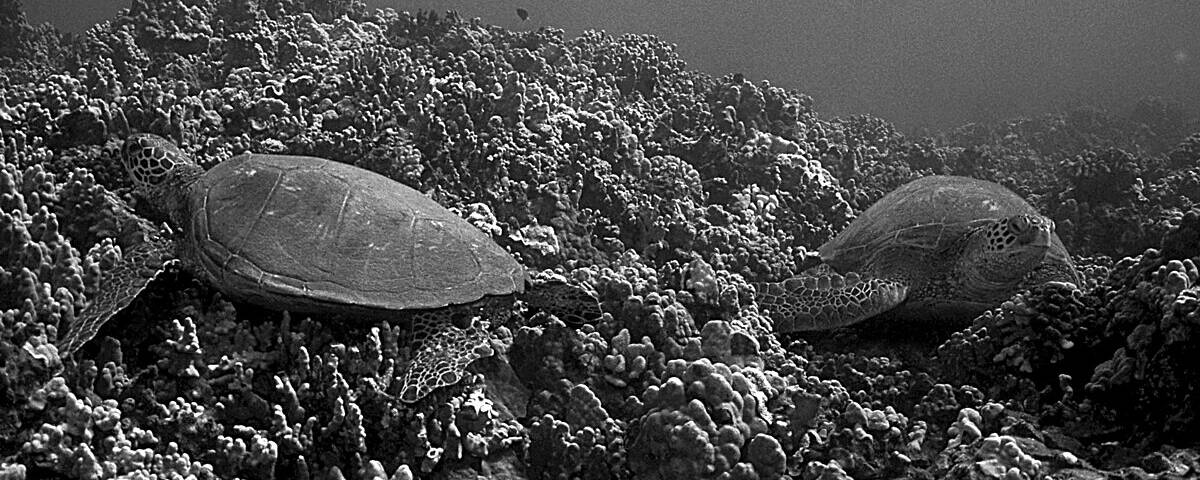
The wall surrounding the Cathedral entrance is classic Pescador Island territory: dense coral coverage, gorgonian fans, and the marine life that makes the island a Moalboal highlight. Reef sharks patrol the deeper wall sections, schools of fusilier and surgeonfish stream along the wall face, and turtles are common throughout.
After exiting the chimney onto the reef top, the dive continues along the island's wall in shallower water. This section hosts anemonefish, nudibranchs, and the coral diversity that Pescador is known for. The transition from the dramatic Cathedral to the sunlit reef provides a satisfying contrast that makes the dive feel complete.
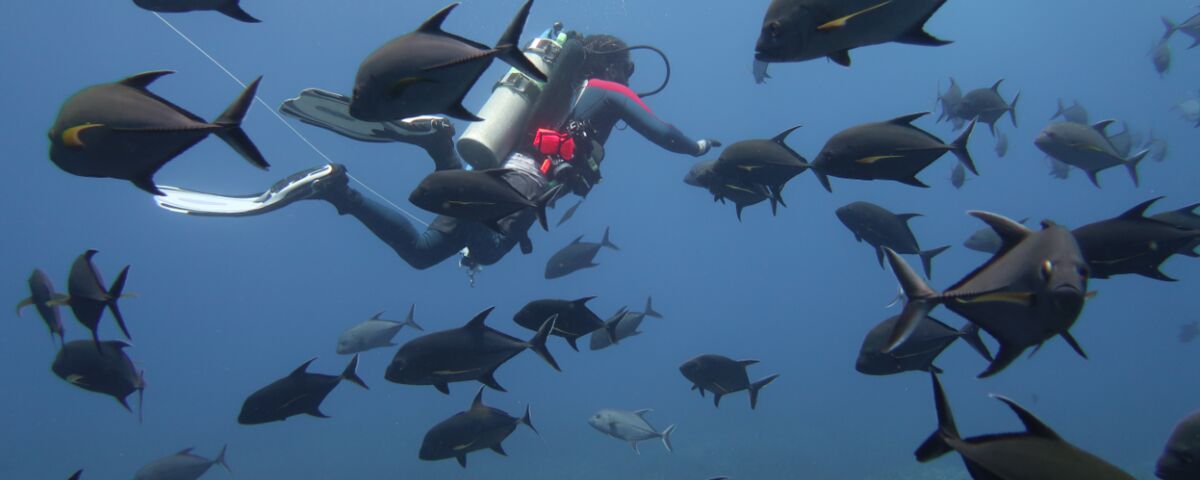
On rare occasions, divers encounter pelagic visitors while on the Cathedral approach. Thresher sharks have been sighted on the deep wall sections of Pescador, though this is not the primary reason to dive the site. Barracuda schools are more common, typically hanging in the blue water off the wall edge.
Dive Conditions
The Cathedral Cave sits on Pescador Island's western wall, which receives mild to moderate current depending on tidal conditions. The approach to the cave entrance involves swimming along the wall at 28 to 30 metres, which means current management at depth.
Visibility is typically excellent at 15 to 40 metres, with Pescador's exposed position in clean water providing some of the best clarity in the Moalboal area. Clear visibility makes the Cathedral's light shaft more dramatic and the approach swim more enjoyable.
Water temperature is 26 to 29 degrees year-round. A 3mm wetsuit is standard. At 28 to 30 metres, the temperature can drop slightly, though not enough to require additional thermal protection.
The depth profile starts with a descent to the Cathedral entrance (28 to 30 metres), the cave and chimney ascent (30 to 16 metres), and then wall diving in the 10 to 20-metre range. This profile is manageable but demands awareness: the deep start eats into no-decompression time, and lingering in the chamber longer than planned can create decompression obligations.
Nitrox is strongly recommended. On EAN32, the no-decompression limit at 28 metres extends from about 20 minutes (on air) to approximately 30 minutes, which provides a much more comfortable margin for the Cathedral visit and subsequent wall dive.
The cave system has a clear overhead environment, but it's not a technical cave dive. There is always visible natural light from the chimney opening above. The chamber is spacious enough for 4 to 6 divers simultaneously. However, silt can be stirred from the chamber floor, so buoyancy control is important.
Advanced Open Water certification is required by all reputable Moalboal operators. Some also require evidence of deep dive experience. This is appropriate given the depth and overhead environment.
⚓ Divemaster Notes
The Cathedral is the highlight dive I save for the best conditions. I don't take groups down there in poor visibility (below 15 metres), because the light shaft effect that makes the whole experience depends on clarity. On a clear day with direct sunlight, the Cathedral is world-class. On a murky, overcast day, it's just a dark hole in the rock.
I brief the dive in two phases: the deep approach and the Cathedral itself. The approach swim along the wall at 28 metres should take no more than 3 to 4 minutes. Anything longer means the current is wrong and we're working too hard. In that case, I abort the Cathedral attempt and convert to a standard wall dive at a sensible depth.
Inside the chamber, I position photographers first, then bring the remaining divers in. The classic shot is looking up the chimney with a diver ascending through the light shaft. I volunteer as the ascending diver for camera groups, letting them compose from below while I provide the silhouette.
Air management is non-negotiable. I check everyone's gauges before entering the chamber, and anyone below 120 bar goes straight up the chimney. No exceptions. The chamber is not the place to discover you're low on air.
After the Cathedral, I run the group along the wall at 12 to 15 metres for the remaining air. This shallower section is where the turtle encounters happen, and it provides a nice decompression-friendly finish to what was a relatively deep dive.
How to Get to Pescador Cathedral Cave
Pescador Island sits about 2 kilometres offshore from Panagsama Beach in Moalboal, a 10 to 15-minute banca ride. Moalboal is on the southwestern coast of Cebu Island, approximately 3 hours by road from Cebu City. Most visitors fly into Cebu-Mactan International Airport and arrange private transfers or take a bus.
The Cathedral dive is scheduled as a separate dive from the standard Pescador Island wall dive, as the depth profile differs significantly. Operators run dedicated Cathedral trips, typically as a morning dive when the light angle produces the best illumination through the chimney.
Moalboal's dive centre concentration along Panagsama Beach means fierce competition, which benefits divers through competitive pricing and high service standards. Most centres offer multi-dive packages that bring the per-dive cost down significantly. Accommodation ranges from budget rooms above the dive centres to comfortable beachfront hotels.
The Cathedral dive commands no special premium at most operators, though some charge extra for the dedicated trip (as opposed to including it as part of a standard Pescador Island dive).
Gear Recommendations
3mm wetsuit. Powerful torch for the approach and chamber interior. Wide-angle lens (fisheye ideal) for the chimney light shaft and chamber compositions. Dual strobes for the dark interior. SMB for safety stops after the wall dive. Nitrox strongly recommended (EAN32). Dive computer with audible depth alarms.
Recommended Dive Operators
Savedra Dive Center is the oldest and most experienced operation in Moalboal, with guides who have logged thousands of Cathedral dives. Neptune Diving Adventure provides thorough briefings for the cave approach. Cebu Fun Divers offers good small-group experiences. Blue Orchid Resort operates from Panagsama Beach with convenient access to Pescador.
Liveaboard Options
Moalboal is exclusively a land-based diving destination. Pescador Island and the Cathedral Cave are accessed via day boats from Panagsama Beach. No liveaboards operate from Moalboal specifically, though the Philippine Siren and similar Visayan itineraries may include a Moalboal section with Pescador as a highlight.