White Beach Dive Site
Moalboal (Cebu), Philippines · Near Moalboal
Overview
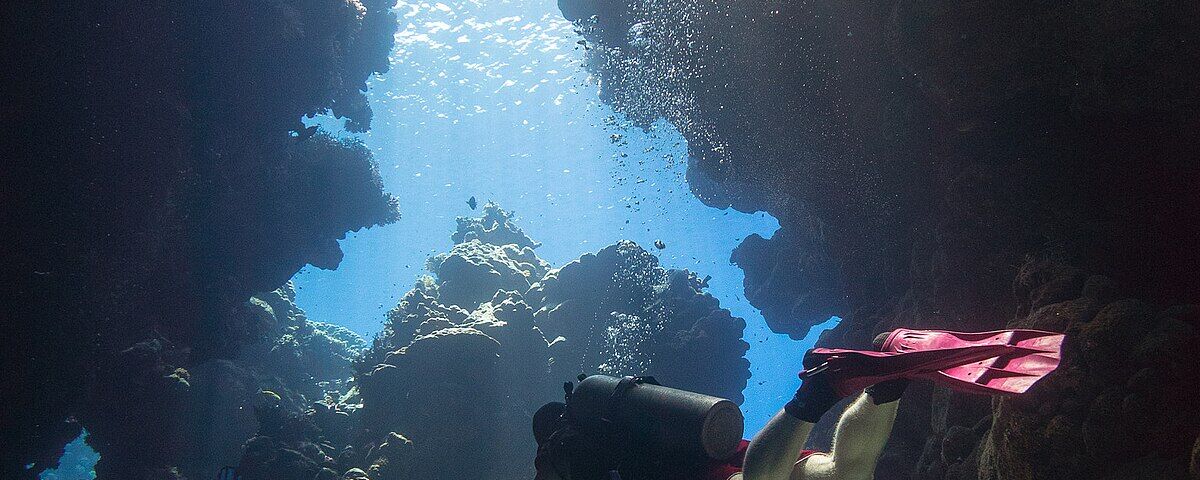
White Beach in Moalboal sits south of the famous Panagsama sardine run area, and it offers something the sardine wall doesn't: a sandy slope that hosts a deliberately sunken Cessna aircraft alongside a gentle reef that works for beginners while still holding interest for experienced divers. The beach itself is Moalboal's prettier swimming beach (Panagsama is functional, not photogenic), and the dive site extends from the shore.
The dive starts over a sandy slope that descends gradually from 5 metres to about 20 metres, where a small Cessna aircraft was deliberately sunk to create an artificial reef. The plane sits at roughly 18 to 20 metres, intact enough to recognise as an aircraft and covered in coral growth that's been accumulating since it was placed. It's not a dramatic wreck dive, but swimming up to a plane on the seabed is a reliable crowd-pleaser.
Beyond the plane, the reef picks up with a wall section that drops away to deeper water. The wall has decent coral coverage and the standard Moalboal complement of reef fish. Turtles are regular visitors (they're common throughout the Moalboal coastline), and the sandy slope hosts garden eels, flounders, and the occasional ray.
White Beach functions as Moalboal's introductory dive site. The mild conditions, shore access option, and gentle depth profile make it suitable for Discover Scuba programmes, Open Water training dives, and newly certified divers gaining confidence. The sunken plane gives the dive a narrative focus that keeps beginners engaged.
For experienced divers, White Beach is a warm-up or cooldown dive rather than a destination in itself. The marine life is healthy but not exceptional by Moalboal standards. The real value is as a complement to the more demanding dives: the sardine run, Pescador Island, Sunken Island. After a deep Cathedral Cave dive in the morning, an afternoon at White Beach provides a gentle, enjoyable contrast.
The beach has a few restaurants and bars that make for pleasant surface intervals. The social atmosphere is more relaxed than Panagsama, and the swimming beach gives non-diving companions something to enjoy while divers are underwater.
The sandy slope is also home to an artificial reef project, with concrete structures placed to encourage coral colonisation. These structures have had mixed success, with some now hosting healthy coral growth and others remaining relatively bare. They add additional points of interest along the dive, creating small oases of reef life on the otherwise sandy substrate.
Visibility at White Beach varies more than at Pescador Island or along the Panagsama wall, as the sandy bottom is easily stirred by weather and diver activity. The best clarity comes during calm periods when the sediment has settled, typically in the morning before the afternoon winds pick up.
Marine Life at White Beach
The sunken Cessna at 18 to 20 metres is the centrepiece. Coral growth has softened the aircraft's lines, and small fish shelter in and around the fuselage. The propeller, wings, and cockpit are still recognisable, and the plane makes for a reliable photographic subject. It's not a dramatic wreck, but the novelty of an aircraft on the seabed consistently entertains.
The sandy slope hosts garden eels in colonies, their thin bodies swaying from burrows in the sand. Blue-spotted stingrays rest in the open, and the occasional flatfish lies camouflaged against the substrate. The sand and rubble transition zone between the beach and the reef wall is productive for macro subjects.
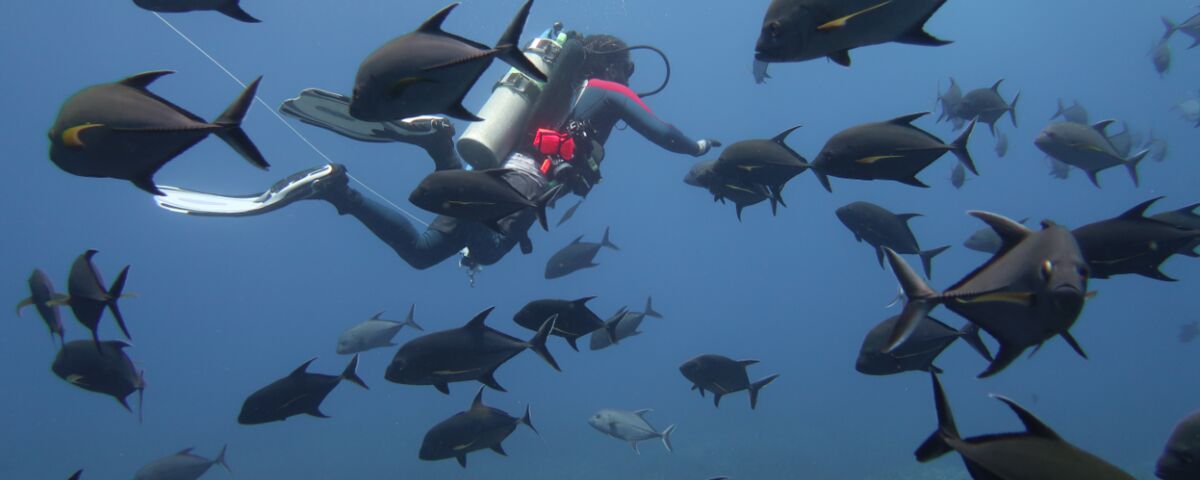
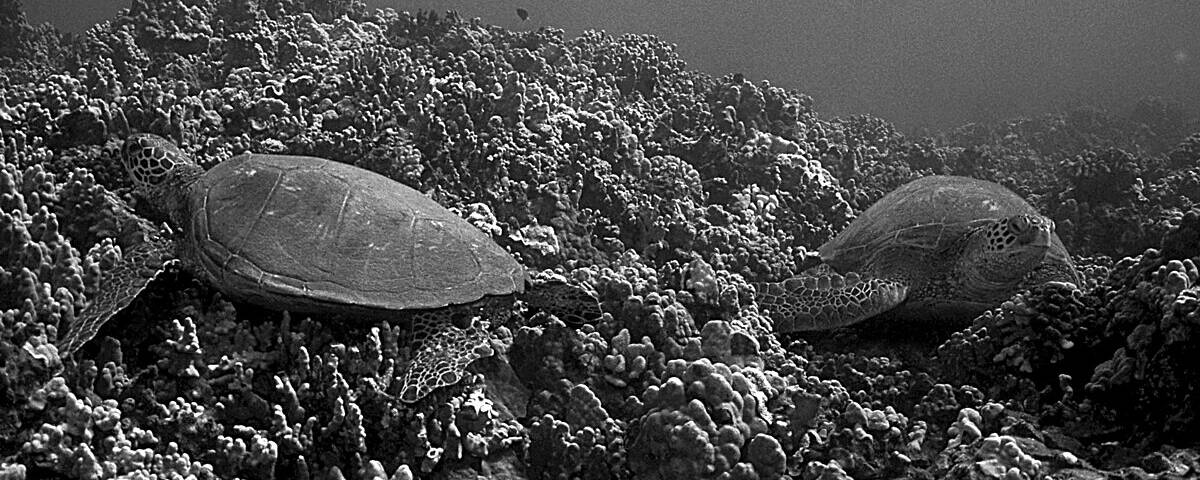
Turtles are common throughout the Moalboal coastline, and White Beach is no exception. Green turtles are the most frequent species, often encountered resting on the reef or swimming between feeding areas. Hawksbill turtles appear occasionally.
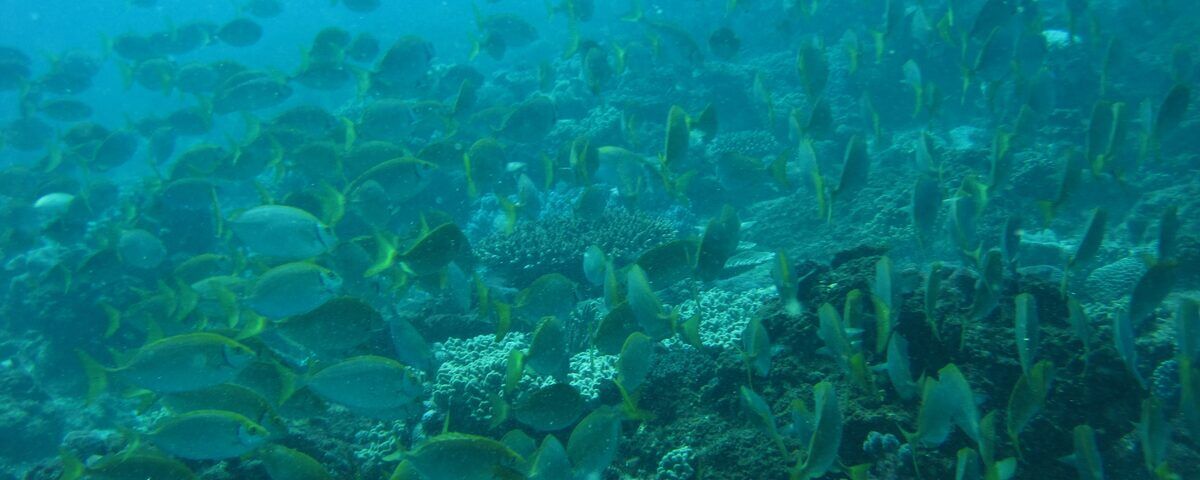
The reef sections support healthy fish communities. Damselfish, butterflyfish, and wrasse populate the coral areas. Schools of fusilier pass along the wall edge. Anemonefish occupy anemones scattered across the reef. The invertebrate community includes nudibranchs, sea stars, and the usual tropical reef crustaceans.
Frogfish have been reported at White Beach, though they're more reliably found at other Moalboal sites. Cuttlefish hunt across the reef and sandy areas, particularly during afternoon dives. The occasional sea snake passes through, their banded patterns unmistakable.
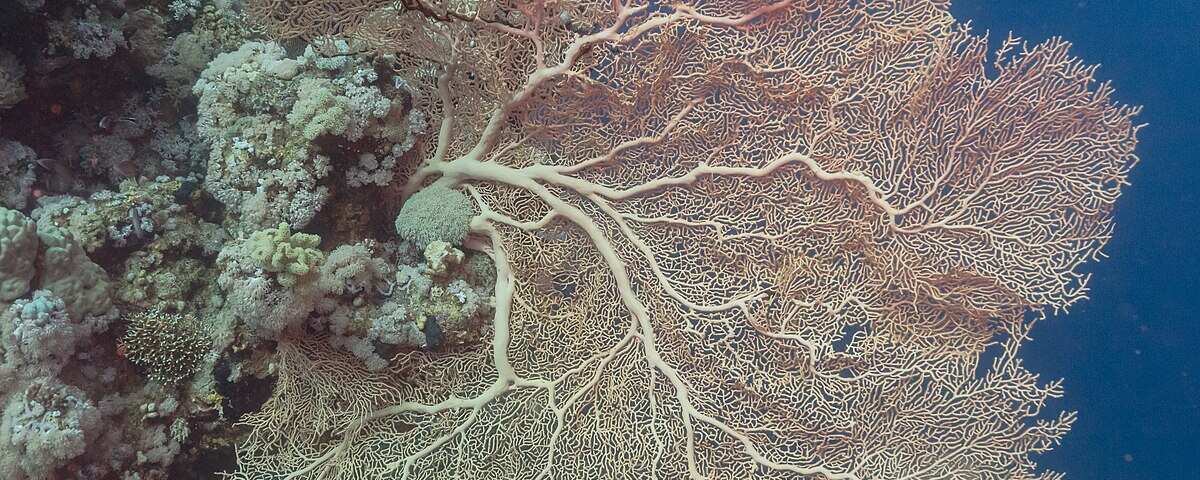
The reef wall section beyond the plane hosts larger gorgonian fans and soft coral growth, with the marine life density increasing as you move away from the sandy slope towards the more structured reef habitat.
The sandy slope's transition to the reef wall is a productive zone for marine life spotting. The edge between habitats concentrates species that use both environments: fish that shelter on the reef but feed over the sand, invertebrates that anchor on the hard substrate but extend into the current above the sand. This transition zone rewards patient observation more than rapid swimming.
Octopus are regular inhabitants, with both common reef octopus and occasionally the more dramatic species visible during both day and night dives. Their intelligence and camouflage abilities make each encounter a fascinating observation exercise.
Dive Conditions
White Beach is one of the calmest dive sites in Moalboal. Current is typically mild, often negligible, making it comfortable for divers of all levels. The site is sheltered from the prevailing weather patterns by the coastline's aspect.
Visibility ranges from 10 to 25 metres, with the sandy slope occasionally reducing clarity when stirred by fin kicks or weather action. The reef sections typically offer better visibility than the sand.
Water temperature is 26 to 29 degrees year-round. A 3mm wetsuit is standard, with a rashguard sufficient for the shallowest sections.
The depth profile slopes gently from 5 metres near the beach to 20 metres at the sunken plane, then drops more steeply along the wall to 25 metres and beyond. Most diving stays in the 5 to 20-metre range, which provides generous no-decompression time.
Shore entry is possible, walking in from the beach over a sandy bottom. Boat entry from a banca is also common, allowing a negative entry directly over the plane. The dive can be structured as a shore dive (for flexibility and cost savings) or a boat dive (for convenience).
This site is genuinely suitable for all levels, from Discover Scuba introductory dives to experienced divers on a relaxation dive. Night dives at White Beach are offered by several operators and reveal a different community after dark.
⚓ Divemaster Notes
White Beach is where I bring Open Water students for their open water dives. The sandy slope gives them space to practice skills without damaging reef, the depth is controlled, and the sunken plane gives them a goal for their first proper dive. Nothing motivates a nervous student like telling them they're going to dive to an aeroplane.
The garden eels on the sandy slope are more entertaining than they sound. Approach slowly and they stay up. Rush towards them and the whole colony vanishes into the sand simultaneously, which is its own kind of spectacle. I use them to teach students about slow approach techniques.
For experienced divers, I run White Beach as an afternoon shore dive when the group wants something easy after a demanding morning. The combination of the plane at depth and the reef wall gives enough variety for a 50-minute dive that feels unhurried.
Night diving at White Beach is underrated. The sandy slope transforms after dark with hunting octopus, foraging crabs, and the plane's resident fish community settling into night-time behaviour. It's one of the easiest night dive locations in Moalboal.
The beach bars nearby make the surface interval social, which matters for the overall dive trip experience. After a morning at Pescador where the surface interval is bobbing on a banca, spending an hour on White Beach with a cold drink feels luxurious.
One thing worth mentioning: the sunken Cessna has no tragic backstory. It was deliberately placed as an artificial reef, which makes it guilt-free entertainment. The contrast with the WWII wrecks in Coron or the Dona Marilyn is stark, and that lightness is part of what makes White Beach work as a relaxation dive.
How to Get to White Beach
White Beach is south of Panagsama Beach in Moalboal, accessible as a shore dive (walking in from White Beach itself) or by banca from Panagsama (about 10 minutes). Moalboal is on Cebu's southwest coast, 3 hours by road from Cebu City.
Most Moalboal dive operators are based at Panagsama Beach and include White Beach in their standard site rotation. Shore diving from White Beach requires walking to the beach (about 10 minutes from Panagsama by trike) or staying at one of the White Beach area accommodations.
Gear Recommendations
Standard tropical setup: 3mm wetsuit, mask, fins. Camera with either macro or wide-angle, depending on preference (the plane suits wide-angle, the critters suit macro). Torch recommended for looking into crevices and essential for night dives. No SMB needed for the shallow profile. No Nitrox needed.
Recommended Dive Operators
Savedra Dive Center operates from Panagsama with banca access to White Beach. Neptune Diving Adventure runs regular trips including the sunken plane. Cebu Fun Divers offers shore diving options from White Beach. Blue Orchid Resort has its own operation convenient for Moalboal diving.
Liveaboard Options
White Beach is a shore dive or short banca ride from Moalboal. No liveaboard operations serve this site specifically. It's a land-based diving experience, part of the broader Moalboal diving scene that's entirely run from shore-based operators.