Tongo Point Dive Site
Moalboal (Cebu), Philippines · Near Moalboal
Overview
Tongo Point Marine Sanctuary sits between Panagsama Beach and White Beach on Moalboal's coastline, a protected reef that benefits from marine sanctuary status and the limited fishing pressure that comes with it. The site is known for three things: electric clams, sea turtles, and the kind of relaxed reef diving that doesn't demand anything from you except the willingness to slow down and look.
The electric clam (Ctenoides ales, also called the disco clam) is Tongo Point's signature creature. These bivalves produce a flashing light effect on their mantle edge that looks exactly like an electrical discharge, hence the name. They're found in small caves and overhangs along the reef slope, and they're much easier to spot than you'd expect once you know what to look for. The flashing is visible from several metres away in low-light conditions.
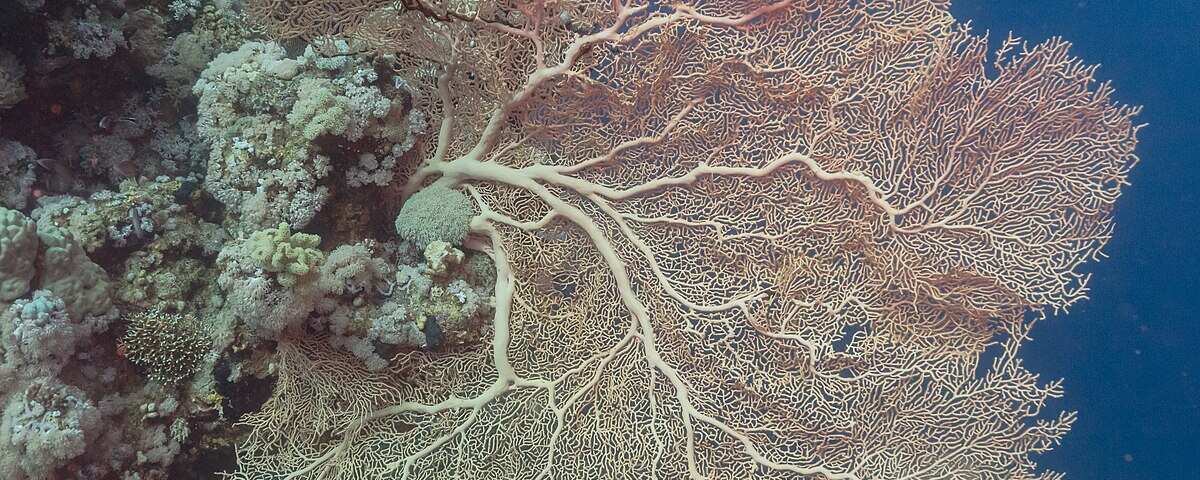
The reef structure at Tongo Point is a slope with scattered caves, overhangs, and coral formations that descend from about 5 metres to beyond 30 metres. Marine sanctuary protection has allowed fish populations to recover, and the reef supports dense schools compared to nearby unprotected areas. Large purple gorgonian fans grow on the deeper sections, and the coral coverage is healthy throughout the recreational depth range.
Tongo Point works as a shore dive or a short banca ride from Panagsama Beach. The mild conditions and progressive depth profile make it suitable for all levels, though the more interesting features (the caves with electric clams, the larger gorgonian fans) sit in the 15 to 25-metre range that benefits from experience.
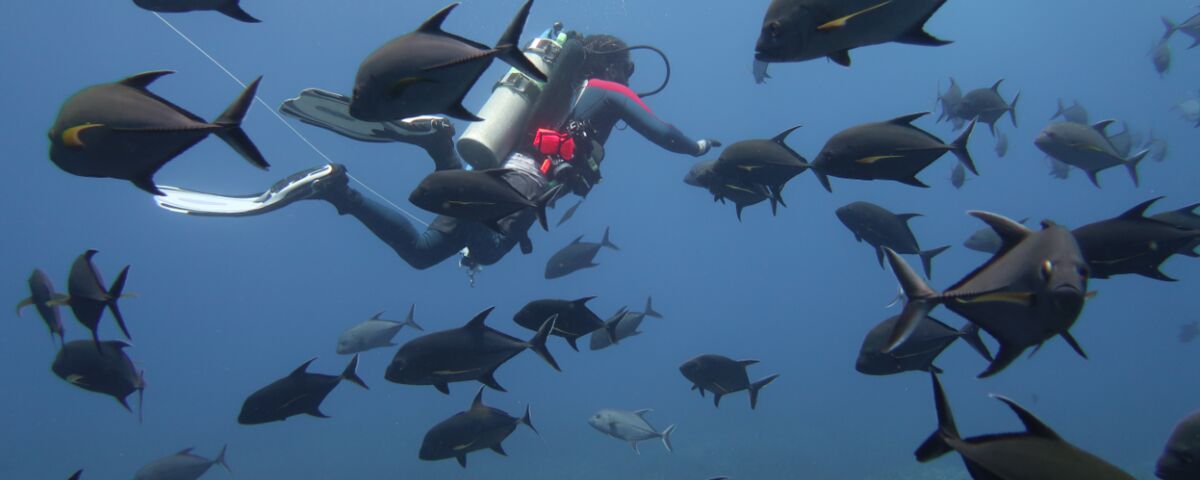
The site's marine sanctuary status means the fish are noticeably less skittish than at unprotected sites. Groupers approach rather than flee, sweetlips hold their position, and the overall sense of a reef functioning without fear of fishing is palpable.
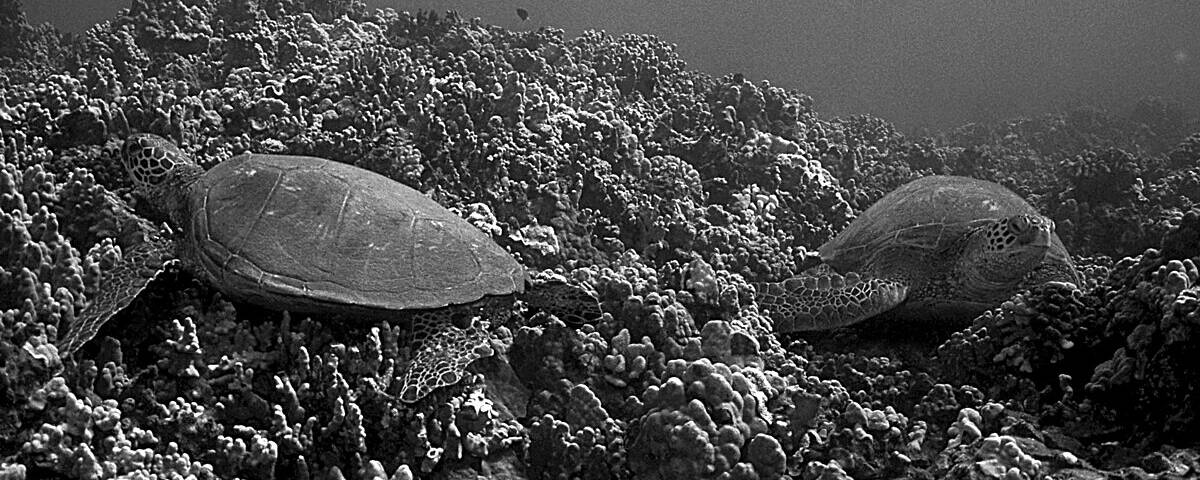
Turtles are a reliable presence, particularly green turtles that have established feeding territory along the sanctuary's reef. The combination of protected status and healthy reef conditions has made Tongo Point a de facto turtle haven, with multiple individuals commonly seen on a single dive.
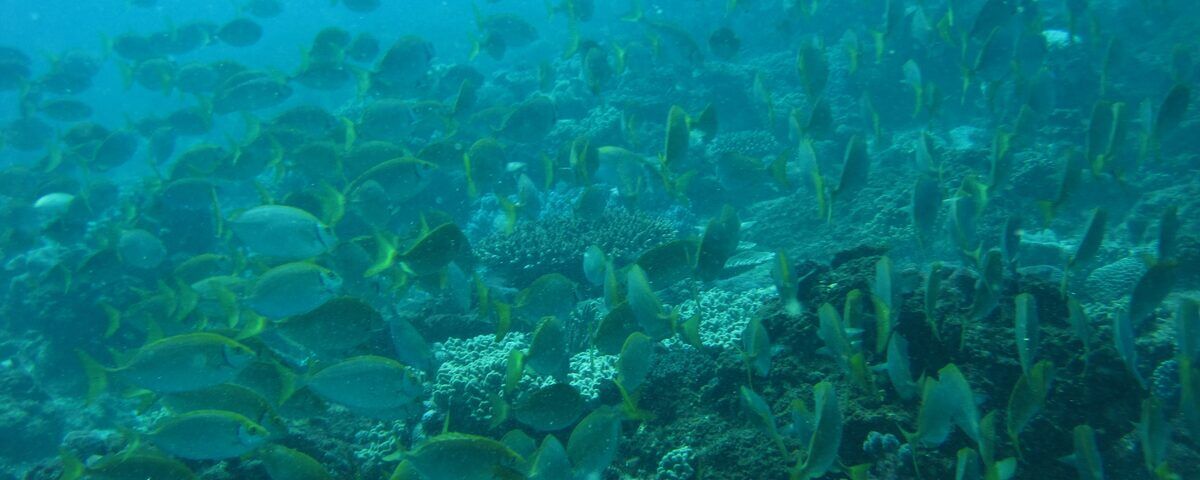
The sanctuary designation has been maintained consistently, which has allowed the fish populations to build over years rather than facing periodic exploitation. The difference between Tongo Point and nearby unprotected reef is visible to any diver: the protected area supports larger individual fish, denser schools, and a more complete ecosystem with predators present.
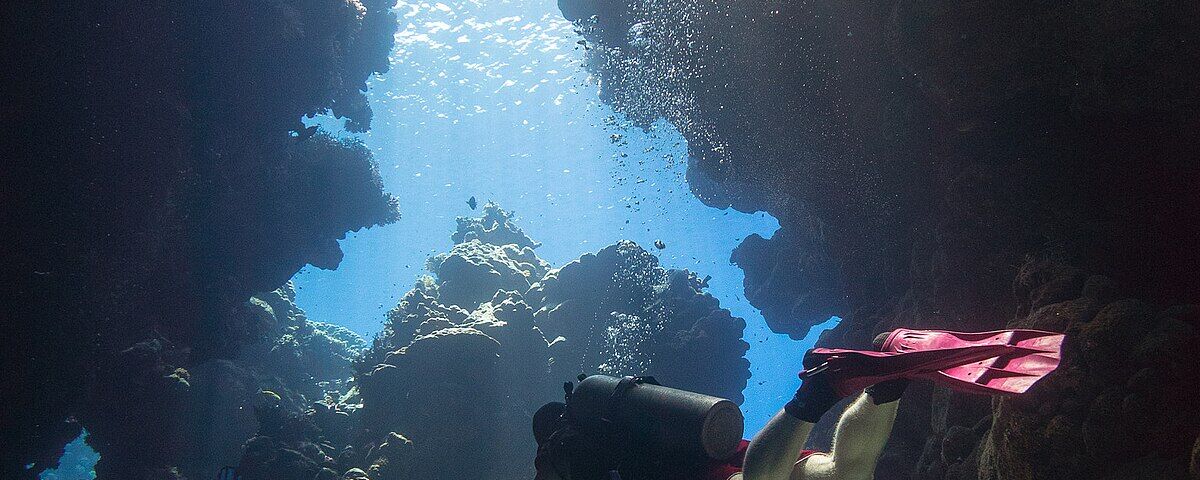
The caves at Tongo Point vary in size from head-height crevices to room-sized overhangs. None require technical cave diving training to explore, as they're all open-backed or shallow enough to maintain visual contact with open water. They function more as overhangs than true caves, which keeps them accessible while still providing the low-light habitat that the electric clams prefer.
Marine Life at Tongo Point
Electric clams (Ctenoides ales) are the headliner. Their rapid-fire flashing display, caused by rolling the edge of their mantle tissue to expose reflective nano-silica particles, looks genuinely electrical. They inhabit small caves and crevices, typically at 12 to 20 metres, and your guide will know the current locations. Under torchlight or in the natural darkness of overhangs, the flashing is striking.
Sea turtles are common. Green turtles graze on the reef surface and rest on coral bommies, often tolerating very close approaches. Multiple turtles per dive is standard. Hawksbill turtles appear occasionally.
Large purple gorgonian fans grow on the deeper sections of the slope (20 to 30 metres), and these are worth checking for pygmy seahorses. The fans extend into the current and support commensal species including shrimp and crinoids.
The reef fish community reflects the sanctuary's protection. Schools of fusilier, surgeonfish, and snapper are present in numbers that visibly exceed unprotected nearby sites. Groupers of several species are common and unusually bold. Sweetlips shelter beneath overhangs in colourful groups.
Macro life includes nudibranchs across the coral surfaces, seahorses on sparse debris, and various crustaceans in the cave systems. Lionfish hunt around the overhangs, and scorpionfish camouflage on the reef surfaces. Moray eels peer from crevices throughout the site.
The caves and small overhangs scattered along the reef add structural interest. They range from walk-in size to barely head-height, and each hosts a micro-community of darkness-adapted species. Shrimp, crabs, and small lobsters inhabit the cave interiors, and the electric clams prefer the semi-dark entrance zones.
Banded sea kraits (sea snakes) are occasional visitors, their distinctive black and white banding visible from a distance as they hunt eels among the coral. They're technically venomous but docile around divers, and encounters are more curiosity than concern. Their graceful movement between reef and surface for air provides interesting behavioural observation.
The reef's upper sections, accessible to snorkellers during calm conditions, support a productive shallow community. Hard corals in the 3 to 5-metre range host juvenile fish, and the sheltered waters make for comfortable snorkelling for non-diving companions.
Dive Conditions
Tongo Point is one of Moalboal's calmest dive sites. Current is typically mild, and the sanctuary's sheltered position along the coastline provides protection from most weather conditions. The site is diveable year-round with consistent conditions.
Visibility ranges from 10 to 25 metres, with the clearer conditions during the dry season (November to May). The reef slope substrate means less sediment disturbance than sandy-bottomed sites.
Water temperature is 26 to 29 degrees year-round. A 3mm wetsuit is standard.
The reef slopes from 5 metres to beyond 30 metres, with most diving concentrated in the 10 to 25-metre range. The gradient is gentle, allowing comfortable depth management and natural ascent profiles. No-decompression limits are generous at the typical dive depths.
Shore entry is possible from the coastline near the sanctuary marker. Banca access from Panagsama Beach takes about 10 minutes. Both approaches work well, with shore diving offering more flexibility for extended dives.
The site suits all certification levels. The shallow sections are appropriate for beginners and training, while the deeper caves and gorgonian fan sections reward experienced divers. Night dives at Tongo Point are particularly productive, with the electric clams' flashing even more dramatic in full darkness.
⚓ Divemaster Notes
Tongo Point is my electric clam dive. I check the known locations every few days because the clams do move, and nothing is more embarrassing than confidently leading a group to an empty cave. Currently, the best cluster is at about 15 metres on the southern end of the sanctuary, tucked under an overhang that requires you to drop to about 12 metres and look upward.
The turtles here are genuinely relaxed. I've had green turtles swim directly over my group without altering course, which is the mark of a population that's been protected long enough to lose its fear of divers. The key is approach: slow, from the side, never from above.
For photographers, the gorgonian fans at 20 to 25 metres produce the best wide-angle compositions. The purple fans against blue water with a diver silhouetted above are a classic Moalboal image. Check the fans for pygmy seahorses before your photographer gets there; finding one transforms a good photo into an extraordinary one.
I schedule Tongo Point as an afternoon dive when possible. The light angle in the late afternoon illuminates the caves from the side, making the electric clam displays more visible. Morning dives have more direct overhead light, which washes out the flashing effect.
Night dives at Tongo Point are some of the best in Moalboal. The electric clams flash in the darkness, hunting octopus move across the reef, and the cave communities come alive with nocturnal crustaceans. I rate it above Panagsama for night diving, though it's a longer boat ride.
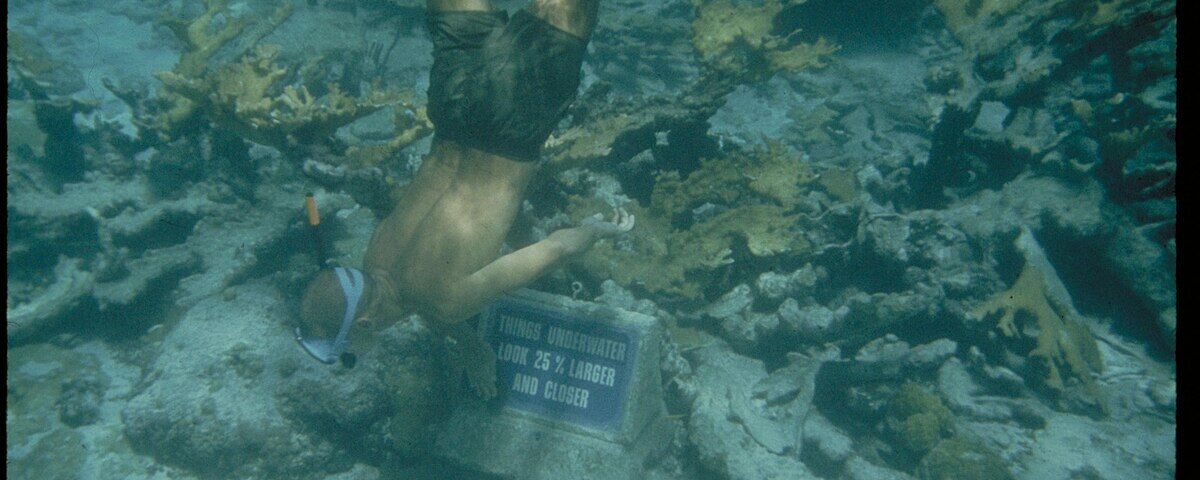
The sanctuary boundaries are marked with buoys on the surface and signage underwater. I always brief divers on the boundaries before entering, because accidentally drifting outside the protected area and into the adjacent fishing zone changes the character of the reef noticeably. The fish are visibly more skittish, the coral shows more damage, and the overall impression is diminished. Staying within the sanctuary makes a real difference to the dive quality.
For groups with mixed interests, Tongo Point works well because the shallow sections suit beginners while the deeper caves and gorgonians reward experienced divers. I can split the group by depth preference and meet back at the mooring for the safety stop.
How to Get to Tongo Point
Tongo Point Marine Sanctuary is on the Moalboal coastline between Panagsama Beach and White Beach, about 10 minutes by banca from Panagsama or accessible as a shore dive from the nearby coast. Moalboal is 3 hours by road from Cebu City.
Most Moalboal operators include Tongo Point in their regular rotation. The marine sanctuary status means respecting the protected area rules: no touching, no collecting, no anchoring on coral.
Gear Recommendations
3mm wetsuit standard. Torch essential for illuminating caves and viewing electric clams (and mandatory for night dives). Camera with macro lens for the electric clams and critters, wide-angle for the gorgonian fans and reef scenes. No SMB needed for the shallow profile. No Nitrox needed at typical depths.
Recommended Dive Operators
Savedra Dive Center runs experienced trips to Tongo Point with guides who know every electric clam location. Neptune Diving Adventure includes the sanctuary on their standard itineraries. Cebu Fun Divers offers shore dive options for extended exploration.
Liveaboard Options
Tongo Point is a shore-based dive site accessed from Moalboal. No liveaboard operations serve this site specifically. It's part of Moalboal's land-based diving ecosystem.