Beacon Reef Dive Site
Similan Islands, Thailand · Near Khao Lak
Overview
Beacon Reef is the longest continuous reef in the Similan Islands, stretching along the entire eastern coast of Koh Similan (Island 8), the largest and tallest island in the archipelago. The site also goes by Beacon Beach, and a third name has stuck among wreck enthusiasts: Atlantis Wreck, after the sunken liveaboard that rests on the reef slope.
The reef earned its primary name from the navigation beacon perched on the southern tip of the island. For decades, that beacon has been the first landmark liveaboard captains spot when approaching from the south, and the reef below it became the obvious reference point for dive briefings.
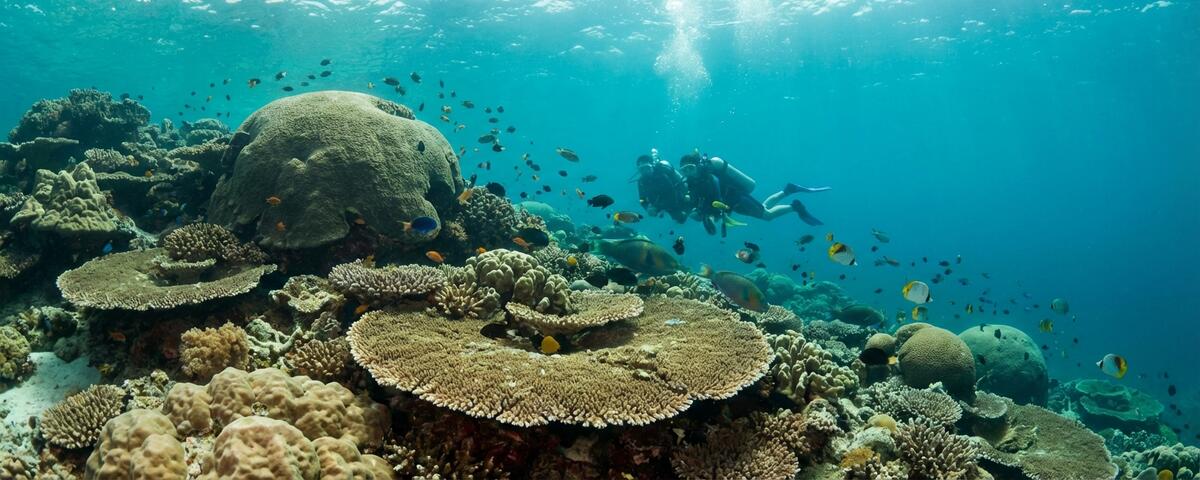
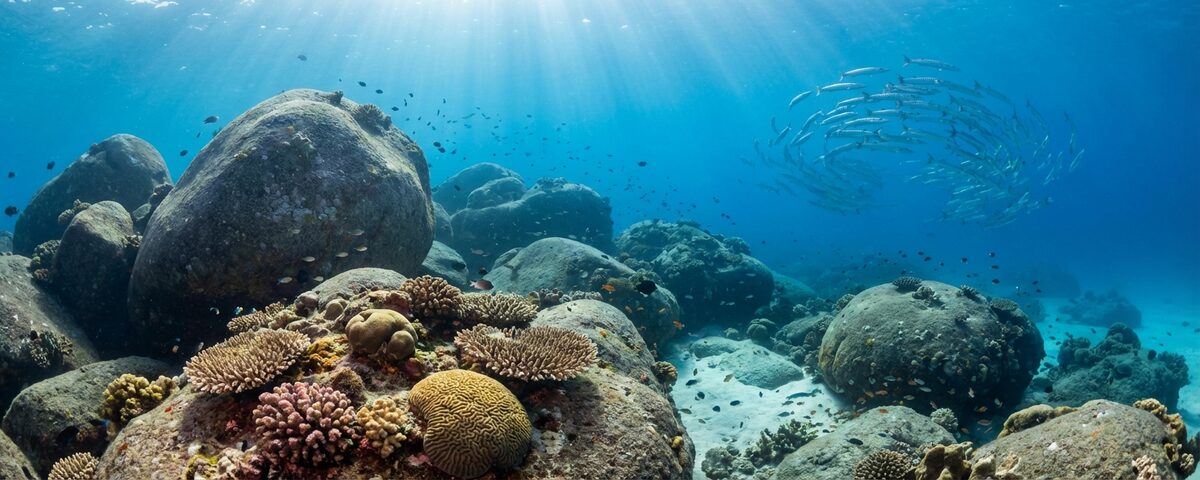
What sets Beacon Reef apart from the Similans' more celebrated boulder sites is its character. Where Christmas Point and Elephant Head Rock offer dramatic granite formations and current-swept swim-throughs, Beacon Reef delivers something quieter and arguably more complete. The entire eastern face of Island 8 slopes gradually from a shallow coral plateau at 5 metres down through dense hard coral gardens to a sandy bottom beyond 30 metres. It is more coral than rock here, which is unusual for the Similans where granite tends to dominate the underwater landscape. Staghorn corals, brain corals, pore corals, mushroom corals, and finger corals blanket the slope in a patchwork that feels almost garden-like in its density.
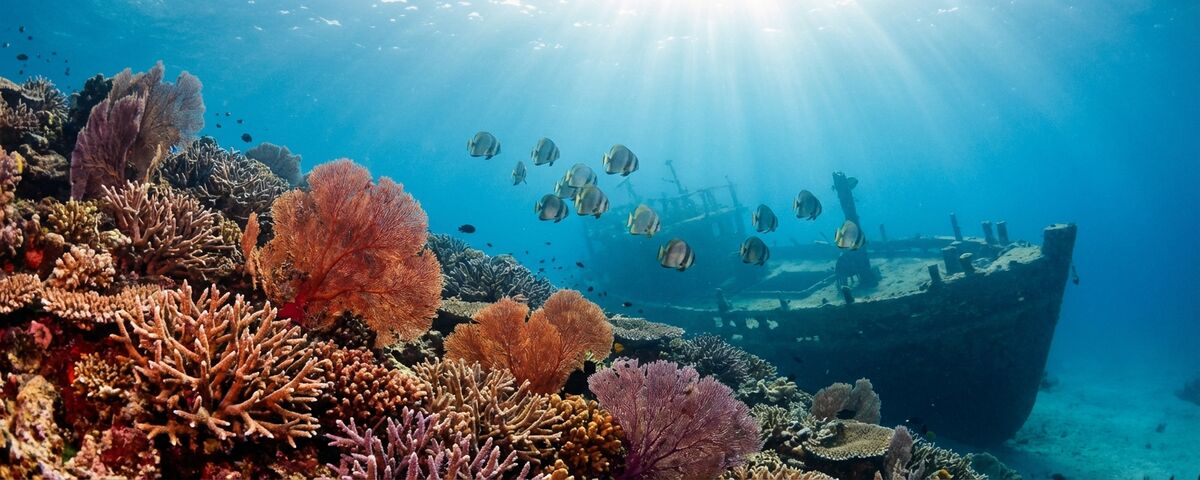
Sitting at the heart of the reef, between 15 and 30 metres depth, the wreck of the Atlantis X (originally named Rareung-Chon) adds an unexpected dimension. This wooden liveaboard sank in August 2002 after its bilge pump failed during rough weather. The captain aimed for the beach in a last-ditch effort to save the vessel, but she struck the reef and slid backwards down the slope before settling on the sandy incline. Nobody was injured, and the crew and passengers were all rescued. The wreck now sits bow-up at around 15 metres with the stern resting at nearly 30 metres, gradually transforming into an artificial reef as corals colonise her hull and marine life claims her compartments.
The site's sheltered eastern aspect means conditions are almost always calm. Currents rarely exceed a gentle drift, the reef faces the morning sun, and the gradual slope makes depth management simple. Liveaboard operators use Beacon Reef for everything from checkout dives to sunset sessions to proper night dives, and it handles all of them well. The sheer length of the reef means you could dive it half a dozen times and explore different sections each visit.
Beacon Reef has been subject to periodic closures for coral restoration, most notably from 2011 onwards after elevated water temperatures caused bleaching damage to the hard corals. The reef has been recovering steadily, and access status can change between seasons. Check with your operator before planning a dive here, as the national park authority adjusts which sites are open based on ongoing coral health assessments.
Marine Life at Beacon Reef
The shallow coral plateau between 5 and 12 metres is where the hard coral coverage is at its most impressive. Massive staghorn formations spread across the upper slope, their branching structures creating shelter for clouds of damselfish, chromis, and anthias. Brain corals the size of dining tables anchor the reef crest, and mushroom corals sit loose on the sandy patches between the fixed colonies. The morning sunlight hitting this east-facing reef creates the kind of colour saturation that makes photographers forget about their air consumption.
Batfish are the site's signature residents. Schools of orbicular batfish hang in the water column above the wreck and along the reef slope, their disc-shaped bodies catching the light as they tilt and turn. They are curious fish, genuinely interested in divers, and will often approach a hovering group to investigate. The batfish here are habituated enough that patient photographers can get frame-filling portraits without any chase.
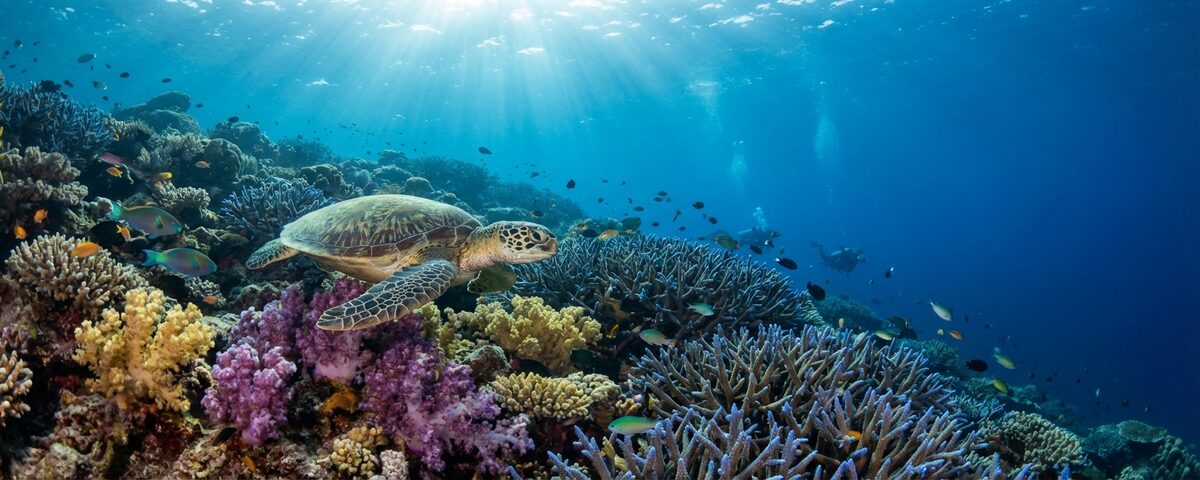
Green turtles and hawksbill turtles cruise the reef regularly. Hawksbills feed on sponges growing between the coral heads, using their narrow beaks to reach into crevices. Green turtles tend to rest on coral ledges or graze on algae along the shallower sections. Both species tolerate careful approach from divers who move slowly and avoid sudden gestures.
The wreck itself has become a magnet for marine life. Lionfish drape themselves over the railings and wheelhouse structure, their venomous fins spread like ornamental fans. Moray eels, including giant morays and white-eyed morays, have claimed holes in the deteriorating hull. Scorpionfish sit motionless on the deck surfaces, their camouflage so effective that guides often need to point them out from a metre away. Inside the more open compartments, glassfish swirl in dense silver clouds, backlit by whatever ambient light filters through the gaps in the structure.
The deeper sandy areas beyond 25 metres hold their own residents. Kuhl's blue-spotted stingrays rest on the sand between coral outcrops, shuffling away with a lazy wingbeat if you get too close. Banded sea kraits, those strikingly patterned black-and-white sea snakes, are common here and along the entire reef. They are venomous but docile, far more interested in hunting through coral crevices than bothering with divers. Watch for them surfacing to breathe; they need air like any reptile.
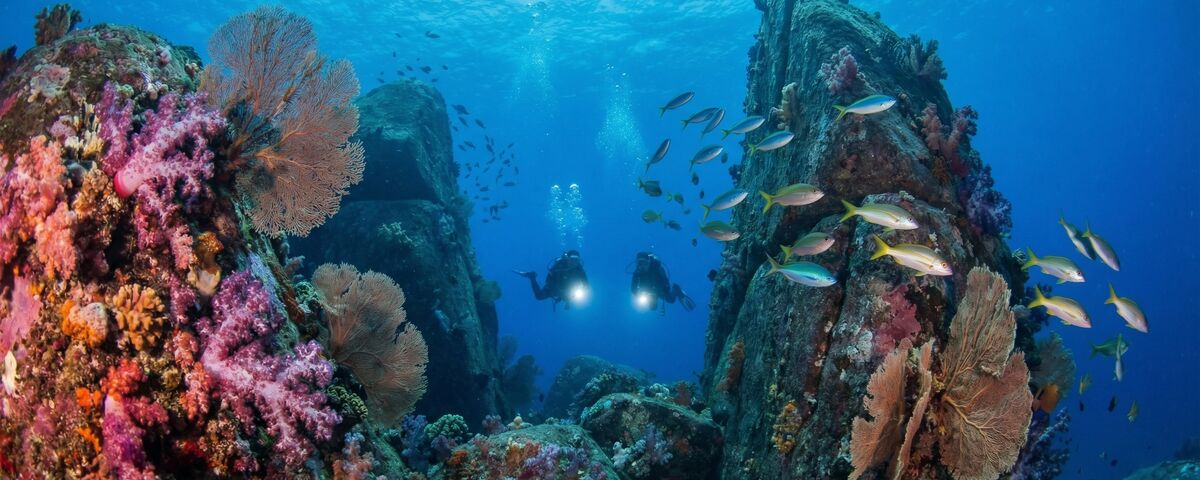
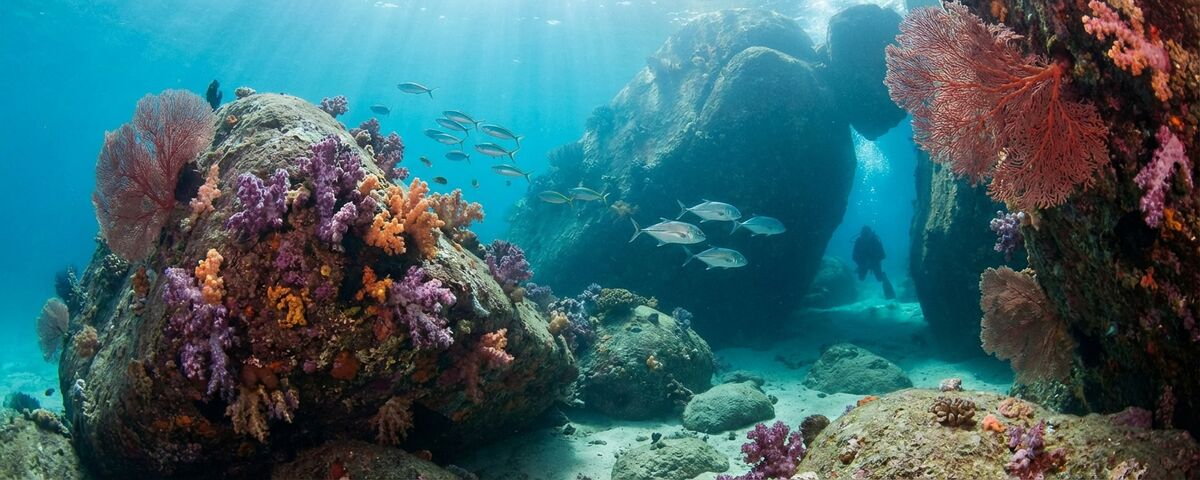
Gorgonian sea fans grow on the deeper sections of the reef slope, their latticed branches spread perpendicular to what little current flows through. Among the gorgonians, look for longnose hawkfish perched on the branches, their red-chequered bodies almost comically small against the fan's span. Cuttlefish patrol the mid-depth zones, their skin flickering through colour patterns as they hunt small fish and crustaceans across the reef.
Clown triggerfish, with their bold spotted-and-striped pattern, are reliable sightings along the reef edge. Titan triggerfish are also present and nest in the sandy patches during the early months of the season. The usual caution applies: if a titan is hovering close to the bottom and looks agitated, it is defending a nest and will charge divers who enter its territory. Swim horizontally away, not upward, since the defensive zone extends in a cone above the nest.
The invertebrate life rewards anyone willing to slow down. Nudibranchs in a range of species cling to rock surfaces and coral branches. Banded coral shrimp occupy cleaning stations beneath overhangs, waving their white antennae to advertise their services. The wreck's surfaces host encrusting sponges and tunicates that attract small crustaceans and flatworms visible only to those who bring a torch and patience.
Dive Conditions
Beacon Reef sits on the sheltered eastern side of Koh Similan, which means it avoids the swells and stronger currents that affect the western boulder sites. This is one of the calmest dive sites in the entire archipelago, and conditions here are forgiving enough for recently certified Open Water divers while still offering enough depth and variety to keep experienced divers interested.
The reef plateau starts at around 5 metres, making the shallows accessible to snorkellers during calm conditions. The main reef body slopes from 5 to about 18 metres over a gradual incline of hard coral. Below this, the slope steepens toward the wreck zone at 15 to 30 metres, then drops away to sand beyond 30 metres.
Currents are typically mild. When they do pick up, they run along the reef from north to south or vice versa, which makes for pleasant drift dives along the longest reef in the Similans. Strong current is unusual on this eastern face. On the rare occasions it does appear, it simply increases the drift speed without creating anything dangerous.
Visibility varies between 10 and 30 metres depending on conditions and time of season. Early season (November and December) and late season (April) can bring lower visibility due to plankton activity. The clearest water typically arrives between January and March. Plankton blooms reduce clarity but boost marine life activity, so there is always a trade-off.
Water temperature holds between 27 and 30 degrees Celsius throughout the diving season. Thermoclines occasionally appear around the wreck depth at 20 to 28 metres, dropping temperatures by two or three degrees. A 3mm wetsuit suits most divers. Those planning deep profiles on the wreck or multiple dives per day might prefer a 5mm suit.
The wreck penetration should be treated with respect. The Atlantis X has been underwater for over two decades and her wooden structure is deteriorating. Full penetration is not recommended. Swim around the exterior and look into the open compartments, but entering enclosed spaces risks collapse and silt-out. The stern section at 28 to 30 metres demands awareness of bottom time and nitrogen loading.
The national park opens the Similan Islands from approximately mid-October to mid-May each year. Exact dates shift slightly based on monsoon conditions. Beacon Reef has been subject to additional seasonal restrictions for coral restoration. Confirm access status with your operator before planning your itinerary around this specific site.
Surface conditions on the eastern side are almost always calm during the open season. Entry is typically a giant stride from a liveaboard or day boat, descending directly onto the reef slope. Moorings are available.
⚓ Divemaster Notes
I run Beacon Reef differently depending on the time of day, and honestly, this site is best when the sun is either low or gone entirely.
For morning dives, we start at the wreck. I drop the group down to about 20 metres and approach the Atlantis X from the reef side. The bow sits at around 15 metres and the stern at 28 to 30, so we work from the deeper stern upward. The wooden structure has been deteriorating for over twenty years now, and I tell my groups not to enter any enclosed spaces. But the exterior is still interesting. Lionfish cluster around the railings, and the hull openings let you peer into compartments where glassfish swirl in thick clouds. Giant morays have claimed several holes, and there is usually a scorpionfish or two on the deck that I have to physically point out because nobody spots them on their own.
After eight to ten minutes on the wreck, I bring the group up to the 12 to 15 metre zone for the main reef section. This is where the hard coral coverage is genuinely exceptional. The staghorn forests here are some of the healthiest in the Similans, and the diversity of coral species on a single stretch of reef is remarkable. I slow the group down through this section because most of the interesting small stuff hides among the corals: nudibranchs, flatworms, shrimp at cleaning stations.
The batfish are the crowd favourite. They tend to congregate in the water column above and around the wreck area, and they are curious enough to approach a group that hovers still. I tell my divers to stop finning, hang neutrally, and let the fish come to them. It works almost every time. The batfish circle closer and closer until they are an arm's length away, and the experience is better than chasing them could ever be.
For sunset and night dives, this site truly excels. The eastern aspect means you get the last light of the day filtering through the shallows during a sunset dive, which is atmospheric on the coral plateau. At night, the reef transforms completely. Spanish dancers emerge from hiding. Decorator crabs pick their way across the coral heads. The banded sea kraits are more active and visible, hunting through crevices with purpose. And the wreck at night is genuinely eerie. Torchlight catches the glassfish inside the hull, and the scorpionfish that were invisible during the day seem to multiply.
One briefing point I never skip: this reef has been through bleaching events and periodic closures for restoration. The corals are recovering well, but they are still vulnerable. Buoyancy control matters here more than at the boulder sites where you would bounce off granite. Contact with staghorn coral snaps branches that took years to grow. I am strict about fin position and hover distance on this dive.
The sheer length of the reef means you never have to follow the same track twice. I keep a rotation of at least four different routes depending on current direction and what the group wants to see. North toward the park headquarters takes you through some of the best gorgonian growth. South toward the beacon offers more open sand with stingray sightings.
How to Get to Beacon Reef
Beacon Reef lies on the eastern coast of Koh Similan (Island 8), approximately 65 kilometres offshore from the Phang Nga coast in the Andaman Sea. The primary gateway town is Khao Lak, a low-key resort strip about an hour north of Phuket International Airport by road.
Liveaboard trips are the most common way to reach the site. Multi-day boats depart from Tab Lamu Pier near Khao Lak, typically sailing in the late afternoon and arriving at the Similans by early morning. Beacon Reef on Island 8 is a natural stop on itineraries that work through the archipelago, often visited as an afternoon, sunset, or night dive. Liveaboard trips range from two to four nights and cost between THB 15,000 and 50,000 depending on the vessel and duration.
Day trips from Khao Lak reach the Similan Islands in roughly 60 to 90 minutes by speedboat. These trips depart from Tab Lamu Pier at around 7:30am and return by late afternoon. Island 8 is one of the main stops on most day trip itineraries since the national park office sits on Koh Similan's northern tip and day-trippers typically visit the beach and snorkelling areas. Day trips run THB 4,000 to 7,000 including equipment, park fees, and lunch.
Phuket International Airport (HKT) receives direct flights from Bangkok (1 hour 20 minutes), Kuala Lumpur (1.5 hours), Singapore (2 hours), and seasonal European and Australian routes. From the airport, Khao Lak is a 60 to 90 minute drive north. Most liveaboard operators arrange airport transfers as part of the trip package.
National park entrance fees apply: THB 500 for international visitors and THB 100 for Thai nationals, per entry. These are typically collected by the boat crew. The park closes completely from mid-May to mid-October for monsoon season and marine conservation.
Peak season runs from December to March. Popular liveaboards book out weeks in advance, particularly over Christmas, New Year, and Chinese New Year. Day trips are easier to arrange at short notice.
Gear Recommendations
Standard tropical gear works perfectly here. A 3mm wetsuit suits most divers; 5mm for those planning wreck-depth profiles or multiple dives per day, particularly if thermoclines are present around 20 to 25 metres. Torch is strongly recommended, not just for night dives but for daytime wreck viewing and illuminating the true colours of corals and nudibranchs under overhangs where reds and oranges wash out at depth. SMB and reel for safety stops, standard practice on all Similan dives. Wide-angle lens is the primary camera recommendation for the reef panoramas and batfish encounters. Macro works well on a second dive dedicated to the wreck surfaces and coral gardens where nudibranchs, flatworms, and shrimp hiding at cleaning stations reward close attention. Compact cameras with wide-angle wet lens attachments are a solid compromise. Nitrox recommended for extended bottom time around the wreck at 20 to 28 metres where the most interesting features sit. No reef hook needed. Currents here are gentle enough to manage without one.
Recommended Dive Operators
Sea Dragon Dive Center in Khao Lak has been operating Similan trips for years and includes Beacon Reef on their regular liveaboard rotations. Their guides know the wreck location and the best sections of the long reef. Wicked Diving runs purpose-built liveaboards from Khao Lak with a conservation focus and small group sizes, typically four divers per guide. They visit Beacon Reef when access conditions allow and offer excellent briefings on the site's ecology. Similan Dive Center operates a range of liveaboards from budget to premium and has the widest departure schedule during season. Their trip coordinators tailor site selections based on group experience, which works well for Beacon Reef's mix of shallow reef and deeper wreck diving. Khao Lak Scuba Adventures offers both liveaboard packages and day trips, and they are a good option for divers who want to visit Beacon Reef without committing to a multi-day itinerary.
Liveaboard Options
Beacon Reef is primarily accessed by liveaboard, though day trips from Khao Lak also visit Island 8 regularly. The site's sheltered eastern position and range of depths make it a versatile stop that liveaboard operators slot into their itineraries for afternoon, sunset, or night dives.
Budget liveaboards from Khao Lak start at roughly THB 15,000 for two nights, including all diving, meals, and park fees. The MV Giamani and MV Amapon sit in this range and visit Island 8 as a standard part of their Similan routing. Mid-range vessels such as the Deep Andaman Queen and MV Pawara run THB 25,000 to 35,000 for three-night trips with more comfortable cabins, spacious dive decks, and better food. Premium options including the SY Diva Andaman and MV Dolphin Queen charge THB 40,000 to 65,000 for four-night itineraries extending north to Richelieu Rock and Koh Tachai.
Most multi-day trips follow a south-to-north route through the archipelago, visiting Islands 1 through 9 before heading to the outer sites. Beacon Reef on Island 8 fits naturally into this progression, often as a relaxed dive between the more demanding current sites.
Day trips from Tab Lamu Pier near Khao Lak reach Island 8 in about 60 to 90 minutes by speedboat. Since the national park headquarters is located on Koh Similan, day trips frequently stop here for both beach time and snorkelling. Divers on day trips can typically request Beacon Reef if it is on the permitted site list for the season.
Booking through a Khao Lak dive shop gives you local knowledge and often identical pricing to booking direct. Sea Dragon, Wicked Diving, and Similan Dive Center all broker liveaboard spaces and can advise on which vessels visit Beacon Reef and when.