Dive Sites in Komodo, Indonesia
14 dive sites in Komodo
Drift diving through channels where mantas glide over cleaning stations and reef sharks patrol the pinnacles. Komodo National Park is built for divers who want current, big marine life, and heart-rate elevation. Northern sites bring cold upwellings and pelagics; southern sites deliver warmer critter-rich diving. Browse all Komodo dive sites below.
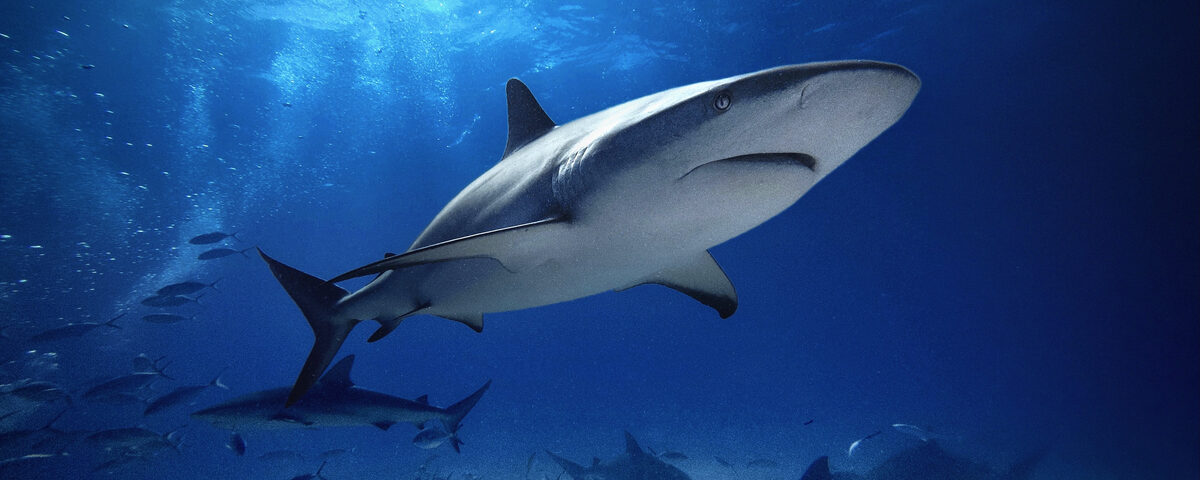
Batu Bolong is widely considered the single best dive site in the Komodo National Park, and a strong contender for the best in Indonesia. It's a small...
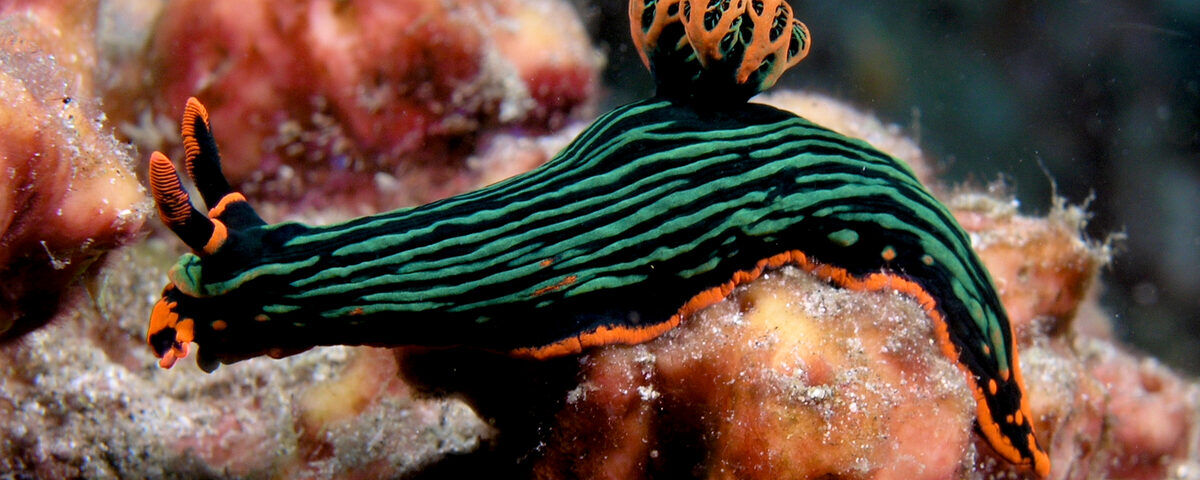
Cannibal Rock is the site that macro photographers fly halfway around the world to dive. Sitting in the sheltered waters of Horseshoe Bay on Rinca Isl...
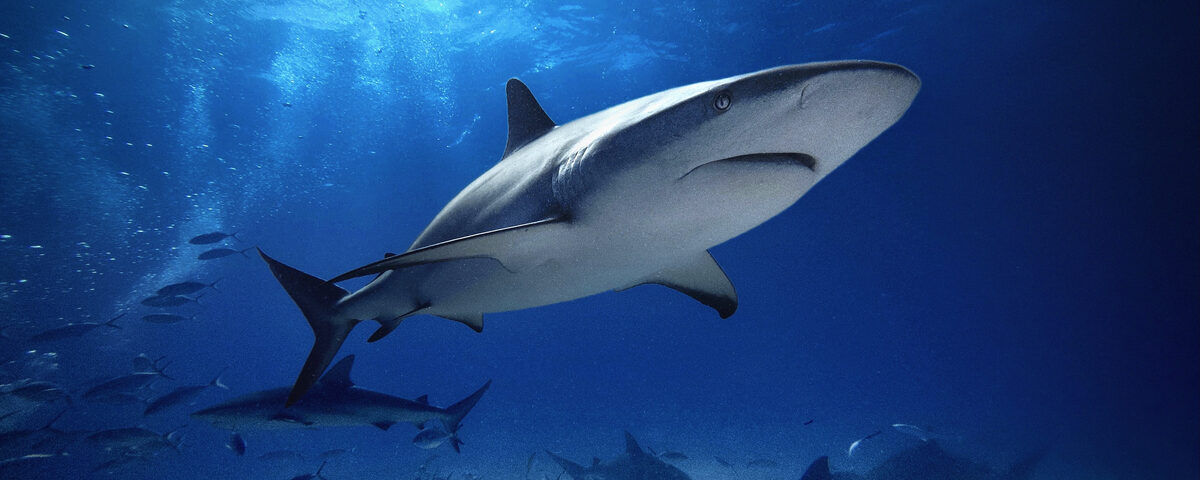
Castle Rock sits in the open ocean north of Komodo Island, a submerged pinnacle rising from deep water with nothing around it for miles. When the curr...
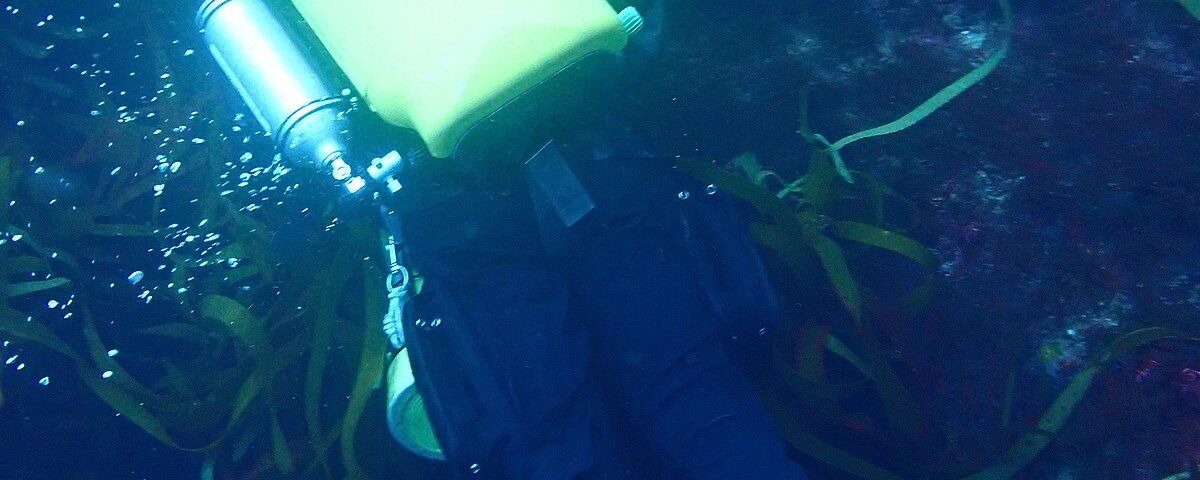
The Cauldron earns its name. Water pours through a narrow channel between two islands, accelerating through a gap in the reef, and dumps you into a bo...
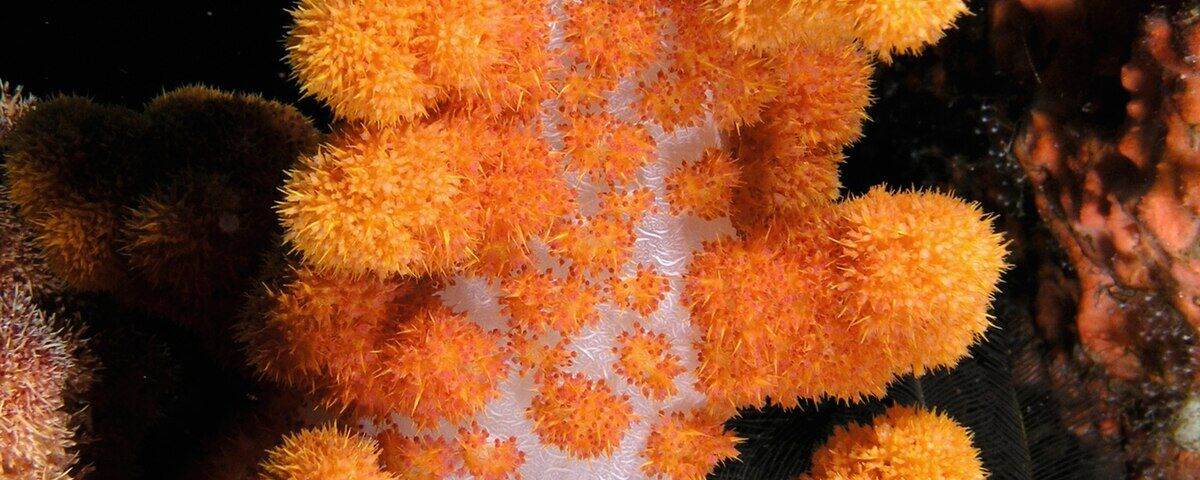
Crystal Rock breaks the surface. That's the first thing that separates it from its neighbour Castle Rock, which sits entirely underwater. A small, dar...
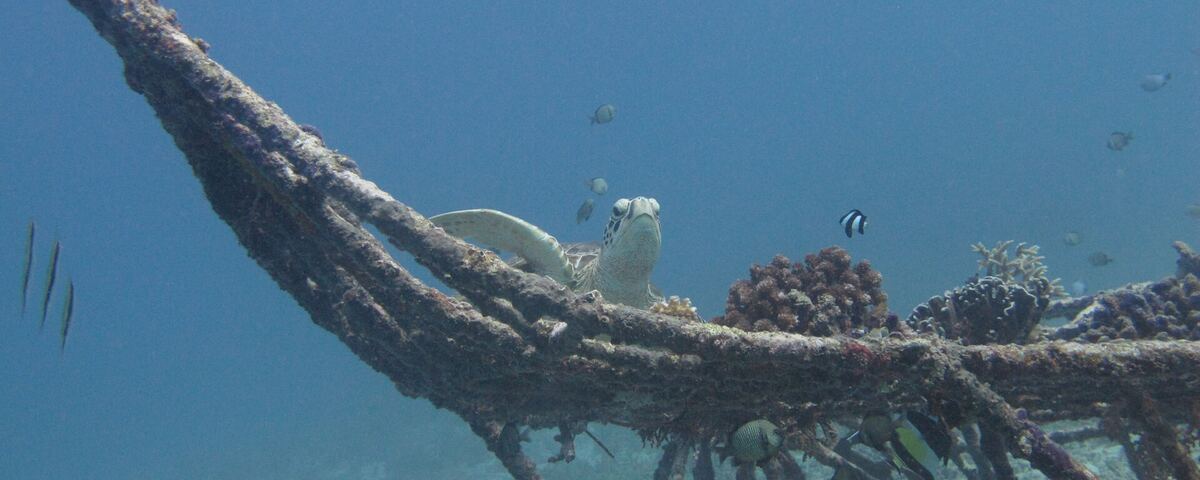
Gili Lawa Laut sits at the northern edge of Komodo National Park, an island whose underwater terrain offers multiple dive sites in one location. The i...
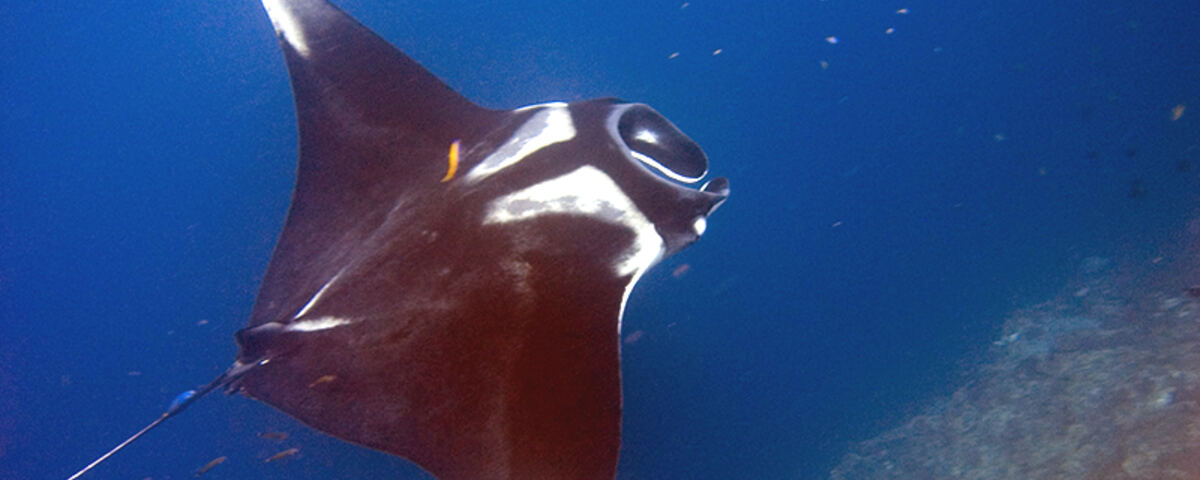
Manta Alley is Komodo's other manta site, and in some ways it's the more interesting one. While Manta Point at Makassar Reef in the north gets most of...
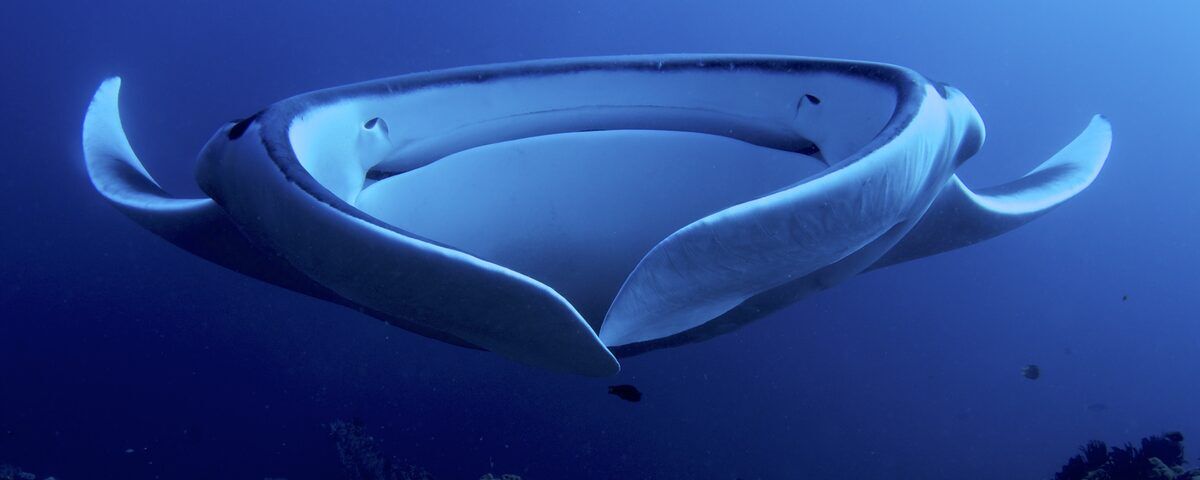
Manta Point at Makassar Reef is the dive site in Komodo National Park where you can genuinely expect to see manta rays on most visits. Not hope, not c...
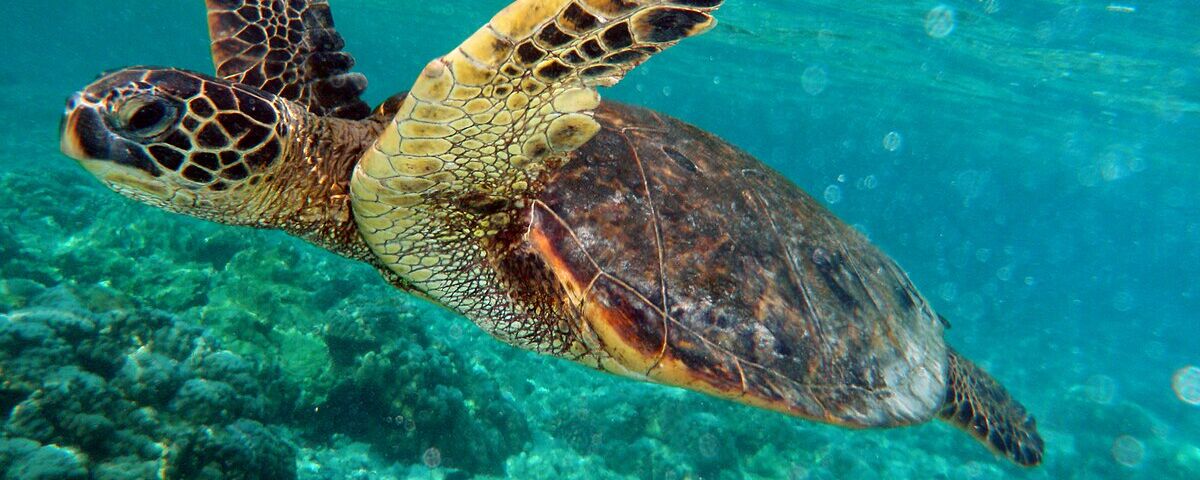
Siaba Besar is Komodo's turtle site. Green sea turtles gather here in numbers that make the Gili Islands look modest, resting on coral bommies, grazin...
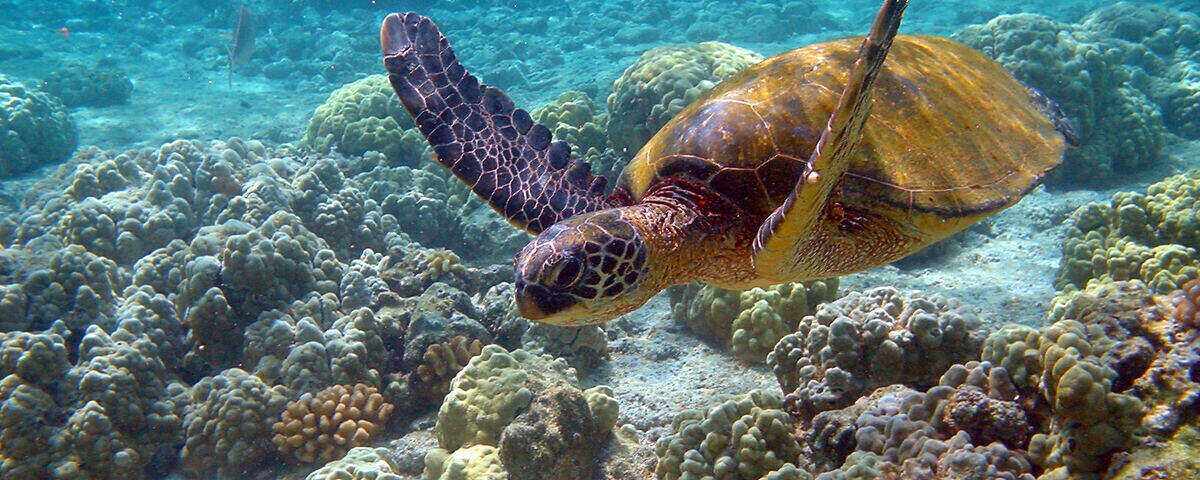
Siaba Kecil is the turtle dive in Komodo National Park. Not a site where you might see turtles if you're lucky, but one where failing to see multiple ...
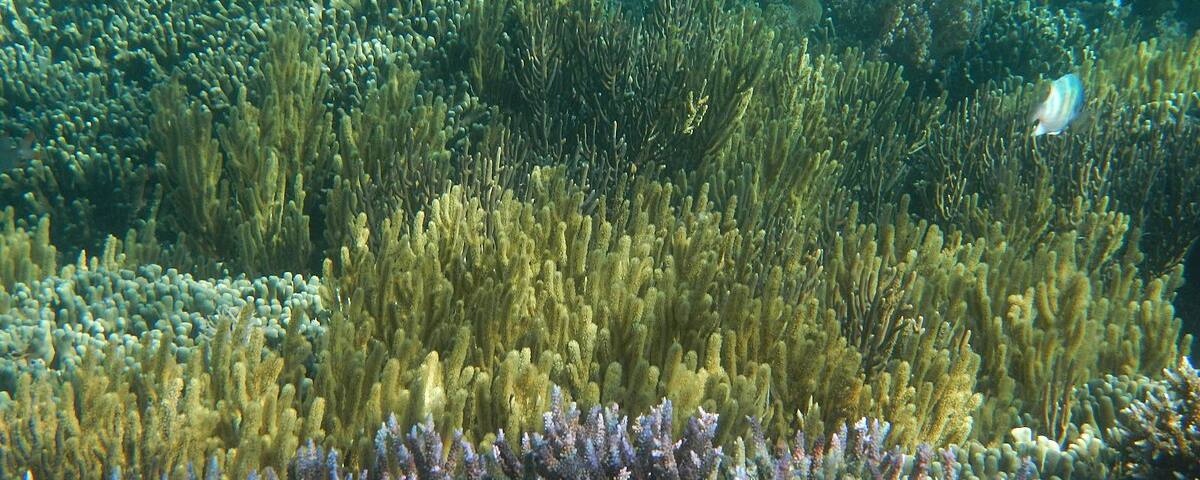
Tatawa Besar is where Komodo National Park proves it's not all about ripping currents and advanced-only pinnacles. This long reef wall on the east sid...
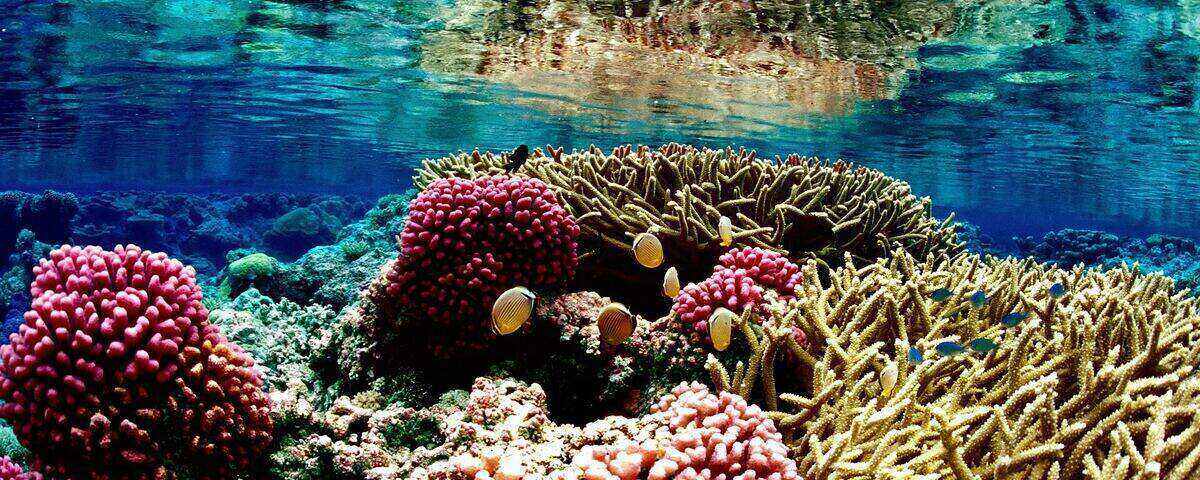
Tatawa Kecil sits between Tatawa Besar and the main channel running through Komodo National Park, which puts it right in the path of nutrient-laden cu...
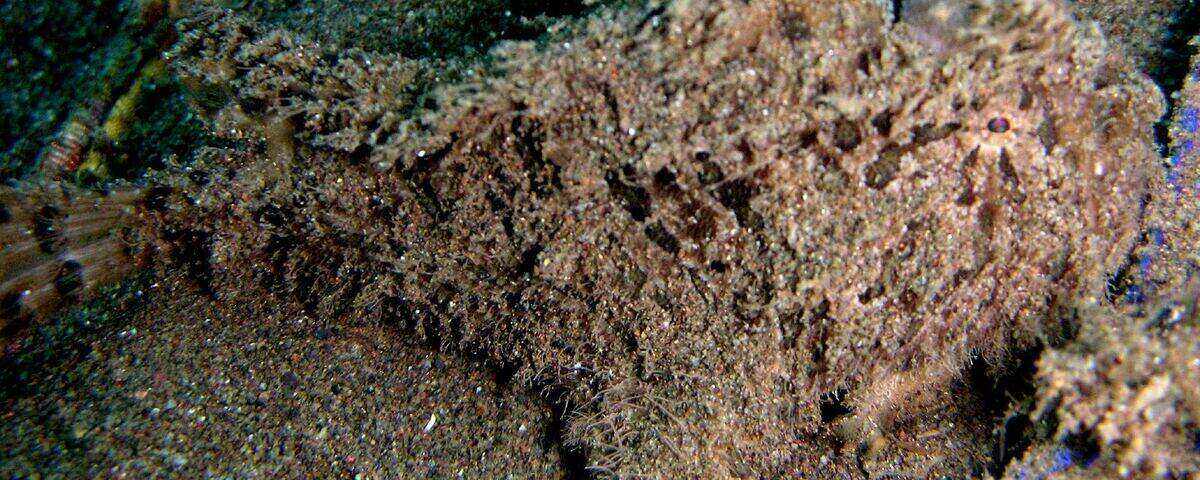
Torpedo Alley is Komodo's muck diving secret, a site that bears almost no resemblance to the current-swept pinnacles and manta stations the park is fa...
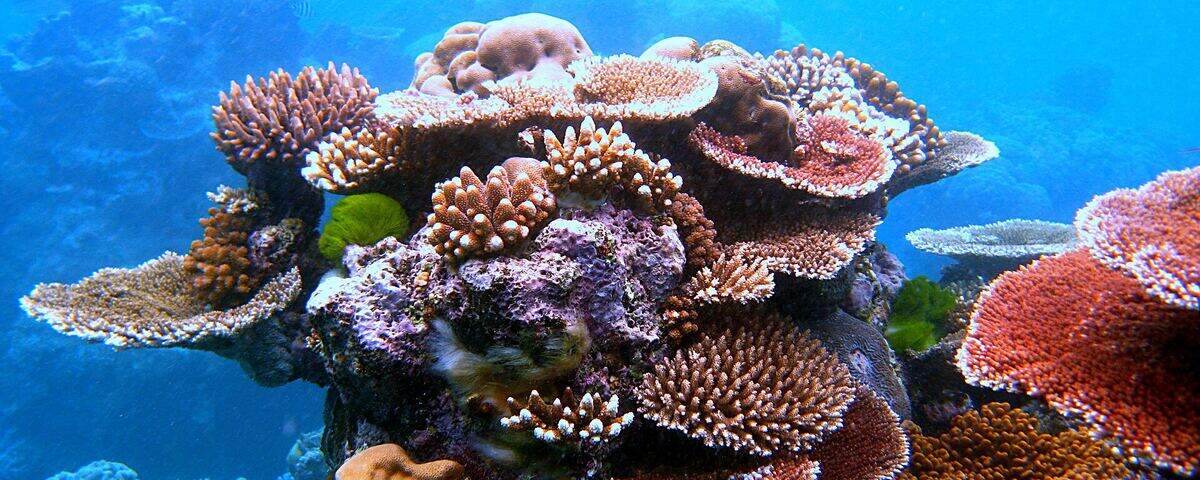
Yellow Wall of Texas sits in the southern reaches of Komodo National Park near Horseshoe Bay, and its name tells you almost everything you need to kno...
Strong currents ripping through narrow channels. Mantas gliding over cleaning stations at Makassar Reef. Reef sharks patrolling the pinnacles of Castle Rock and Crystal Rock. Komodo dive sites are built for divers who want their heart rate elevated, and the Komodo National Park delivers that consistently.
This is drift diving territory. Most sites involve negative entries and fast-moving water, which concentrates marine life around pinnacles and seamounts in ways that calmer destinations simply cannot replicate. The payoff: dense schools of fusiliers, trevally hunting in formation, giant tuna cruising the blue, and manta rays that show up at multiple sites throughout the season. Pygmy seahorses, blue-ringed octopus, and flamboyant cuttlefish round out the macro side.
The diving splits into northern and southern zones. Northern sites (Castle Rock, Crystal Rock, Cauldron) tend to have stronger currents and colder water, with upwellings dropping temperatures to 22°C at depth. Southern sites (Manta Alley, Cannibal Rock) are warmer and often richer in critter life. A proper Komodo trip covers both.
Labuan Bajo, on the western tip of Flores, is the gateway. Daily flights arrive from Bali and Jakarta. From there, day boats reach most sites in 1 to 2 hours. Liveaboards offer the full circuit and access to more remote spots. The dry season (April to November) brings the best visibility, often 20 to 30 metres. Advanced certification is recommended for most sites, though a few sheltered bays work for intermediates.