Boo Windows Dive Site
Raja Ampat, Indonesia · Near Waisai
Overview
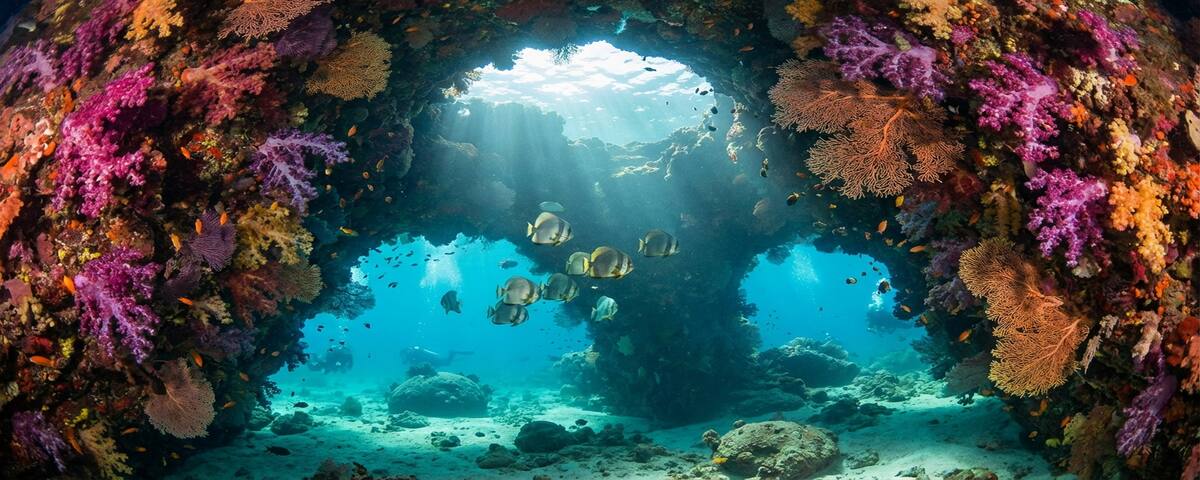
Boo Windows is the photograph that sells Raja Ampat. A small karst islet in the southern Misool region, unremarkable from a distance, until you drop below the surface and find enormous natural archways carved through the rock by centuries of wave erosion. These "windows" sit between 1 and 5 metres depth, framing shafts of tropical sunlight that pour through the openings and illuminate the soft corals clinging to every surface beneath.
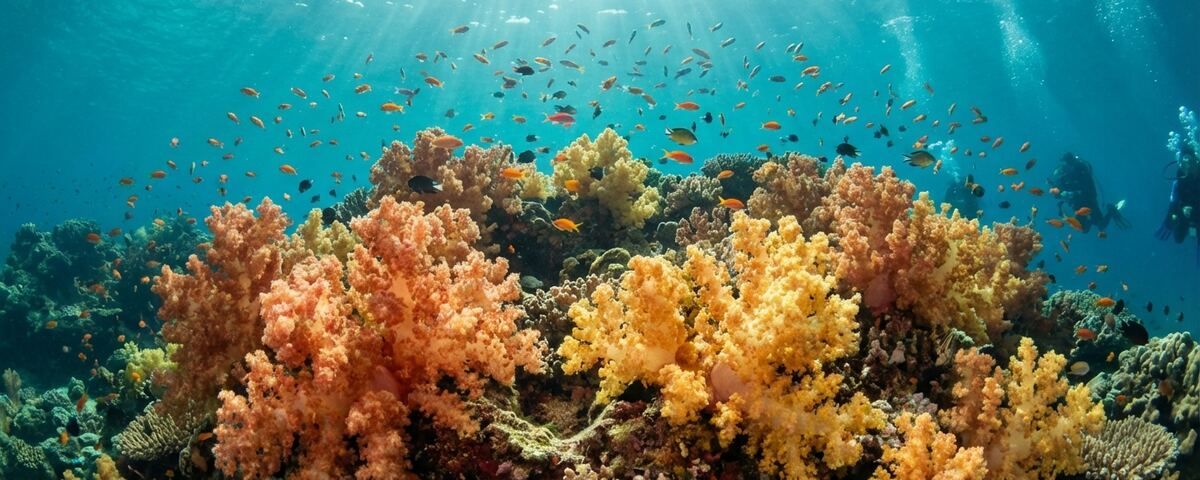
The site wraps around the islet in a way that rewards circumnavigation. Above the waterline, what appears to be two separate rock formations turns out to be a single reef structure connected underwater, riddled with swim-throughs and passages. The southern side opens onto a plateau where rock formations splay outward like a hand of cards being fanned, each face carpeted in dendronephthya soft corals in every shade of pink, purple, orange and red.
What makes Boo Windows special isn't just the topography. It's the combination of dramatic structure and prolific marine life concentrated in a compact area. You can dive the entire islet in 50 minutes if the current cooperates, but most divers spend their entire bottom time at the windows themselves, shooting the same archway from twelve different angles as the light shifts and batfish drift through.
The reef slopes gently outward from the islet for 5 to 10 metres before dropping off as a wall to sandy bottom at 35 to 40 metres. Most of the action, though, happens in the top 15 metres. The windows, the soft coral gardens, the schooling fish, the wobbegong sharks resting on the plateau: all of it is shallow, well-lit, and accessible. This is a site where bottom time is generous and the subjects are stacked on top of each other.
Boo Windows sits in Misool's eastern reaches, far from the Dampier Strait sites that dominate most Raja Ampat itineraries. Getting here requires either a dedicated southern Raja Ampat liveaboard route or a stay at one of the Misool-area resorts. The remoteness keeps diver numbers low, even by Raja Ampat standards. On a good day, you might have the entire site to yourself.
Marine Life at Boo Windows
The signature residents of Boo Windows are the large schools of orbicular batfish that congregate around the archways. Groups of 20 to 50 individuals hang in the water column near the windows, their flat disc-shaped bodies catching the light as they turn. They are remarkably tolerant of divers and will often hold position while you photograph them framed against the window openings.
Wobbegong sharks are a reliable find on the plateau south of the main islet. These tasselled ambush predators rest motionless on hard coral surfaces, their patterned skin blending almost perfectly with the reef. They are docile by nature but remain sharks; if one begins breathing heavily when you approach, that is your signal to back off. Most days you will spot two or three individuals on a single dive.
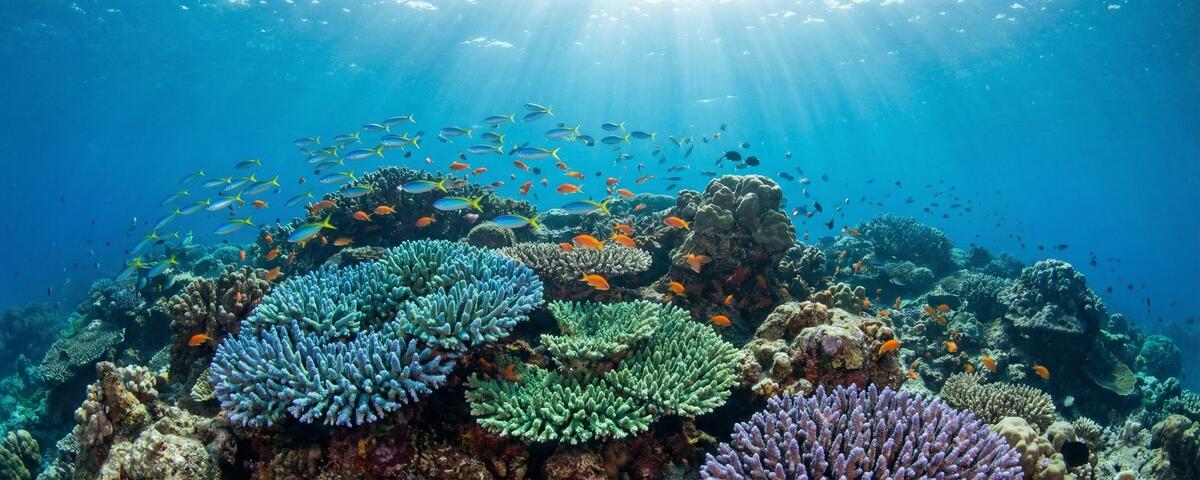
The soft coral coverage at Boo Windows is extraordinary, even by Raja Ampat standards. Dendronephthya in vivid pinks, purples and oranges coat the rock formations, the window frames, the overhangs and the plateau structures. These corals feed on current-borne plankton and open fully during the correct tidal phase, typically the rising tide. Timing your dive to coincide with incoming current makes a visible difference to the colour intensity of the reef.
Fusiliers school in large numbers along the reef edges. Sweetlips cluster under overhangs in groups of five to ten. Reef sharks patrol the wall section on the deeper perimeter. Turtles are regular visitors, particularly green turtles grazing on the reef flat.
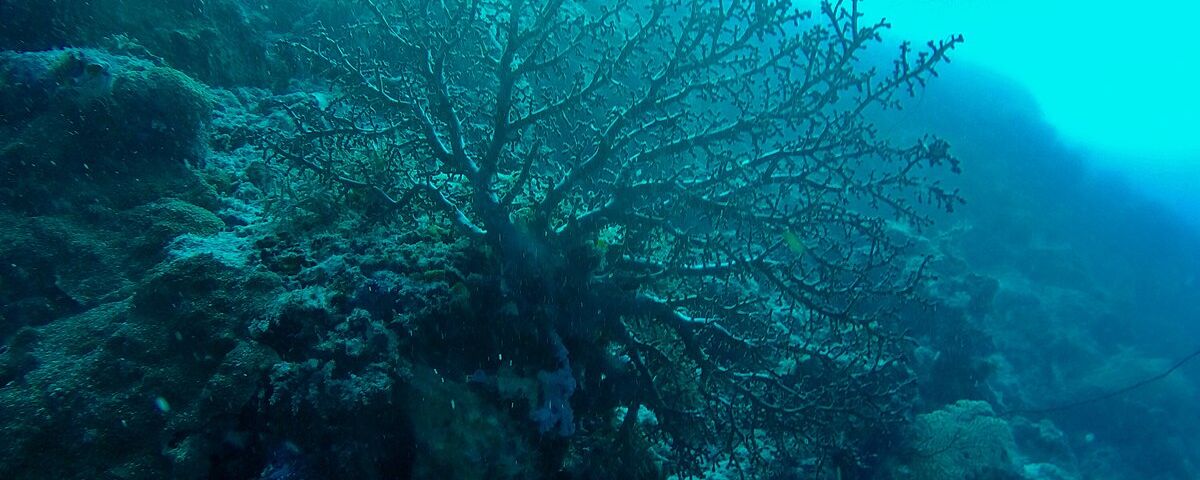
Macro life plays a supporting role but a good one. Pygmy seahorses inhabit the gorgonian sea fans on the deeper slope. Nudibranchs are abundant across the plateau. Mantis shrimp occupy burrows in the rubble patches. A small outcrop near the plateau, nicknamed Pygmy Rock for its resemblance to a lone tree, marks a reliable spot for finding Denise's pygmy seahorse on the surrounding fans.
Epaulette sharks, also called walking sharks, occasionally appear in the extreme shallows during night dives or dawn dives. These small sharks "walk" across the reef using their pectoral fins, a behaviour unique to the species and found only in the Raja Ampat and Papua New Guinea region. Spotting one is not guaranteed, but the possibility adds a genuine thrill to any dive here.
Dive Conditions
Current at Boo Windows ranges from moderate to strong and typically runs east to west. The standard approach drops divers on the western side of the main islet, descending directly to the famous window at around 3 to 5 metres before following the reef southward with the wall on the left shoulder.
The dive profile is straightforward. From the window, the reef slopes gradually deeper as you move south, passing a shallow saddle before reaching the plateau and rock formations at 18 to 25 metres. A pinnacle at the southern tip sits at approximately 15 metres and serves as the turnaround point. Depending on current strength, you either round the southern point to dive the east face or double back along the west.
Visibility is typically 15 to 30 metres, with the clearest water during the peak season from October to April. Water temperature stays between 27 and 30 degrees year-round. Thermoclines are rare at this site due to its relatively shallow profile.
The windows themselves sit at 1 to 5 metres depth, making them ideal for safety stops. Most guides plan the dive to finish back at the archways, giving divers a final opportunity to shoot the window with the benefit of a slowly ascending profile.
The site is compact enough to circumnavigate on a single dive when current is mild. In stronger flow, the western wall and window section alone provide more than enough content for a full 60-minute dive. Surface conditions are generally calm in the lee of the islet, making entries and exits comfortable.
Nitrox extends bottom time on the deeper plateau section but is not critical here. Most of the compelling subjects sit above 15 metres, where NDL on air is generous.
⚓ Divemaster Notes
I have dived Boo Windows enough times to know that tidal timing determines whether you get a good dive or a genuinely spectacular one. The soft corals here are tide-responsive: they open fully on the rising tide as plankton-rich water flows across the reef. If you arrive during a falling tide or at slack, the dendronephthya will be partially closed and the colours muted. Plan your dive for incoming current whenever possible.
Start on the western side and work your way to the window first. The temptation is to descend to the deeper plateau immediately, but resist it. The window at 3 to 5 metres is the star of the show and you want to shoot it with a full tank and fresh eyes. The batfish school at the window is most cooperative in the first ten minutes before they drift away from the bubble disturbance.
Wide-angle is the correct lens choice. I have watched photographers arrive with macro setups and spend the dive wishing they had brought their dome port instead. The windows, the soft coral gardens, the schooling fish: everything here rewards a 10 to 17mm fisheye or rectilinear zoom. If you must shoot macro, the pygmy seahorses on the gorgonians at 20 to 25 metres are reliable, but they are the secondary attraction.
The wobbegongs on the plateau are patient subjects but not infinitely so. If one begins rapid gill pumping, move away immediately. They are ambush predators with a remarkably fast strike when provoked.
Don't rush past the window during your safety stop. Some of my best photographs from this site were taken at 3 metres during the final minutes of the dive, when the sun was at a low angle and the light shafts through the archway were at their most dramatic. Adjust your buoyancy, hover in the window opening, and wait. The image comes to you.
How to Get to Boo Windows
Boo Windows sits in the Misool region of southern Raja Ampat, roughly 150 kilometres south of Sorong. The standard route begins with a flight to Sorong from Jakarta (approximately 5 hours) or Makassar (approximately 3 hours). From Sorong, access to the Misool area is primarily by liveaboard, as the distance rules out comfortable day-trip diving.
Several liveaboard operators run southern Raja Ampat itineraries that include Boo Windows as a featured stop. These trips typically depart from Sorong and spend 7 to 14 nights covering the Misool region alongside the Dampier Strait and other areas. The sailing time from Sorong to the Misool dive sites is approximately 8 to 12 hours overnight.
Misool Eco Resort, located on Batbitim Island near the Misool marine protected area, offers resort-based access to Boo Windows and surrounding sites. The resort operates its own speedboat transfers from Sorong, which take approximately 4 to 5 hours.
Raja Ampat charges a marine park entry permit (currently IDR 1,000,000 for foreign visitors, valid for one year), payable at the visitor centre in Waisai or online in advance. This fee is mandatory regardless of whether you enter through the Dampier Strait or directly to Misool.
Peak season runs from October to April, with December through February offering the calmest seas and best visibility in the southern region. Liveaboard berths and resort rooms during peak season should be booked 6 to 12 months in advance.
Gear Recommendations
Wide-angle lens essential, ideally fisheye or rectilinear zoom in the 10 to 17mm range. Dome port for over-under shots at the shallow window openings. Strobes useful for illuminating soft corals but the windows themselves photograph beautifully with available light. Full 3mm wetsuit sufficient. Reef hook not needed as the site is compact and current-sheltered in most dive areas. SMB for safety. Dive computer with conservative settings for the multi-level profile.
Recommended Dive Operators
La Galigo Liveaboard runs dedicated Raja Ampat itineraries covering both northern and southern regions, with Boo Windows featuring on their 12-day routes through Misool. The Indo Siren operates southern Raja Ampat trips that spend multiple days in the Misool area, allowing repeat dives at Boo Windows under different conditions. The Arenui, a traditional phinisi schooner, includes Misool sites on its Raja Ampat schedule and is particularly popular with underwater photographers. Misool Eco Resort provides land-based diving access to Boo Windows and maintains the surrounding marine protected area, with house reef diving included. Papua Explorers and the Dewi Nusantara also run southern Raja Ampat itineraries that feature this site.
Liveaboard Options
Boo Windows is primarily a liveaboard destination due to its location in southern Misool, far from the main Raja Ampat population centres. La Galigo, Indo Siren, Arenui, Papua Explorer, and Dewi Nusantara all run itineraries that include this site. Trips covering the southern region typically last 10 to 14 nights and combine Misool sites with Dampier Strait diving. The advantage of liveaboard access is the ability to dive Boo Windows at optimal tidal windows and return for repeat dives under different lighting conditions. Most operators schedule two dives at the site when conditions and itinerary allow. Peak season bookings (October to April) fill quickly; reserve 6 to 12 months ahead.