Cross Over Dive Site
Raja Ampat, Indonesia · Near Waisai
Overview
Cross Over sits in the channel between Kri Island and Koh Island, right in the heart of Raja Ampat's Dampier Strait. The name comes from the reef's position as a crossing point where currents from both sides of the strait converge, creating a nutrient highway that feeds one of the most productive reef systems in the region. It's a two-minute boat ride from Papua Diving on Kri Island, which means it gets dived regularly, yet somehow it never feels crowded or depleted.
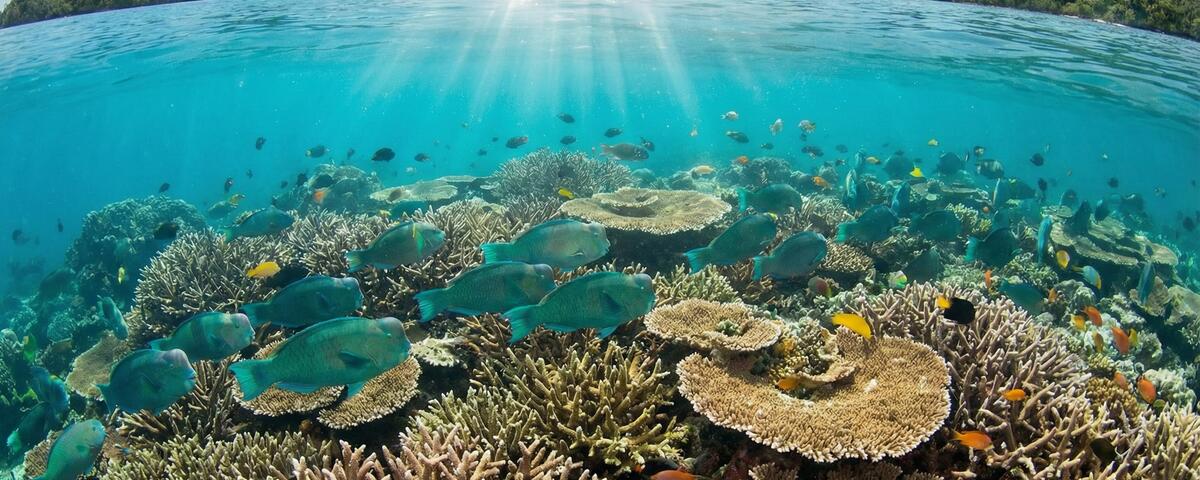
What sets Cross Over apart from the more famous Dampier Strait sites is the combination of healthy hard coral and reliable large animal encounters on the same dive. While Cape Kri wins the species count competition and Blue Magic draws the manta crowds, Cross Over quietly delivers some of the best bumphead parrotfish encounters in all of Raja Ampat. Herds of 30 to 50 bumpheads cruise through here with a regularity that borders on clockwork, crunching coral as they go. You hear them before you see them.
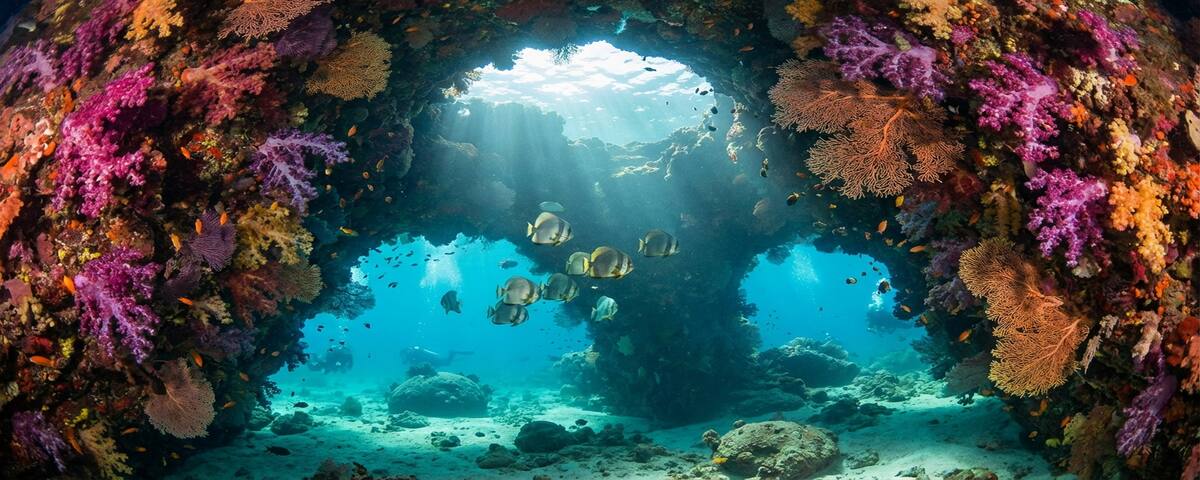
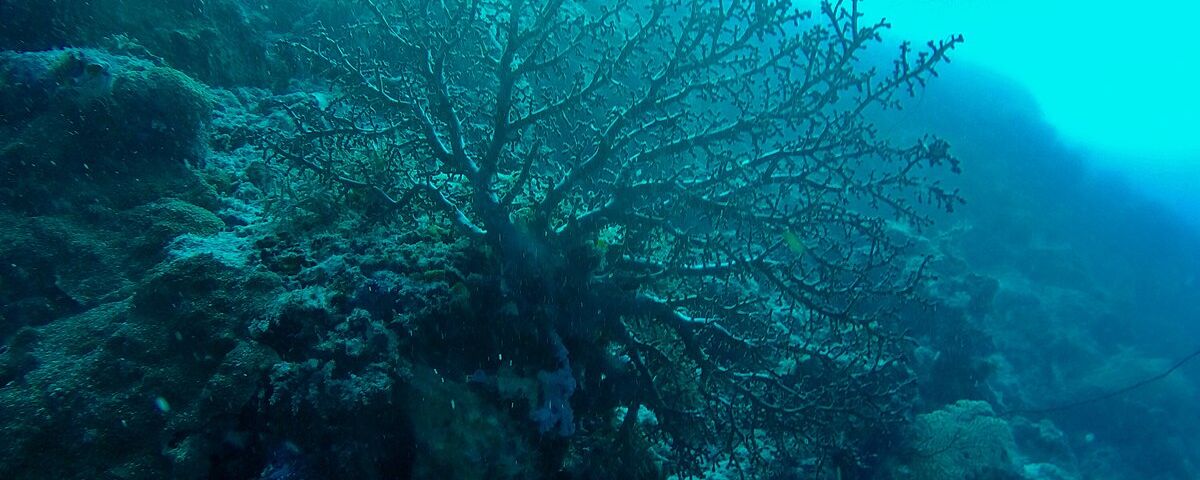
The reef structure runs roughly north to south along the channel between the two islands. The top sits at around 5 metres, sloping down to a sandy bottom at 25 to 30 metres on the deeper side. Hard corals dominate the shallows, with massive Porites boulders and branching Acropora creating a complex architecture that supports a staggering number of reef fish. The deeper sections transition to soft corals, gorgonian fans, and sponges that cling to the current-swept rock faces.
The channel position is everything. Water flowing through the gap between Kri and Koh accelerates as it squeezes through the narrower passage, carrying plankton and nutrients from the open strait. This compression effect concentrates food and, by extension, the animals that eat it. Blacktip reef sharks patrol the reef edges. Schools of fusilier and surgeonfish pack the mid-water. Giant trevally slash through baitballs with explosive strikes. On a good current day, Cross Over delivers more action per minute than sites with ten times its reputation.
The site works as both a wide-angle spectacle and a macro hunting ground, though the balance tips heavily toward wide-angle when current is running. Save your macro lens for a slack tide visit, when the slower pace reveals the smaller residents hiding in the coral matrix.
Marine Life at Cross Over
Bumphead parrotfish are the headline act at Cross Over, and they deliver consistently. Schools of 20 to 50 individuals move through the site in loose formations, their bulk making everything else on the reef look undersized. Watching a herd of bumpheads feeding is an experience that never gets old. They headbutt the coral, bite off chunks, grind them with pharyngeal teeth, and excrete white sand clouds behind them. The sound of their feeding carries through the water like distant gravel being crushed. If you position yourself in their path and stay low, they'll pass within arm's reach without changing course.
Blacktip reef sharks are year-round residents, typically patrolling the reef edges where the slope meets the sandy channel floor. Groups of three to six sharks are standard. They're not skittish here; the low boat traffic between Kri and Koh means they haven't been habituated to scatter at the first sign of bubbles. White-tip reef sharks rest under coral overhangs during the day and become more active as light fades.
Schooling fish fill the mid-water column in quantities that are simply absurd, even by Raja Ampat standards. Yellowback fusiliers stream past in rivers of blue and yellow. Surgeonfish gather in feeding aggregations across the reef top. Big-eye trevally form spiralling columns that shift and reshape continuously. When the current is running properly, the density of fish between you and the surface blocks out sunlight in patches.
Giant trevally are the apex predators of the upper reef, and Cross Over provides regular front-row seats to their hunting behaviour. They work the edges of fusilier schools, making sudden accelerating strikes that send shockwaves of scattered fish in all directions. Barracuda school here too, typically holding station in the current on the deeper side of the reef slope.
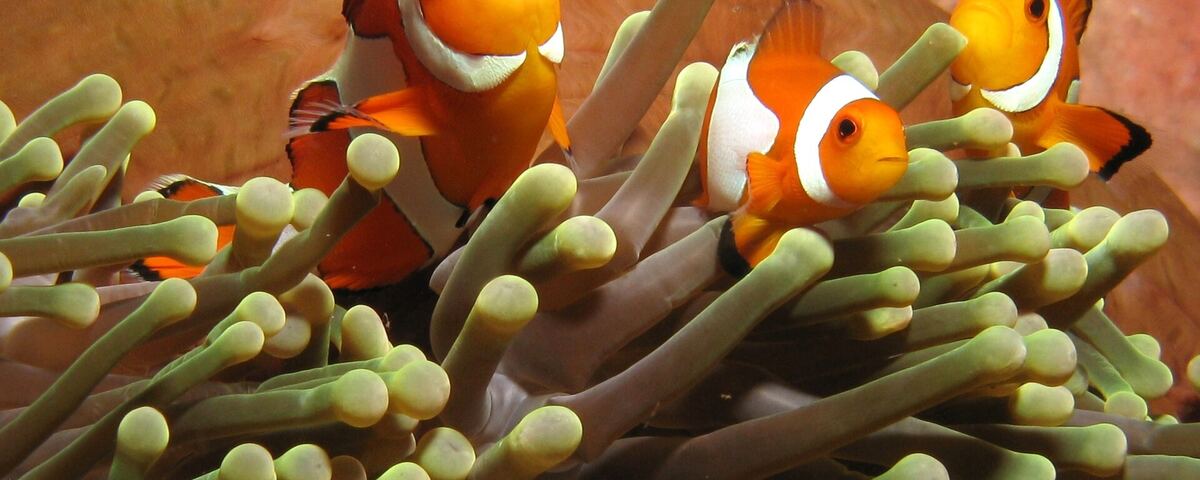
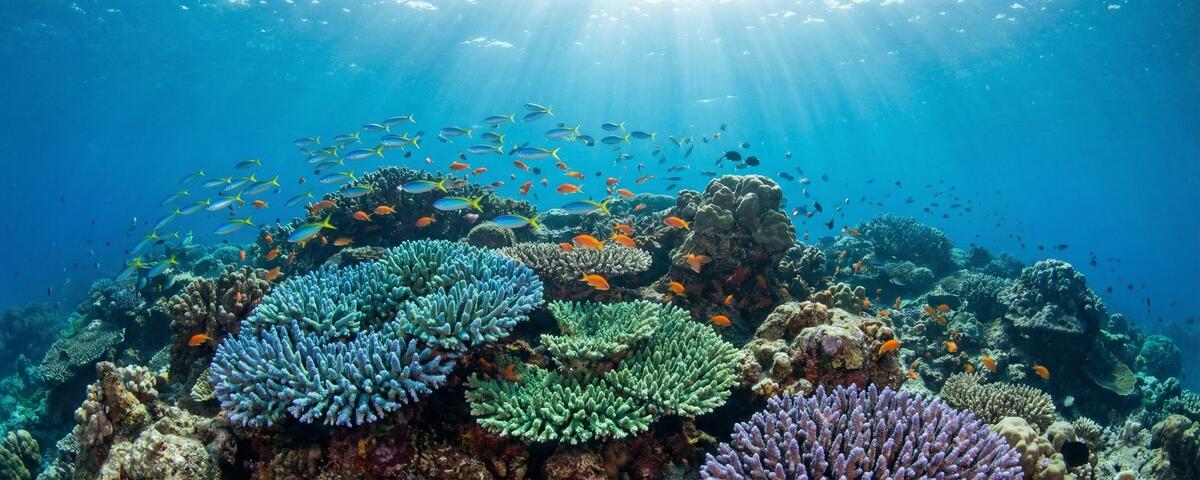
The hard coral gardens on the reef top support clouds of anthias and damselfish. Anemones host multiple species of clownfish. Hawksbill turtles are frequent visitors, drawn to the sponges on the deeper sections. For macro, the gorgonian fans below 18 metres harbour pygmy seahorses (both Bargibant's and Denise's), though finding them requires patience and a guide who knows their specific home fans. Nudibranchs are scattered across the reef, with Chromodoris and Phyllidia species being the most common.
Dive Conditions
Current defines the Cross Over experience. The channel between Kri and Koh funnels Dampier Strait water through a relatively narrow gap, and the result is anything from a gentle drift to a proper washing machine depending on tidal phase. Moderate current is the norm, but incoming or outgoing tides can push the flow into strong territory without much warning. The transition between tides is the sweet spot: enough movement to bring the fish action, but not so much that you're fighting for position.
Most dives are conducted as drift dives, entering upstream and letting the current carry you along the reef. Your guide picks the entry point based on current direction and drops you on the reef top at around 5 to 8 metres. From there, the dive profile follows the slope down to your target depth before drifting back up for the second half. The boat tracks your SMB and collects at the end.
On strong current days, the site becomes genuinely challenging. The flow can push you off the reef and into the open channel if you're not managing your buoyancy and position carefully. Reef hooks are useful for pausing at specific points, particularly if the bumpheads are moving through and you want to hold position in their path. Hook onto dead rock only, never live coral.
Visibility ranges from 15 to 30 metres depending on season and tidal conditions. The best clarity comes during the October to April dry season, when reduced rainfall means less sediment runoff. Green water occasionally pushes through the channel during upwelling events, dropping visibility to 10 metres but dramatically increasing plankton density and, consequently, fish activity.
Water temperature holds steady between 27 and 30 degrees year-round. Thermoclines are less common here than at deeper Raja Ampat sites, though occasional cold patches drift through the channel. A 3mm wetsuit is standard for most divers. Entry is by boat, typically a back roll or giant stride from a small dive tender.
⚓ Divemaster Notes
Cross Over is one of those sites where reading the current before you drop is worth more than anything you do underwater. The channel between Kri and Koh shifts direction with the tide, and the transition period, roughly 30 minutes on either side of slack, is when this dive goes from good to extraordinary. That's when the bumpheads tend to move through, the sharks patrol more openly, and the schooling fish stack up at the reef edges.
Start on the reef top at 5 to 8 metres and spend a few minutes assessing the flow before committing to a direction. If current is running north to south, enter on the north end and drift along the reef slope. If it's reversed, flip your plan. The reef is forgiving in that it offers shelter on both sides of the ridge, so you can duck behind coral formations if the current gets too much.
The bumphead parrotfish typically follow a predictable route along the deeper reef slope between 12 and 18 metres. If your guide knows their timing (and at Papua Diving, they absolutely do), you can position yourself ahead of the school and let them come to you. Stay low, breathe slowly, and resist the urge to chase. Bumpheads tolerate passive divers but will change direction if you swim at them aggressively.
Don't ignore the reef top. The hard coral gardens between 5 and 10 metres are some of the healthiest in the Dampier Strait, and the fish life in the shallows rivals what's happening deeper. Use your safety stop productively up here rather than hovering in blue water watching your computer.
The honest limitation of this site is that strong current days turn it into a pure drift with limited control over where you end up. On those days, there's no hovering over a pygmy seahorse or pausing to watch the bumpheads. You go where the water takes you. If you're after the full Cross Over experience, specifically request it during a slack tide window. Your dive operator should be able to time it.
How to Get to Cross Over
Cross Over is located in the Dampier Strait, in the channel between Kri Island and Koh Island. It's one of the closest dive sites to the Papua Diving resort on Kri Island, sitting roughly two minutes away by boat. Other resorts in the Dampier Strait area, including Raja Ampat Dive Resort on Mansuar Island and Soul Scuba Divers on Yenbuba, reach Cross Over in 5 to 15 minutes.
The gateway to Raja Ampat is Sorong, a city on the western tip of the Bird's Head Peninsula in West Papua. Direct flights from Jakarta take approximately five hours; connections from Bali route through Makassar or Jakarta. From Sorong, a public ferry crosses to Waisai on Waigeo Island in two to three hours. Most dive resorts arrange private speedboat transfers from Sorong directly to their location, bypassing Waisai entirely.
Raja Ampat charges a marine park entry permit, currently IDR 1,000,000 for foreign visitors and valid for one year. The fee is payable at the Marine Park Authority office in Waisai or, for guests arriving by private transfer, can sometimes be arranged through the resort.
Booking during peak season (October to April) requires planning. Resort availability fills months ahead, particularly at the Kri Island and Mansuar Island properties that sit closest to Cross Over and the other Dampier Strait dive sites. The journey from any international airport to the dive sites takes a minimum of one full day, often two with overnight stops in Sorong.
Gear Recommendations
Reef hook recommended for holding position in current, particularly when bumphead parrotfish are passing through. Wide-angle lens is the right choice for this site; the schooling fish and bumphead encounters demand it. Full 3mm wetsuit standard. SMB mandatory for drift dive exit. Nitrox recommended for extending bottom time in the 10 to 18 metre range where most of the action concentrates. Dive computer with current-aware alerts.
Recommended Dive Operators
Papua Diving on Kri Island is the original dive operation in the Dampier Strait and sits closest to Cross Over. Their guides have logged thousands of dives in this channel and know exactly where the bumphead parrotfish route through on any given tide. The resort's proximity means they can time Cross Over visits for optimal current windows rather than being locked into a fixed schedule.
Raja Ampat Dive Resort on Mansuar Island runs daily trips to Cross Over as part of their standard Dampier Strait rotation. Their guides are experienced with the site's current patterns and brief thoroughly on drift procedures.
Soul Scuba Divers operates from Yenbuba village and offers flexible diving with small group sizes. Their local knowledge of the channel conditions between Kri and Koh is strong.
For liveaboard access, the Dewi Nusantara, Damai, and Papua Explorer all include Dampier Strait diving on their Raja Ampat itineraries. Cross Over may not be specifically named on every trip plan, but experienced captains know the site and will include it when conditions suit.
Liveaboard Options
Cross Over features on most Dampier Strait-focused liveaboard itineraries, though it may not always be named explicitly in the trip plan. The Dewi Nusantara, Damai, Arenui, and Papua Explorer all operate Raja Ampat routes that include multiple Dampier Strait dives, and Cross Over sits within the standard rotation alongside Cape Kri, Sardines Reef, and Blue Magic. Liveaboards offer the advantage of flexibility: if current conditions at Cross Over aren't ideal on the planned day, the captain can return later in the trip when the tidal window is better. Most Raja Ampat liveaboards operate during the peak season from October to April, with trips typically running 7 to 14 nights. Budget roughly USD 300 to 500 per night depending on the vessel.