Fiabacet Dive Site
Raja Ampat, Indonesia · Near Misool
Overview
Fiabacet is a chain of four small islands southeast of Misool in Raja Ampat, and it might be the most visually stunning reef system in a region already famous for having the best reefs on the planet. That's not hyperbole. The coral coverage here is so dense, so colourful, and so absurdly healthy that first-time visitors tend to surface with a slightly glazed expression, unsure of what they just saw.
The four islets sit in a short chain with deep water surrounding them on all sides. Oceanic currents sweep through the channels between the islands, delivering nutrients that fuel an ecosystem of almost unreasonable abundance. Pinnacles, walls, submerged ridges, and shallow reef crests give the site a topographic complexity that supports everything from pygmy seahorses to hammerhead sharks, sometimes on the same dive.
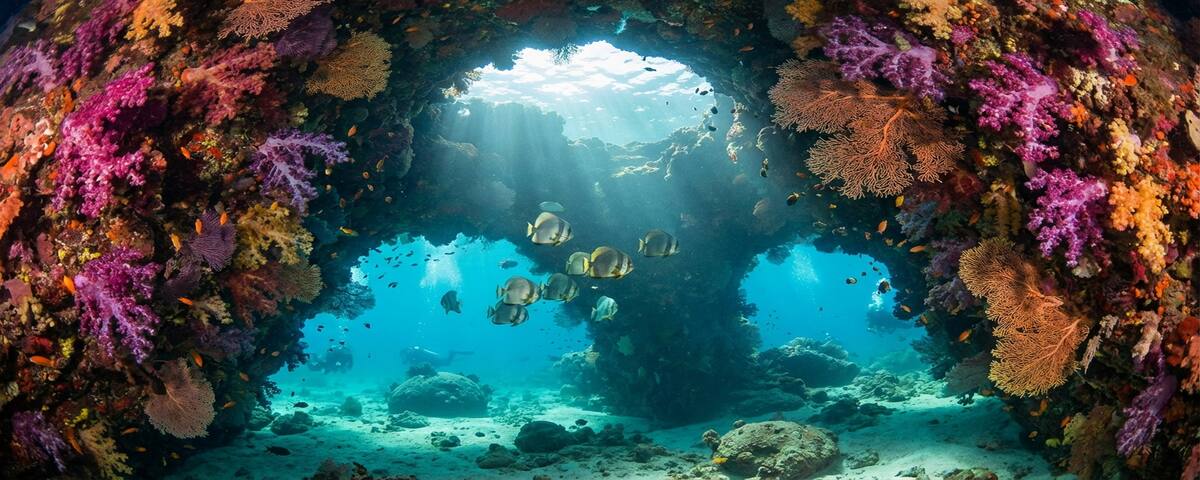
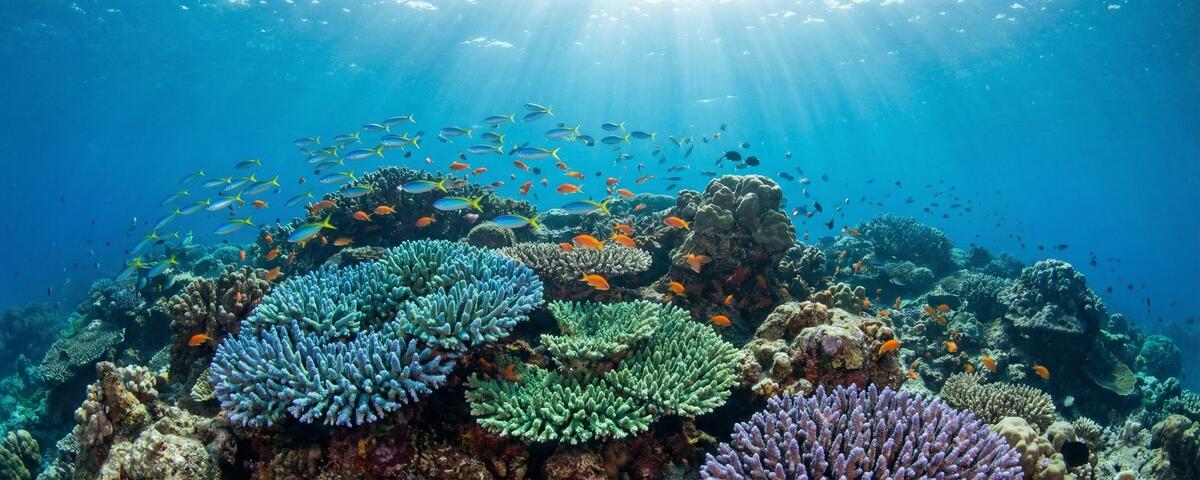
Fiabacet sits within the Misool Marine Reserve, a no-take zone that has allowed fish populations to recover to levels that feel almost prehistoric. Schools here aren't measured in dozens. They're measured in thousands. The soft coral gardens that blanket the reef crests are routinely described by underwater photographers as the most photogenic in the world, and having seen a fair number of reefs, it's hard to argue with that assessment.
The remoteness is both the site's greatest asset and its main barrier. You're getting here by liveaboard or from Misool Eco Resort, and that's it. No day trips from Sorong. No casual drop-ins. The multi-day journey to reach Fiabacet filters out all but the most committed divers, which means you'll likely have these reefs to yourself.
An underwater ridge connects Fiabacet to neighbouring features including Boo Rocks to the east and Kalig Island to the west. Along this ridge sit subsidiary sites like Tank Rock, Nudi Rock, and Whale Rock, each worth a dive in their own right. But the main Fiabacet islands, particularly the channels between the first and second islets and between the third and fourth, deliver the site's signature experiences.
Marine Life at Fiabacet
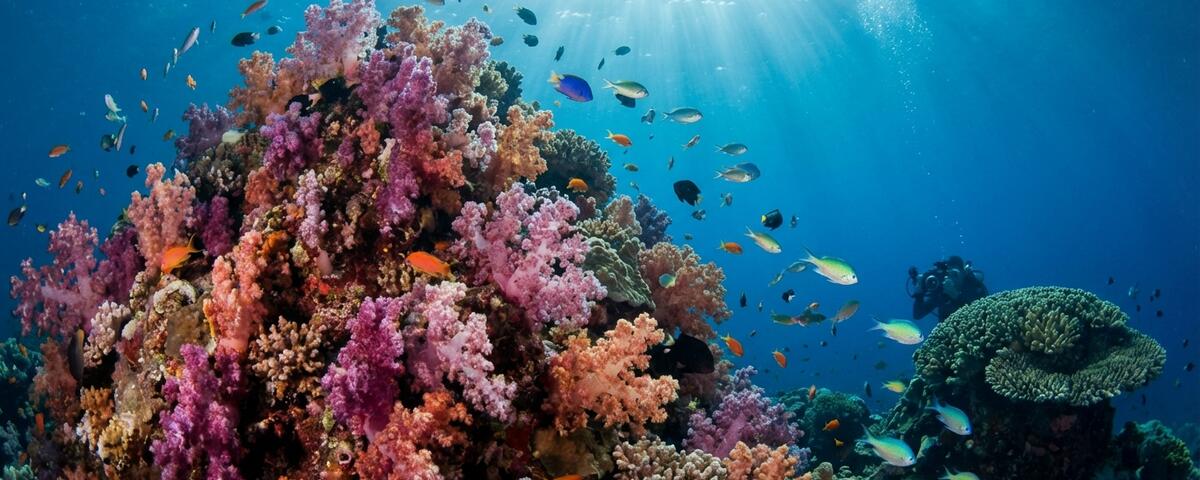
The soft coral coverage at Fiabacet is genuinely world-class. Reef crests explode with leather corals, dendronephthya in shades of pink, purple, and orange, barrel sponges, whip corals, and sea fans layered so thickly you can barely see the substrate beneath. Tunicates and sea squirts add unexpected splashes of electric blue and neon green. The shallows between 3 and 10 metres are where the colour peaks, and on a clear day with the sun overhead, the effect is borderline psychedelic.
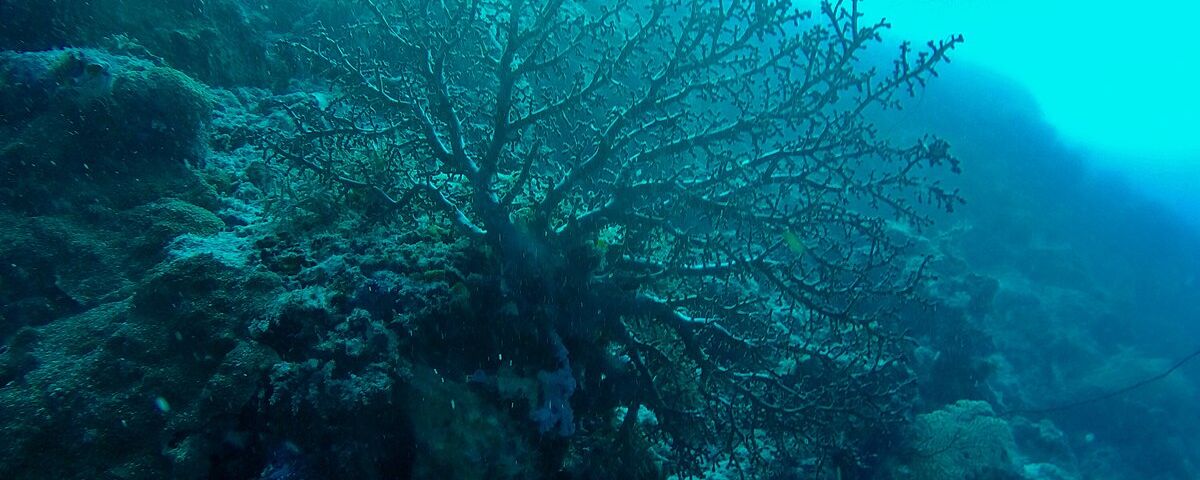
Deeper sections from 20 to 40 metres host enormous gorgonian sea fans in pink, purple, and lilac. These fans grow large here because the current delivers a constant supply of plankton, and the no-take zone means nobody has been hacking them off for the aquarium trade. Some of these fans are well over two metres across.
Fish life matches the coral. Neon fusiliers stream past in dense ribbons. Pale-lipped surgeonfish school in the hundreds. Six-banded angelfish and blue-girdled angelfish patrol the deeper walls. Orange-spotted trevally work the edges of the reef, hunting slender fusiliers with focused aggression. Redtooth triggerfish and schooling bannerfish fill the mid-water.
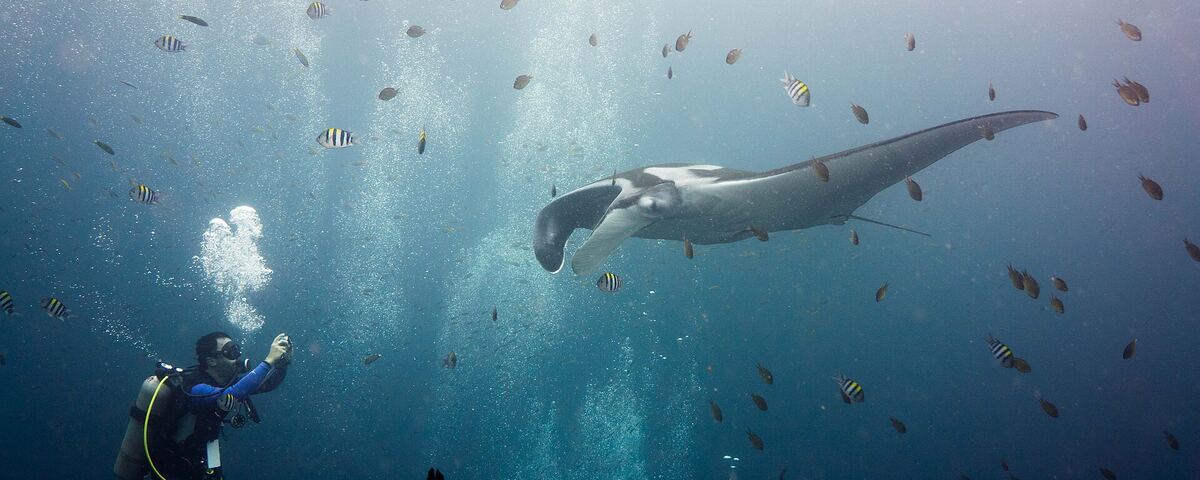
The pelagic visitors are what push Fiabacet from excellent to extraordinary. Schools of yellowtail barracuda stack up in the channels when current runs. Big-eye trevally form dense balls near the pinnacles. Reef sharks (black-tip and white-tip) are common residents. Wobbegong sharks rest on ledges and overhangs, their tasselled outlines surprisingly hard to spot against the reef. Napoleon wrasse cruise past with the calm authority of fish that have never been speared. Rainbow runners, mackerel, and tuna pass through in the blue water beyond the reef edge.
Great hammerhead sharks have been reported rising from the deep, though sightings are unpredictable and current-dependent. Green turtles are reliable, often spotted munching on sponges along the reef crest.
Macro life is quietly excellent. Pygmy seahorses cling to the gorgonian fans at depth (Denise's and Bargibant's both recorded here). Nudibranchs are abundant across all depths. Flatworms, reef octopus, and a variety of blennies reward anyone willing to slow down and look closely. The problem is convincing yourself to look at a 3-centimetre nudibranch when a wall of barracuda just appeared behind you.
Dive Conditions
Current at Fiabacet ranges from moderate to strong and is the primary factor determining both the quality and the difficulty of each dive. The channels between the islands act as funnels, accelerating tidal flow and concentrating marine life in predictable zones. When current is running, the fish action in these channels is outstanding. When it's slack, you get better macro opportunities but less pelagic drama.
Most dives are conducted as drift dives along the island walls or through the channels. Your guide will read the current direction and choose the entry point accordingly. The channel between the first and second islands (separated by roughly 60 metres of water) is the classic dive, with the pinnacle off the northwestern tip of the first island as the highlight.
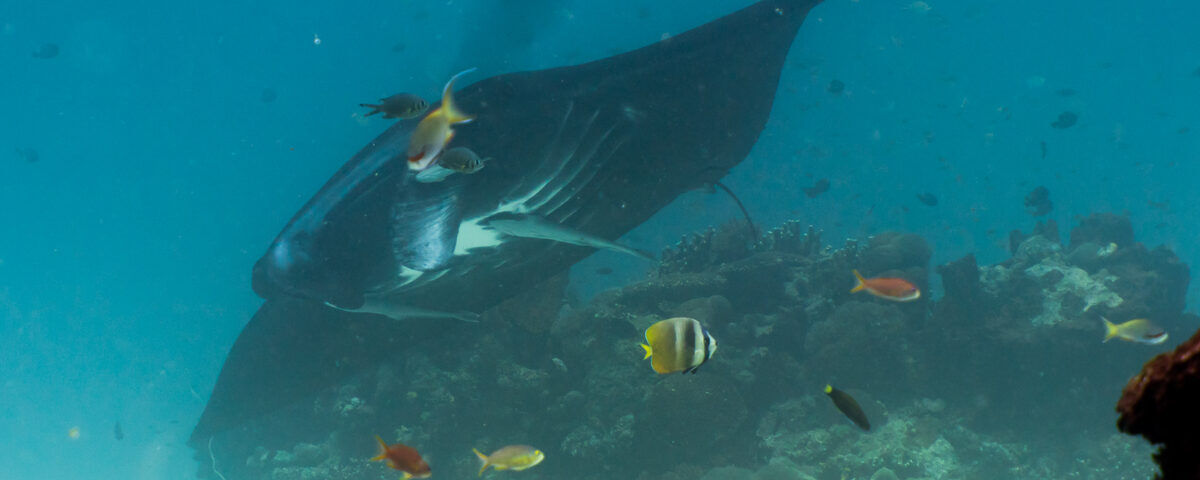
Visibility is typically 20 to 35 metres, among the best in Raja Ampat. The deep surrounding water and oceanic currents keep the water column clean. Plankton blooms during the wet season (June to September) can reduce visibility to 15 metres, though this also brings manta rays to nearby cleaning stations.
Water temperature holds steady at 27 to 30 degrees year-round. A 3mm wetsuit is standard. Some divers prefer a 5mm for multiple dives per day, particularly on the deeper profiles where you'll spend time at 30 metres or below.
The site is suitable for intermediate divers on moderate current days. Strong current conditions push it firmly into advanced territory, and your operator should assess conditions before each dive. Negative entries are standard when current is significant.
Nitrox is strongly recommended. The best coral and fish action spans from 5 to 25 metres, and Nitrox extends your time in this productive zone significantly. Given that you've travelled days to reach Fiabacet, maximising bottom time on every dive makes obvious sense.
⚓ Divemaster Notes
Fiabacet is one of those sites where the gap between a good dive and an extraordinary dive comes down to timing and current reading. The channel between islands one and two is the headline dive, but only when current is flowing. During slack tide, the fish disperse and you're left with (admittedly spectacular) coral scenery minus the pelagic action that makes this site legendary.
The submerged pinnacle off the northwestern tip of the first island is the single best spot on the site. Position yourself on the upstream side and let the current deliver the show. If current is strong enough to warrant a reef hook, deploy it on dead rock or rubble only. The corals here are pristine specifically because divers haven't been destroying them with poorly placed hooks.
For photography, the shallow reef crests between 3 and 10 metres are the money shot for soft coral coverage. Plan your ascent to spend your safety stop time here rather than in open water. The afternoon light between 14:00 and 16:00 produces the best colour saturation when the sun angle lights up the reef from the side.
The dive between islands three and four deserves equal attention but gets less traffic. If your operator offers it as an option, take it. The wall structure here supports a different community of gorgonians and the wobbegong population is higher.
Honest limitation: weather can shut this site down entirely. The exposed position means that swells and wind from the wrong direction make boat operations impossible. Liveaboard itineraries always have backup sites, but Fiabacet isn't guaranteed on any trip. Flexible scheduling and multiple days in the area increase your odds substantially.
Don't rush through here. If your liveaboard offers three or four dives at Fiabacet and surrounding sites, take them all. This is a site that rewards repetition. The second and third dives reveal details you missed entirely on the first because you were too busy being overwhelmed by the scale of it.
How to Get to Fiabacet
Fiabacet is located approximately 25 kilometres southeast of Misool Island in southern Raja Ampat. There are exactly two ways to dive here: by liveaboard or from Misool Eco Resort. No other options exist.
The liveaboard route is the most common. Boats typically depart from Sorong, the gateway city in West Papua, reached by direct flights from Jakarta (about 5 hours) or Makassar (about 3 hours). The sailing time from Sorong to the Misool area is roughly 10 to 14 hours, and liveaboard itineraries covering southern Raja Ampat usually include Fiabacet as a highlight stop.
Misool Eco Resort operates in the area and offers diving access to Fiabacet and surrounding sites. The resort transfer from Sorong involves a combination of speedboat legs totalling several hours.
Raja Ampat charges a marine park entry permit (currently IDR 1,000,000 for foreign visitors, valid for one year). Pay this at the visitor centre in Waisai or arrange it through your liveaboard operator before departure.
Flights to Sorong are limited. During peak diving season (October to April), both flights and liveaboard berths book out months in advance. Plan accordingly. The journey from any international airport to Fiabacet takes a minimum of two days, and that's with good connections.
The remoteness is the price of admission. It also means Fiabacet receives a fraction of the diver traffic that Dampier Strait sites like Cape Kri or Manta Sandy get. On most days, your group will be the only divers in the water.
Gear Recommendations
3mm wetsuit standard, 5mm if doing four or more dives per day. Reef hook for holding position in current at the pinnacles (practice deployment before arriving). Wide-angle lens is the primary choice for the coral gardens and schooling fish. Macro lens for dedicated pygmy seahorse and nudibranch dives on calmer days. SMB mandatory for drift dive exits. Nitrox certification strongly recommended for extended bottom time in the productive 5 to 25 metre zone. Dive computer with current alerts. Torch for illuminating soft coral colours under overhangs and at depth.
Recommended Dive Operators
Liveaboard diving is the primary access method for Fiabacet. The Dewi Nusantara runs comprehensive Raja Ampat itineraries covering both northern and southern routes, with Fiabacet featuring on the southern Misool legs. The Damai offers luxury small-group trips with experienced Raja Ampat guides. Papua Explorer runs dedicated southern Raja Ampat routes at more accessible price points. The Arenui (the boutique) combines diving with Indonesian art and culture aboard a traditional phinisi.
Misool Eco Resort is the only land-based operation with regular access to Fiabacet. The resort sits within the Misool Marine Reserve and their dive team knows these sites intimately. Their conservation work, including shark fin trade buybacks and reef patrols, is directly responsible for the recovery of marine life at sites like Fiabacet.
When booking a liveaboard, confirm that the itinerary specifically includes the southern Misool area and Fiabacet. Not all Raja Ampat itineraries venture this far south. Northern routes focused on Dampier Strait and Wayag won't reach Fiabacet.
Liveaboard Options
Southern Raja Ampat liveaboard itineraries are the standard way to dive Fiabacet. The Dewi Nusantara, Damai, Arenui, and Papua Explorer all run routes that include the Misool area. Trips typically last 10 to 14 nights and cover Fiabacet alongside other southern highlights including Boo Windows, Magic Mountain, and the Daram area. Most operators run these itineraries during peak season from October to April, though some extend into the shoulder months. Expect to pay USD 4,000 to 8,000 for a full southern Raja Ampat liveaboard trip depending on the vessel and cabin grade. Book well in advance for peak season departures. Southern itineraries are less frequently offered than northern Dampier Strait routes, so availability is more limited.