Mios Kon Dive Site
Raja Ampat, Indonesia · Near Waisai
Overview
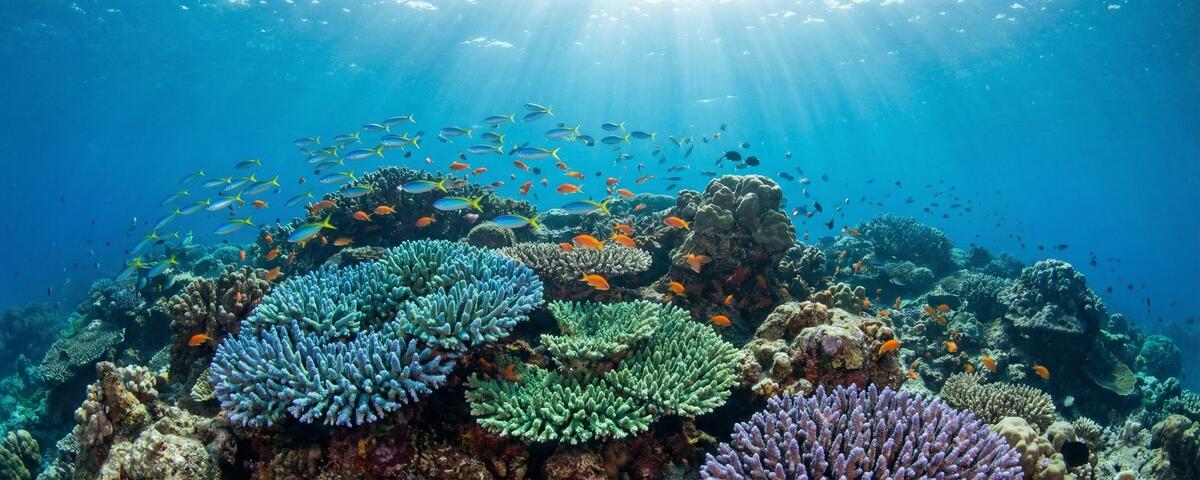
Mios Kon sits at the eastern end of the Dampier Strait, a small limestone island wrapped in a V-shaped reef that slopes gently to a sandy bottom at 25 metres. It is the dive site in Raja Ampat that makes you forget about depth gauges. The best of it happens between 7 and 12 metres, where coral gardens pack more colour and life per square metre than sites twice as deep elsewhere in the archipelago.
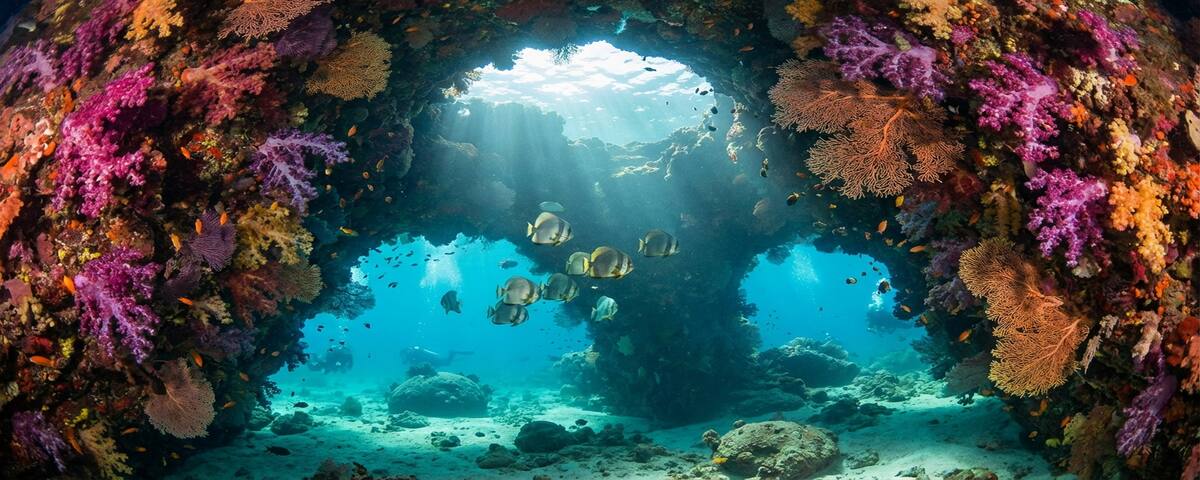
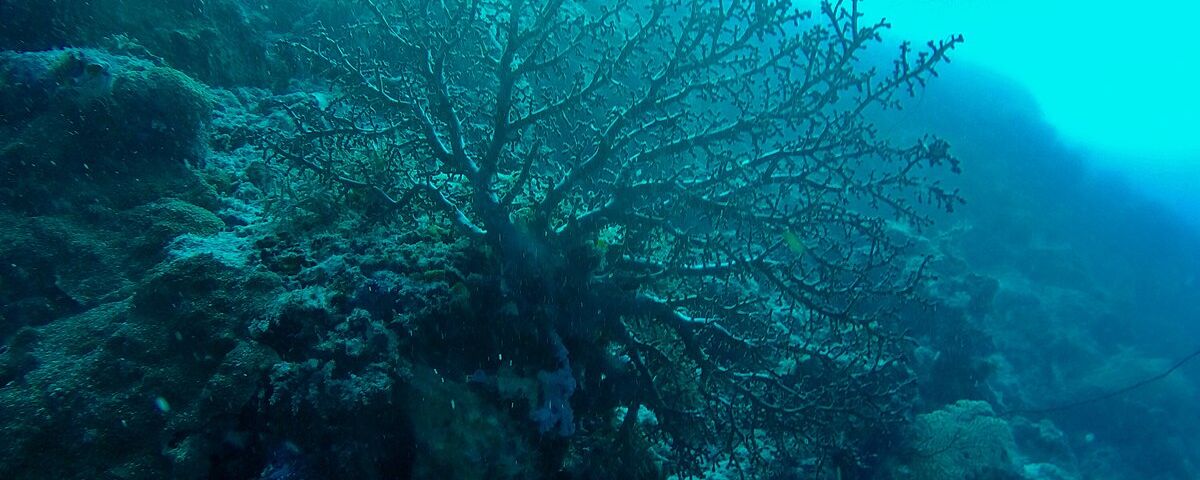
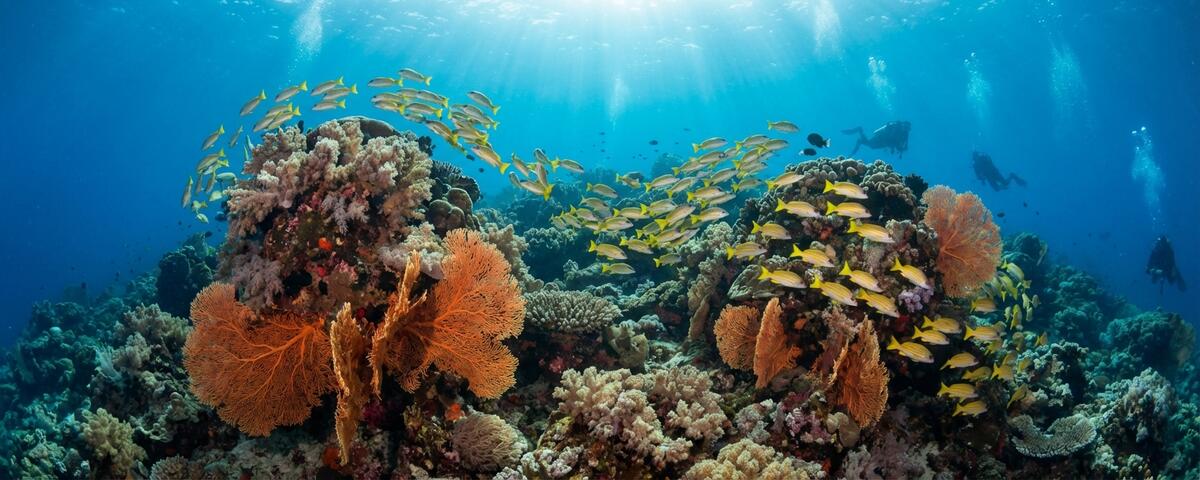
The reef structure here is a long ridge running southeast from the island, dotted with coral bommies that rise from the sand like small underwater hillocks. Each bommie is its own ecosystem: soft corals, orange sea fans fringed with featherstars, staghorn formations, leather corals, sponges, and tunicates competing for space on every surface. The hard coral diversity alone would justify the dive. Raja Ampat holds the world record for coral species richness, and Mios Kon is one of the sites where that record feels tangible rather than statistical.
What separates Mios Kon from the current-blasted pinnacles and deep walls elsewhere in Raja Ampat is its accessibility. There is no ripping current to fight. No deep drop-off demanding careful buoyancy. The site welcomes newly certified divers and seasoned photographers with equal generosity, which is rare in a region known for challenging conditions. Operators use it as a check dive for arriving guests, which sounds like faint praise until you realise the check dive at Mios Kon outperforms the main event at most destinations worldwide.
The island itself is sometimes called Bat Island by locals, a reference to the fruit bats roosting in the coastal trees. At dusk, they launch in ragged clouds over the water, hunting fruit on neighbouring islands. Beneath them, the reef transitions into a different world entirely. Mios Kon is one of Raja Ampat's best night dive sites, producing walking sharks, harlequin shrimps, sponge crabs, and other critters that hide during daylight hours. The day dive is a coral showcase. The night dive is a macro safari. Same reef, two completely different experiences.
Marine Life at Mios Kon
Schools of yellow-lined snappers dominate the mid-water column here, sweeping up and down the reef slope in groups of several hundred. Blue-lined snappers join them in loose aggregations that shift and reform as you drift past. The snappers are the first thing you notice, and probably the last thing you photograph, because they're everywhere and they photograph well against the coral backdrop.
Wobbegong sharks are the signature species at Mios Kon. These flat, tasselled sharks rest on the reef floor and under bommie overhangs, relying on camouflage so effective that your guide will need to point them out. Raja Ampat is one of the few places where wobbegongs are reliably encountered, and Mios Kon delivers them consistently. On a single dive you might spot three or four individuals tucked into different crevices, their ornate skin patterns blending with the surrounding coral rubble.
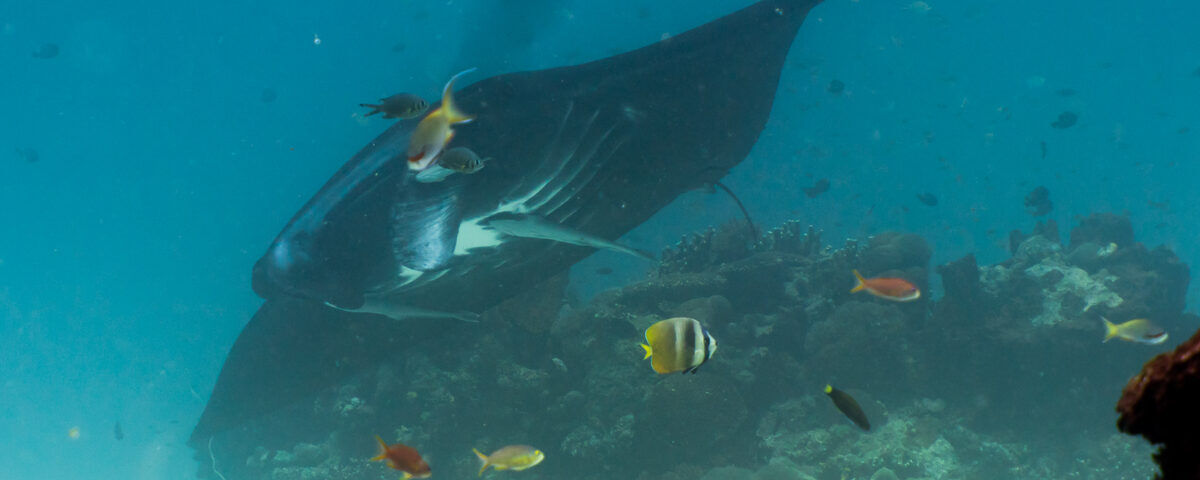
Napoleon wrasse cruise the reef edges with the casual authority of animals that know nothing here threatens them. Bumphead parrotfish pass through in small herds, their bulk making the coral formations look miniature by comparison. Giant groupers occupy the larger overhangs, and jacks work the current side of the reef in loose hunting packs.
The macro life at Mios Kon punches well above what you would expect from a site primarily known for its coral gardens. Pontohi pygmy seahorses cling to the gorgonian fans at depth, barely visible at 15 millimetres long. Denise's pygmy seahorses are also present on the sea fans. Nudibranchs are abundant across the reef, and peacock mantis shrimps occupy burrows in the sandy patches between bommies, their iridescent shells catching the light when they emerge.
At the 9-metre mark on the southeastern tip of the reef sits a giant clam of genuinely impressive size. It is old, well-established, and surrounded by the coral garden's densest growth. Near this clam, guides often locate the pontohi seahorses, creating a strange juxtaposition: the largest clam species on earth within a metre of one of the ocean's smallest fish.
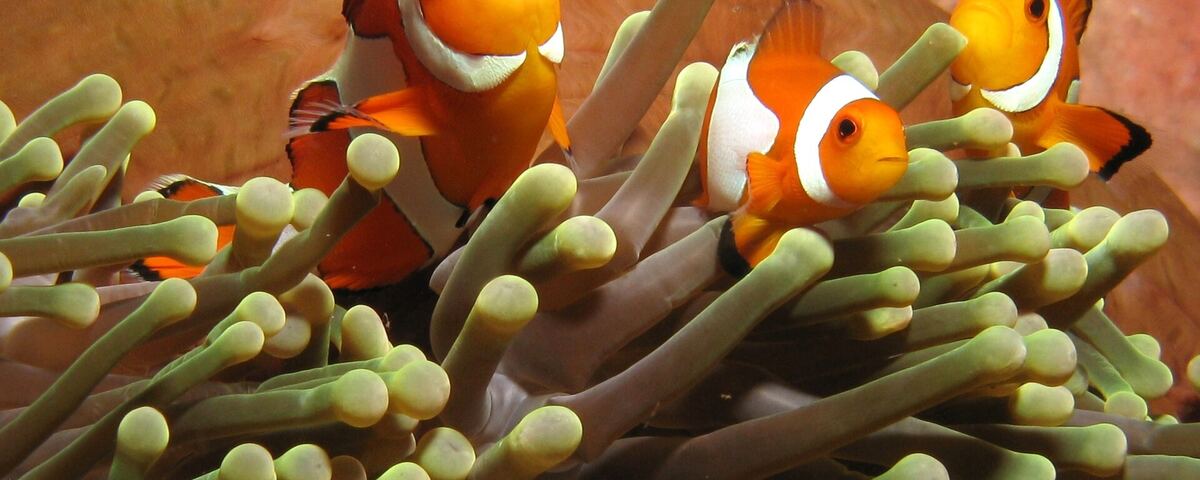
Blue-ringed octopus sightings are uncommon but documented. Batfish patrol the shallower sections, and juvenile batfish, with their striking black bodies edged in brilliant orange, are a regular highlight. The reef supports the full cast of tropical species you would expect: butterflyfish, angelfish, damselfish, surgeonfish, fusiliers, and moray eels occupying every available habitat from sand to surface.
Dive Conditions
Current at Mios Kon ranges from mild to moderate, making it one of the most relaxed dives in the Dampier Strait. The V-shaped reef and island geography provide natural shelter, and most dives are conducted as gentle drifts along the southeastern ridge. On a rising tide the southeast tip concentrates fish life as nutrient-rich water flows across the reef, which is the optimal time to dive this site.
Visibility runs between 15 and 30 metres, with the clearest water during the peak season from October through April. Rain and plankton blooms can reduce visibility during the wet months, though even reduced visibility at Mios Kon rarely drops below workable levels for photography.
Water temperature holds steady at 27 to 30 degrees Celsius year-round. A 3mm wetsuit is adequate for most divers, though those prone to cold on longer dives may prefer a 5mm suit for the second and third immersions of the day.
The shallow profile is this site's defining characteristic from a diving standpoint. Maximum depth reaches 25 metres at the sandy bottom, but the action concentrates between 7 and 12 metres. This translates to generous no-decompression limits, extended bottom times, and minimal air consumption concerns. Hour-long dives are standard here rather than aspirational.
Entry is by boat, typically a 5 to 15 minute ride from Dampier Strait resorts. The dive begins on the current side of the island, drifting toward the southeastern tip where the reef is richest. Exits are straightforward with boats following surface markers or waiting in the sheltered bay.
Nitrox is available from most Raja Ampat operators and extends bottom time further, though the shallow profile means it is a comfort rather than a necessity here. The site is suitable for Open Water certified divers in normal conditions.
⚓ Divemaster Notes
Mios Kon is the site I recommend when someone asks for a dive in Raja Ampat that delivers on biodiversity without demanding advanced skills. The southeastern tip is where you want to spend the bulk of your bottom time. If the current is running, start upstream and drift to the tip. If conditions are slack, swim directly to the southeast ridge and work the bommies there.
The wobbegongs are the main attraction for returning divers. They rest under overhangs and in crevices, and spotting them is genuinely satisfying because the camouflage is that good. Train your eye to look for the fringed edges of their body outline against the coral rubble. Once you spot the first one, you start seeing them everywhere.
The giant clam at 9 metres on the southeast tip is an obvious landmark and a good meeting point if your group spreads out. Near the clam, check the gorgonian fans carefully for pontohi pygmy seahorses. They are tiny and well-camouflaged, but a patient guide with a pointer stick can locate them reliably. Denise's pygmy seahorses favour the larger sea fans slightly deeper.
Don't rush past the coral gardens between 7 and 12 metres chasing depth. The sandy bottom at 25 metres has scattered bommies worth checking for wobbegongs and mantis shrimps, but the reef's best colour and density is in the shallows. Photographers should plan for wide-angle work on the reef gardens and switch to macro for the pygmies and nudibranchs. Bringing both setups in a single dive is feasible here because the slow pace and shallow profile allow it.
Night diving at Mios Kon is exceptional and underrated. Walking sharks (epaulette sharks) are reliably found on the sandy patches between bommies after dark. Harlequin shrimps, sponge crabs, and decorator crabs emerge from hiding. If your operator offers night dives here, take it. The site's sheltered conditions and shallow profile make it one of the safest night dive options in Raja Ampat.
The site gets busy during peak season, particularly mid-morning when resort boats converge. Early morning and late afternoon slots tend to be quieter, and the light for photography is better at those times anyway.
How to Get to Mios Kon
Mios Kon is located in the Dampier Strait at the southern entrance to Kabui Bay, between Waigeo and Gam islands. The gateway to Raja Ampat is Sorong, reached by direct flights from Jakarta (roughly 5 hours) or Makassar (roughly 3 hours). Garuda Indonesia and Lion Air operate the Jakarta route; Wings Air covers the Makassar connection.
From Sorong, a public ferry crosses to Waisai on Waigeo Island in 2 to 3 hours. Several resorts arrange private speedboat transfers that cut this time significantly. The ferry terminal in Sorong is basic but functional, and the crossing is scenic once you clear the harbour.
Mios Kon sits within minutes by boat from the main Dampier Strait dive resorts on Kri, Mansuar, and Gam islands. Most operators include it on their standard dive rotations, often as a first or check dive for newly arrived guests. No special boat charter is required.
Raja Ampat charges a marine park entry permit of IDR 1,000,000 for foreign visitors (approximately USD 60), valid for one year. The permit is payable at the visitor centre in Waisai and covers access to all dive sites within the marine protected area. Carry the permit card on your person or boat at all times, as marine rangers conduct checks.
Booking accommodation during peak season (October to April) requires planning several months ahead. Resorts in the Dampier Strait area fill quickly, and last-minute availability is rare between November and February. The journey from any international airport to a Raja Ampat resort takes a full day at minimum, sometimes two depending on flight connections.
Gear Recommendations
Full 3mm wetsuit is standard. Wide-angle lens for the coral gardens and reef scenery; macro lens for pygmy seahorses, nudibranchs, and mantis shrimps. Consider a flip diopter or dual-setup housing if your rig supports it, since both wide and macro opportunities are excellent on the same dive. Torch recommended for checking under bommie overhangs where wobbegongs rest. Essential for night dives. SMB for surface signalling at dive end. Dive computer set for recreational limits. Nitrox certification useful but not required given the shallow profile.
Recommended Dive Operators
Papua Diving on Kri Island is the original dive operation in the Dampier Strait and places Mios Kon within a 10-minute boat ride. Their guides have extensive knowledge of the site's macro spots, including the pygmy seahorse locations that change seasonally. Raja Ampat Dive Resort on Mansuar Island runs Mios Kon as a regular rotation site with well-maintained equipment and experienced local divemasters. Meridian Adventure Dive, a PADI 5-Star Eco Resort based on Waisai, offers day-trip packages that include Mios Kon alongside other Dampier Strait highlights. For those arriving by liveaboard, vessels like the Dewi Nusantara, Damai, and La Galigo include Mios Kon on their standard Dampier Strait itineraries, typically scheduling it as a relaxed afternoon or check dive between more demanding sites.
Liveaboard Options
Raja Ampat liveaboards operating Dampier Strait itineraries regularly include Mios Kon, typically as a relaxed afternoon dive or a check dive on embarkation day. The Dewi Nusantara, Damai, Arenui, Papua Explorer, and La Galigo all visit this site. Liveaboards offer the advantage of timing dives for optimal conditions and avoiding the mid-morning rush from shore-based operators. Most Raja Ampat liveaboard seasons run from October to April, with trips lasting 7 to 14 nights. Mios Kon pairs well with nearby sites like Cape Kri, Blue Magic, and Sardines Reef for a full day of Dampier Strait diving.