Ransiwor Dive Site
Raja Ampat, Indonesia · Near Waisai
Overview
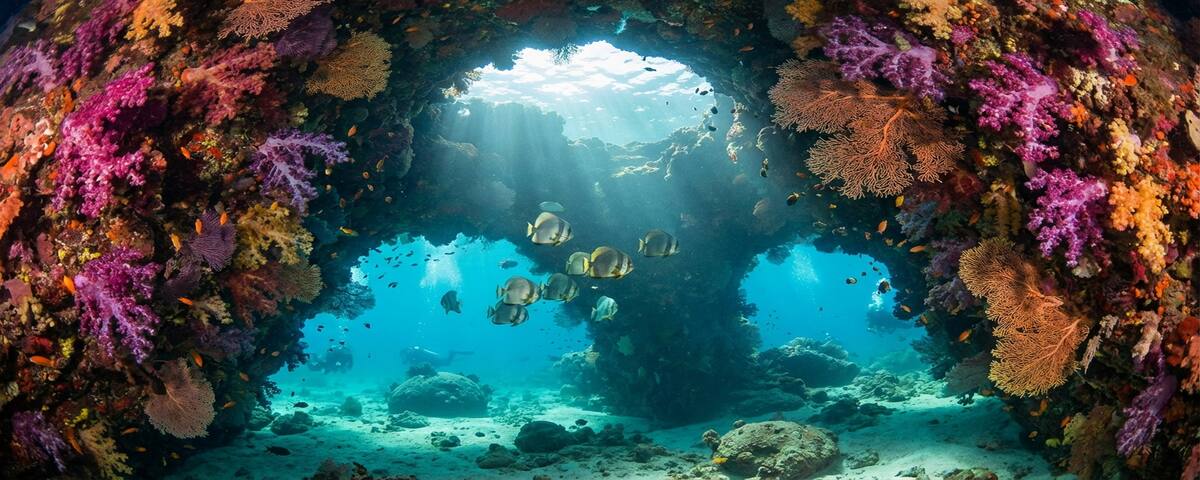
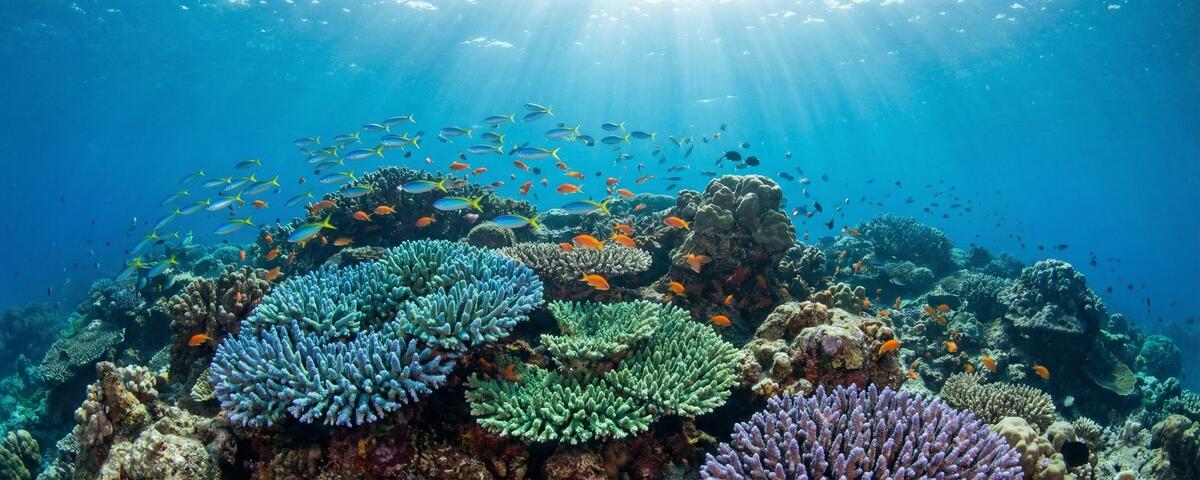
Ransiwor sits in the narrow channel between Kri and Mansuar islands, right in the heart of Raja Ampat's Dampier Strait. It is the kind of dive site that rarely tops anyone's must-do list before they arrive, and then quietly becomes the dive they request again on day three. The reef slopes gently from around 3 metres down to 30, blanketed in a patchwork of hard and soft corals so healthy that the substrate is barely visible beneath them. Several large cleaning stations punctuate the slope, drawing in everything from sweetlips and groupers to the occasional reef shark looking for a spa treatment.
What sets Ransiwor apart from the headline sites in the Dampier Strait is its accessibility. Currents here rarely exceed mild, even when nearby Cape Kri and Sardines Reef are running hard enough to warrant reef hooks. The sheltered position between the two islands creates a buffer zone where tidal flows dissipate, leaving conditions that suit newer divers and photographers who prefer not to fight the water while composing a shot. Papua Diving, the operation that pioneered recreational diving in Raja Ampat from their base on Kri Island, lists Ransiwor as a beginner-friendly site just 5 minutes by boat from their jetty.
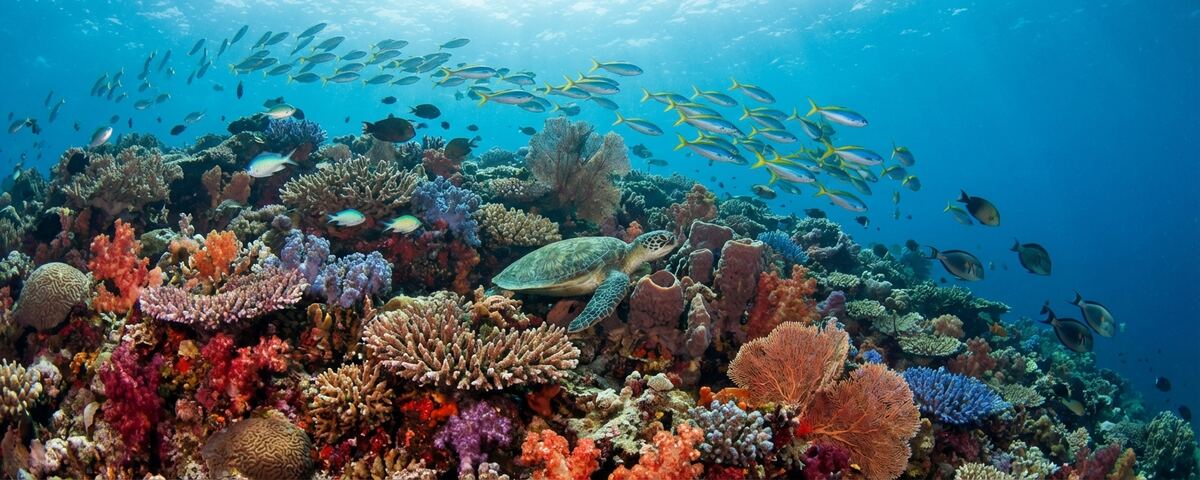
The reef's gentle gradient makes it a natural multilevel dive. You can start at depth where gorgonian fans and soft coral gardens dominate, then work upward through zones of branching Acropora, massive Porites boulders, and finally into the shallow table coral fields that catch the morning light. A school of yellowback fusiliers has taken up semi-permanent residence here, numbering in the hundreds, and they shadow you through much of the dive like a shimmering escort. Green turtles cruise the slope regularly, and wobbegong sharks flatten themselves beneath coral overhangs with their usual commitment to looking like a piece of carpet.
Ransiwor won't give you the sensory assault of Blue Magic or the world-record species counts of Cape Kri. It gives you something different: room to breathe, time to look, and a reef so alive that even the sand patches between coral heads seem to be hiding something worth finding. Divers who've logged a few hundred dives across Southeast Asia often comment that sites like Ransiwor remind them why they started diving in the first place. There's no agenda here except the reef itself.
The site also works brilliantly for snorkelling. The shallow reef top sits between 1 and 3 metres in places, with enough coral coverage and fish activity to keep surface swimmers engaged for an hour. Several Kri-based resorts use Ransiwor as their go-to snorkel excursion precisely because the conditions are so forgiving.
Marine Life at Ransiwor
The cleaning stations are the centrepiece of any dive at Ransiwor, and they deserve unhurried attention. These are sections of reef where small cleaner wrasses and cleaner shrimp set up shop, advertising their services to passing fish by performing a characteristic bobbing dance. The result is a queue of marine life hovering in place, mouths agape, gills flared, waiting their turn. Oriental sweetlips are the most reliable visitors, their spotted flanks going still as wrasses pick parasites from their skin. Groupers of various species line up too, some of them proper boulders of fish weighing 15 kilograms or more. Watch for long enough and you'll see black-tip reef sharks slow to a near-stop at the periphery, tilting slightly to present themselves for cleaning. It is one of the more hypnotic behaviours you can witness on a reef.
The yellowback fusilier school is a constant here. Hundreds strong, they form shifting walls of silver and yellow above the reef, condensing into tight balls when a trevally makes a hunting pass, then spreading out again once the threat passes. Giant trevally are the primary predators working the site, muscular and fast, cutting through the fusilier clouds with explosive bursts of speed. Spanish mackerel also appear, though less frequently, usually as singles cruising the edge of the reef slope.
Green sea turtles are a highlight at Ransiwor. The shallow reef provides good grazing on algae and sponges, and it is common to encounter two or three individuals on a single dive. They're reasonably habituated to divers here, meaning you can approach slowly and watch them feed without triggering a panicked retreat. Hawksbill turtles show up as well, though they're less common.
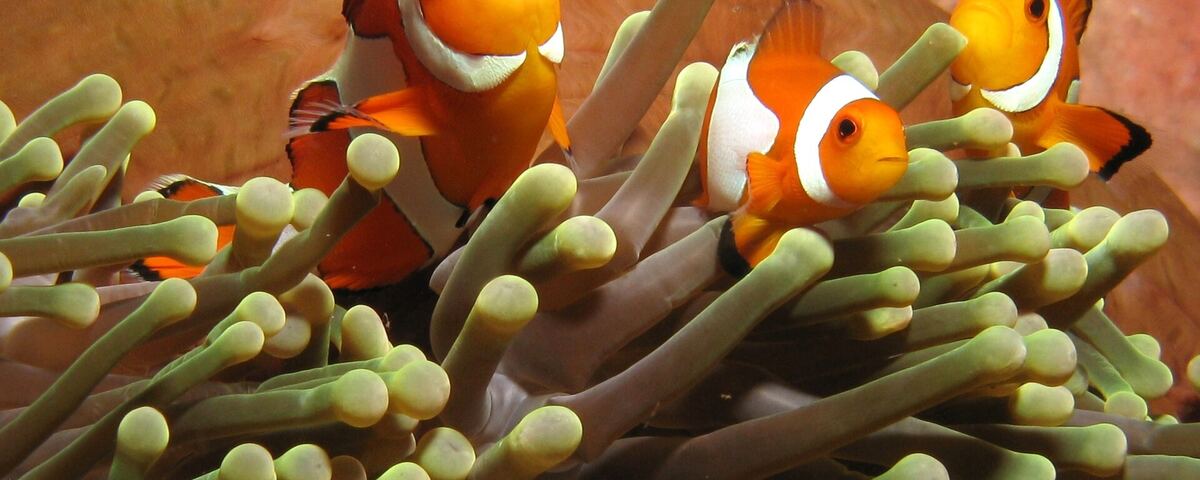
The coral diversity supports a strong showing of smaller reef fish. Anthias clouds hover over prominent coral heads in their usual orange and purple profusion. Damselfish defend tiny territories with absurd aggression. Butterflyfish patrol in pairs, and various species of wrasse, parrotfish, and triggerfish round out the cast. Clark's anemonefish occupy scattered anemones across the reef, and spine-cheek anemonefish are present in smaller numbers.
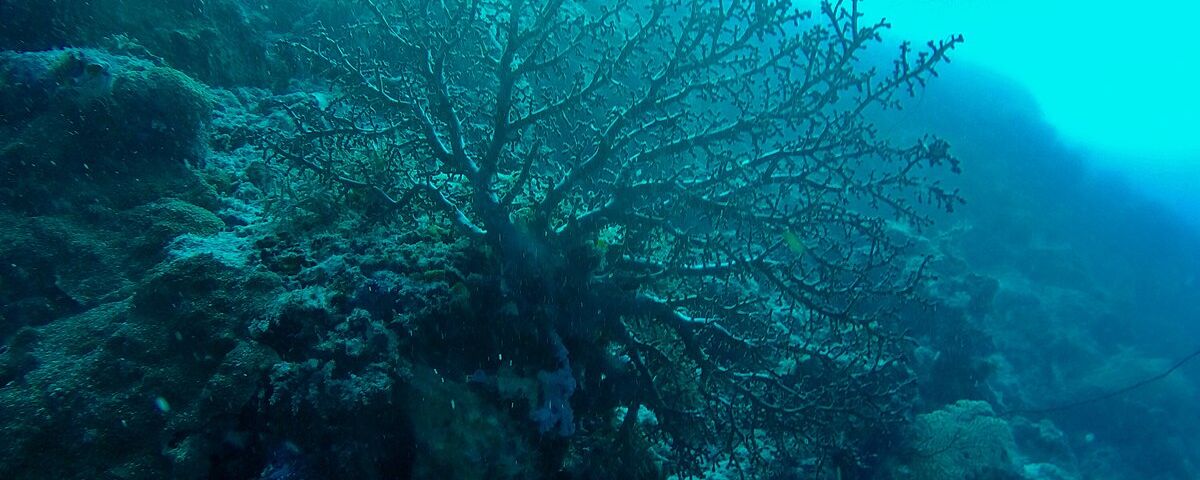
For macro enthusiasts, the gorgonian fans at depth are worth investigating for pygmy seahorses, specifically Bargibant's pygmy seahorse, which has been recorded here on the larger fans. Nudibranchs are scattered across the reef, with Chromodoris and Phyllidia species being the most commonly photographed. Blue-spotted stingrays rest on sandy patches, and mantis shrimp occupy burrows along the deeper sections. Wobbegong sharks, Raja Ampat's signature ambush predators, lie beneath coral ledges and tables throughout the site. Their camouflage is superb; your guide will likely need to point them out, even when you're hovering directly above one.
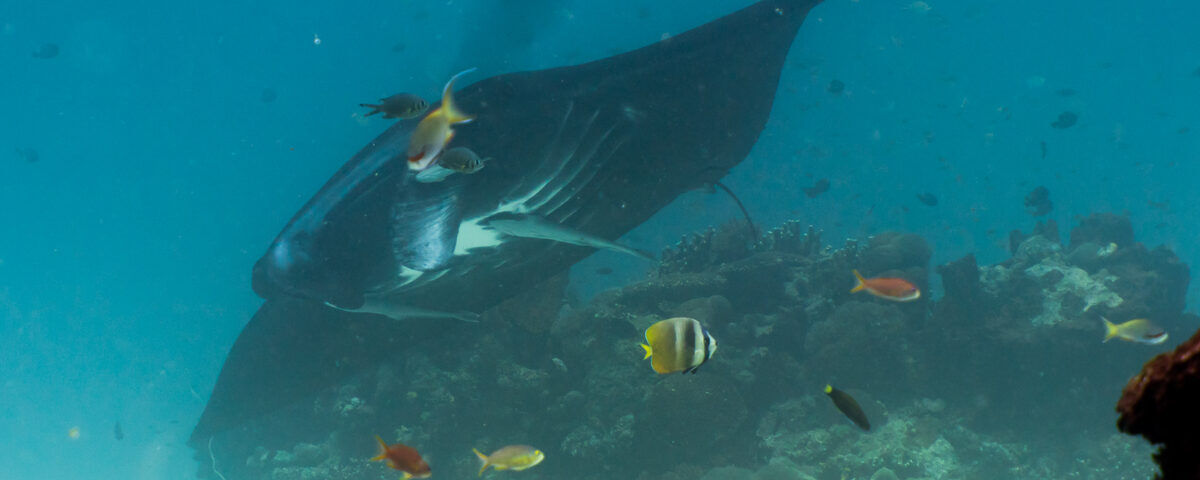
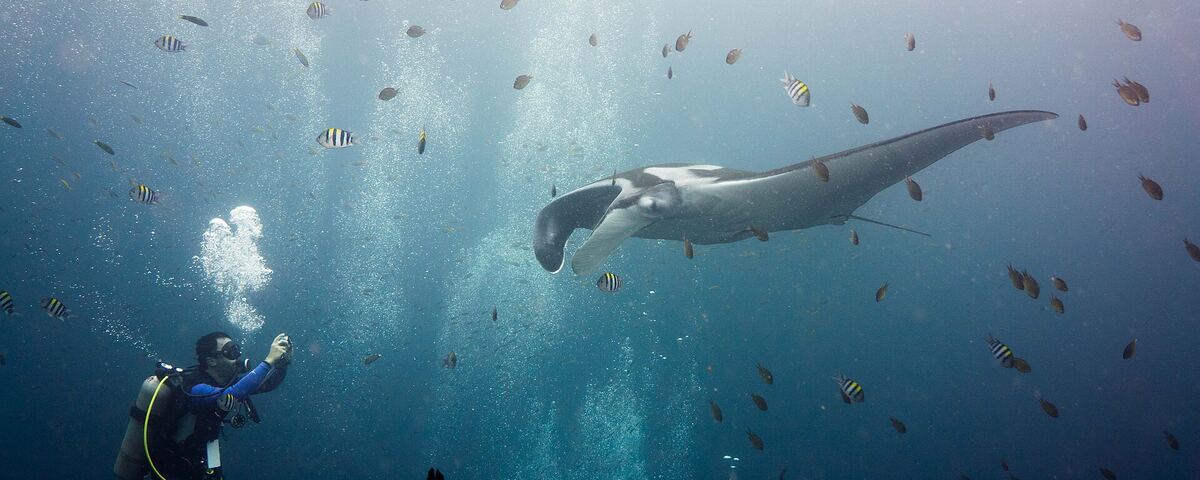
Cuttlefish appear in the shallows, particularly during early morning dives. Banded sea snakes occasionally thread their way through the coral, hunting in crevices before surfacing for air. And if you're diving during plankton-rich months (May to September), the occasional eagle ray or mobula ray passes through the blue water off the reef's edge, drawn by the nutrient upwelling that feeds the entire Dampier Strait ecosystem.
Dive Conditions
Ransiwor's position in the channel between Kri and Mansuar provides natural shelter from the full force of the Dampier Strait's tidal currents. Most dives encounter no current at all, or a gentle drift that lets you cover ground without effort. On spring tides, the flow can pick up to moderate, but even then it rarely matches the intensity of exposed sites like Cape Kri or Blue Magic. This makes Ransiwor one of the more reliably diveable sites in the area, suitable for days when conditions elsewhere are too strong for less experienced groups.
Visibility fluctuates between 15 and 30 metres depending on the season, recent weather, and tidal state. The best clarity falls during the dry season from October to April, when reduced rainfall means less runoff and lower particulate loads in the water. During the wet season (May to September), plankton blooms can drop visibility to 10 or 12 metres on occasion, but this nutrient richness also increases the concentration of filter-feeding organisms and attracts larger pelagics to the strait.
Water temperature sits comfortably between 27 and 30 degrees Celsius year-round. Thermoclines are uncommon at this site given the relatively modest maximum depth, though brief cold-water surges from deeper in the strait can temporarily drop temperatures by 2 to 3 degrees. A 3mm wetsuit works for most people; anyone who runs cold should bring a 5mm or at minimum a hooded vest for the deeper sections.
Most dives are conducted from small boats departing Kri Island resorts, with a transit time of 3 to 5 minutes. Entries are by backward roll or giant stride depending on the boat, and the lack of strong surface current makes getting back to the boat straightforward. Dive time averages 55 to 65 minutes, limited mainly by air consumption rather than conditions. Maximum depth is around 30 metres on the deepest part of the slope, but the majority of the interesting terrain sits between 5 and 20 metres.
Surface conditions on the channel are generally calmer than open-water sites. Swells are blocked by the landmasses on either side, so even on windy days the boat ride out remains comfortable. This makes Ransiwor particularly good for divers who struggle with seasickness on longer transits to more exposed sites.
⚓ Divemaster Notes
Ransiwor is the dive I use to recalibrate guests who've been overwhelmed by the current-driven sites. After a morning at Blue Magic or Cape Kri where the briefing includes reef hooks and current contingency plans, dropping into Ransiwor feels like exhaling for the first time all day. The absence of current drama lets people actually enjoy what they're looking at rather than managing their position in the water column.
The cleaning stations are the main attraction, and they reward patience. I tell divers to pick one station and park themselves on the sand nearby for 5 to 10 minutes. The fish need time to forget you're there before they resume normal behaviour. Rush in close and everything scatters. Sit still, control your breathing, and within a few minutes you'll have sweetlips and groupers lining up right in front of your mask. It is genuinely mesmerising once the reef accepts your presence.
Photographers should bring wide-angle for the reef panoramas and the fusilier school. The shallow sections with backlit table corals and sunburst effects are particularly strong compositions. For macro, the gorgonian fans below 18 metres are worth checking for pygmy seahorses, but communicate with your guide beforehand so they know to look. Wobbegong portraits are reliable here if you can get low enough without disturbing them.
For a multilevel profile, start at 22 to 25 metres among the soft corals, spend 15 minutes there, then drift up the slope through the cleaning station zone at 12 to 18 metres, and finish the last 20 minutes in the shallows where the hard coral gardens and turtle grazing grounds keep things interesting right through your safety stop.
Night dives at Ransiwor are underrated. The calm conditions make navigation straightforward, and the reef comes alive with different players after dark. Epaulette sharks (the famous walking sharks of Raja Ampat) have been spotted here at night, hunting through the shallows with their distinctive pectoral-fin gait. Bobtail squid, decorator crabs, and Spanish dancer nudibranchs all appear regularly.
How to Get to Ransiwor
Ransiwor follows the standard Raja Ampat access route, which begins in Sorong on the northwest tip of Papua's Bird's Head Peninsula. Sorong receives direct flights from Jakarta (roughly 5 hours), Makassar (roughly 3 hours), and Ambon (roughly 2 hours). Airlines serving the route include Garuda Indonesia, Lion Air, and Sriwijaya Air, though schedules shift frequently and cancellations happen more often than on mainline Indonesian routes. Build a buffer day into your itinerary if connecting through from an international flight.
From Sorong, the public ferry to Waisai on Waigeo Island takes 2 to 3 hours and runs twice daily. From Waisai, resorts on Kri Island arrange speedboat transfers that take another 1 to 2 hours depending on sea conditions and the specific resort location. Some resorts also offer direct speedboat transfers from Sorong to Kri, bypassing Waisai entirely but at higher cost.
Raja Ampat requires a marine park entry permit costing IDR 1,000,000 for foreign visitors, valid for one year from purchase. Buy it at the visitor centre in Waisai or arrange through your resort in advance. Keep the receipt; it gets checked at dive sites.
Once based on Kri Island, Ransiwor is a 3 to 5 minute boat ride from most resorts. The site sits in the channel between Kri's southern coast and Mansuar Island, essentially on the doorstep of several dive operations. Some resorts on southern Kri can reach it in under 3 minutes.
The small island of Ransiwor itself also has a homestay operation for budget travellers. From there, the dive site's reef begins right off the southern shore, reachable by a short swim. However, diving requires coordination with a dive centre on Kri, as the homestay does not operate its own dive facility.
Peak season runs October to April. Accommodation on Kri books out months in advance during this window, so plan early. June to August sees reduced demand and some resort closures due to rougher seas.
Gear Recommendations
A 3mm full wetsuit is sufficient for most divers given water temperatures of 27 to 30 degrees Celsius. Divers who feel the cold, particularly on second or third dives of the day, should bring a 5mm or add a hooded vest. Thermocline encounters are rare here but can briefly drop temperatures.
No reef hook is needed at Ransiwor. Currents are mild enough that you'll never need one, and the absence of current management gear simplifies the dive and frees up your hands for photography or simply enjoying the reef.
A surface marker buoy (SMB) and reel are standard safety equipment for any diving in the Dampier Strait, even at sheltered sites like Ransiwor. Currents can occasionally pick up unexpectedly, and deploying a visible SMB before surfacing ensures the boat finds you promptly.
Photographers will get the most value from a wide-angle lens setup. The reef panoramas, fusilier schools, and cleaning station action are all wide-angle subjects. A macro lens works well for pygmy seahorses, nudibranchs, and wobbegong detail shots, but if forced to choose one, go wide. Ambient light is strong in the shallows, so a video light or focus light is more useful than full strobes above 10 metres.
Torch or dive light is recommended regardless of whether you're diving day or night. The overhangs where wobbegongs rest are dark, and a light reveals colours in soft coral that ambient light washes out at depth. For night dives, bring a primary light plus a backup.
Computer and audible surface alert are essential. The relaxed conditions at Ransiwor can lull you into longer bottom times than planned, particularly if the cleaning stations are performing. Keep an eye on your no-deco limits.
Recommended Dive Operators
Papua Diving at Kri Eco Resort is the original dive operation in this part of Raja Ampat, and Ransiwor sits within 5 minutes of their jetty. Their local Papuan guides have dived these reefs for decades and know every cleaning station and wobbegong hiding spot. Group sizes are small, and the operation's institutional knowledge of the Dampier Strait is unmatched by anyone.
Soul Scuba Divers, also on Kri Island, offers PADI courses and guided fun dives with Ransiwor as a regular part of their rotation. They cater well to both beginners and experienced divers, with flexible dive planning and local instructors who grew up in the area.
Raja Ampat Biodiversity Nature Resort on Gam Island includes Ransiwor in their dive site portfolio, running personalised programmes with a maximum of 4 to 6 divers per guide. Their boat ride to the site takes about 10 minutes from Gam. The resort's emphasis on small groups and long bottom times (up to 75 minutes) pairs well with Ransiwor's unhurried character.
Raja Ampat Dive Lodge on Mansuar Island sits on the opposite side of the channel from Kri, placing Ransiwor within equally easy reach. Well-maintained rental equipment and experienced guides.
For budget options, several homestays on Kri and Ransiwor island itself can arrange diving through partnerships with the established centres. Quality varies, so confirm equipment standards and guide qualifications before booking.
Liveaboard guests diving the Dampier Strait itinerary can request Ransiwor as part of the Kri Island selection, though it may not feature on every operator's standard plan given competition from higher-profile sites nearby.
Liveaboard Options
The Damai operates premium Raja Ampat itineraries that include extensive diving in the Dampier Strait. Ransiwor is within their site rotation when anchored near Kri Island. The vessel carries 12 guests with spacious cabins and a dedicated camera room. Their crew knows the area intimately and can adjust the dive plan to conditions.
Dewi Nusantara, one of Indonesia's most established luxury liveaboards, runs Raja Ampat routes from October through April. Dampier Strait diving is a highlight of their standard itinerary, and Ransiwor is available as part of the Kri area dive selection. Capacity for 18 guests with individual dive tenders for small group flexibility.
Papua Explorer operates more affordable Raja Ampat liveaboard trips with a focus on the Dampier Strait and surrounding areas. Their routes regularly include Kri Island diving, placing Ransiwor within easy reach. A good option for divers wanting liveaboard convenience without the premium price point.
The Seahorse runs dedicated Raja Ampat seasons with itineraries that combine the Dampier Strait with southern Raja Ampat sites. Ransiwor features when conditions and scheduling allow Kri Island stops.
Liveaboard guests should note that operators typically prioritise higher-profile sites like Cape Kri, Blue Magic, and Manta Sandy in their dive planning. If Ransiwor is specifically on your wish list, communicate that to the cruise director early in the trip. The site's proximity to Kri makes it easy to slot in, but it may not appear on the default plan unless requested.