Sapo Dive Site
Raja Ampat, Indonesia · Near Waisai
Overview
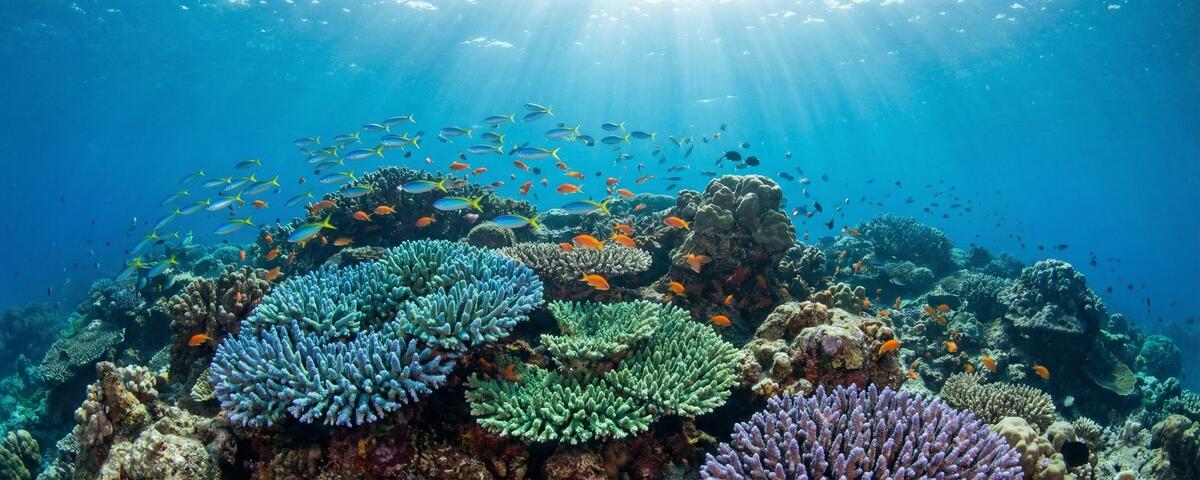
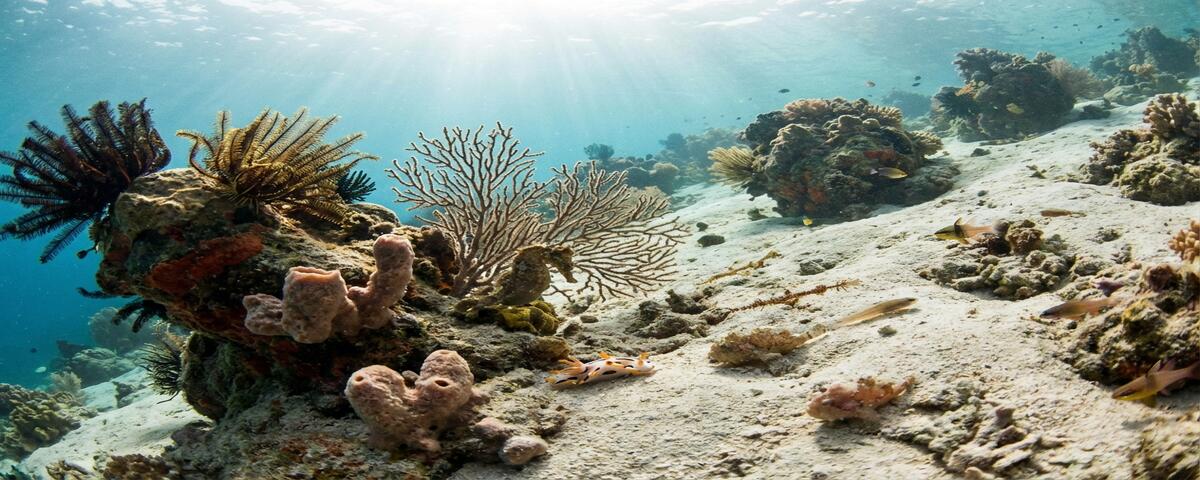
Sapo sits off the village jetty at Saporkren on the southern coast of Waigeo, Raja Ampat's largest island. Most divers come to this region for the sweeping reef panoramas and swirling fish tornadoes of the Dampier Strait. Sapo is the opposite of all that. It's a sandy slope dotted with coral bommies, accessed by wading in from shore or doing a short boat ride, and it rewards patience over adrenaline. The site has quietly built a reputation as one of the finest muck dives in all of eastern Indonesia.
The word 'muck' sells it short, honestly. Saporkren's fringing reef transitions into a gentle sandy slope that drops from about 3 metres near the jetty down to 25 metres at the deepest points most divers bother reaching. Scattered across this slope are isolated coral heads, rubble patches, and sponge formations that serve as micro-habitats for an absurd concentration of critters. Seahorses, flamboyant cuttlefish, blue-ringed octopus, ghost pipefish, and several species of frogfish all call this unremarkable-looking stretch of seabed home.
What makes Sapo genuinely special is the night diving. After dark, the sandy slope transforms into a stage for Raja Ampat's walking sharks. The Raja Ampat epaulette shark (Hemiscyllium freycineti) uses its pectoral and pelvic fins to 'walk' across the substrate, hunting invertebrates in the shallows. Seeing one on a night dive here isn't a lucky bonus; it's close to a certainty. Marine biologist Mark Erdmann, who formally described the species, estimates roughly 200 individuals per square kilometre in suitable habitat around Waigeo. Saporkren sits right in the middle of that habitat.
The site also works as a decompression from the high-octane current dives that dominate most Raja Ampat itineraries. After three days of hooking into reef walls and getting sandblasted by surge, a slow meander through Sapo's sandy slope is genuinely therapeutic. You control the pace. You pick the depth. You spend twelve minutes watching a decorator crab rearrange its disguise. Nobody is rushing you anywhere.
Dive operators in the Dampier Strait area increasingly include Saporkren in their rotation, particularly for guests who express interest in macro photography or night diving. It fills a gap in the Raja Ampat experience that the headline sites simply don't cover.
Marine Life at Sapo
The headline residents at Sapo are the critters that most divers associate with Lembeh Strait or Anilao rather than Raja Ampat. That's the surprise: this region's biodiversity extends all the way down to the smallest scales, and Saporkren proves it on every dive.
Full-sized common seahorses (Hippocampus kuda) anchor themselves to sponges and gorgonian branches along the slope, typically between 10 and 18 metres. They're not hiding in the way pygmy seahorses do on the deeper reefs; these are large enough to spot without a guide's help, though having one makes it faster. Multiple individuals often occupy the same coral bommie, so once you find one, scan the surrounding structures.
Flamboyant cuttlefish (Metasepia pfefferi) appear on the sandy substrate, walking on modified arms rather than swimming, their skin cycling through purples, yellows, and reds in warning displays. These are genuinely rare on most dive sites worldwide, but Saporkren produces them with surprising regularity. They favour the rubble patches between coral heads, usually between 12 and 20 metres.
Bobtail squid tuck themselves into the sand during the day, their tiny bodies barely visible above the substrate. At night they emerge and become one of the signature finds. Ornate ghost pipefish hover near crinoids and soft corals, their camouflage so effective that you can stare directly at one and still need your guide to physically point before your brain registers what you're looking at.
The crab diversity deserves its own paragraph. Boxer crabs carry tiny anemones in each claw. Xeno crabs wrap themselves around whip corals. Porcelain crabs filter-feed from the comfort of anemone hosts. Orangutan crabs hide in bubble coral. Coleman shrimp pair up on fire urchins. The variety of commensal relationships visible on a single dive here is a marine biology lecture playing out in real time.
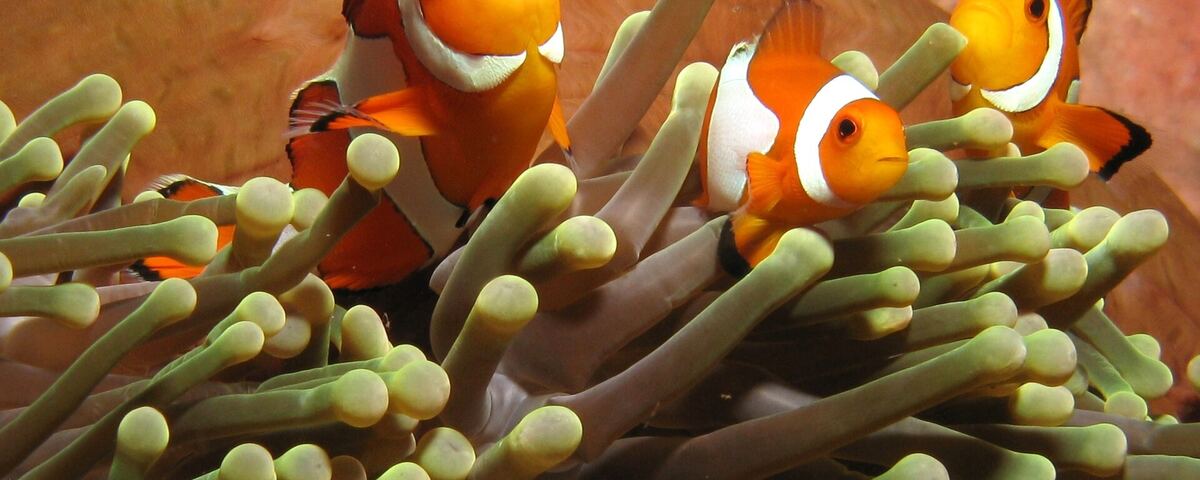
Three species of anemonefish are common across the site's various anemone hosts. Nudibranchs are everywhere, from large Chromodoris species to tiny Favorinus that require a macro lens to appreciate. Flying flatworms undulate across the substrate in colours that look digitally enhanced but aren't.
At night, the epaulette walking sharks steal the show. They emerge from crevices and begin their characteristic walking patrol across the reef flat and sand, hunting small invertebrates and fish. Seeing a shark use its fins like legs is one of those underwater moments that genuinely rewires how you think about sharks. Blue-ringed octopus also become more active and visible after dark, their iridescent rings pulsing as a warning to anything that gets too close.
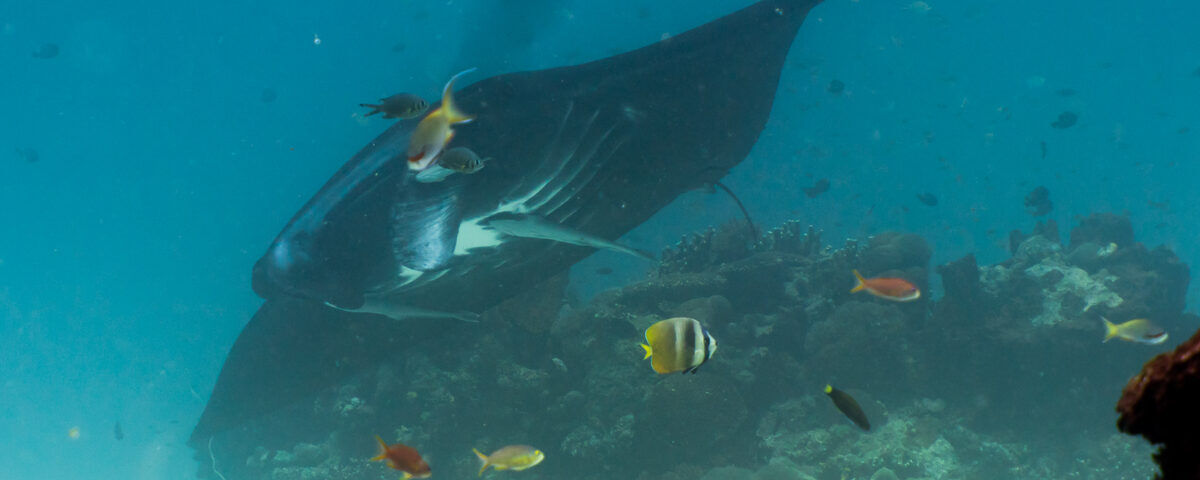
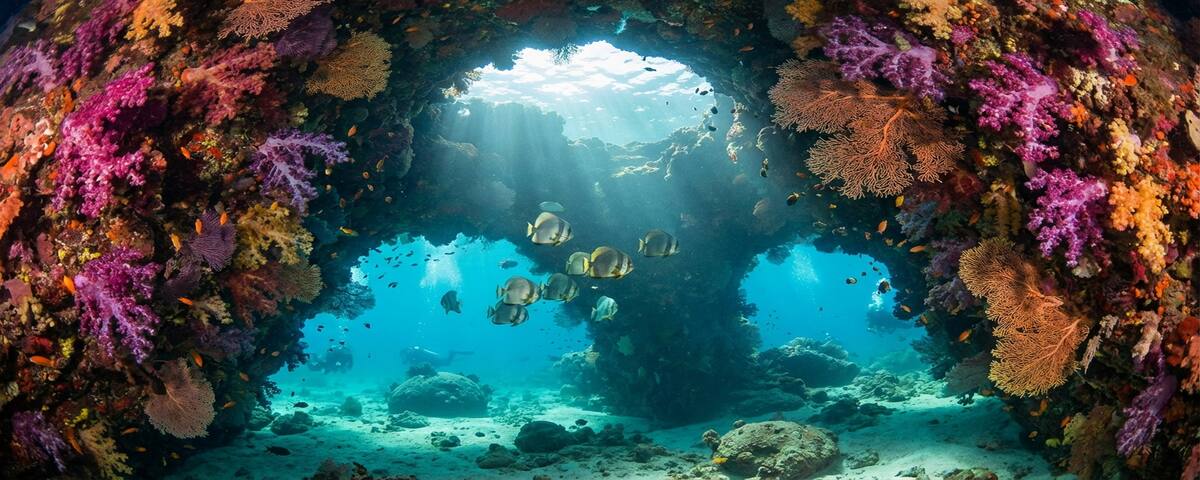
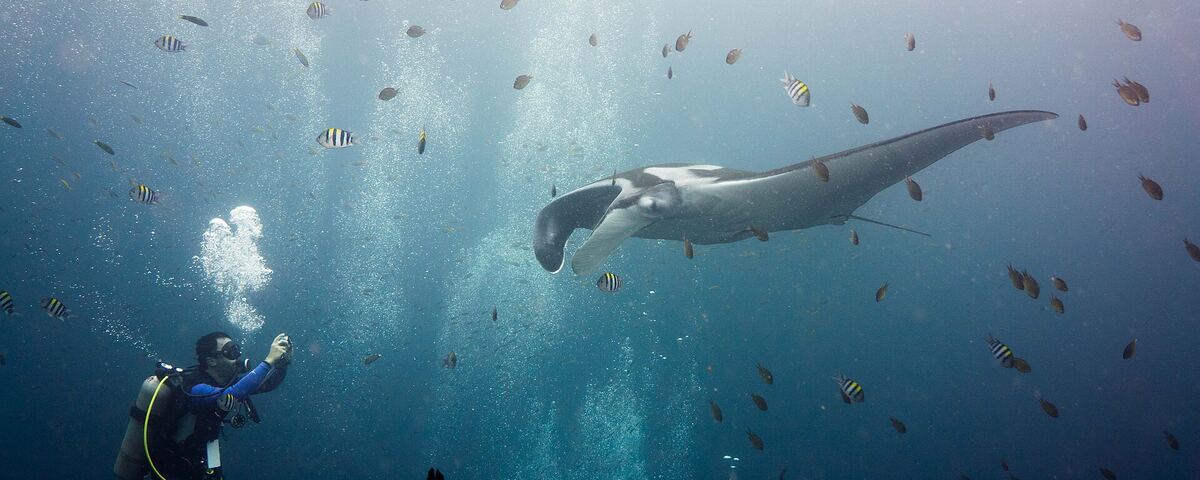
The site won't deliver schooling fish spectacles or manta encounters. That's not what it's for. What it delivers is the kind of close-focus detail that macro photographers and critter hunters travel specifically to find.
Dive Conditions
Sapo is about as forgiving as Raja Ampat gets. Current is minimal to non-existent on most dives, the gentle slope means depth is entirely your choice, and the sandy bottom provides a stable platform for photographers who want to settle in and shoot.
The dive profile is straightforward. You enter either from the Saporkren village jetty (shore entry over sand and rubble) or from a small boat that drops you slightly offshore. From entry, the sand and coral slope descends gradually to around 25 metres, though most of the interesting macro life concentrates between 10 and 20 metres. There's no wall, no pinnacle, no dramatic topography. Just a gentle incline studded with coral formations that serve as critter apartment blocks.
Visibility ranges from 10 to 25 metres depending on tide and weather conditions. This is typically lower than the Dampier Strait's reef sites, partly because the sandy substrate gets stirred up by fin wash and partly because the nearshore position means more terrestrial runoff. On a good day, 20-plus metres is common. On a rainy or rough day, 10 metres still works fine for macro since you're shooting subjects at arm's length anyway.
Water temperature stays between 27 and 30 degrees year-round. There are no thermoclines worth mentioning at the depths you'll be working. A 3mm shorty is enough for most people, though full 3mm suits are sensible for night dives when you're moving slowly and generating less body heat.
Night dives here follow a standard pattern: enter at dusk, descend to 10 to 15 metres, and work your way along the slope with torches. The lack of current means you can retrace your route easily. Most groups spend 60 to 75 minutes in the water on night dives, which is longer than typical because there's no current drain on air consumption and the critter density keeps you moving slowly.
Surface conditions are calm in the lee of Waigeo's southern coast. Waves are rarely an issue at the jetty entry point. The site is diveable year-round, though the October to April dry season offers better visibility and calmer seas.
⚓ Divemaster Notes
Sapo rewards the kind of diving that most guides struggle to sell to guests who've come halfway around the world for the big Raja Ampat reef shows. You have to set expectations correctly. Tell your group before they kit up: this is a muck dive, the fish won't be in thousands, and the best stuff is the size of your thumb. Anyone who's done Lembeh or Anilao will immediately understand. Anyone who hasn't needs the context so they don't spend the whole dive looking into blue water wondering where the mantas are.
The critter spotting here requires genuinely good eyes and a slow pace. Work the coral bommies methodically. Each isolated formation is essentially its own ecosystem, so don't rush between them. Check the base of whip corals for xeno crabs. Scan gorgonians for pygmy seahorses (Denise's pygmy has been reported here, though less reliably than at the deeper Dampier Strait sites). Examine bubble coral for orangutan crabs. The rubble zones between bommies are where flamboyant cuttlefish and blue-ringed octopus tend to appear.
For night dives, brief your group on walking shark behaviour. The epaulette sharks are harmless and surprisingly unbothered by divers, but they will move away from direct torch beams held in their face for too long. Red filters on torches help. Approach from the side rather than head-on and keep your distance at two to three metres until the shark is clearly comfortable continuing its patrol. If it stops and hunkers down, you're too close. Back off and wait.
Bobtail squid bury themselves in sand during the day but emerge at night and are often found sitting on the substrate between coral heads. Their eyes reflect torchlight, which helps with spotting. Spanish dancers (large nudibranchs) also appear on night dives, swimming through the water column in their characteristic undulating motion.
The biggest operational advantage of Sapo is zero current stress. You can take an Open Water student here on their fourth dive and they'll be perfectly comfortable. You can take a photographer here and let them spend the entire dive on one coral bommie. You can use it as a checkout dive for liveaboard guests who haven't been in the water for months. Its versatility makes it more valuable to your trip planning than its modest reputation suggests.
One honest limitation: the jetty entry involves walking over rubble and sand in shallow water, which can be awkward in full gear. Booties with hard soles are recommended over bare feet or thin reef shoes.
How to Get to Sapo
Sapo is located off Saporkren village on the southern coast of Waigeo Island, close to the regional capital Waisai. The village sits roughly 20 minutes by boat from Waisai's main harbour.
The gateway to Raja Ampat is Sorong, a city on the western tip of West Papua's Bird's Head Peninsula. Direct flights from Jakarta run daily and take approximately five hours. Connections from Bali route through Makassar or Jakarta, adding several hours. Lion Air is the most frequent carrier on the Jakarta to Sorong route.
From Sorong, a public ferry crosses to Waisai on Waigeo Island in two to three hours (departures twice daily). Most dive resorts arrange private speedboat transfers from Sorong directly to their property, which typically takes 1.5 to 3 hours depending on location and sea conditions.
Saporkren village itself has a handful of homestays that cater to divers and snorkellers. These are basic but functional. The village jetty serves as both the dive entry point for Sapo and the main transport hub for the community. Dive operators based on Kri Island, Mansuar Island, or around the Dampier Strait include Saporkren in their site rotation, typically as a dedicated muck or night dive trip.
Raja Ampat's marine park entry permit costs IDR 1,000,000 for foreign visitors, valid for one year. Purchase at the Marine Park Authority office in Waisai upon arrival.
Peak season runs October to April. Booking accommodation and dive packages for this period should be done two to three months ahead, though last-minute availability occasionally appears at the homestay level.
Gear Recommendations
Macro lens is the correct choice for this site. A 60mm or 100mm macro setup will cover 90% of what you want to photograph here. Wide-angle is largely wasted unless you're specifically shooting the reef flat at night with walking sharks in frame. Torch mandatory for night dives, and useful during the day for illuminating crevices and colour-correcting macro subjects. Red filter for torch recommended on night dives to reduce disturbance to walking sharks and other nocturnal subjects. Full 3mm wetsuit for night dives. 3mm shorty adequate for daytime. Reef shoes or hard-soled booties for shore entry over rubble. SMB not strictly necessary given the shore access and calm conditions, but carry one anyway. Nitrox useful for extending bottom time in the 12 to 20 metre sweet spot where most critter density concentrates.
Recommended Dive Operators
Papua Diving on Kri Island runs trips to Saporkren as part of their extended site rotation. Their guides know the critter locations and will point out subjects that most divers would swim straight past. Night dive trips to Sapo for walking shark encounters are a regular offering during peak season.
Raja Ampat Biodiversity Eco Resort includes Saporkren in their dive site portfolio, specifically listing it as one of the best muck dives in their range. The resort is located on Gam Island, roughly 15 minutes by boat from the site. Their small group sizes (maximum six divers per guide) suit the slow-pace macro diving that Sapo demands.
Soul Scuba Divers operates from Yenbuba on Mansuar Island and offers flexible dive scheduling that makes it easy to request Saporkren for afternoon or night dives. Their guides are particularly strong on critter identification.
Saporkren village homestays offer the most direct access: you literally walk off the jetty into the dive site. Homestay diving is self-guided or arranged through local freelance guides. This option suits experienced divers comfortable navigating a simple site independently. The trade-off is basic facilities and no rental equipment beyond a tank and weights.
Liveaboards passing through the Dampier Strait occasionally include Saporkren as a night dive option. The Dewi Nusantara and Papua Explorer are the most likely to schedule it, particularly on longer Raja Ampat itineraries that have room for specialist dives beyond the flagship reef sites.
Liveaboard Options
Sapo is not a standard liveaboard stop on most Raja Ampat itineraries, which tend to prioritise the high-profile reef sites of the Dampier Strait, Misool, and the far reaches of the archipelago. That said, longer itineraries (10 to 14 nights) on vessels like the Dewi Nusantara, Papua Explorer, Damai, and Arenui occasionally include Saporkren as a night dive option, particularly when the day's schedule puts the boat in the Waisai area. If muck diving and walking sharks are priorities for you, ask the liveaboard operator before booking whether Saporkren features on their specific route. Some operators are happy to add it on request if the logistics work. Budget for liveaboard trips in Raja Ampat runs USD 300 to 550 per night depending on the vessel and cabin class. Peak season runs October to April.