Sawandarek Dive Site
Raja Ampat, Indonesia · Near Waisai
Overview
Sawandarek sits on the southwestern coast of Mansuar Island, tucked into a natural bay that shields it from the powerful tidal flows running through the Dampier Strait. The site is one of three village jetty dives that have become synonymous with Raja Ampat diving, alongside Arborek and Yenbuba. What makes it stand out from the other two is a combination of reef topography, resident turtle population, and the fact that fewer boats visit on any given day. It is, for many returning divers, the quietest and most personal of the three.
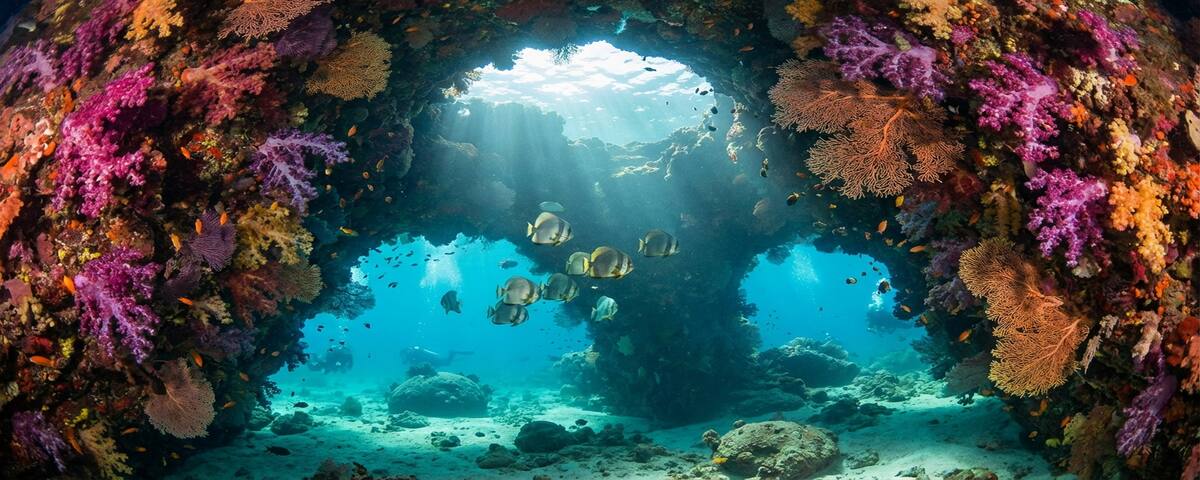
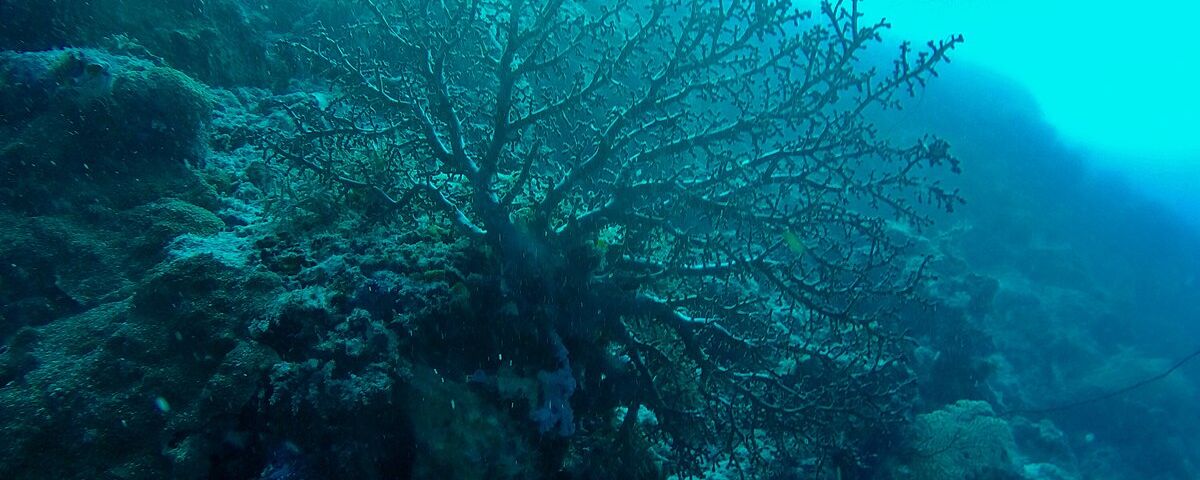
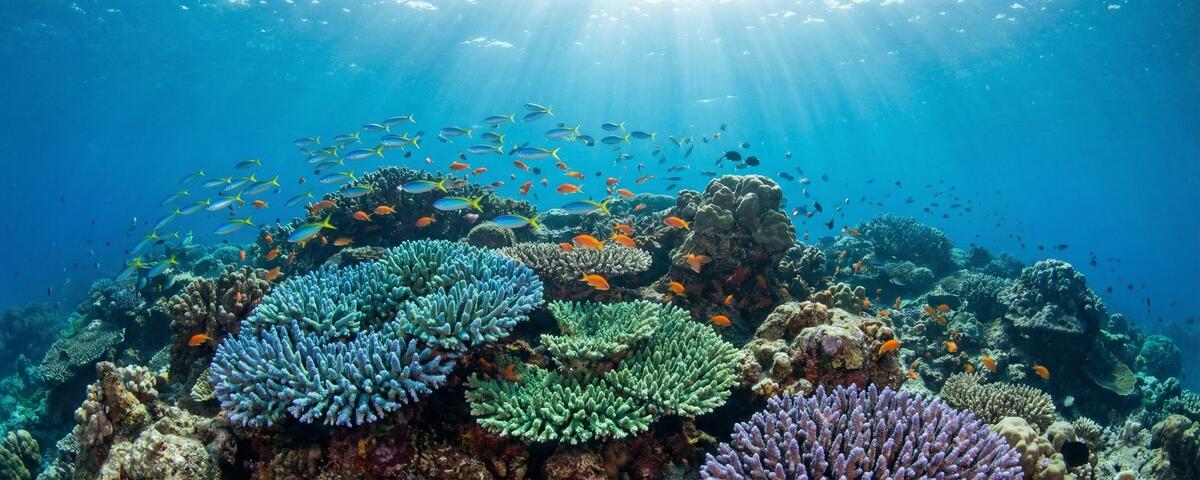
The dive begins at a wooden jetty extending from Sauwandarek village into the bay. From there, a gently sloping reef stretches east and west, dropping from around 3 metres in the shallows to roughly 25 metres where the slope meets sand and scattered coral rubble. The reef itself is dense with hard coral formations: massive boulder corals, branching staghorn patches, and table corals large enough to shelter resting wobbegong sharks beneath them. Soft corals fill in the gaps. Gorgonian sea fans spread across the deeper sections, their branches angled into whatever current trickles through, filtering plankton from the water column.
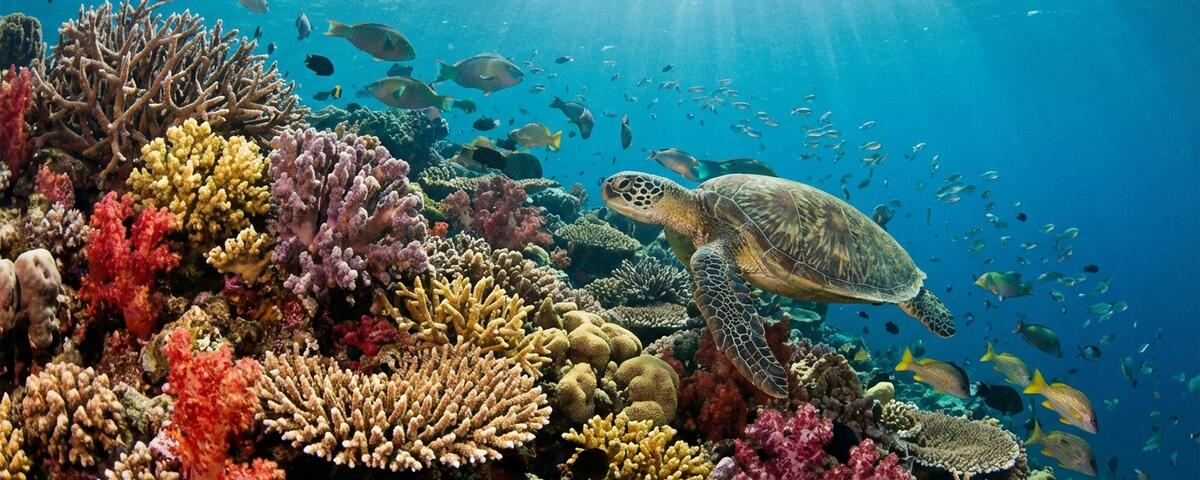
But the corals are the backdrop. The real draw is the marine life they support. A resident female green sea turtle, large and thoroughly unbothered by divers, has made the rock crevasses along the reef slope her home. She appears on most dives, cruising out from her resting spots with a slow grace that stops photographers in their tracks. Schools of jacks patrol the reef edge. Batfish gather near the jetty pilings in loose, curious groups, and they have a documented habit of following divers around the site like oversized, disc-shaped labradors.
Sawandarek's position in the Dampier Strait means it sits at the heart of Raja Ampat's nutrient highway. The strait funnels deep-water upwellings that carry plankton, larvae, and nutrients through the region, supporting the highest recorded marine biodiversity on the planet. The bay offers a sheltered pocket within that system: all the biological richness, almost none of the current. Beginners get a world-class reef without fighting the water. Experienced divers get to slow down and actually notice things.
The village above the waterline is small, Papuan, and welcoming. Sauwandarek's community has embraced marine tourism as an alternative to fishing, and the reef's health reflects that decision. Coral coverage here is exceptional even by Raja Ampat standards, which is saying something when the regional average already leads the planet. The relationship between village and reef is visible: no blast fishing scars, no anchor damage, no bleached patches from runoff. Just reef in the condition it should be.
Marine Life at Sawandarek
The jetty pilings set the tone. Each wooden post has been colonised by sponges, tunicates, and encrusting coral, turning what was built as boat infrastructure into vertical reef habitat. Schooling fusiliers and sergeant majors swarm between the posts in shifting, silver-and-yellow clouds. Batfish hang nearby in groups of five to fifteen, tilting sideways with that lazy curiosity they are known for. They will follow you. Accept it.
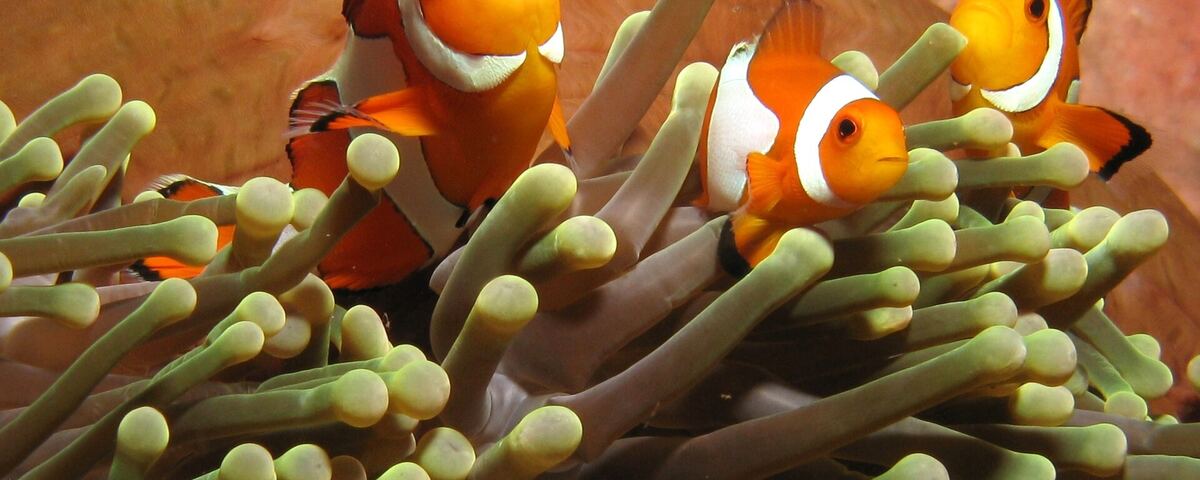
Moving out along the reef slope, the hard coral formations become the dominant feature. Rock formations covered in colourful hard coral create a topography of overhangs, crevasses, and swim-throughs that shelter an extraordinary density of life. Anemones in oranges, purples, and greens host clownfish colonies across the shallows. Massive gorgonian fans spread along the deeper sections between 15 and 25 metres, their branches filtering the nutrient-rich water that drifts through.
The turtles are the headline act, and they deliver consistently. The resident green sea turtle female is the most famous, but she is not alone. Green turtles graze across the reef slope regularly, well habituated to divers and approachable with patience. Hawksbills appear less frequently, foraging on sponges around the deeper formations. On a good day, you might see three or four turtles on a single dive without trying particularly hard.
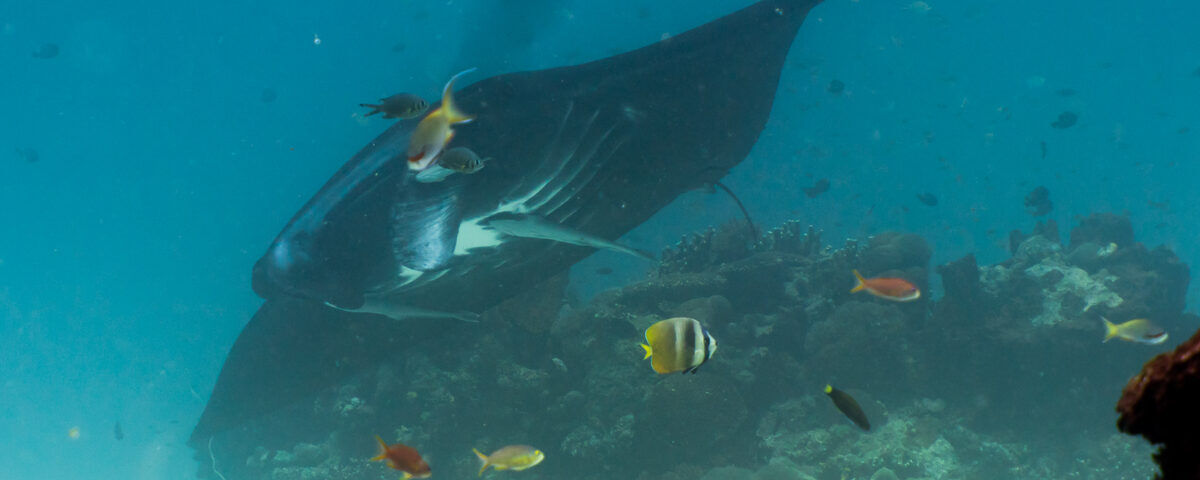
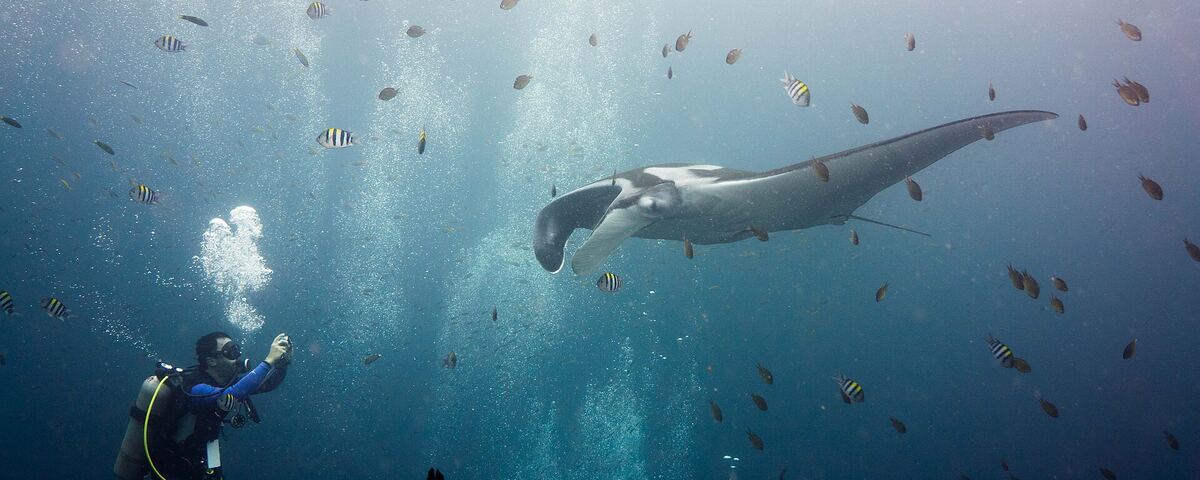
Barracuda cruise just off the reef edge, sometimes solo, sometimes in small schools that catch the light as they turn. Bumphead parrotfish pass through at tidal changes, their bulk and the crunching sound of coral being processed audible from metres away. Black-tip reef sharks patrol the deeper water, occasionally drifting onto the reef slope before veering back toward open blue.
Macro life rewards those who look closely. Nudibranchs in reliable variety: Chromodoris species with vivid mantles, Phyllidia with their textured bumps, and the occasional Nembrotha adding green and orange to the colour palette. Pipefish hide along gorgonian branches, their camouflage genuinely impressive. Blue-ringed octopus have been spotted in the rubble zones, though sightings require sharp eyes and a patient guide. Pygmy seahorses cling to specific sea fan colonies, and local guides know exactly which fans to check.
The shallows around the jetty concentrate the smaller schooling fish into a density that borders on absurd. Damselfish, chromis, anthias, and juvenile wrasse occupy every available space. Cuttlefish hunt through the coral rubble, their skin cycling through chromatic displays that never get old no matter how many times you have seen them. Mantis shrimp peer from burrows with those strange, independently tracking eyes that make them look like they are plotting something.
Dolphins are regularly spotted on the boat ride to the site, and at certain times of year, pilot whales pass through the Dampier Strait visible from the surface. These are not guaranteed, but they happen often enough that guides mention them in briefings without overselling.
Dive Conditions
The bay's geography does the heavy lifting when it comes to dive conditions. Mansuar Island's southwestern coastline creates a natural shelter that blocks the full force of the Dampier Strait's tidal flows. Most dives encounter no current at all. When current is present, it runs east to west or west to east along the reef slope, producing a gentle drift that covers ground without effort. Even at peak tidal exchange, the flow here stays mild compared to sites like Cape Kri or Blue Magic, where currents regularly exceed what intermediate divers can handle.
Visibility ranges from 10 to 25 metres depending on season, tidal state, and recent rainfall. The dry season from October to April delivers the clearest water, with visibility regularly pushing 20 metres or better. During the wet season, plankton blooms and terrestrial runoff can reduce clarity to 8 to 12 metres. The trade-off is increased nutrient activity: more plankton means more filter feeders, more schooling fish, and occasionally pelagic visitors drawn by the food supply.
Water temperature holds between 27 and 30 degrees Celsius year-round. Thermoclines are rare given the moderate maximum depth, though occasional cold-water pulses from deeper in the strait can drop the bottom temperature by 2 to 3 degrees for brief periods. A 3mm wetsuit is comfortable for most divers. Those who feel the cold on second or third dives of the day will appreciate a 5mm or hooded vest for the deeper sections of the slope.
The shallow profile allows extended dive times. Sixty to seventy-five minute dives are standard, limited by air supply rather than decompression limits. The densest marine life sits between 3 and 18 metres, so there is little reason to push deep unless you are specifically seeking the gorgonian fans or hunting for pygmy seahorses on the lower slope.
Surface conditions are consistently calm. The bay blocks open-ocean swell, making boat entries and exits straightforward. Surface intervals spent floating near the jetty are comfortable, and the absence of chop makes this an accessible site for divers prone to seasickness.
One practical note: the jetty remains a working village structure. Fishing boats and transport canoes use it throughout the day. Glance up before ascending through the jetty area, and keep clear of the pilings when boats are manoeuvring. Guides manage this routinely, but situational awareness on your part helps.
⚓ Divemaster Notes
Sawandarek is where I take people who want the three-jetty experience without the boat traffic. Arborek gets the most visitors because it is the most written about. Yenbuba runs a close second. Sawandarek tends to be the quietest, and the reef quality is every bit as good. On most days, you will have the site entirely to yourself.
The turtles are the main attraction, and the approach matters. Brief your group to move slowly and keep a 2 to 3 metre distance. The resident green turtle is habituated but not tame. Crowd her and she will retreat into the rock formations. Give her space and she will cruise right past your group, sometimes close enough that you can see the remora fish shifting position on her shell. I have had divers surface genuinely emotional after a close encounter. There is something about a large, calm animal choosing to share space with you that photographs cannot capture.
For the dive profile, I start on whichever side the mild current favours, working from 20 to 25 metres up the slope. The deeper section holds the gorgonian fans and the best chance at pygmy seahorses. Spend 10 to 15 minutes there, then work gradually up through the 10 to 18 metre zone where the hard coral formations create the overhangs and crevasses that shelter resting species. The final 20 minutes go to the jetty area between 3 and 8 metres, where the batfish and schooling fish provide the visual crescendo.
Photographers face the usual wide-angle versus macro dilemma. Wide-angle for turtle portraits with reef backdrop, the jetty pilings with sunburst and schooling fish, and the panoramic reef formations. Macro for nudibranchs, pygmy seahorses, pipefish, and cuttlefish detail. If you can only bring one setup, go wide. The turtle encounters and jetty shots produce the images people remember.
Tidal timing makes a noticeable difference. The best conditions arrive at the turn of the tide, when the shift in water movement brings pelagic visitors to the reef edge. Barracuda and bumphead parrotfish are most likely during these windows. Check the tide tables the night before and plan accordingly.
Night dives here are underrated. The calm conditions make navigation simple: follow the reef slope out, work along the contour, return to the jetty. Spanish dancer nudibranchs, bobtail squid, decorator crabs, and bioluminescent plankton are all on the menu when conditions align. The absence of current makes it one of the safest night dive sites in the Dampier Strait.
Respect the village. Sauwandarek is a home, not a tourist attraction. Keep noise down around the jetty, do not climb on structures not designated for divers, and consider supporting the local economy by purchasing something from the village or leaving a contribution. The community's positive relationship with visiting divers exists because past visitors have been respectful. Maintain that.
How to Get to Sawandarek
Getting to Sawandarek follows the standard Raja Ampat access route, which involves more logistics than most Southeast Asian dive destinations but is straightforward once you know the steps.
Fly into Sorong on the northwestern tip of Papua's Bird's Head Peninsula. Direct flights operate from Jakarta (roughly 5 hours), Makassar (around 3 hours), and Ambon (about 2 hours). Garuda Indonesia, Lion Air, and Sriwijaya Air serve the route. Schedules shift regularly, and cancellations are more common than on mainland Indonesian routes. Build a buffer day into your travel plans. Sorong itself has limited appeal, but several hotels near the airport serve as overnight staging points.
From Sorong, the public ferry to Waisai on Waigeo Island takes 2 to 3 hours and runs twice daily. The fast ferry is more comfortable and reliable than the slow option. Resorts on Kri and Mansuar islands arrange speedboat transfers from Waisai, adding another 1 to 2 hours depending on sea conditions and your final destination. Some operators offer direct Sorong-to-resort speedboat transfers that skip Waisai entirely, costing more but saving half a day.
The Raja Ampat marine park entry permit is required before diving. It costs IDR 1,000,000 for international visitors, valid for one calendar year. Purchase it at the visitor centre in Waisai or arrange through your resort in advance. Keep the card. It gets checked at various points during your stay.
Once based in the Dampier Strait area, Sawandarek is a 5 to 15 minute boat ride from most resorts on Kri, Mansuar, or Gam islands. The site sits on Mansuar's southwestern shore, directly accessible from the surrounding resort network. Several homestays in Sauwandarek village itself offer budget accommodation, though diving from these requires coordination with a nearby dive centre.
Peak season runs October to April, coinciding with calmer seas, better visibility, and manta ray activity at nearby sites. Accommodation books out months in advance during this window, particularly the established resorts. The wet season from May to September brings rougher seas and reduced visibility, but also fewer crowds and lower prices. Diving remains possible year-round.
Gear Recommendations
A 3mm full wetsuit handles the 27 to 30 degree water comfortably for most divers. Those who run cold, particularly on repeat dives later in the day, should consider a 5mm or bring a hooded vest for the deeper sections where occasional cool-water pulses can briefly drop temperatures.
No reef hook required. The current here never reaches the intensity that demands one, which frees up your hands for photography or simply enjoying the reef without clipping on to anything.
Surface marker buoy and reel should be carried as standard safety equipment for any diving in the Dampier Strait. Conditions at Sawandarek are mild, but unexpected tidal changes can occur, and a visible SMB ensures prompt boat pickup on surfacing.
A torch or dive light is worth carrying on day dives as well as night dives. The overhangs where turtles and wobbegong sharks rest are dark, and a light reveals soft coral colours that ambient light washes out below 10 to 12 metres. For night dives, a primary and backup light are standard.
Photographers will get the most from wide-angle setups. The turtle encounters with reef backdrops, jetty pilings with fish schools and sunlight penetration, and the panoramic hard coral formations are the signature shots. Macro lenses work well for nudibranch portraits, pygmy seahorse hunts, and cuttlefish detail. Strobes are useful below 10 metres for colour restoration; in the shallows, ambient light is strong enough that a focus light handles most situations.
Dive computer and audible surface alert are not optional. The relaxed conditions and generous no-decompression limits in the shallows make it easy to lose track of bottom time. Nitrox extends usable time at depth and is worth using if your operator offers it, which most established Raja Ampat operations do.
Recommended Dive Operators
Meridian Adventure Dive Resort on Waigeo operates as a PADI 5-Star Eco Resort and includes Sawandarek as a core part of their dive rotation. Winners of the PADI Green Star award, their guides deliver conservation-focused briefings that add genuine context to what you see underwater. The resort's proximity to the site means short boat rides and flexible scheduling, with morning, afternoon, and night dive options available.
Papua Diving at Kri Eco Resort pioneered recreational diving in the Dampier Strait, and Sawandarek sits within easy reach of their base on Kri Island. Their Papuan guides have dived these reefs for decades. They know the resident turtle's favourite resting spots, the sea fans that host pygmy seahorses, and the specific coral heads where wobbegong sharks tend to lie. Small group sizes and institutional knowledge that no newcomer operation can match.
Raja Ampat Biodiversity Nature Resort on Gam Island includes Sawandarek in their famous three-jetty circuit alongside Arborek and Yenbuba. They run personalised dive programmes with a maximum of 4 to 6 divers per guide, which makes a real difference at a site where the best encounters require patience and stillness. The boat ride from Gam takes around 15 minutes.
Soul Scuba Divers on Kri Island runs Sawandarek as a regular part of their site rotation. SSI training centre offering both courses and guided fun dives. Local instructors who grew up diving these waters, with the kind of site knowledge that translates directly into better marine life encounters. Flexible scheduling with accommodation packages.
Raja Ampat Dive Lodge on Mansuar Island sits on the same island as the dive site, placing Sawandarek within 5 to 10 minutes by boat. Well-maintained rental equipment and experienced local guides who can tailor the dive to your interests, whether that is turtle photography, macro hunting, or a relaxed reef cruise.
For budget travellers, several homestays in Sauwandarek village and on neighbouring Kri Island can arrange diving through partnerships with established dive centres. Quality of rental equipment varies between operators, so confirm gear standards and guide qualifications before booking.
Liveaboard Options
The Damai runs premium Raja Ampat itineraries with the Dampier Strait as a highlight. Sawandarek sits within their site rotation when anchored near Kri and Mansuar. Twelve guests maximum, spacious cabins, a dedicated camera room, and a crew whose knowledge of the area runs deep.
Dewi Nusantara covers Raja Ampat from October through April on their seasonal itineraries. The Dampier Strait features prominently, and Sawandarek is available as part of the Kri and Mansuar area selection. Capacity for 18 guests with individual dive tenders that allow small group flexibility at each site.
Grand Komodo operates Raja Ampat seasons alongside their Komodo programmes. Their Dampier Strait diving schedule includes the three-jetty circuit, with Sawandarek as a regular stop. A good mid-range option that balances comfort with value.
Papua Explorer runs more affordable Raja Ampat liveaboard trips focused on the Dampier Strait and surrounding areas. Sawandarek features in their Mansuar Island dive rotation. A solid choice for divers who want liveaboard convenience without the premium price tag.
InnDia Liveaboard offers boutique Raja Ampat itineraries with small passenger counts and personalised dive planning. Their flexibility means Sawandarek can be included on request, particularly as a calm alternative after current-heavy morning dives at Cape Kri or Blue Magic.
Liveaboard guests should note that cruise directors typically default to the headline sites (Cape Kri, Blue Magic, Manta Sandy) when planning daily dive schedules. If Sawandarek is on your wish list, mention it early in the trip. The site's proximity to the standard Kri and Mansuar anchorage makes it easy to slot in, especially as a relaxed afternoon or night dive.