Sorido Wall Dive Site
Raja Ampat, Indonesia · Near Sorido Bay (Kri Island)
Overview
Sorido Wall drops off the northwest tip of Kri Island in the Dampier Strait, and it belongs to a reef system that holds the current world record for fish species counted on a single dive. Marine biologist Dr Gerald Allen counted 374 species in a single dive here in 2012, a number that tells you more about Raja Ampat's biodiversity than any marketing brochure ever could.
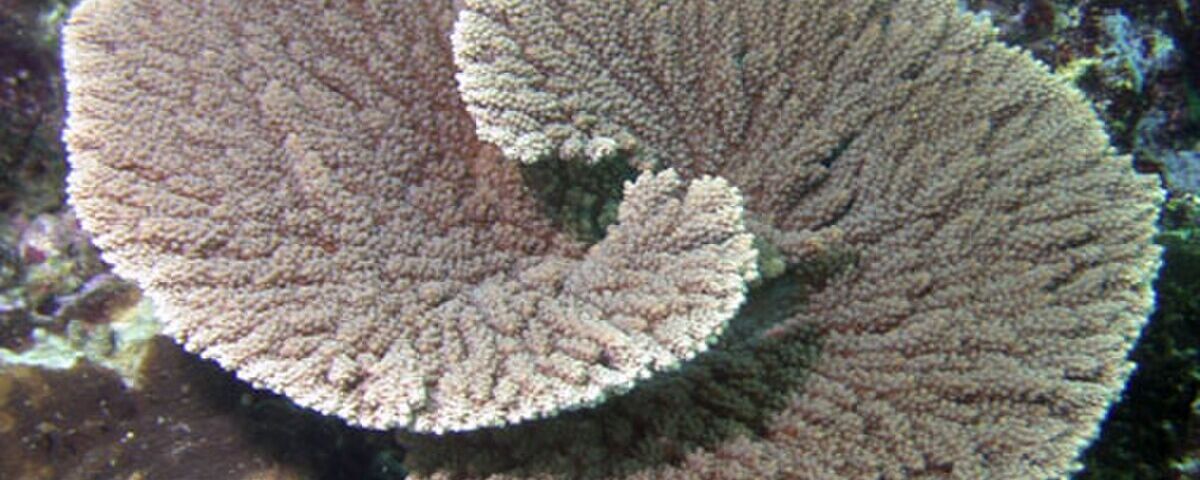
The wall begins at a shallow reef flat around 3 metres and drops vertically to beyond 40 metres. The structure is textbook tropical wall diving, with overhangs, crevices, and small caverns breaking up the vertical face. What makes it extraordinary is what lives on it. Every square metre of this wall supports more species than most entire dive sites elsewhere in the world. The concentration of life is the product of Raja Ampat's unique position at the intersection of the Pacific and Indian oceans, where multiple ocean current systems deliver larvae and nutrients from different biogeographic regions.
The wall faces the Dampier Strait, which means it catches consistent current that feeds the reef and drives the fish activity. The current is typically mild to moderate, making wall diving here comfortable for intermediate divers who can manage buoyancy against a vertical surface. When the tide is running, the reef edge comes alive with schooling fish, and the predators that hunt them are never far behind.
Sorido Wall is a house reef for Papua Explorers dive resort, which means it gets dived frequently but is also well-monitored and protected. The familiarity of local guides with every metre of this wall is an advantage; they know where the pygmy seahorses live, which overhang the wobbegong sharks prefer, and what time of day the schooling fish are densest.
The wall's proximity to the resort makes it available as a shore dive, which opens up unlimited diving for keen enthusiasts. Dawn dives, night dives, and lazy afternoon explorations are all possible without needing a boat. This accessibility, combined with the world-record biodiversity, makes Sorido Wall arguably the best house reef in the world.
The proximity of Papua Explorers resort adds a practical dimension. Unlimited house reef diving means you can dive Sorido Wall at dawn, dusk, and during night dives without the logistical overhead of boat diving. This accessibility has made the wall a subject of more diving hours and more photographic attention than almost any other site in Raja Ampat, and the accumulated knowledge of its residents is exceptional.
Marine Life at Sorido Wall
The fish diversity is the defining feature. Dr Allen's 374-species count wasn't a fluke; subsequent surveys have confirmed similar numbers. On a single dive, you'll see dozens of species of wrasse, damselfish, surgeonfish, butterflyfish, and angelfish. The visual effect is a reef so busy with movement and colour that your brain struggles to process it all.
Wobbegong sharks (tasselled wobbegong) rest under overhangs along the wall, their flattened bodies and ornate skin flaps providing camouflage against the reef surface. These ambush predators are a Raja Ampat speciality, and Sorido Wall is one of the most reliable sites to find them. Black-tip and white-tip reef sharks patrol the wall edge, and grey reef sharks occasionally pass in the deeper blue water beyond.
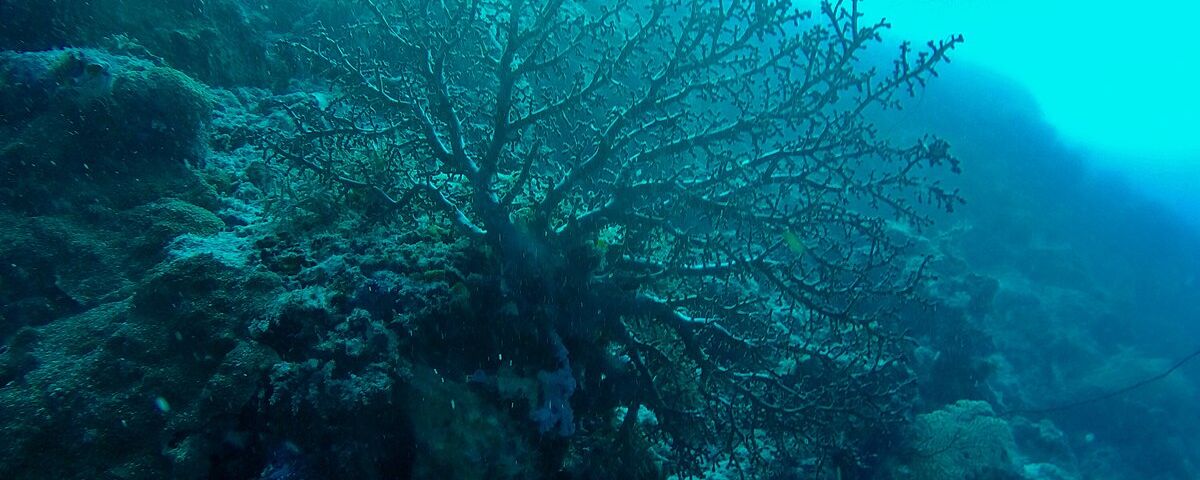
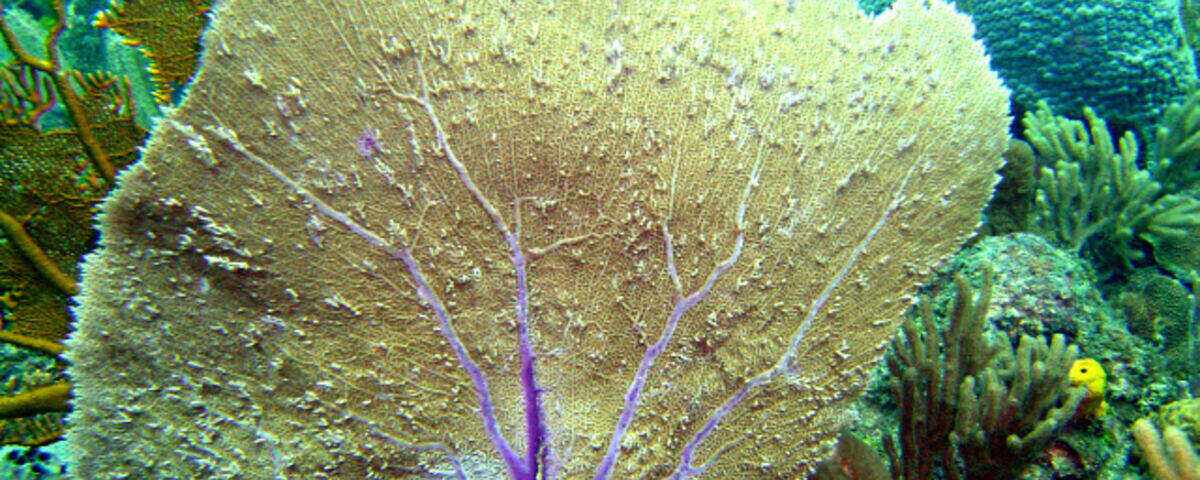
Pygmy seahorses (Hippocampus bargibanti and H. denise) inhabit the gorgonian fans on the wall. Local guides maintain a mental map of which fans currently host seahorses, and they'll point them out if you ask. Without a guide's help, finding a 1.5-centimetre seahorse on a gorgonian fan is nearly impossible.
Schooling fish concentrate on the wall edge during current: fusilier, snapper, and surgeonfish form dense aggregations, while jacks and trevally hunt the edges. Schools of barracuda sometimes stack up in cylindrical formations in the blue water off the wall.
Macro life on the wall face is outstanding. Nudibranchs in multiple species, mantis shrimp in crevices, various species of pipefish along the wall surface, and commensal shrimp on anemones and coral. The invertebrate community is as diverse as the fish, reflecting the broader pattern of Raja Ampat's unmatched biodiversity.
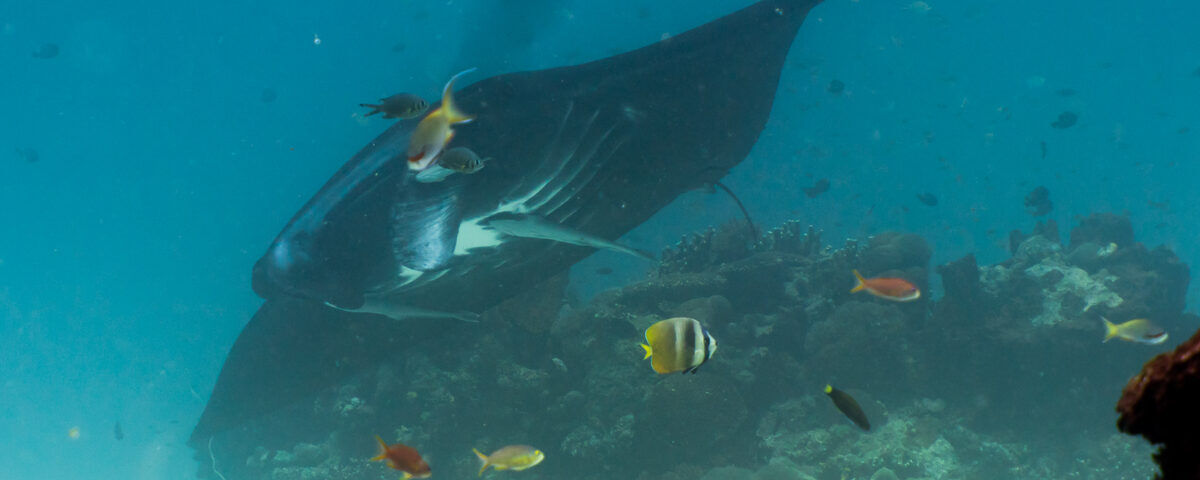
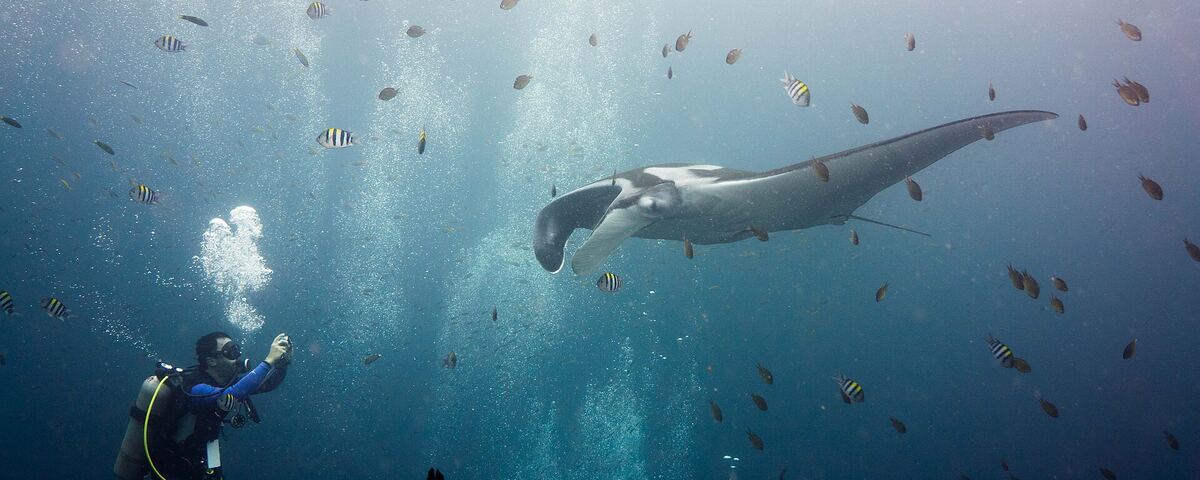
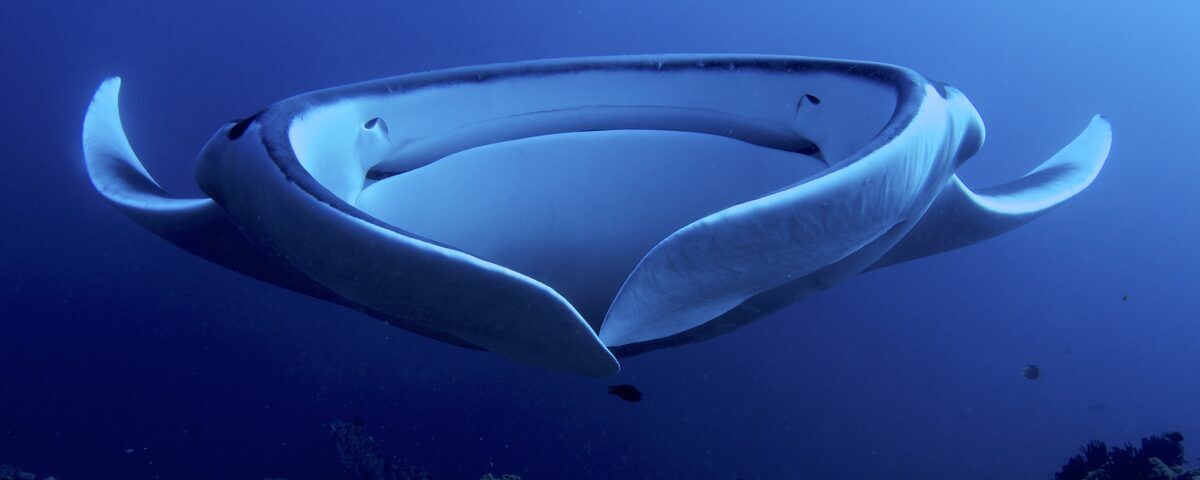
Mantas pass by occasionally, particularly during plankton blooms in the Dampier Strait. These are bonus sightings rather than guaranteed encounters, but they add a pelagic dimension to what is primarily a reef wall dive.
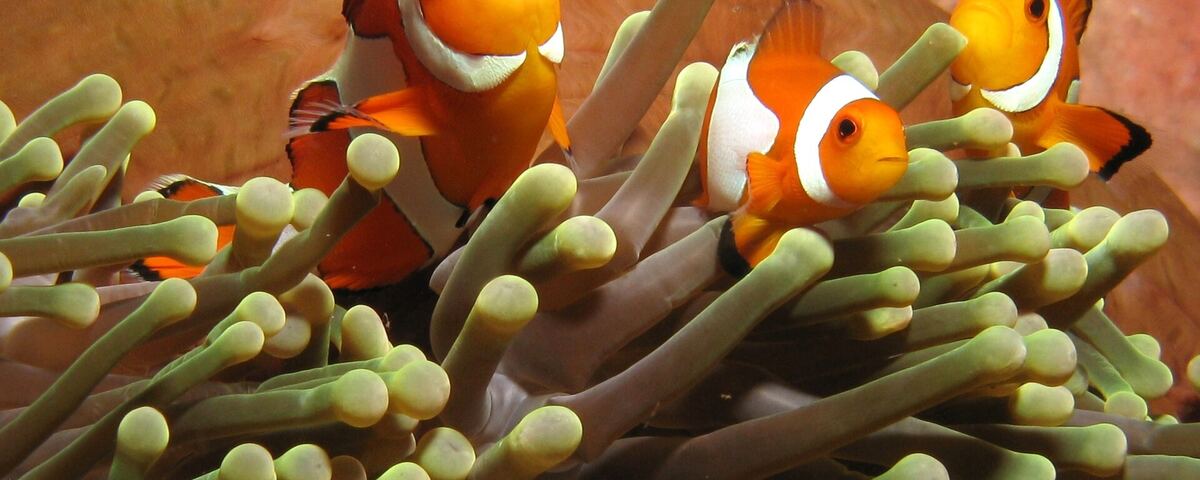
The reef flat above the wall is worth attention in its own right. The shallow coral gardens host anemonefish in several anemone species, juvenile reef fish using the coral for shelter, and the occasional walking shark (Hemiscyllium halmahera) during dawn and dusk dives. This Raja Ampat endemic species literally walks across the reef using its pectoral fins, an encounter unique to this region and reliably found on shallow reef flats like Sorido's.
Dive Conditions
Current along Sorido Wall is typically mild to moderate, driven by tidal flow through the Dampier Strait. The wall's vertical structure means current flows along the face rather than pushing you off the reef, making it manageable for intermediate divers with decent wall diving skills.
Stronger current produces better fish activity but can make hovering at specific points on the wall challenging. In these conditions, drift along the wall and let the current carry you past the highlights. The wall runs for several hundred metres, providing plenty of dive time even at moderate drift speed.
Visibility is generally excellent at 15 to 30 metres, benefiting from the strait's oceanic water. Plankton blooms can reduce visibility temporarily but also attract mantas and whale sharks to the area. Water temperature is warm at 27 to 30 degrees, comfortable in a 3mm wetsuit.
The wall drops beyond recreational limits, so depth discipline matters. The most diverse section of the wall sits between 5 and 25 metres, where light levels support the greatest variety of coral and associated life. Going deeper adds depth-related risk without proportional reward.
Entry options include shore access (from the nearby resort) and boat diving. Shore entry involves a short swim across the reef flat to the wall edge. Boat diving allows access to different sections of the wall and drift diving when current is running.
⚓ Divemaster Notes
I've lost count of how many times I've dived Sorido Wall, and I still find species I haven't noticed before. That's not my eyesight declining; it's just what happens on a reef with 374 documented fish species. The biodiversity here is genuinely staggering.
The wobbegongs are the crowd favourite. I know their preferred resting spots and check them on every dive, but they do move around. The overhangs between 8 and 15 metres are the most reliable locations. Approach slowly from the side (not directly above) and they'll usually stay put. Flash photography doesn't seem to bother them.
For the pygmy seahorses, ask your guide. We track which fans have active seahorses and update each other after every dive. The Bargibanti pygmies on the deeper fans (18 to 25 metres) are easier to find because they're slightly larger. The Denise pygmy seahorses are smaller and harder to spot but present on several fans along the wall.
The dawn dive on Sorido Wall is special. The light coming through the surface at 6 AM turns the wall into a different world, and the fish behaviour shifts as nocturnal species retreat and diurnal species emerge. If your resort offers dawn dives, take one.
Don't ignore the reef flat above the wall. The shallow coral gardens in 2 to 4 metres of water are a snorkelling paradise and also make for excellent shallow safety stop territory with anemonefish, juvenile fish, and the occasional octopus hunting across the coral surface.
How to Get to Sorido Wall
Sorido Wall is off the northwest tip of Kri Island in the Dampier Strait area of Raja Ampat. The nearest resort is Papua Explorers, which uses the wall as its house reef.
Reaching Raja Ampat involves flying to Sorong, the gateway city in West Papua. Flights operate from Jakarta, Makassar, and Manado via various domestic airlines. From Sorong, a fast boat to Kri Island takes roughly 2 to 3 hours, depending on conditions. Most resorts arrange the Sorong transfer as part of their package.
Raja Ampat charges a marine park entry fee (currently IDR 1,000,000 for foreign visitors, valid for one year). This fee supports the Marine Protected Area management. Your resort will handle the permit process.
Getting to Raja Ampat requires more effort than most Indonesian dive destinations, but the biodiversity reward justifies the journey. Plan at least 5 to 7 nights to make the travel worthwhile.
Gear Recommendations
3mm wetsuit is plenty for the warm water. Wide-angle lens for the wall scenes and schooling fish. Macro lens for pygmy seahorses and nudibranchs. Torch essential for looking into overhangs and crevices where wobbegongs rest. Dive computer with depth alarm for wall diving discipline. No reef hook needed in typical conditions.
Recommended Dive Operators
Papua Explorers resort sits directly above Sorido Wall and offers unlimited house reef diving. Their guides know every centimetre of this wall and maintain current knowledge of critter locations. Papua Diving at Kri Eco Resort is the original dive operation on Kri Island, with decades of experience in the area. Meridian Adventure Dive operates from Waisai and offers day trips to the Dampier Strait sites. For liveaboard access, the Damai and Dewi Nusantara run Raja Ampat itineraries that include the Dampier Strait.
Liveaboard Options
Raja Ampat liveaboard trips frequently include the Dampier Strait and Sorido Wall on their itineraries. The Damai, Dewi Nusantara, Grand Komodo, and Shakti all run Raja Ampat routes. Liveaboard access allows covering the broader region (Misool, Wayag, Fam Islands) alongside the Dampier Strait sites. Most Raja Ampat liveaboard trips run 7 to 12 nights during the October to April season.