The Passage Dive Site
Raja Ampat, Indonesia · Near Waigeo/Gam Islands
Overview
The Passage is one of diving's genuinely unique experiences, a narrow channel between Waigeo and Gam islands where the ocean floor rises to meet an overhanging jungle canopy and the boundary between marine and terrestrial environments dissolves. You're diving in a passage so narrow that tree roots from the limestone karst above dangle into the water, and the light filtering through the forest canopy above turns the water green and gold.
The channel runs for several hundred metres between towering limestone walls that rise 30 metres above the water on both sides. Below the surface, the walls drop to a shallow floor at about 15 to 18 metres, covered in fan corals, sponges, and soft coral. The current flows through the channel on the tidal cycle, and the tidal mixing of warm surface water and cooler channel water creates unusual conditions that support species not found on the open reefs.
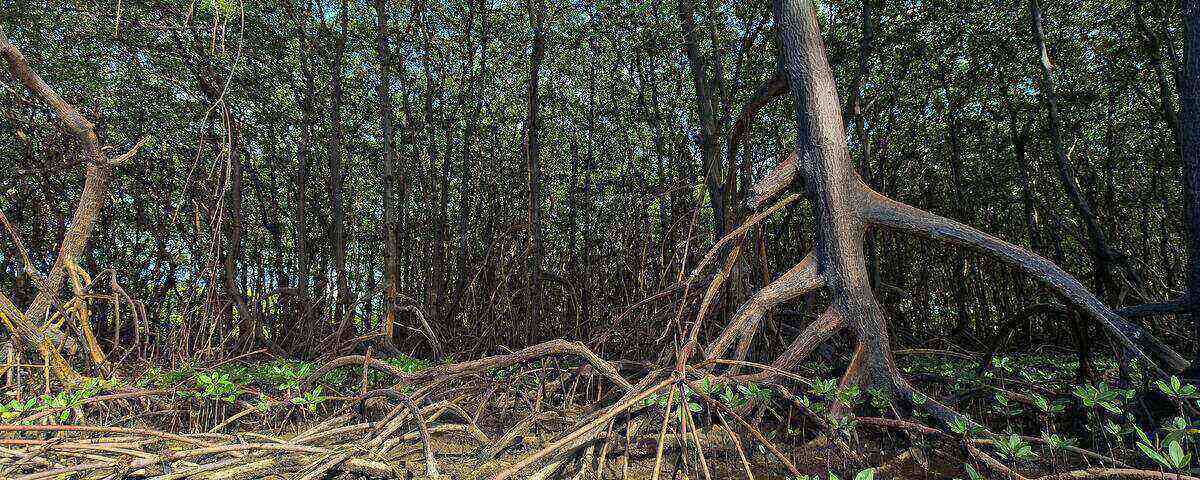
What makes The Passage truly extraordinary is the mangrove integration. Mangrove tree roots extend into the saltwater, and the submerged root systems create a habitat that blurs the line between ocean and forest. Soft coral grows on the roots themselves, fish shelter between the root tangles, and the filtered light creates an atmosphere unlike any other dive site in the world.
The dive typically begins with a drift through the broader section of the channel, where fan corals and sponges cover the walls, and transitions into the narrow section where the mangrove roots enter the water. This narrowing feels cinematic. The walls close in, the light changes, and the familiar underwater world becomes something closer to an underwater forest.
The Passage won't appear on lists of Indonesia's best sites for marine life density or pelagic encounters. That's not why you dive it. You dive it because the environment itself is the attraction, a geological and ecological phenomenon where mangrove forest meets coral reef in a space narrow enough to touch both walls simultaneously. There is nothing else like it.
Marine Life at The Passage
The mangrove root systems are the primary visual feature, with Rhizophora roots descending into the water and creating a tangled underwater forest structure. Soft coral, sponges, and tunicates encrust the roots, adding colour to the woody framework. The effect is of a living sculpture, organic shapes covered in marine growth and inhabited by fish that shelter in the root tangles.
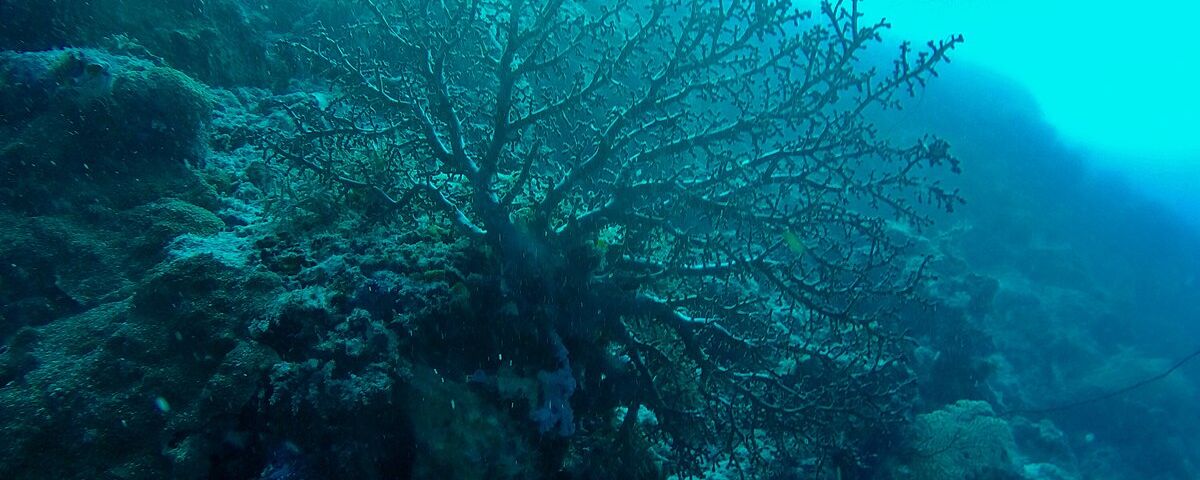
The channel walls support gorgonian fans, barrel sponges, and encrusting coral. The filtered light through the canopy and the nutrient-rich water favour filter feeders, and the sponge diversity here is notable. Feather stars in vivid colours cling to the fans, extending their arms to feed in the mild current.
Fish life includes schools of silversides and glassfish that swirl between the mangrove roots, creating shimmering curtains of silver. Lionfish hunt in the root tangles, and needlefish patrol the surface layer where marine and atmospheric environments meet. Groupers lurk in the shadows of the overhanging walls, and the occasional archer fish shoots water at insects on the mangrove leaves above (which is remarkable to witness from below the surface).
The channel floor between the walls hosts nudibranchs, flatworms, and various crustaceans. Ghost pipefish hide among the sea whips and debris. The macro life is not as dense as at dedicated critter sites, but the unique habitat means finding species in unusual settings and combinations.
The freshwater lens on the surface (from rainfall draining through the limestone) creates a halocline effect visible as a shimmering layer where salt and fresh water mix. Swimming through this thermocline produces a visual distortion that adds to the site's surreal atmosphere.
Bats roost in the limestone overhangs above the water level, and their occasional flights across the channel above your bubbles add another dimension to an already otherworldly experience.
The acoustics of The Passage add a dimension that words struggle to convey. The narrow channel amplifies and contains sound, so the clicks of mantis shrimp, the crunching of parrotfish on coral, and the metallic pinging of various reef fish create an underwater soundscape that is louder and more varied than on open reef dives. Divers who pause and listen notice this almost immediately.
Dive Conditions
The Passage is a sheltered dive with mild to moderate current driven by tidal flow through the channel. The narrow channel concentrates the flow slightly, but the shallow depth and protected position keep conditions manageable for intermediate divers.
Visibility is lower here than on the open reefs, typically 5 to 15 metres. The nutrient-rich water, tannins from the mangrove leaves, and particulate matter from the limestone walls create a green-tinted, atmospheric visibility that suits the environment perfectly. Don't expect Raja Ampat's typical 20-plus-metre clarity here; this is a different kind of dive.
Water temperature is warm at 27 to 30 degrees, with occasional cooler layers from freshwater mixing in the shallows. The depth profile is shallow (maximum 18 metres, most of the interesting features between 2 and 10 metres), allowing long dives and generous air reserves.
The channel can produce surge at the narrow sections during tidal transitions, but this is manageable by timing the dive to avoid peak flow. The walls and root structures provide natural handholds (use roots carefully to avoid damage) if current picks up unexpectedly.
Entry is by boat at one end of the channel, with the dive drifting through to the other end where the boat picks up. The dive is one-directional; you can't practically swim against the current back to the start.
The enclosed nature of the channel creates a slight claustrophobic effect for some divers, particularly in the narrowest sections where the walls close to a few metres apart. There's always sky above you, so it's not a cavern or overhead environment, but claustrophobia-sensitive divers should be aware.
The freshwater influence creates a surface layer that can affect photography. The halocline produces a wavering, heat-shimmer effect in images that shoot upward through the mixing zone. Some photographers embrace this as atmospheric; others avoid it by staying below the mixing layer. Understanding the halocline's position (typically in the upper 1 to 2 metres) helps plan compositions.
⚓ Divemaster Notes
The Passage is the dive I use to remind people why they fell in love with diving. After days of chasing sharks and mantas on the current-swept sites, spending an hour drifting through an underwater forest at 5 metres recalibrates your expectations about what makes a great dive.
Timing matters for the light. I plan The Passage dives for late morning when the sun is high enough to penetrate the canopy and create the green-gold light shafts that make this site so atmospheric. Overcast days produce a different, moodier effect that's also beautiful, but the sunlit version is what people remember.
For photographers, The Passage is about wide-angle environmental shots. The mangrove roots with the forest canopy visible through the surface above, the light shafts penetrating the green water, the silhouette of the channel walls. Slow down and compose. Vertical frames work well for the root structures.
Don't touch the mangrove roots. They look sturdy but the marine growth on them is fragile, and the roots themselves can break if pulled. Keep your fins clear and maintain neutral buoyancy to avoid contact.
The halocline where fresh and salt water mix creates a blurring effect that confuses autofocus systems. Switch to manual focus when shooting through or near the mixing layer.
I always point out the archer fish to my groups. Watching a fish shoot a jet of water at an insect on a leaf above the surface, from below the surface, is one of those nature moments that stays with you. They're present year-round but most active in the early morning.
How to Get to The Passage
The Passage lies between Waigeo and Gam islands in the northern section of Raja Ampat. It's accessible by boat from any of the Dampier Strait resorts (roughly 30 to 60 minutes depending on location) or as part of a liveaboard itinerary.
Reaching Raja Ampat requires flying to Sorong and transferring by boat to the islands. Most resorts include The Passage on their regular dive schedules, and it's a highlight of virtually every liveaboard route through the region.
Raja Ampat marine park entry fee applies (IDR 1,000,000 for foreign visitors).
Gear Recommendations
3mm wetsuit or rash guard for the warm, shallow water. Wide-angle lens is essential for capturing the channel environment and mangrove root structures. Torch useful for looking into crevices and root tangles but not essential for the overall experience. No reef hook or current management gear needed. SMB for the exit point. Underwater housing with a good dome port for the over-under (split-level) shots at the surface interface.
Recommended Dive Operators
All Dampier Strait operators include The Passage on their schedules. Papua Explorers and Papua Diving on Kri Island run regular trips. Raja Ampat Dive Lodge on Mansuar offers access from the western side. Liveaboard operators all include it as a signature experience. The dive is straightforward enough that guide quality matters less than at current-intensive sites, though local knowledge of the tidal timing is valuable.
Liveaboard Options
The Passage is a highlight of every Raja Ampat liveaboard itinerary that covers the northern section of the archipelago. The Damai, Dewi Nusantara, Grand Komodo, and Shakti all include it, often scheduling the dive for optimal light conditions. The channel is short enough that kayak tours through The Passage are sometimes offered alongside the dive, giving non-diving guests the topside perspective.