Seaventures House Reef Dive Site
Sipadan, Malaysia · Near Semporna
Overview
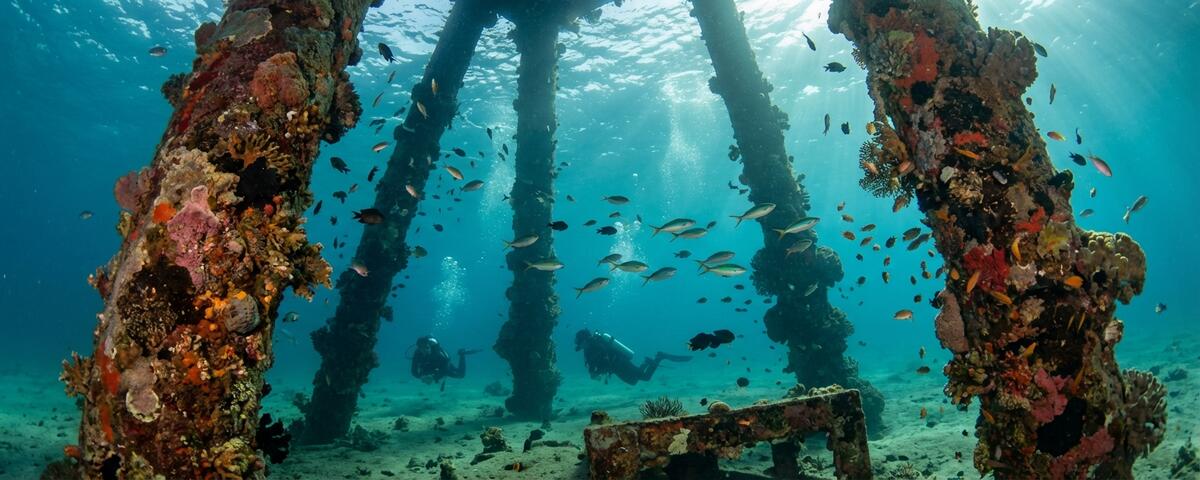
Seaventures House Reef sits directly beneath a converted oil rig off the coast of Mabul Island in Sabah, Malaysian Borneo. The rig has been anchored in position for over twenty years, and in that time something remarkable has happened: the steel columns, cross-braces, and surrounding seabed have transformed into one of Southeast Asia's most productive muck diving sites. The structure itself functions as a massive artificial reef, its legs colonised by sponges, tunicates, and soft coral, while the sandy rubble floor below has become a hunting ground for macro photographers chasing some of the rarest critters in the Coral Triangle.
What makes this site unusual is the access. Seaventures operates an elevator-style dive platform that lowers you directly from the rig deck into the water. No boat ride, no surface swim, no current to fight on entry. You step onto the platform, gear up, and descend straight to the bottom at 12 to 16 metres. This means unlimited house reef diving is standard for guests, and serious photographers regularly log four or five dives here in a single day without ever leaving the rig.
The site is a rectangle roughly following the footprint of the rig's support columns. Seven numbered legs provide easy navigation landmarks, so even on your first dive you can orient yourself without a guide. Between the legs, scattered boat wrecks and artificial structures create additional habitat, and the combination of hard substrate, rubble, and open sand means the biodiversity density per square metre is genuinely extraordinary.
Mabul sits in the Celebes Sea about 15 minutes by boat from Sipadan Island, and the Seaventures rig is positioned just off Mabul's northeast coast. While Sipadan gets the headlines for its walls and pelagics, the house reef beneath this oil rig is where the small stuff lives. Flamboyant cuttlefish, harlequin shrimp, painted frogfish, ribbon eels, pygmy seahorses, ghost pipefish, hairy shrimp, and pygmy squid have all been recorded here, sometimes all on a single dive.
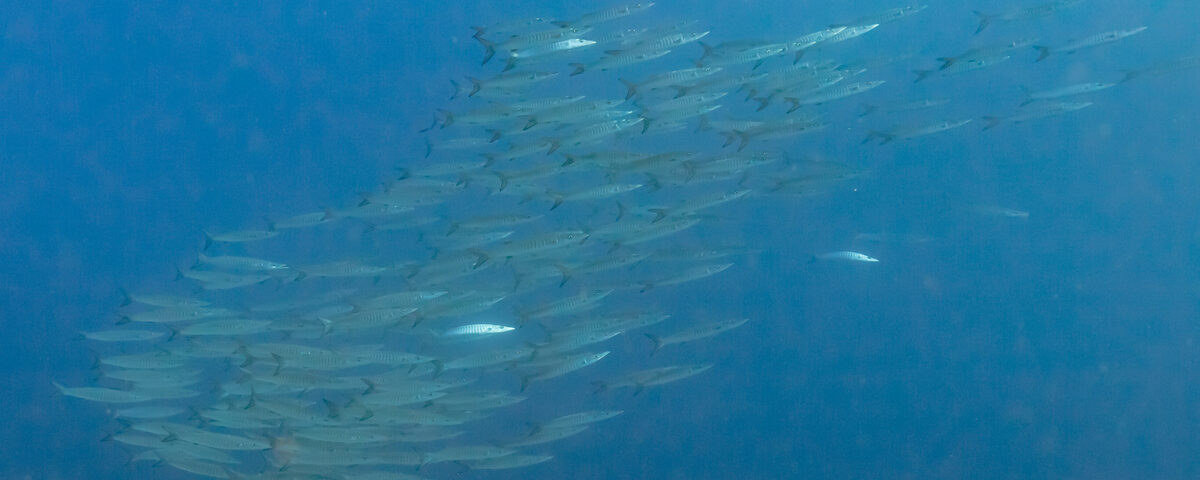
The contrast with Sipadan could not be sharper. Where Sipadan delivers spectacle at scale (barracuda tornadoes, turtle herds, shark patrols), Seaventures House Reef delivers intimacy. You spend the dive on your knees on the sand, face pressed against the viewfinder, watching a frogfish the size of your thumbnail yawn. Both experiences belong on the same trip, and that is precisely why most divers stay at Mabul or Seaventures rather than commuting from the mainland.
The site works for all levels. Open Water students regularly do their check-out dives here because the depth is manageable and the current is negligible. At the same time, experienced macro photographers with 2,000 dives still find new species on every visit. The rig's infrastructure removes most of the logistical friction that normally limits dive counts, and the 24-hour access means night dives are just a matter of walking to the lift.
Night diving here deserves special mention. The artificial lights from the rig attract plankton, which attracts everything else. Mandarinfish emerge from the rubble at dusk. Bobtail squid appear on the sand. Spanish dancers cruise across the substrate. The rig transforms into a completely different ecosystem after dark, and the ease of access means you can be underwater within five minutes of finishing dinner.
Marine Life at Seaventures House Reef
The macro life is the main event, and the species list reads like a critter-hunter's wish list. Painted frogfish are resident, ranging from coin-sized juveniles in vivid orange to fist-sized adults in mottled brown. Multiple individuals are often present at the same time, and the guides know their locations. Flamboyant cuttlefish, arguably the most photogenic creature in the ocean, hunt across the sandy patches in their distinctive walking gait, pulsing purple and yellow warning colours.
Harlequin shrimp pair up beneath coral rubble, their polka-dotted bodies and oversized claws making them one of the most sought-after subjects in macro photography. They feed exclusively on starfish, and finding a pair actively dismembering a sea star is one of those Mabul moments you remember years later.
Ribbon eels occupy burrows near the rig legs, their electric blue and yellow bodies swaying in the gentle current. Ghost pipefish drift near the wire coral and soft coral clusters, their camouflage so effective that many divers swim past without noticing. Hairy shrimp, barely 5mm long, hide in hydroids and require a trained eye (or a guide with supernatural vision) to spot.
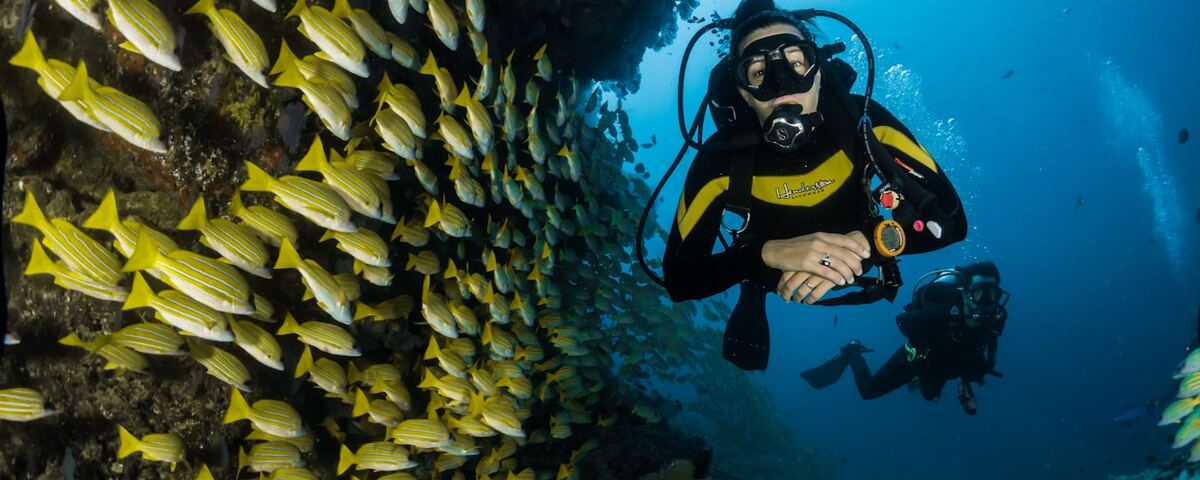
The rig legs themselves host schools of batfish, fusiliers, bannerfish, and snapper. A resident giant grouper patrols the structure. Crocodile flatfish lie on the sand, nearly invisible until a guide points them out. Nudibranchs of dozens of species carpet the rubble, with Anna's chromodoris and Diana's chromodoris being among the most frequently photographed.
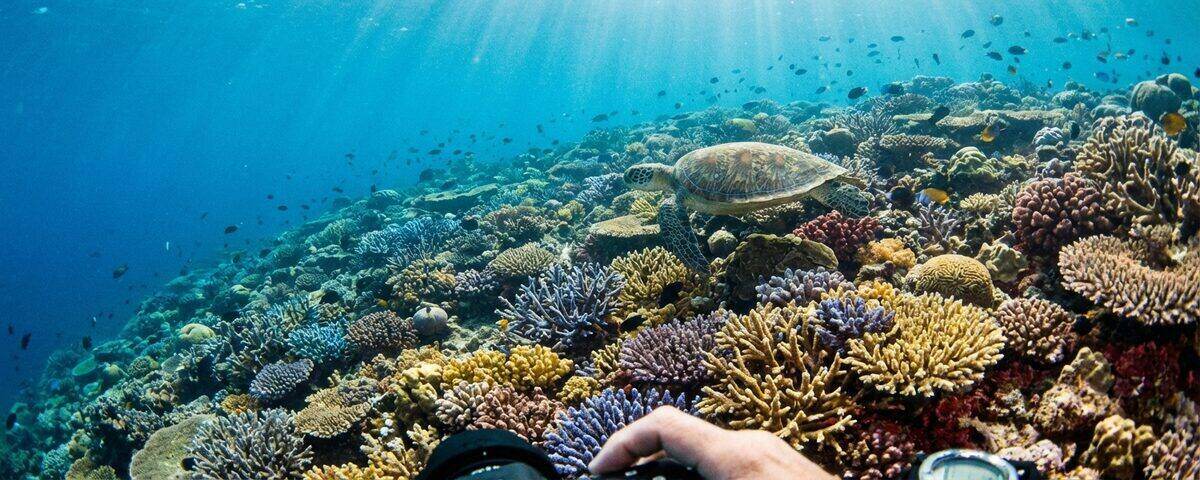
Turtles pass through regularly, sometimes sleeping under ledges or resting on the sand. Moray eels, both giant and whitemouth, occupy holes in the boat wrecks. Scorpionfish and lionfish are everywhere, their camouflage a reminder to watch where you put your hands.
At dusk, mandarinfish emerge for their mating dance in the rubble near the rig legs. This is one of the few places in Southeast Asia where the timing is reliable enough to plan around. The squat, psychedelic fish are nearly impossible to photograph well, which keeps photographers coming back.
The boat wrecks scattered around the base create their own micro-ecosystems. Soldierfish, groupers, and cardinalfish shelter inside the hulls during the day, while octopuses take up residence in the holds and engine compartments.
Dive Conditions
Depth ranges from 5 metres near the surface structures to 16 metres at the deepest sand patches. Most of the interesting macro life sits between 10 and 15 metres, which means air consumption is rarely an issue and bottom times of 60 to 90 minutes are common for photographers with good buoyancy.
Visibility varies between 5 and 15 metres depending on tidal conditions and recent weather. This is muck diving, not wall diving, so crystal-clear water is not the point. On lower-visibility days the macro hunting can actually improve, as some critters are more active when the water is murky. That said, strong tidal shifts can reduce visibility to 3 metres, which makes navigation more challenging but also produces some of the best critter sightings.
Current is negligible to non-existent. The rig structure provides shelter, and the surrounding seabed is shallow enough that tidal flows have minimal effect. This makes it an excellent site for photographers who need to stay stationary for extended periods.
Water temperature holds steady between 27 and 30 degrees Celsius year-round. A 3mm wetsuit is standard, though some divers prefer a thin rash guard for repeated short dives. The Celebes Sea maintains remarkably consistent temperatures, and thermoclines are rare at this depth.
The best diving conditions run from April to December, with the calmest seas typically between April and June. January to March brings the northeast monsoon, which can produce choppier surface conditions and reduced visibility, though the site remains diveable year-round thanks to the rig's sheltered position.
Entry and exit use the rig's elevator platform, which eliminates giant strides, ladders, and surface swims. The platform lowers to water level, you step off and descend, and on return you ascend to the platform and are lifted back to deck level. It is the most comfortable dive entry system in Malaysia.
⚓ Divemaster Notes
Buoyancy control is everything on this site. The macro critters live on the sand and rubble, and a diver who cannot hover without fin kicks will stir up silt and destroy visibility for everyone behind them. If your buoyancy is not genuinely solid, do a couple of check-out dives here before committing to serious macro hunting.
The guides at Seaventures are exceptional critter spotters with years of experience on this specific site. Hiring a guide for at least your first dive is worth it even if you consider yourself an experienced muck diver. They know where the frogfish have been sitting this week, where the harlequin shrimp have moved to, and which rubble patch has the mandarinfish at dusk. The location knowledge is hyper-specific and changes daily.
Photographers should bring macro lenses (60mm or 100/105mm) as the primary setup. A wide-angle lens is largely wasted here unless you specifically want to shoot the rig structure itself. Bring a focus light and a good strobe system. The subjects are small, the background is often dull sand, and good lighting is what separates a snapshot from a portfolio image.
The numbered rig legs make navigation straightforward. Start at Leg 1 and work around in a circuit, checking the rubble between each leg. The boat wrecks are scattered around the periphery and provide good turnaround points. On a relaxed dive with no guide, the circuit takes about 50 to 60 minutes at a comfortable pace.
Night dives are self-managed (buddy pair required, no guide necessary) and the lift operates until late. Bring two torches; the backup is not optional on a muck dive where stepping on a scorpionfish is a real possibility. The mandarinfish mating dance happens around dusk, roughly 30 minutes before full dark, near the rubble patches between Legs 2 and 4.
Avoid touching the rig legs with bare hands. Some sections have fire coral growth, and the barnacles on the steel will cut through dive gloves. Maintain a respectful distance from all critters, particularly frogfish and flamboyant cuttlefish, which can be stressed by overly aggressive photography. If a subject moves away from you, let it go.
How to Get to Seaventures House Reef
Semporna is the gateway town, reached by flight to Tawau Airport (TWU) in Sabah, Malaysian Borneo. AirAsia and Malaysia Airlines operate daily flights from Kota Kinabalu, and AirAsia flies direct from Kuala Lumpur several times per week. From Tawau Airport, Semporna is roughly 90 minutes by road. Most dive operators arrange airport transfers as part of their packages.
From Semporna jetty, the boat ride to the Seaventures Dive Rig takes approximately 45 minutes across the Celebes Sea. The rig is anchored just off the northeast coast of Mabul Island, which itself is about 15 minutes by speedboat from Sipadan.
Seaventures is the only accommodation on the rig itself. The converted oil platform has been fitted out as a dive resort with private and shared rooms, a restaurant, dive centre, camera room, and common areas. Staying on the rig is the only way to access unlimited house reef diving, as the site sits directly below the accommodation.
Alternatively, you can stay at one of the resorts on Mabul Island (Sipadan Water Village, Borneo Divers Mabul, Scuba Junkie, Smart Mabul) and request a boat trip to the rig site, though access to the elevator platform and unlimited diving is exclusive to Seaventures guests.
Malaysia requires no visa for most nationalities for stays up to 90 days. Semporna has ATMs, basic medical facilities, and dive equipment shops. The town is functional rather than pretty, a working fishing port that serves as the jumping-off point for the entire Sipadan-Mabul-Kapalai dive area.
Gear Recommendations
A 3mm wetsuit or even a thick rash guard is sufficient for the 27 to 30 degree water. Many photographers diving four or five times daily prefer a rash guard for comfort and quick drying between dives.
Macro photography is the primary activity, so bring your best macro lens and housing. A 100mm or 105mm macro lens gives the working distance needed for skittish subjects like mandarinfish. A 60mm macro works well for larger subjects like frogfish but requires closer approach. A dioptre or wet lens for super-macro work on hairy shrimp and pygmy squid is worth packing.
Two strobes are strongly recommended. Single-strobe lighting produces harsh shadows on small subjects against sand backgrounds. A snoot attachment is useful for isolating subjects from cluttered backgrounds.
A pointer stick or muck stick is standard equipment for muck diving. It helps with stability on the sand without damaging the reef, and guides use them to indicate critters without touching them.
Nitrox (EANx32) is available and recommended for photographers doing multiple dives per day. The site is shallow enough that nitrogen loading is not a major concern on any single dive, but four dives at 14 metres in one day adds up. Nitrox extends your bottom time and reduces surface interval requirements.
The camera room on the rig has charging stations, rinse tanks, and workbenches. Bring your own tools, o-ring grease, and spare o-rings. Seaventures stocks basic supplies but not specialist housing parts.
Recommended Dive Operators
Seaventures Dive Rig is the primary operator and the only one with direct access to the house reef via the elevator platform. They operate a PADI 5-Star IDC Centre offering courses from Open Water through to Divemaster and several specialties, including the unique PADI Rig Diver Specialty Course developed specifically for this site. Nitrox is available, and they maintain a dedicated camera room with charging stations and rinse tanks.
For divers wanting to combine Seaventures House Reef with broader Mabul and Sipadan diving, Borneo Divers Mabul Resort has been operating in the area since 1988 and runs daily Sipadan trips. Sipadan Water Village offers overwater bungalows and its own house reef diving. Scuba Junkie Mabul provides budget-friendly packages with Sipadan permit allocation.
All operators in the area can arrange Sipadan dive permits (limited to 120 per day for the entire island), but permit allocation varies by resort. Seaventures typically allocates 2 to 3 Sipadan days per 4-night stay, with the remaining days spent on the house reef, Mabul sites, and Kapalai.
Booking well in advance is strongly recommended, particularly for peak season (July to September) and for guaranteed Sipadan permit allocation. Three months ahead is the minimum; six months is safer for high-season dates.
Liveaboard Options
Seaventures House Reef is a shore-based dive site (or more accurately, a rig-based dive site) and is not typically included on liveaboard itineraries. The site requires the rig's elevator platform for optimal access, which makes it exclusive to Seaventures guests.
Liveaboards operating in the broader Sipadan-Mabul area do exist but are relatively uncommon compared to the resort-based model that dominates this region. Most divers access the area through land-based resorts on Mabul, Kapalai, or the Seaventures rig itself.
For extended dive trips combining the Sipadan-Mabul area with other Malaysian dive regions, some operators run itineraries linking Sipadan with Layang-Layang Atoll in the South China Sea, though these are typically seasonal (March to August when Layang-Layang is accessible).
The rig-based accommodation at Seaventures functions somewhat like a liveaboard in spirit: you eat, sleep, and dive from the same structure with no commuting, and the unlimited house reef access creates a similar immersive routine. Packages typically run 3, 4, or 5 nights, with Sipadan dive days allocated across the stay.