Aphol's Point Dive Site
Anilao (Batangas), Philippines · Near Mabini, Batangas
Overview
Aphol's Point is one of those Anilao dive sites that rarely appears in guidebooks, which is precisely why it deserves your attention. Sitting off the coast near Maricaban Island, this exposed reef point catches current from the Verde Island Passage in a way that most sheltered Anilao sites simply do not. For a region synonymous with calm, shallow muck diving, that current changes everything. It brings nutrients, it brings pelagic visitors, and it brings a density of nudibranch species that surprises even divers who think they have seen Anilao's best.
The site takes its name from a local fisherman and boatman who first showed dive operators the reef's potential back when Anilao's dive industry was still finding its feet. The point itself is a rocky promontory that drops into deeper water on two sides, creating a natural convergence zone where currents accelerate around the headland. This hydrodynamic profile sets it apart from the gentle sand slopes and house reefs that dominate the Anilao experience.
Anilao sits in the Verde Island Passage between Luzon and Mindoro, a stretch of water that marine biologists from the California Academy of Sciences identified as the centre of the centre of marine shore fish diversity. More species per unit area than anywhere else surveyed on the planet. Aphol's Point, positioned where the passage's currents sweep across the reef, benefits from this biodiversity in a way that calmer inshore sites cannot match. The current acts as a conveyor belt, delivering planktonic food that feeds the filter feeders, which in turn attract the predators, which in turn attract divers willing to handle a bit of water movement.
Most Anilao operators know this site but not all of them visit it regularly. The current makes it weather-dependent and less predictable than the crowd favourites closer to shore. When conditions line up, though, it rewards the effort with a reef that feels wilder and less manicured than the typical Anilao experience. Less resort diving, more proper reef diving.
Marine Life at Aphol's Point
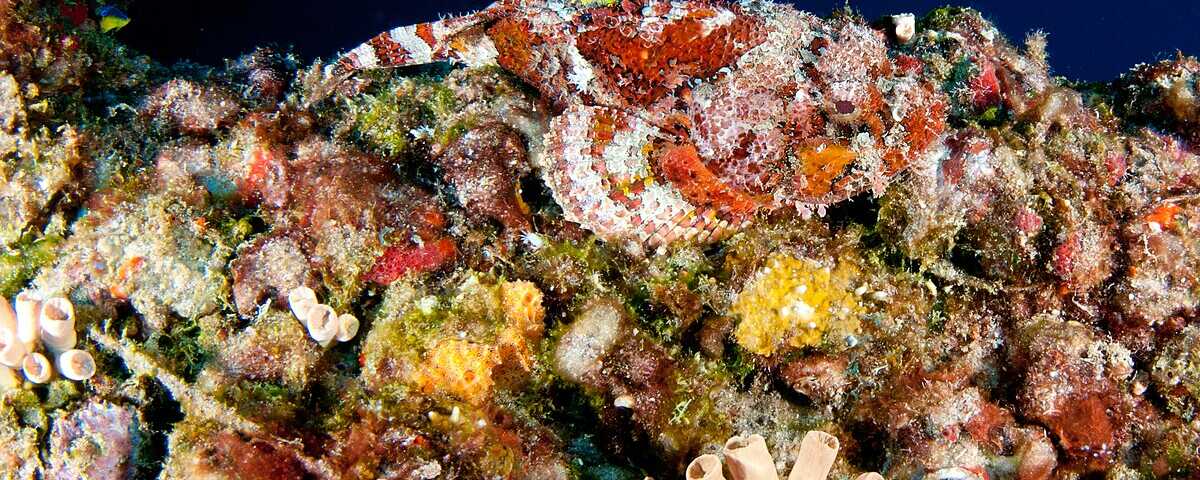
Nudibranchs are the headliner, and Aphol's Point delivers them in varieties that justify bringing every macro lens you own. The current-swept rocks and coral rubble host species that thrive in flow: Chromodoris in electric blues and oranges, Phyllidia with their characteristic bumpy mantles clinging to sponges, and Nembrotha species in green and black that seem to glow against the substrate. On a good day, patient photographers log 20 or more species on a single dive. Anilao holds the record for the most nudibranch species identified in a two-week survey period (591), and this site contributes meaningfully to that count.
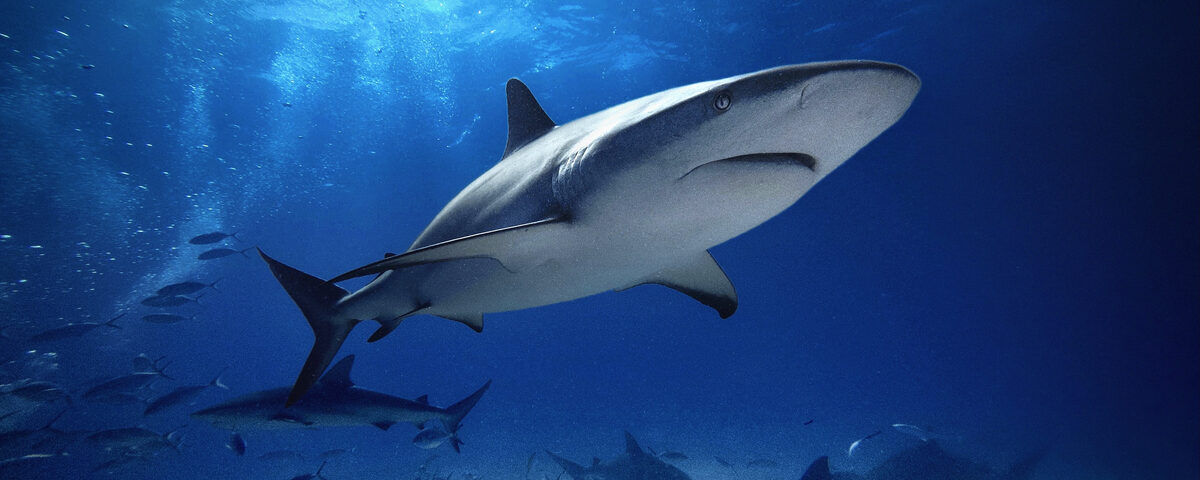
The current brings bigger visitors too. Reef sharks cruise past the point where water movement is strongest, particularly during the cooler months when thermoclines push nutrients into the shallows. Trevally hunt in loose packs along the drop-off, and barracuda sometimes form small schools that hang in the blue just beyond the reef edge. Eagle rays pass through occasionally, riding the current with that effortless glide that makes every diver forget about their air consumption for a moment.
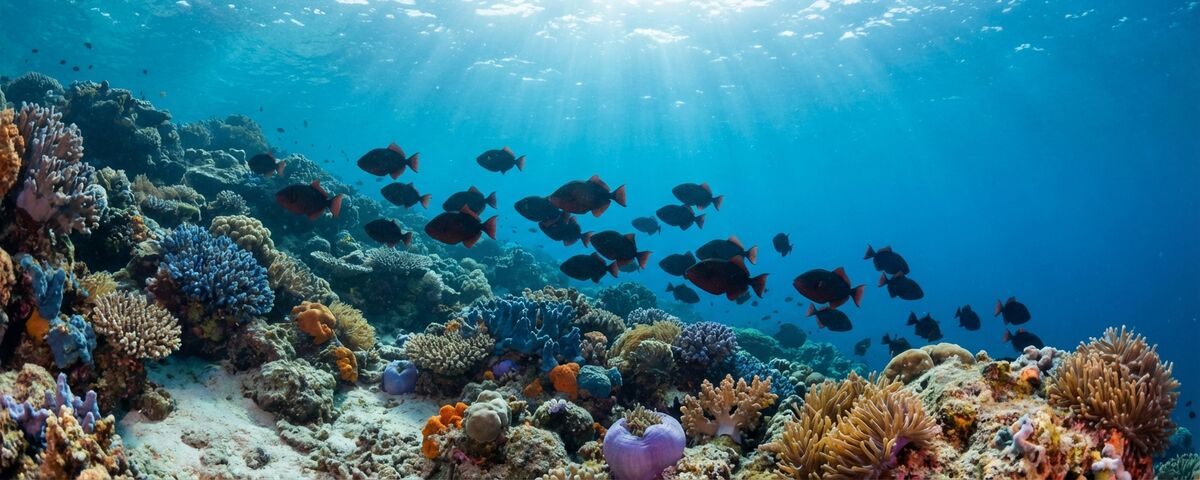
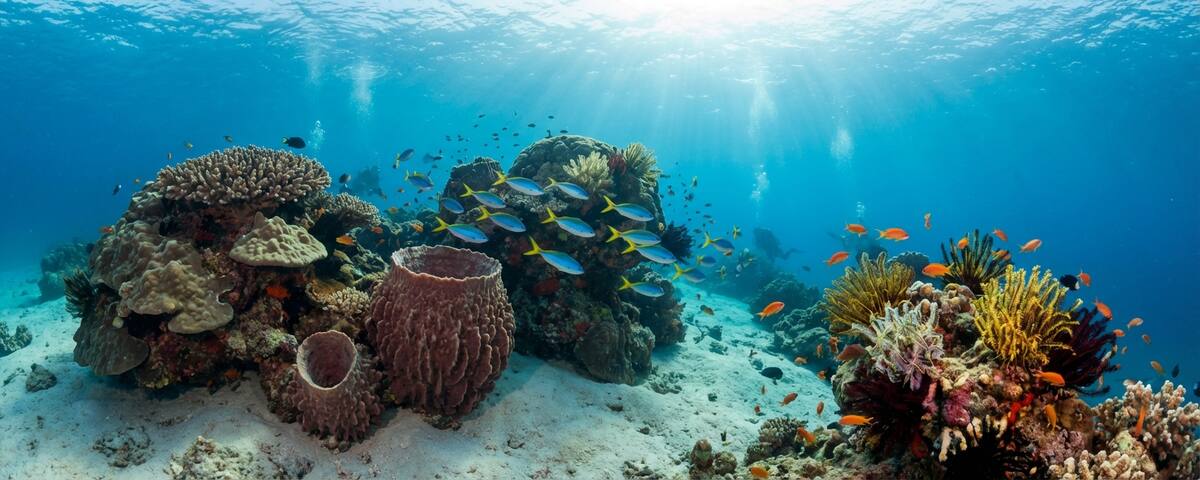
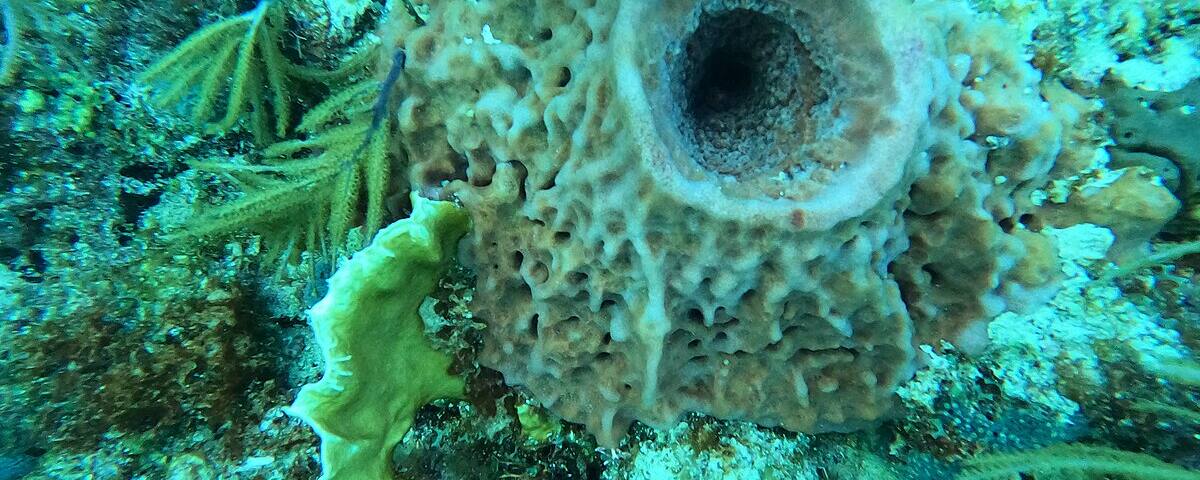
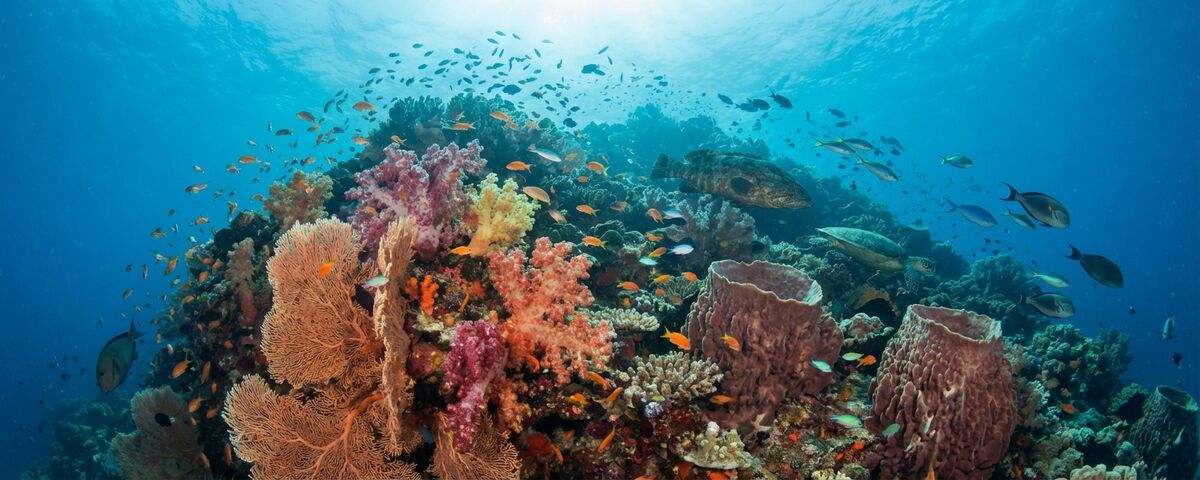
Closer to the reef, the hard coral coverage is impressive by Philippine standards. Table corals, staghorn formations, and encrusting species compete for space on the upper sections of the slope. Soft corals and sea fans colonise the steeper sections where current brings food directly to their polyps. Barrel sponges grow to substantial sizes on the deeper portions, providing shelter for hawksbill turtles that rest in their lee.
Frogfish hide among the sponges and coral rubble in their usual improbable camouflage. Ghost pipefish hang vertically in crinoids, invisible until a guide's pointer laser picks them out. Mantis shrimp peer from burrows in the rubble zone. Blue-ringed octopuses, small and lethally venomous, sometimes appear in crevices on the deeper sections. The anemone clusters host pairs of Clark's and false clown anemonefish, and cleaning stations along the reef edge see larger fish queuing for the attentions of cleaner wrasses.
At night, the site transforms. Spanish dancers, the largest nudibranchs in these waters, emerge from crevices to feed. Basket stars unfurl their intricate arms to filter the current. Crabs and shrimp that spend the day hidden become the main event under torch light.
Dive Conditions
Current is the defining feature of this site and the reason it does not suit everyone. The point catches flow from the Verde Island Passage, and tidal exchanges can push water across the reef at speeds that demand decent fin technique and awareness. On slack tide, the site is manageable for competent Open Water divers. On a running tide, the current picks up to a level where holding position against the flow takes real effort. Experienced divers treat it as a drift, dropping in up-current and letting the water carry them along the reef edge before ascending in the lee of the point.
Most operators time their dives here around tidal windows. An hour either side of slack gives the best balance between manageable current and enough flow to bring in the marine life that makes the site worthwhile. Your divemaster or boat captain will read the conditions on arrival and make the call. If they say the current is too strong, trust them.
Visibility ranges from 8 to 25 metres depending heavily on season and recent weather. The dry season months from November through May produce the clearest conditions, with the northeast monsoon reducing coastal runoff. After heavy rain, visibility can drop sharply as sediment washes off the hillsides into coastal waters. The current itself sometimes improves visibility by pushing clearer oceanic water across the reef, but it can also bring in plankton-rich green water that cuts visibility while boosting marine life activity.
Water temperature sits between 25 and 30 degrees Celsius year-round. The cooler months from December through February occasionally bring thermoclines where temperature drops noticeably below 15 metres. A 5mm wetsuit or a 3mm with a hooded vest handles the full temperature range. Most divers manage comfortably in 3mm from March onwards.
The bottom profile is a rocky slope that steepens as it drops away from the point. The upper sections from 5 to 15 metres offer the best coral cover and macro critter hunting. Below 15 metres, the slope becomes more vertical in places, with sea fans, sponges, and soft corals dominating the wall. The deepest useful diving sits around 25 to 30 metres where the wall meets a sandy slope. Most divers spend the bulk of their bottom time in the 10 to 20 metre range where the biodiversity concentrates.
⚓ Divemaster Notes
Read the current before you commit. Drop a weight or watch the surface drift before sending divers in. If the current is ripping, this site becomes an advanced drift dive rather than the gentle reef exploration it can be on slack. Brief your group on drift procedures, buddy separation protocol, and SMB deployment before they go in the water.
The classic approach is to enter up-current of the point and drift along the reef edge, spending time in the 10 to 18 metre zone where coral cover and critter density peak. As you round the point into calmer water, the sheltered side offers a good spot to slow down and hunt for macro subjects without fighting the flow. Ascend in the lee where a safety stop is comfortable.
For macro-focused dives, the rubble zones between coral heads on the upper slope are the most productive areas. Nudibranchs concentrate on sponge-covered rocks in the 8 to 15 metre range. Frogfish favour the larger sponges and coral outcrops where their camouflage matches the substrate colour. Check crinoids carefully for ornate ghost pipefish, particularly during the cooler months when they seem more abundant.
Buoyancy discipline matters here more than at most Anilao sites. The current can push poorly weighted divers into the reef, and the coral is healthy enough that damage is real and visible. Make sure your group is properly trimmed before they start poking around the macro subjects.
Watch air consumption carefully. Current diving burns gas faster than most people expect, and photographers who stop finning to shoot while the current pushes them tend to use more air compensating afterwards. Brief a conservative turn pressure, particularly for divers unfamiliar with current.
Surface conditions can change while you are underwater. Brief your boat crew on pickup procedures and have a plan for diver collection if the group surfaces away from the planned exit point. An SMB from each buddy pair makes the boat crew's job far simpler.
How to Get to Aphol's Point
Aphol's Point is reached by bangka (outrigger boat) from the Anilao coast, typically a 20 to 35 minute ride depending on your departure point and sea conditions. Most dive operators along the Mabini coastline include this site in their rotation, though not all visit it daily. You may need to request it specifically, particularly if conditions look marginal for current.
Getting to Anilao from Manila takes roughly 2.5 to 3 hours by road. Take the South Luzon Expressway (SLEX) southbound, exit toward Batangas, and follow the Batangas-Bauan-Mabini road to the Anilao coast. Traffic leaving Manila on Friday evenings is notoriously bad, so plan accordingly if you are joining the weekend dive crowd.
From the Batangas Grand Terminal, jeepneys and vans run to Mabini town throughout the day. A tricycle from the Mabini junction to any of the coastal resorts costs around 200 PHP. Most resorts will also arrange private transfers from Manila or from Ninoy Aquino International Airport (NAIA) for guests arriving with dive gear.
Batangas City, about 45 minutes from Anilao by road, has banks, hospitals, hardware shops, and supermarkets. Mabini town centre offers basics: pharmacies, small grocery stores, a few local restaurants, and mobile phone shops. Do not count on reliable ATMs in Mabini itself; withdraw cash in Batangas before heading out.
Anilao is busiest on weekends when Manila residents descend for two-day dive trips. Midweek diving means fewer boats on the sites, shorter waits at entry points, and generally better conditions. If your schedule allows it, arrive Monday and dive through to Thursday.
Gear Recommendations
A 3mm wetsuit covers most of the year. Bring a 5mm or add a hooded vest for December through February when thermoclines at depth can drop temperatures noticeably. Rash guards alone are fine from April through June on the shallower sections.
Macro photography is the primary reason most people visit this site. A 60mm or 100mm macro lens paired with a quality strobe is the standard setup. Bring a focus light for spotting subjects in crevices and under overhangs. A snoot attachment adds creative options for isolating subjects against the reef background. Carry spare batteries and a lens cloth; salt spray on the boat ride out will coat everything.
A surface marker buoy is not optional here. The current means you may surface away from the boat, and the boatman needs to see you. A delayed SMB deployed from 5 metres during your safety stop is the standard approach. Carry a whistle and a mirror or strobe as backup signalling devices.
Reef hooks are not commonly used at Anilao sites, but some divers bring one for Aphol's Point specifically. Hooking into dead rock on the point allows you to hang in the current and watch the pelagic traffic without burning gas finning in place. Only hook into dead substrate, never live coral.
A dive computer with nitrox capability is worthwhile. Running enriched air (32% is standard at most Anilao operators) extends your bottom time meaningfully at the 18 to 25 metre depths where the wall gets interesting. Most operators offer nitrox fills for a small additional charge.
Recommended Dive Operators
Most established Anilao dive centres can take you to Aphol's Point, though the site's current-dependent nature means not all operators include it as a standard option. Ask specifically.
Solitude Acacia Resort runs a professional operation with experienced divemasters who know the site well and time their visits around optimal tidal windows. Their guides are strong on macro identification and will point out critters you would otherwise swim straight past. Crystal Blue Resort caters heavily to underwater photographers and offers packages that include guided macro dives at sites like Aphol's Point alongside their better-known shore-based options.
Buceo Anilao is another solid choice, particularly for smaller group sizes. Their boats are well maintained and their crew experienced with the current-prone offshore sites. Dive 7000 Resort, one of the oldest operations in the area, can arrange trips to Aphol's Point as part of multi-site day packages.
Pricing across Anilao operators follows a consistent pattern: expect 1,500 to 2,500 PHP per guided boat dive including tank and weights. Full gear rental adds another 500 to 1,000 PHP. Multi-day packages with accommodation bring the per-dive cost down meaningfully.
For underwater photography guidance specifically, several Anilao-based photo pros offer one-on-one guiding services. Having a dedicated guide who knows exactly where the blue-ringed octopus is living this week makes a material difference to your image output.
Liveaboard Options
Anilao is a shore-based dive destination. The sites cluster within 30 minutes of the coastline, resorts are plentiful along the Mabini coast, and the infrastructure is built around day-trip diving from land-based operations. Liveaboards do not typically serve Anilao as a standalone itinerary.
Some liveaboard routes through the Verde Island Passage include Anilao sites as embarkation or disembarkation stops. Boats heading south toward Mindoro, Apo Reef, or the Visayas might offer a dive or two around Anilao before pushing on to more remote waters. These itineraries originate from Batangas port, roughly 45 minutes by road from the Anilao dive sites.
For a dedicated Anilao experience, resort-based packages are the way to go. Most resorts offer 3 to 7 night packages with two to four boat dives per day, covering a rotation of sites that can include Aphol's Point alongside the more popular macro sites closer to shore. This format gives you the flexibility to skip a dive when conditions are off and the comfort of a proper bed and hot shower between dives, which liveaboard veterans may or may not consider a luxury.