Bonito Island Dive Site
Anilao (Batangas), Philippines · Near Tingloy
Overview
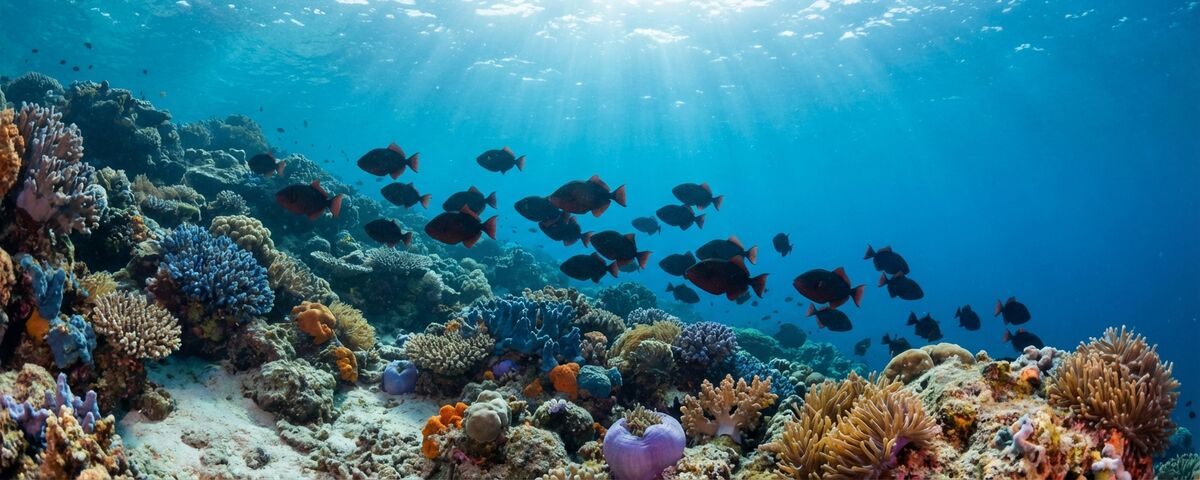
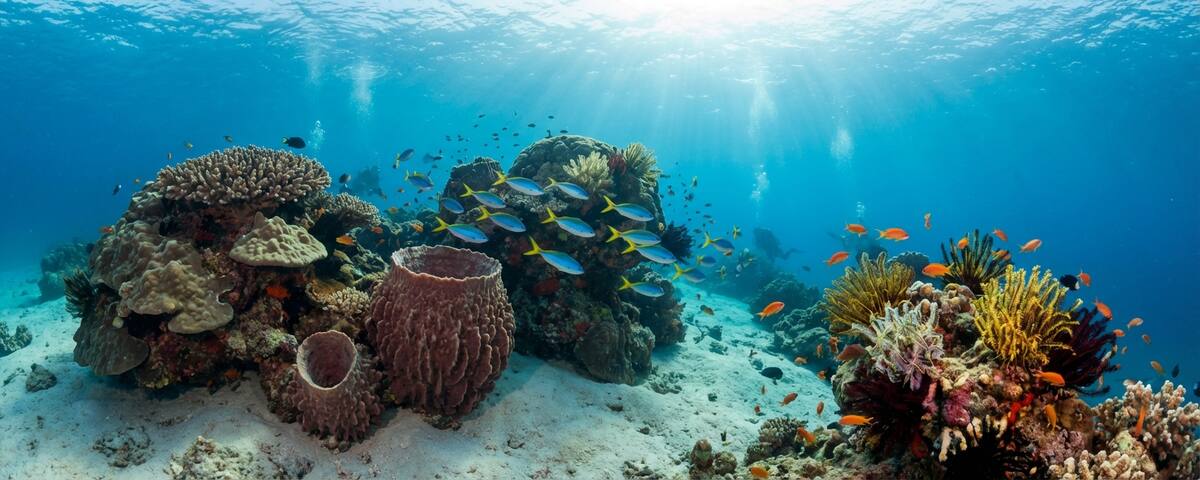
Bonito Island sits off the eastern coast of Maricaban Island, roughly 60 to 90 minutes by banca from the Anilao resort strip. It is a designated marine sanctuary, and the protection shows. The reef here has a character quite different from the muck sites and wall dives that dominate most Anilao dive plans. Coral heads rise from sandy slopes between 6 and 24 metres, scattered among boulders of various sizes, and the overall effect is less structured wall dive, more underwater garden with hiding places.
The island falls within the Verde Island Passage, the stretch of water between Luzon and Mindoro that marine biologists identified in a 2005 study by Kent Carpenter and Victor Springer as having the highest concentration of shore-fish species per unit area anywhere in the world. Bonito Island benefits from this position directly. The species counts here are not theoretical; they are visible on a single dive.
Bonito's neighbour Malajibomanoc (the name translates to 'chicken feather' in Tagalog) sits at the eastern end of the island and is sometimes dived as a combined trip. That site has underwater hot springs at 20 metres, which is a genuinely unusual feature for a Philippine dive site. The two islands together make a strong half-day itinerary for divers willing to commit to the longer boat ride.
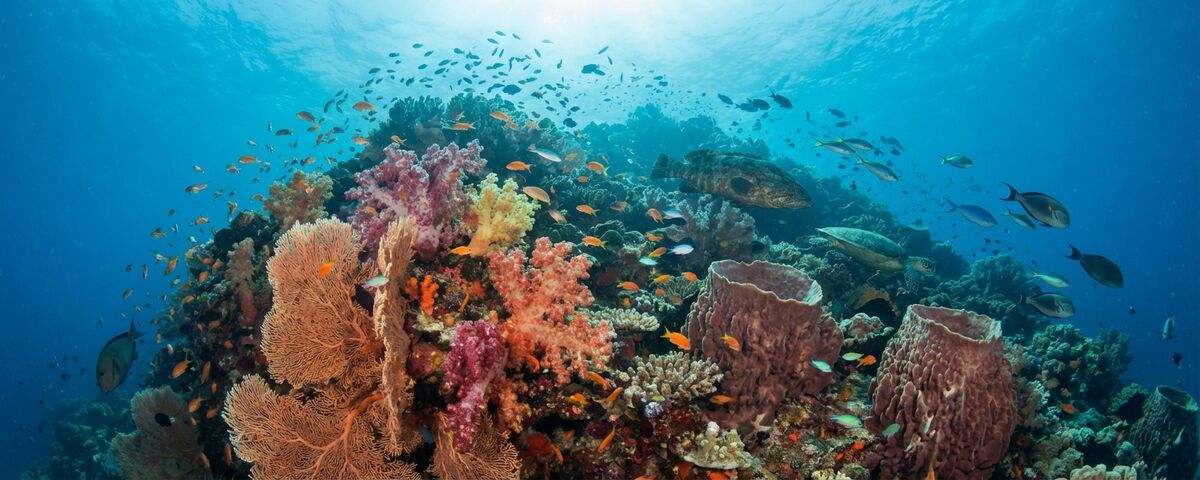
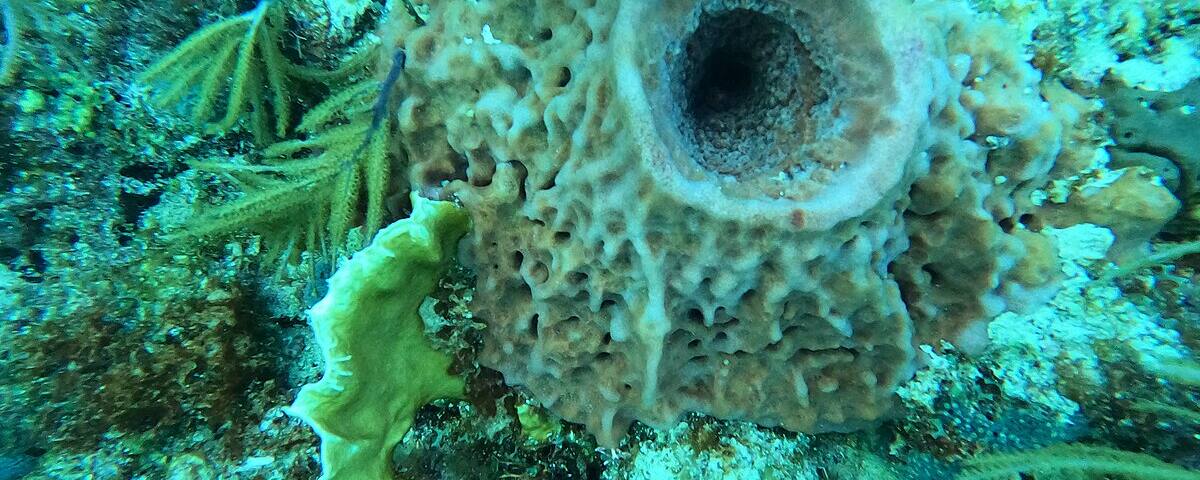
The marine sanctuary designation means fishing pressure is lower here than at the more accessible Anilao sites, and the difference in reef health is noticeable. Coral cover is dense in the productive depth band between 8 and 18 metres. Basket corals grow to impressive sizes, soft sponges carpet the rocky substrate, and barrel sponges anchor at multiple depths across the slope.
The trade-off for the better reef condition is the journey. At 60 to 90 minutes by banca from the main Anilao resorts, Bonito Island is one of the furthest sites in the regular rotation. This filters out casual day-trippers and keeps diver numbers lower than the popular close-in sites. Operators with faster boats can cut the transit time, but most of the traditional bancas used in the Anilao area are not built for speed. Plan for the crossing and bring something warm for the ride back.
Marine Life at Bonito Island
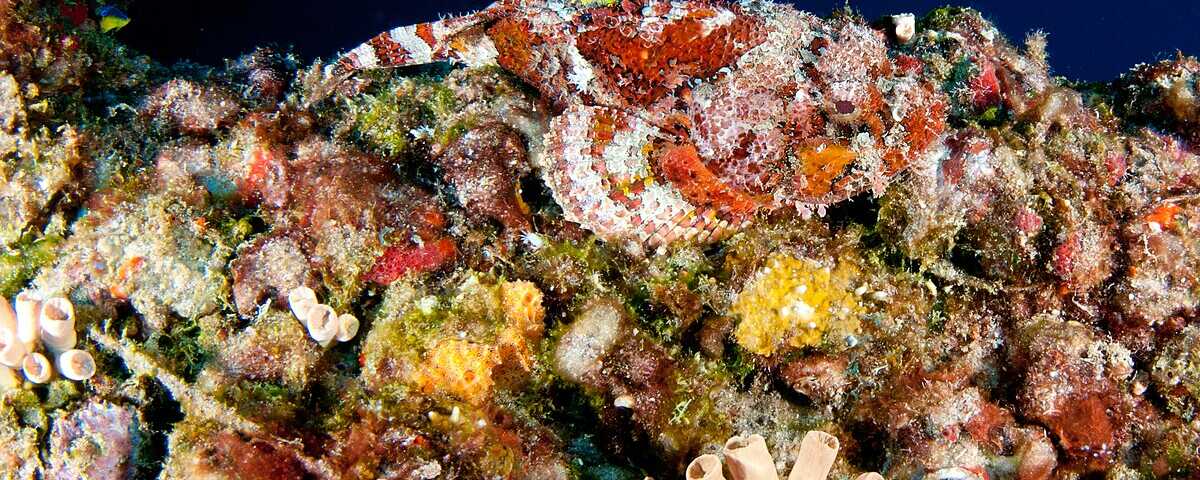
The sandy slopes between the coral heads are where Bonito's diversity concentrates. Stingrays rest on the open sand, sometimes partially buried and visible only as a faint outline with two eyes. Sea cucumbers and long-spined sea urchins populate the rubble zones, and moray eels occupy crevices in the coral heads with just their faces showing, jaws working in that slightly menacing way that is actually just breathing.
The coral heads themselves are busy. Anthias swarm in orange and pink clouds above the hard corals, feeding on plankton in the current. Parrotfish of several species graze the reef surface, and the crunching sound they make as they bite coral is audible from metres away. Groupers sit motionless under overhangs, and trumpetfish hang vertically among gorgonians, trying to look like branches. They are not very convincing, but it seems to work on the fish they hunt.
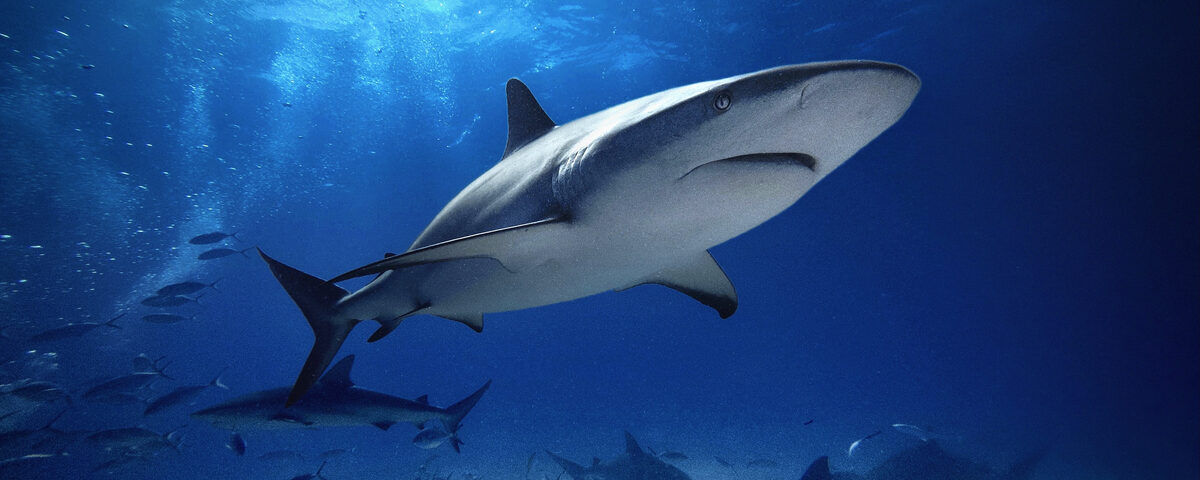
Blacktip reef sharks patrol the deeper edges of the sanctuary, particularly on the current-exposed faces. Sightings are not guaranteed, but they are frequent enough that guides expect them and will route dives to maximise the chance. The sharks are not large, typically under 1.5 metres, and they keep their distance. If you want the encounter, stay still and let them come to you on their patrol circuit.
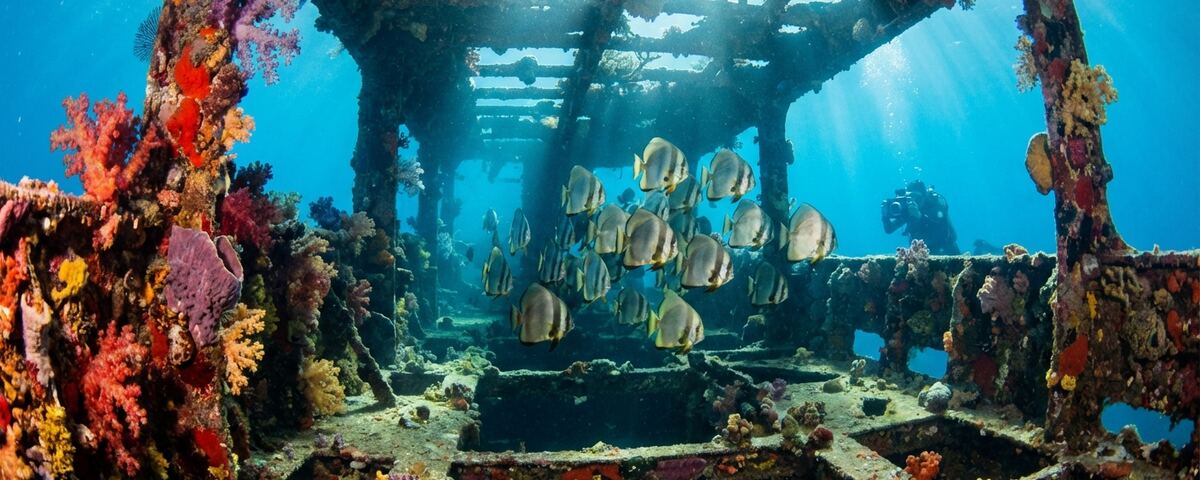
When current runs through the site, the pelagic action picks up considerably. Schools of jacks form into tight, swirling formations. Fusiliers stream past in shifting blue and silver ribbons, and snappers gather in the lee of larger coral structures. Batfish cruise through at mid-depth, their flat bodies turning sideways to the current. Cornetfish, those elongated oddities that look like someone stretched a normal fish, drift along the reef edge hunting small prey.
The barrel sponges are a photographic highlight. Some are large enough to hide a diver inside (though please do not try this; barrel sponges are slow-growing animals, not furniture). Crinoids perch on the sponges and gorgonians in reds, yellows, and blacks, their feathery arms extended into the current to filter-feed. Pufferfish, both porcupine and map varieties, trundle along the reef at their own pace, largely unbothered by anything around them.
Nudibranchs are present in the usual Anilao variety, though this is not primarily a macro site. Chromodoris species are common on the coral surfaces, and patient searching of the rocky substrate produces the occasional pleasant surprise. The real draw here is the reef fish density and the pelagic visitors, not the tiny critters.
Dive Conditions
Bonito Island's reef slopes from around 6 metres at the shallowest coral heads to 24 metres on the deeper sand. Average depth on most dives sits between 12 and 18 metres, which gives comfortable bottom times without pushing recreational limits. The topography is not a uniform slope; it is broken by boulders and coral heads that create a varied underwater landscape with overhangs, channels, and open sandy stretches between the reef structures.
Current is the factor that determines whether Bonito is a relaxed drift or a workout. Sources consistently describe conditions as potentially strong, and that matches the site's position in open water east of Maricaban Island. The Verde Island Passage funnels water through this area, and tidal changes can shift conditions quickly during a dive. On slack tide, the site is manageable for confident open water divers. When the current builds, this becomes an intermediate to advanced site where maintaining position near the reef requires effort and where air consumption increases accordingly.
Visibility varies between 10 and 30 metres depending on season, recent weather, and current conditions. The dry season months from November to May generally deliver the clearer water, with the northeast monsoon (amihan) bringing less rainfall and reduced runoff from Luzon. During the wet season (habagat), particularly from July to October, visibility can drop into single digits after heavy rainfall. Current-driven upwellings occasionally bring cooler, plankton-rich water through the site, which reduces visibility but attracts the pelagic life.
Water temperature ranges from 25 to 30 degrees Celsius. The cooler end occurs during the amihan months when northeast winds push cooler surface water into the area. Most divers find a 3mm wetsuit sufficient from March to November, with a 5mm or hooded vest worthwhile during the cooler months from December to February.
Entry is always by banca. There is no shore access. The crossing from the Anilao resorts takes 60 to 90 minutes and crosses open water that can be rough during the monsoon seasons. Operators will assess conditions before committing to the journey, and cancellations are not uncommon during the habagat season. The boat ride itself is part of the experience; Maricaban Island and the surrounding seascape are worth watching from the surface.
⚓ Divemaster Notes
Bonito Island is the trip I plan when a group has done three days of muck diving in close to shore and needs a change of scenery. The reef structure here is genuinely different from the sandy slopes and rubble that define most Anilao dive sites, and the reaction from divers seeing healthy coral gardens after days of black sand is worth the 90 minutes on the banca.
Current assessment before dropping divers is not optional at this site. I have seen conditions go from manageable to challenging within the space of a single dive. Brief the group properly: stay together, signal if you are working hard against current, and be prepared to abort and ascend if conditions exceed comfort levels. Carry a surface marker buoy and deploy during the safety stop, not after surfacing. Current on the surface can move you away from the banca faster than you would expect.
The shark encounters work best when the group stays low on the reef and waits. Swimming after blacktips is pointless and counterproductive. Find a sandy patch near the reef edge at 18 to 22 metres, settle in with good buoyancy control, and let the patrol circuit bring them to you. Some groups get lucky within five minutes. Others wait the entire dive without a sighting. That is wildlife.
For photographers, the barrel sponges with crinoids make excellent wide-angle subjects, particularly when backlit with natural light from above. The coral heads are well-spaced, which gives room for positioning and avoids the cramped compositions you get on tighter reef structures. Bring a wide-angle setup for this site rather than macro. The fisheye with a diver silhouette behind a large barrel sponge is the classic Bonito shot.
Pair this dive with Malajibomanoc if conditions permit. The hot springs at 20 metres on the neighbouring island are a novelty worth experiencing, and the marine life there is equally good. Two dives on the outer islands plus a closer third dive back near the resorts makes for a solid day.
How to Get to Bonito Island
Bonito Island is accessed from the Anilao dive resort area in Batangas province, southern Luzon. International visitors arrive at Manila's Ninoy Aquino International Airport, then face a road transfer of roughly 2.5 to 3 hours south to the Anilao peninsula. The SLEX and STAR Tollway have improved travel times, but Manila traffic remains the wild card. Leaving the city before 6am or after 9pm can save an hour compared to hitting the morning or evening rush.
From the Anilao resort strip, the banca ride to Bonito Island takes 60 to 90 minutes, heading south across the Maricaban Strait and around the eastern coast of Maricaban Island. The distance means operators typically schedule Bonito as part of a dedicated trip rather than combining it with the closer Anilao sites. Some operators pair it with Malajibomanoc or other outer island sites to make the long boat ride worthwhile.
Tingloy, the municipality that administers Bonito Island, is the small town on Maricaban Island itself. There are basic homestays and a few small dive operations based in Tingloy, which eliminates the long crossing from Anilao. This is a viable option for divers who want multiple days on the outer islands without the daily commute. Facilities in Tingloy are basic but functional.
Accommodation on the Anilao side ranges from budget guesthouses around PHP 1,000 to 2,000 per night to mid-range dive resorts at PHP 3,000 to 8,000. Weekend bookings during the dry season fill up quickly, particularly around Philippine public holidays. The resort density is concentrated along the Mabini coast, with boat access to Bonito Island available from most operators in the area.
For those coming from Batangas City ferry terminal (a common transit point for travellers heading to or from Mindoro, Puerto Galera, or the Visayas), the drive to the Anilao resorts takes about 45 minutes.
Gear Recommendations
A 3mm wetsuit covers most of the year, with a 5mm or hooded vest recommended during the cooler amihan months from December to February when water temperatures can drop to 25 degrees. Wide-angle lens for the coral gardens, barrel sponges, and fish schools; macro is secondary at this site. Torch for peering into crevices and under overhangs where morays and groupers rest. Surface marker buoy is essential given the current conditions and open water location; deploy during the safety stop. Reef hook is not appropriate here; the site is a marine sanctuary and the coral structures should not be used as anchor points. Bring a windbreaker or rash guard for the banca ride; the 60 to 90 minute crossing can be chilly in the early morning, even in the tropics.
Recommended Dive Operators
Planet Dive Anilao runs regular trips to Bonito Island with guides who know the site's current patterns and can position divers for the best shark encounters. Crystal Blue Resort offers professionally organised expeditions to the outer islands, including Bonito, with experienced divemasters who specialise in the Anilao region. Buceo Anilao Dive Resort, one of the longest-established operations in the area, includes Bonito in their site rotation when conditions allow and provides knowledgeable guides who can work both macro and wide-angle subjects. Aiyanar Beach and Dive Resort schedules outer island trips including Bonito for groups who book in advance, and their faster boats can reduce transit time. Eagle Point Dive Resort offers access to Bonito as part of their comprehensive Anilao dive programmes.
Liveaboard Options
Anilao is a shore-based dive destination. No liveaboard operations serve this area. All diving is conducted by banca from resort-based operators, with two to three dives per day as the standard format. The outer island sites like Bonito require dedicated trip planning due to the longer transit times.