Bahura Dive Site
Anilao (Batangas), Philippines · Near Anilao
Overview
Bahura sits on the Maricaban Island side of the Anilao diving area, roughly 15 minutes by bangka from most resort jetties along the Batangas coast. The name itself is Filipino for "reef," and the site lives up to that straightforward label with some of the healthiest hard coral coverage in the region. What separates Bahura from Anilao's other reef dives is the corner, a pronounced point where two reef faces meet and currents converge to create conditions that attract pelagic visitors you won't find on the calmer macro sites nearby.
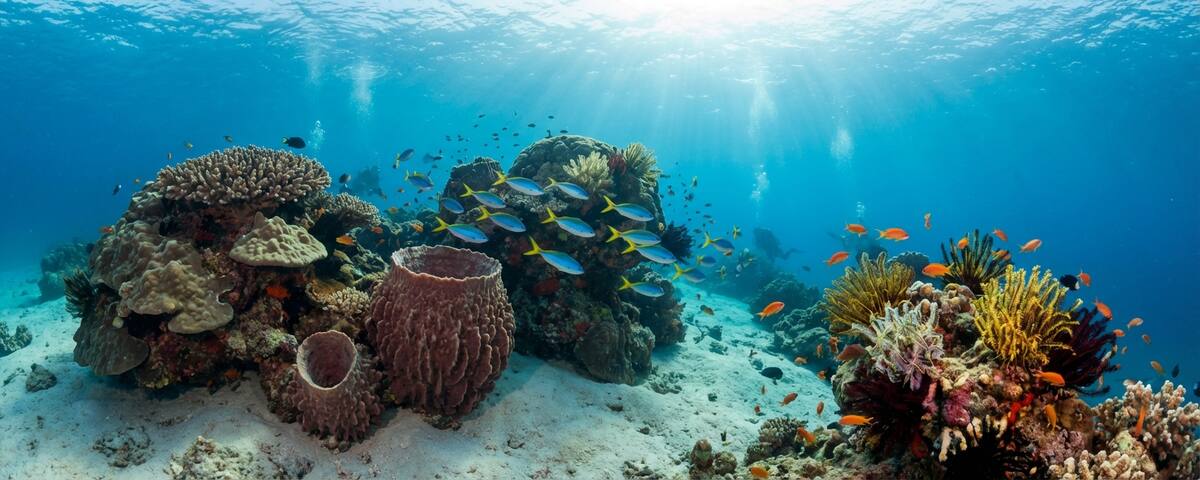
The reef begins in shallows of about five metres and slopes gradually to around 30 metres on the deeper sections. The topography shifts meaningfully as you move around the site. The sheltered side offers gentle slopes carpeted in hard corals, with pockets of soft coral and sponge growth in the crevices. Round the corner, the character changes. Current picks up, the slope steepens, and the reef becomes a different dive altogether. A small hole in the wall at roughly 15 metres adds a swim-through element that breaks up the profile nicely.
Bahura Kanto (the corner section) is where the site earns its reputation among experienced divers. Current here can range from manageable to genuinely challenging, arriving from multiple directions depending on tide and weather. When the current runs hard, the corner concentrates nutrients and attracts schools of fish in densities that the sheltered side simply doesn't produce. When it's slack, the same area makes for a pleasant reef cruise with good visibility.
This variability is what makes Bahura interesting to return to. The same site dives differently on consecutive days. Tuesday might deliver a gentle drift along the sheltered slope with excellent macro hunting in the crevices. Wednesday might bring ripping current at the corner with barracuda, trevally, and the occasional reef shark patrolling the blue. Guides who know Bahura well read the conditions before committing to a dive plan, and the best ones will adjust the route based on what the water is doing that morning.
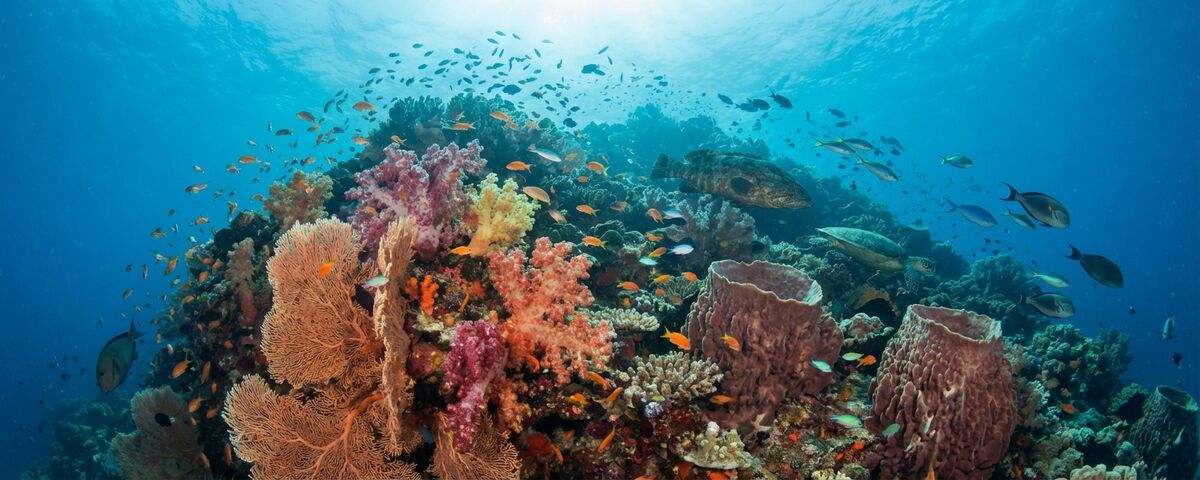
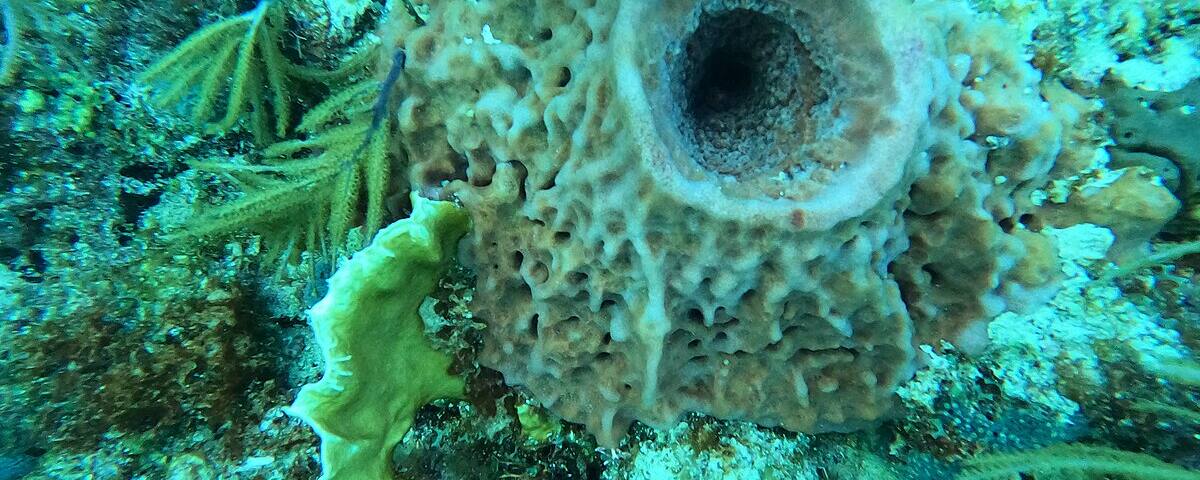
The coral health here deserves specific mention. While some Anilao sites have suffered from typhoon damage and diver impact over the years, Bahura's position on the Maricaban Island side gives it some protection from the worst weather, and the current flow keeps nutrients cycling through the reef system. Dense thickets of staghorn coral cover the upper slopes, with massive brain corals and table corals establishing themselves on the flatter sections. The biodiversity of the coral itself supports everything else: the fish, the invertebrates, the macro life that Anilao is famous for.
Most dive operations treat Bahura as a second or third dive site in their rotation, often pairing it with nearby locations like Sombrero Island or the Beatrice Rock area. It's close enough to other sites that you can plan efficient multi-site days without spending half your surface interval in transit. The site handles multiple groups simultaneously without feeling crowded, partly because the two distinct faces of the reef naturally separate diving groups by experience level.
Marine Life at Bahura
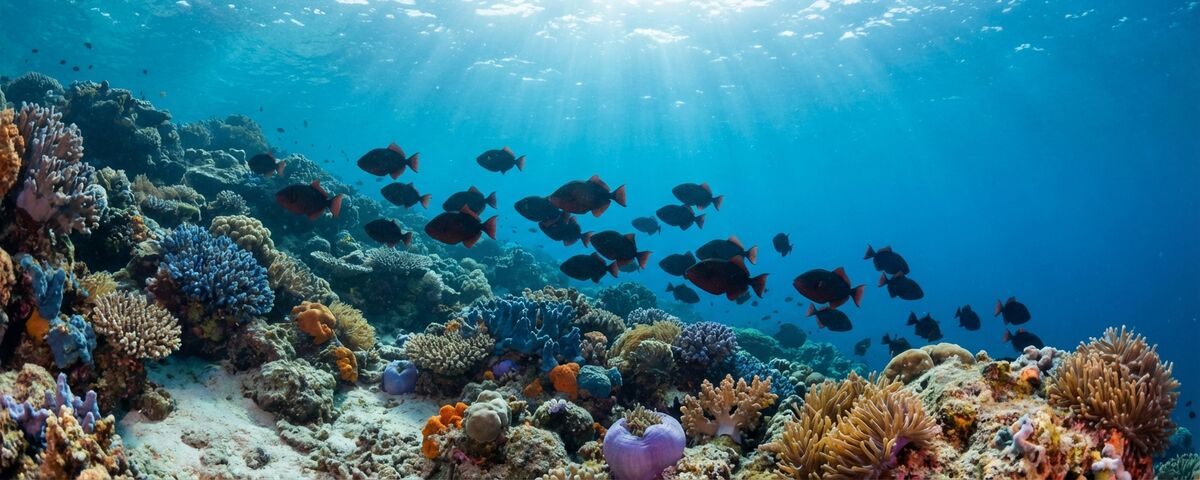
The corner section is where Bahura's pelagic action concentrates. Schooling red-tooth triggerfish gather in impressive numbers along the current-swept face, their blue-black bodies and distinctive red teeth creating one of the more visually striking aggregations in the Anilao area. They're not shy, and on a good current day they'll be so thick they partially block the view of the reef behind them.
Barracuda pass through the corner with reasonable frequency, typically in small schools of five to fifteen individuals. They tend to hold station in the current, facing into the flow with that characteristic stillness that makes barracuda simultaneously elegant and slightly unsettling. Great barracuda (the solitary hunters) also appear here, usually larger specimens that patrol the deeper sections of the corner.
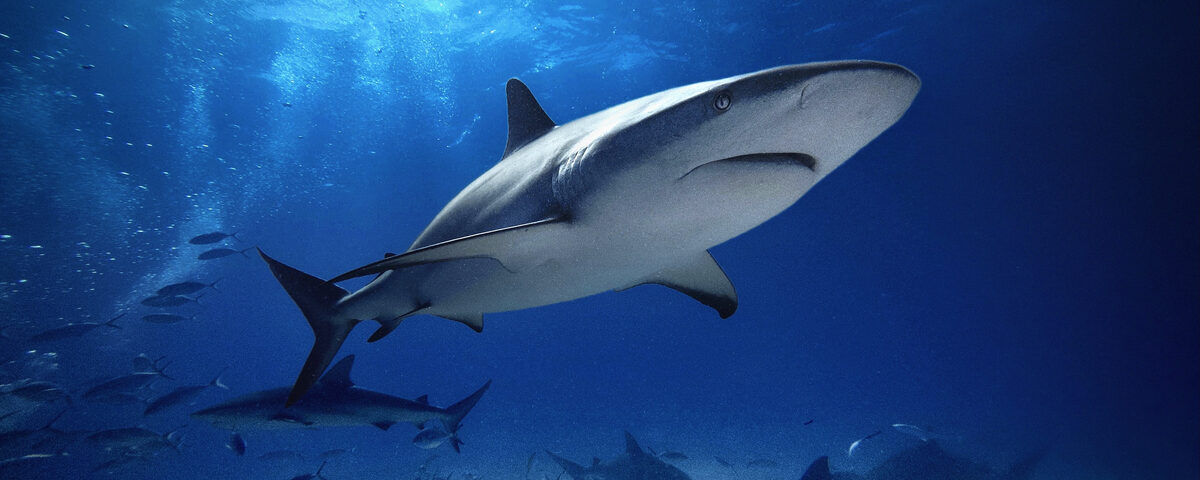
Reef sharks make occasional appearances, particularly whitetip reef sharks resting on sandy patches at the base of the slope or cruising the corner during current events. These sightings aren't guaranteed (this isn't Tubbataha), but they happen often enough that guides mention the possibility during briefings. Green sea turtles visit the reef to feed on algae growth, and hawksbill turtles show up less frequently but are recorded at the site.
The sheltered side delivers a completely different experience. Moray eels occupy holes throughout the hard coral structure, with giant morays and snowflake morays both present. Groupers hold territory in the overhangs, some large enough to suggest they've been resident for years. Angelfish and butterflyfish species are numerous, with emperor angelfish, regal angelfish, and various butterflyfish species adding colour to the reef face.
Anilao's macro reputation extends to Bahura. Nudibranchs populate the coral surfaces and rubble patches, with Chromodoris, Glossodoris, and Phyllidiidae species all recorded. Frogfish turn up on the quieter sections of the reef, their camouflage making them invisible to anyone not specifically searching. Octopus occupy crevices in the reef structure, and observant divers can spot mantis shrimp in their burrows and various commensal shrimps living on anemones and sea cucumbers.
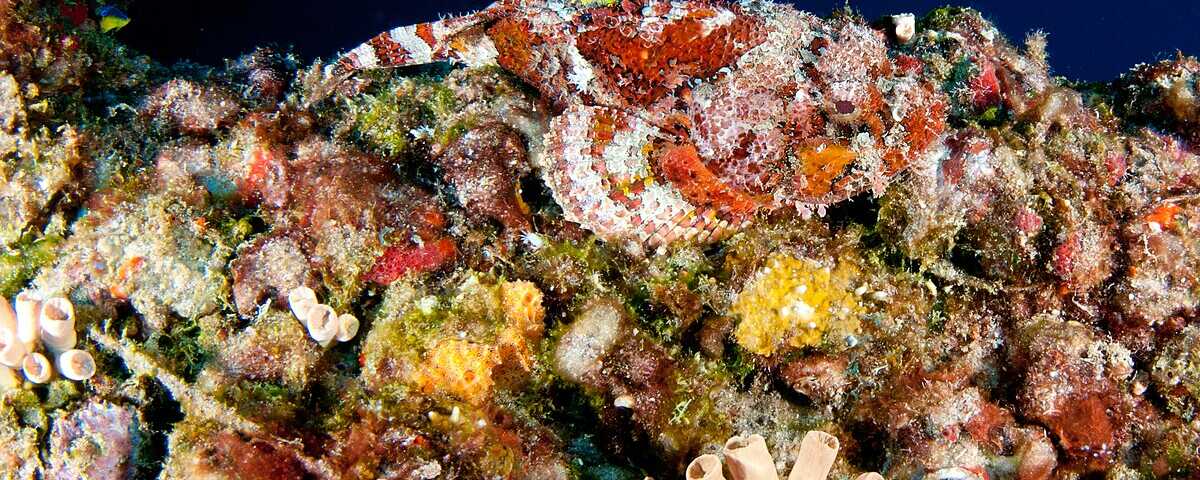
Lionfish patrol the overhangs on both sides of the reef, their ornate pectoral fins fanned out as they drift along the reef edge hunting. Scorpionfish sit motionless on the coral surfaces, their camouflage so effective that guides often need to point them out twice before divers can see them. The combination of wide-angle pelagic encounters at the corner and macro opportunities on the sheltered side gives Bahura a versatility that most single sites in the area can't match.
Dive Conditions
Current is the defining factor at Bahura and the reason the site divides into two distinct experiences. The sheltered side typically sees mild to negligible current, making it comfortable for divers of most experience levels. The corner (Bahura Kanto) is a different proposition entirely. Current here can arrive from multiple directions and ranges from moderate to genuinely strong. Guides with local knowledge assess conditions before each dive and adjust the plan accordingly. If the current is pumping, they'll keep less experienced groups on the sheltered side.
Visibility ranges from 10 to 25 metres and correlates roughly with current strength. Strong current days tend to bring cleaner water with better visibility, while slack conditions can see reduced clarity from suspended particles. The best visibility windows typically coincide with incoming tides and stronger current flow.
Water temperature sits between 25 and 30 degrees Celsius through the year, with the cooler end more common during the northeast monsoon months (December through February). A 3mm wetsuit handles most conditions comfortably. Some divers prefer 5mm during the cooler months, particularly for longer or deeper dives.
The dry season from November through May offers the most reliable conditions: calmer seas, better visibility, and more consistent currents. The southwest monsoon (June through October) brings rougher surface conditions and can make the boat ride to the site less comfortable, though diving continues year-round. Typhoon season (roughly July through November) occasionally disrupts operations, but Bahura's position in the Verde Island Passage means it's somewhat sheltered compared to sites on the Pacific coast.
Depth ranges from five metres on the shallow reef crest to approximately 30 metres at the deepest sections of the slope. Most of the interesting reef structure and marine life concentrates between 8 and 22 metres, which keeps the dive well within recreational limits and allows for comfortable bottom times of 45 to 60 minutes depending on air consumption.
Surface conditions are generally manageable, with the boat ride from Anilao resorts taking roughly 15 minutes on calm days. Bangka boats provide a stable platform, and entry is typically a giant stride from the outrigger.
⚓ Divemaster Notes
Bahura requires more briefing than most Anilao sites because the corner changes the dive's character so dramatically. I always check current conditions before committing to a dive plan, and I'm honest with my groups about what level of current management the corner demands that day. If it's ripping, I take only experienced divers around the point and keep newer divers on the sheltered slope. There's no shame in the sheltered side; the coral is genuinely beautiful and the macro life is excellent.
The current at the corner can shift direction during a single dive. I've had dives where we started with a comfortable drift along the wall and then hit a reversal that required the group to tuck in behind the reef structure and wait it out. I brief this possibility before every corner dive and establish hand signals for "hold position" and "move to shelter" so there's no confusion underwater.
For the sheltered side, I run a slow, methodical dive along the reef slope, working the crevices and overhangs for macro life. The staghorn coral thickets in the 8 to 12 metre range are particularly productive for nudibranchs and small critters. I carry a pointer stick (never touching coral with it) and use it to direct attention to well-camouflaged subjects like frogfish and scorpionfish that divers would swim straight past.
The hole in the wall at 15 metres on the corner side is a nice feature but not a true swim-through in the technical sense. It's wide enough for a single diver with gear, and the exit is visible from the entrance. I let comfortable divers pass through it but don't push the point with anyone who hesitates. It adds a moment of interest to the dive without introducing genuine risk.
I like pairing Bahura with a shallower, calmer site for a two-dive morning. If I've taken a group around the corner in current, they've often used more air and accumulated more nitrogen than they would on a typical reef dive. Following up with something gentle like the house reef or a shallow macro site at 12 to 15 metres makes good physiological sense and gives their nerves a break too.
One thing worth noting: the coral at Bahura is in genuinely good condition, and I make a point of briefing buoyancy standards more firmly here than at some other sites. The staghorn thickets are dense and fragile, and a single careless fin kick can destroy growth that took years to develop. I position myself behind and below the group where I can intervene quickly if someone's buoyancy goes wrong.
How to Get to Bahura
Bahura is accessed from the Anilao dive resort strip in Mabini, Batangas province, roughly 130 kilometres south of Manila. The drive from Manila takes two and a half to three hours depending on traffic, with the route following the South Luzon Expressway (SLEX) to the STAR Tollway, then local roads through Batangas City to Mabini.
From Ninoy Aquino International Airport (NAIA), the most comfortable option is a private transfer arranged through your resort. Most Anilao dive resorts offer airport pickup for 3,500 to 5,000 PHP (roughly 60 to 90 USD). The alternative is a bus from Manila to Batangas City Grand Terminal (around 170 PHP), then a jeepney or tricycle to Anilao proper. This public transport route works but adds complexity and time, particularly with dive gear.
Once at your resort in Anilao, reaching Bahura requires a bangka (outrigger boat) ride of approximately 15 minutes. All dive operations in the area provide boat service as part of their dive packages. The site sits on the Maricaban Island side of the channel, making it one of the closer offshore sites from the Anilao resort strip.
For international visitors, Manila serves as the gateway hub with direct flights from most major Asian and several European and North American cities. Philippine visa policy grants many nationalities 30-day visa-free entry, extendable to 59 days at immigration offices.
Anilao itself is a working fishing town with a dive resort overlay, not a resort town with fishing boats. Accommodation ranges from budget guesthouses at 1,500 PHP per night to premium dive resorts at 8,000 to 15,000 PHP per night. Most visitors book dive-and-stay packages that include accommodation, meals, boat dives, and guide service.
Gear Recommendations
A 3mm wetsuit handles most conditions at Bahura; 5mm if you feel the cold, particularly during the cooler months from December through February. Standard recreational scuba setup with no specialist equipment required. For the corner section, a reef hook can be useful on strong current days, allowing you to clip in and watch the pelagic action without fighting the flow. Surface marker buoy (SMB) is strongly recommended, as current drifts at the corner can carry divers away from the planned exit point.
For photography, the dual nature of the site creates a gear dilemma. Wide-angle lenses capture the schooling triggerfish and pelagic encounters at the corner, while macro lenses (60mm or 100mm equivalent) serve the critter hunting on the sheltered side. If you can only bring one setup, a mid-range zoom or a fisheye gives the most versatility. Compact cameras with good macro modes work well for the sheltered side's critter opportunities. A torch helps illuminate crevices and overhangs where macro subjects hide.
Gloves are generally not permitted at marine protected sites in the Philippines to discourage touching coral. Check with your operator for current regulations.
Recommended Dive Operators
Crystal Blue Resort is one of Anilao's standout operations, with experienced guides who know Bahura's corner intimately and adjust dive plans based on real-time current conditions. Their small-group policy works well at current-swept sites where guide attention matters. Aiyanar Beach and Dive Resort offers solid boat service and comfortable surface intervals, with guides who can cover both the pelagic corner and the macro-rich sheltered side depending on group preferences. Buceo Anilao runs well-organised operations with reliable equipment and local guides who grew up diving these reefs. Their critter-focused packages pair Bahura well with nearby macro sites. Planet Dive Anilao provides experienced guide service and photographer-friendly boat operations, useful for the wide-angle opportunities at the corner section.
Liveaboard Options
Anilao is a shore-based diving destination. All diving at Bahura operates from resort-based day boats (bangkas). No liveaboard operators serve this site directly. Visitors stay at one of the many coastal resorts in Anilao and access the site as part of their daily dive schedule. Some Manila-based liveaboard operators include Anilao as a stop on broader Batangas itineraries, but this is uncommon and not the standard way to dive the area.