Dive 7000 Dive Site
Anilao (Batangas), Philippines · Near Mabini, Batangas
Overview
Dive 7000 is one of the oldest dive sites in the Philippines, and calling it that feels slightly odd because it started life as a resort rather than a reef with a name. Dr. Tim Sevilla founded the place in 1978, making it one of the original dive operations in Anilao, long before the region became the macro photography capital it is today. The name comes from the Philippines' 7,000 islands, and the resort's house reef has since become a dive site in its own right, attracting both scuba divers and freedivers from Manila and beyond.
The house reef at Dive 7000 sits on the western side of Anilao's coastline, facing Balayan Bay. This positioning gives it something rare along this stretch: shelter. When the wind picks up and other sites get messy, Dive 7000 stays calm. The bay acts as a natural buffer, keeping surface conditions manageable even when weather would close more exposed locations further along the peninsula.
What makes this site unusual is the hybrid nature of the diving. The reef supports both traditional scuba exploration and freediving training, with purpose-placed underwater landmarks at specific depths that double as navigation markers for freedivers and points of interest for scuba divers. A Buddha statue sits at 8 metres, a castle structure at 16 metres, a jetski at 20 metres, a cathedral cross also at 20 metres, and a helicopter at 24 metres. These are not gimmicks. They concentrate marine life by providing hard substrate in an otherwise sandy area, and they give new divers concrete goals and reference points.
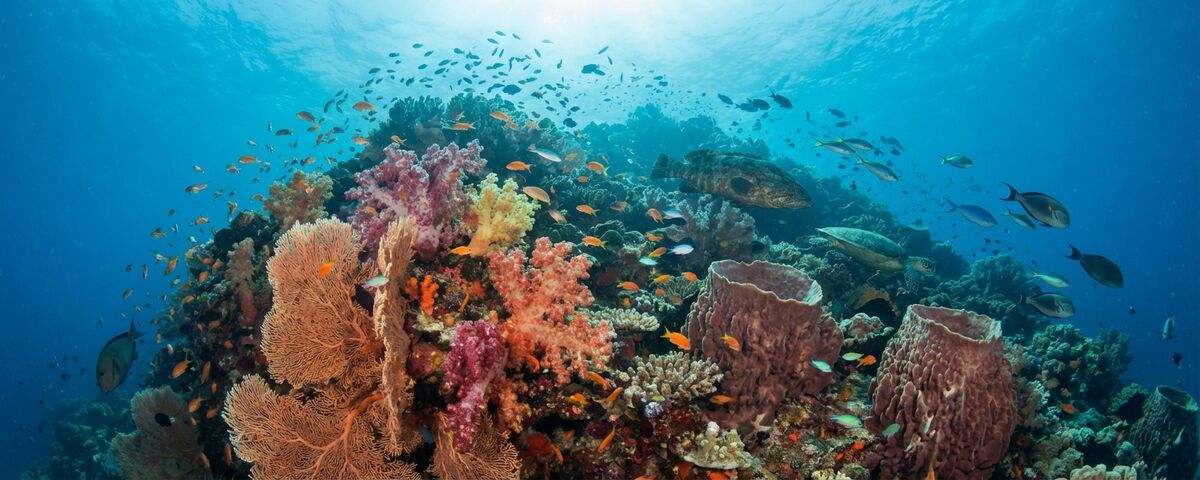
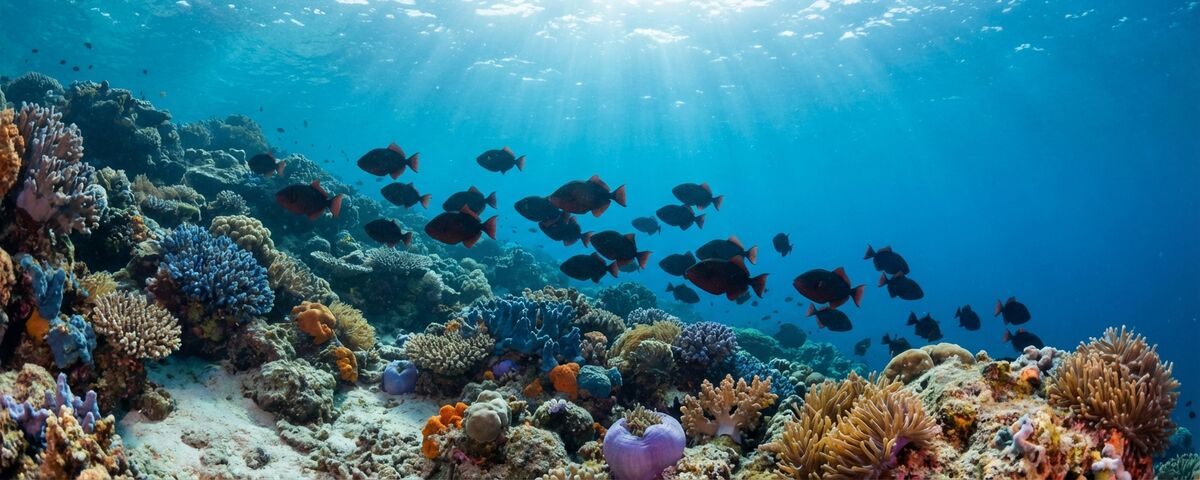
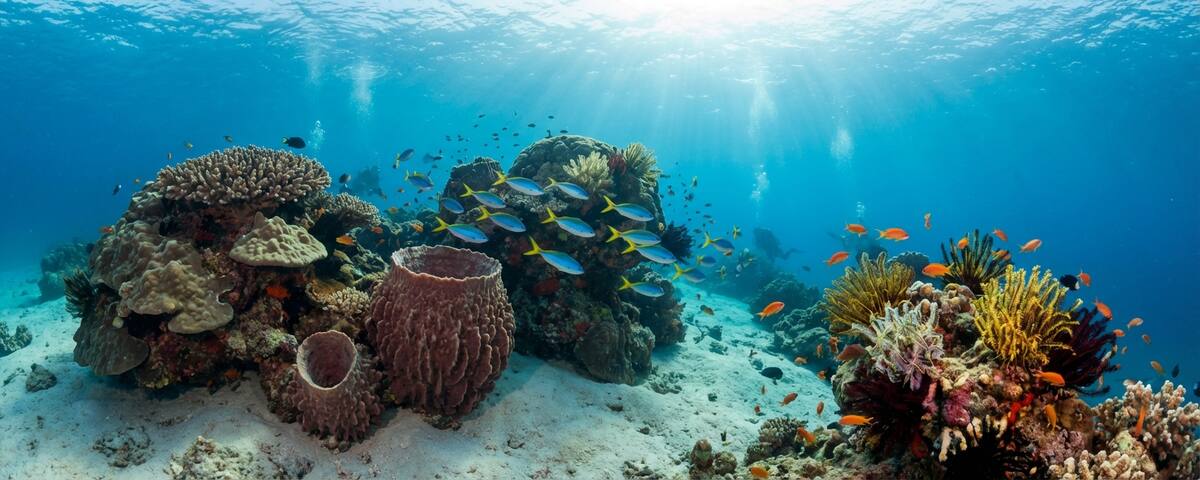
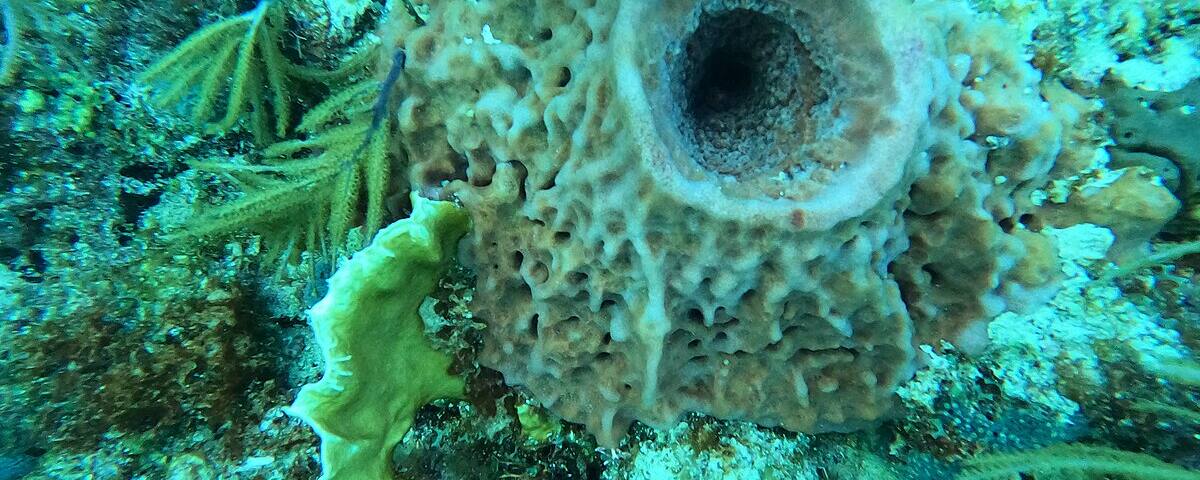
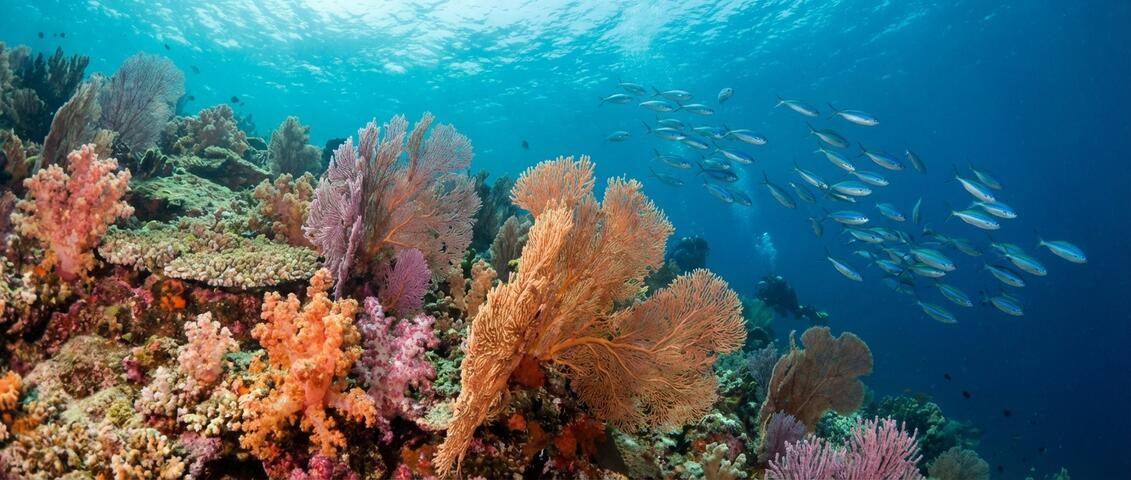
The reef itself is a gentle slope that runs from the shallows down to about 24 metres where sand takes over. Coral cover is good by Anilao standards, with soft corals, sponges, and small hard coral formations providing habitat across the gradient. The shallow sections are particularly healthy, benefiting from the resort's long history of reef management and the simple fact that Dr. Sevilla spent decades ensuring his house reef stayed productive.
Anilao sits in the Verde Island Passage, a body of water between Luzon and Mindoro that marine biologists have identified as the centre of the centre of marine shore fish diversity. That is not marketing language. The Passage contains more species per unit area than anywhere else on earth that has been surveyed. Dive 7000's house reef participates in this biodiversity, and while it is not Anilao's most dramatic dive, it delivers consistent encounters with the macro critters that put this region on the map.
Marine Life at Dive 7000
Resident green sea turtles are the headline act here, and they are genuinely resident rather than occasional visitors. The turtles have established themselves on the house reef because the site is protected, the seagrass patches provide food, and the moderate depth gives them resting spots out of the current. Seeing one on any given dive is likely rather than lucky.
Nudibranchs are present in the quantities you would expect from an Anilao site. Chromodoris species stand out on coral surfaces in vivid patterns of blue, orange, and white. Phyllidia are common on sponges, and the sandy patches between coral heads produce Glossodoris and the occasional Nembrotha for those willing to look slowly. Anilao is home to more than 600 identified nudibranch species, and the house reef at Dive 7000 contributes a solid tally on any given dive.
Frogfish sit in their usual spots, camouflaged against sponges or coral rubble, and the local guides know where each one is living this week. Giant frogfish are the most common, but painted frogfish turn up periodically. Ghost pipefish hang vertically in sea fans and crinoids, and you will walk past most of them unless someone points them out.
Schools of jacks patrol the deeper sections, particularly around the purpose-placed structures at 20 metres and below. The structures act as aggregation points, and the jacks use them the same way they would use a natural pinnacle or cleaning station. Smaller schooling fish, fusiliers and anthias, fill the water column above the reef slope.
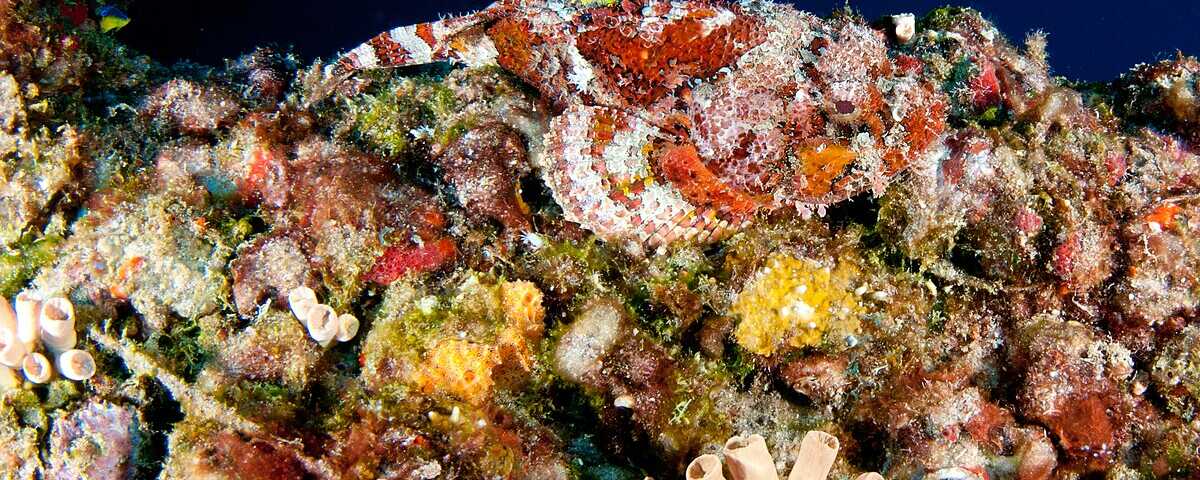
Blue-spotted stingrays rest on sand patches between coral heads. Lionfish hover under overhangs with their fins spread. Scorpionfish sit motionless on rubble, trusting their camouflage completely. Seahorses cling to bits of soft coral and rope, and finding one is a matter of patience and magnification.
The resort's manta ray logo exists for a reason: mantas have been spotted from the surface here, and eagle rays occasionally cruise past at depth. These sightings are seasonal and unpredictable rather than reliable, but they add a wildcard element to what is otherwise a macro-focused dive. Dolphins have been seen in the bay, and whale shark encounters, while rare, are not unheard of during the plankton-rich months.
Dive Conditions
The defining characteristic of Dive 7000 is how calm it stays. The site faces west into Balayan Bay, and the surrounding coastline provides shelter from the prevailing winds during both monsoon seasons. When operators cancel boat dives to exposed sites along the eastern Anilao coast, Dive 7000 often remains diveable. This is part of why the freediving community adopted it: training requires controlled surface conditions, and this site delivers them more consistently than most.
Current is minimal. On slack tide, the water barely moves. When the tide runs, a gentle drift develops that is noticeable but never challenging. There is no need for negative entries, no drift planning required, and no risk of being swept off the reef. This makes the site genuinely suitable for recently certified divers and for training dives.
Visibility ranges from 8 to 20 metres depending on season, tidal state, and rainfall. The dry season months from November through May produce the clearest water, with the northeast monsoon (amihan) reducing runoff from the hillsides. During the wet season (habagat), particularly July through October, heavy rain pushes sediment into coastal waters and visibility drops. Plankton blooms reduce clarity periodically but feed the filter-feeding invertebrates that keep the reef ecosystem ticking.
Water temperature runs between 25 and 30 degrees Celsius through the year. The cooler end arrives with the amihan from December through February, when a 5mm wetsuit or a 3mm with a hooded vest is worthwhile for longer dives. From March onwards, a 3mm is comfortable and some divers manage in rash guards during the warmest months.
The bottom is a mix of sand, rubble, and coral on a moderate slope. Most useful diving happens between 5 and 20 metres, with the artificial structures providing depth markers at 8, 16, 20, and 24 metres. Entry is from the shore or by short boat ride from the resort's beachfront, making this one of the most accessible sites in Anilao.
⚓ Divemaster Notes
The underwater landmarks are both the site's main attraction and its best navigation tool. Start at the shore entry, follow the slope down, and you will hit the Buddha at 8 metres. From there, the castle at 16 metres is directly downslope. Continue to the jetski and cathedral cross at 20 metres, and the helicopter sits at 24 metres as the deepest landmark. Reverse the route for your ascent and you will always know your depth and approximate position.
For macro photography, the shallow sections between 5 and 12 metres are the most productive. This is where coral cover is densest and where most of the nudibranchs, frogfish, and smaller critters concentrate. Spend your bottom time here rather than rushing to the deeper structures if you are after critter shots.
The site works well as a first dive for new certifications. The gentle slope, minimal current, and shore access make it forgiving. Instructors regularly use it for Open Water skills sessions and checkout dives. The landmarks give students clear depth awareness without needing to watch their computers constantly.
Buoyancy control matters on the sandy sections. Heavy fin kicks will reduce visibility for everyone behind you. Frog kicks and modified flutter kicks keep the silt down and your fellow divers happy.
If you are freediving, the marked buoy lines make depth training straightforward. The resident turtles are accustomed to divers and generally do not spook at a freediver's approach, which makes for memorable encounters if your equalisation is good enough to reach their resting depth.
For the best visibility, dive on an incoming tide during the dry season. Early morning dives before the boat traffic picks up also tend to offer calmer, clearer conditions.
How to Get to Dive 7000
Dive 7000 sits in Mabini, Batangas Province, on the Anilao peninsula about 140 kilometres south of Manila. By road from Manila, the drive takes roughly 2.5 to 3 hours depending on traffic. Take the South Luzon Expressway (SLEX) to the Batangas exit, then follow the Batangas-Bauan-Mabini road to Anilao.
From the Batangas Grand Terminal, jeepneys and vans run to Mabini town. From the Mabini crossing, tricycles take you the final stretch to the resort for around 200 PHP per tricycle (seats 4 to 5 people).
Manila's Ninoy Aquino International Airport (NAIA) is the arrival point for international visitors. Some dive resorts in Anilao offer private transfers from the airport or from Manila hotels, which is worth arranging if you are arriving with dive gear and do not want to wrestle luggage through public transport.
The nearest significant town is Batangas City, which has banks, hospitals, a Jollibee, and most other services you might need. Mabini itself is small but has basic shops, pharmacies, and a handful of restaurants outside the resort compounds.
Anilao is a weekend destination for Manila residents, so Friday evenings and Saturday mornings bring traffic. If you are driving yourself, leaving Manila before 6am on a weekday or after 9pm on a Friday avoids the worst of it. Coming back on a Sunday afternoon, expect delays approaching SLEX.
Gear Recommendations
A 3mm wetsuit is comfortable for most of the year. From December through February, when water temperatures dip toward 25 degrees, a 5mm or a 3mm with a hooded vest keeps longer dives comfortable. Rash guards work from April to June when temperatures peak.
Macro photographers should bring a 60mm or 100mm macro lens and a good strobe. The critters here are small and well camouflaged, and available light at depth does not do them justice. A focus light helps for finding subjects under overhangs and in crevices.
For the shore entry, reef shoes or hard-soled booties are useful. The entry point has some rocks and rubble that are uncomfortable in bare feet or soft dive boots.
Freedivers need their own nose clip, fluid goggles, and long fins. The resort has some rental gear, but serious training benefits from familiar equipment. A dive watch or freedive computer with depth logging is worthwhile given the marked depth points across the site.
A surface marker buoy is not strictly necessary here given the proximity to shore and the sheltered conditions, but it is good practice, particularly if you drift away from the resort's immediate frontage on a longer dive.
Recommended Dive Operators
Dive 7000 Resort is the primary operator at this site, and they have been running dives here since 1978. The resort offers PADI and SSI courses from Open Water through to instructor level, plus guided fun dives on the house reef and boat dives to other Anilao sites. Freediving courses and training sessions are a significant part of their business, with dedicated buoy lines and depth markers set up for that purpose.
Other Anilao operators that can arrange dives in this area include Solitude Acacia Resort, Buceo Anilao, and Crystal Blue Resort. Most Anilao dive centres operate on a similar pricing model: around 1,500 to 2,500 PHP per fun dive with gear rental, or package deals for multi-day diving.
For freediving specifically, several independent coaches and schools operate from Dive 7000 with the resort's cooperation. The site is popular enough in the Philippine freediving community that you will usually find other freedivers training on any given weekend.
Blackwater diving, which Anilao pioneered in the Philippines, is available through several operators in the area. While Dive 7000's house reef is not the primary blackwater location, operators can arrange night and blackwater dives departing from the Anilao coast.
Liveaboard Options
Anilao is not a liveaboard destination in the traditional sense. The sites are close together, shore-based resorts are plentiful, and boat rides between sites rarely exceed 30 minutes. Day diving from a resort is the standard format.
That said, liveaboards operating in the Verde Island Passage and heading south to Mindoro, Apo Reef, or the Visayas sometimes include Anilao sites on their itineraries as a first or last stop. These are typically the larger operators running multi-day trips from Batangas port.
For a dedicated Anilao trip, booking a resort-based package that includes daily boat dives to multiple sites is the most practical approach. Most resorts offer packages of 3 to 7 nights with two to four dives per day, covering a good cross-section of the region's sites including house reef dives at places like Dive 7000.