Koala Reef Dive Site
Anilao (Batangas), Philippines · Near Mabini
Overview
Koala Reef sits just south of Eagle Point along the Mabini coastline, a ten-minute banca ride from the main Anilao resort strip. It is one of those sites that rarely makes the highlight reels, which is precisely why it works so well for the divers who actually need it most. While the serious shooters and experienced current-riders head out to Sombrero Island or Kirby's Rock, Koala offers a gentler proposition: a sloping reef that descends from around 5 metres to 24 metres, broken by large boulders and scattered coral heads, with enough marine life to keep things interesting without any of the conditions that make newer divers grip their regulators.
The site falls within the Verde Island Passage, that narrow channel between Luzon and Mindoro that marine biologists Kent Carpenter and Victor Springer identified in 2005 as having the highest concentration of shore-fish species per unit area on the planet. Even a modest reef in this corridor benefits from the biodiversity pipeline that feeds the entire Batangas coast. Koala is no exception. The species counts per dive are higher than what most people expect from a site labelled as 'easy'.
What makes Koala useful in the Anilao context is its versatility. Operators use it as a first dive for guests who arrived the night before and need a confidence builder. It works as a checkout dive for open water students transitioning from pool to ocean. It serves as a relaxed second or third dive when the group has been beaten up by current at more exposed sites. And it functions perfectly well as a standalone dive for anyone who simply prefers unhurried reef exploration over the adrenaline of drift dives and deep walls.
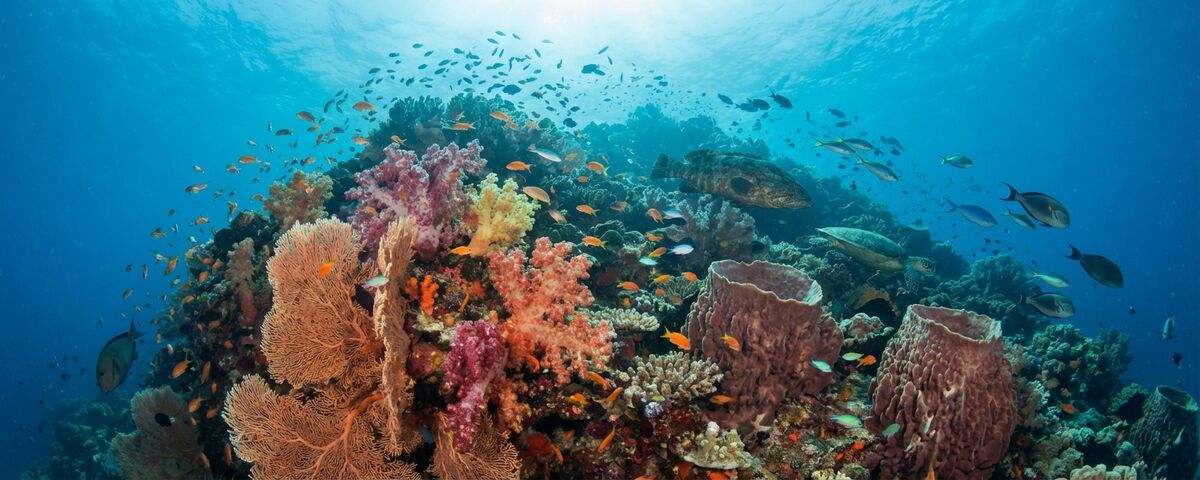
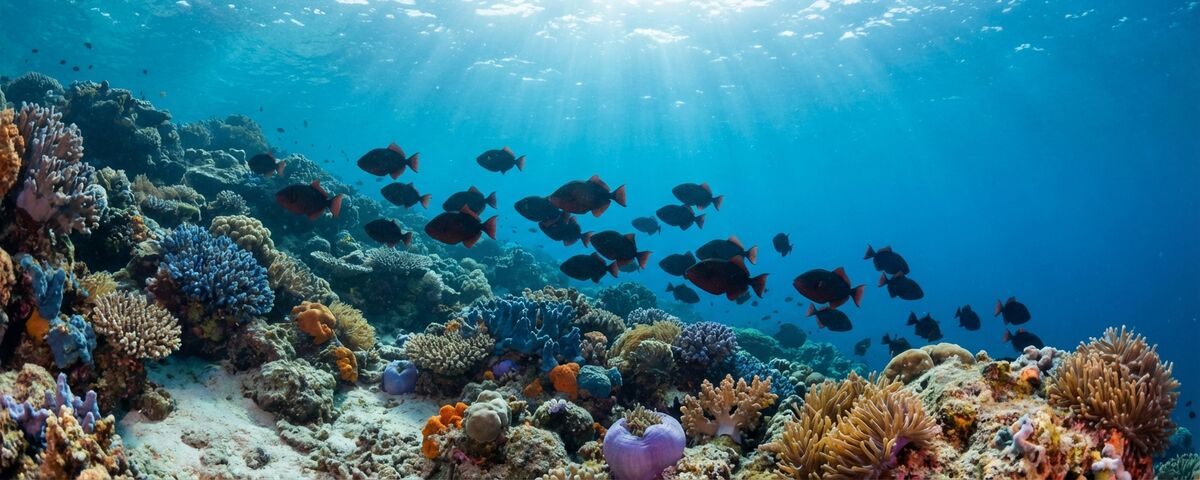
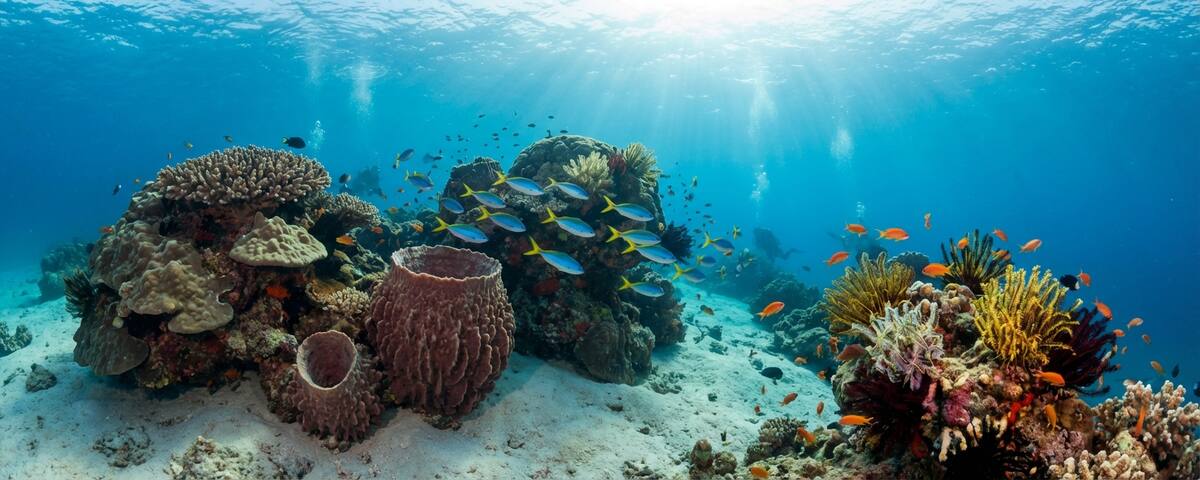
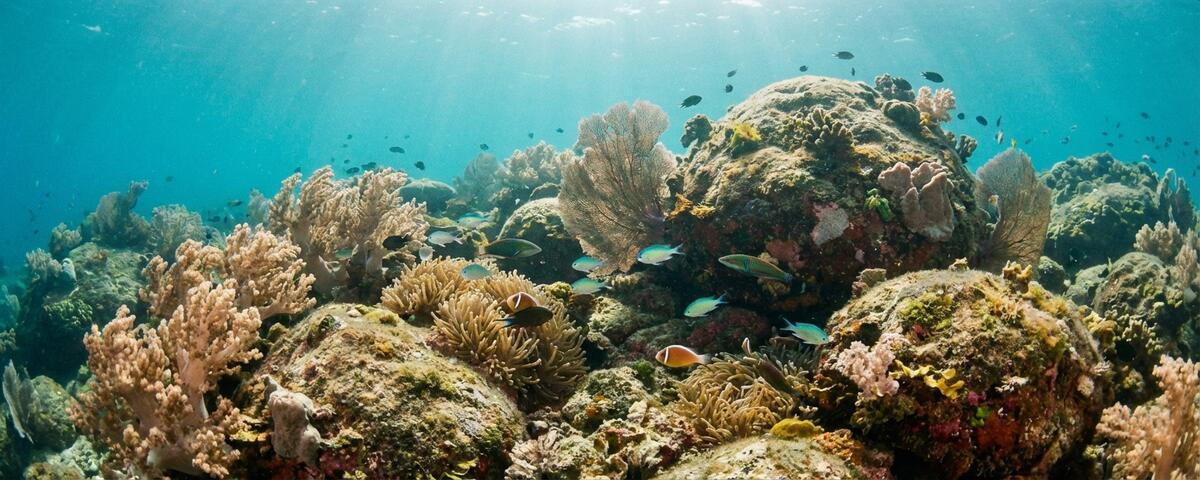
The reef structure here leans toward the classic Philippine profile: hard coral foundations with soft coral accents, interspersed with volcanic boulders that create micro-habitats for everything from moray eels to cleaning stations. The slope is gradual enough that depth control is straightforward, and the terrain changes subtly as you descend, keeping navigation intuitive even without a guide leading the way.
Anilao's proximity to Manila (roughly 2.5 hours by road) means sites like Koala see weekend traffic from the capital's dive community. Weekday mornings are quieter, and that is when the reef shows its best face. Fewer bubbles, calmer fish, better visibility. If you have flexibility in your schedule, avoid the Saturday morning rush.
Marine Life at Koala Reef
The boulders are where Koala's personality lives. These are large volcanic rocks, some the size of small cars, that sit on the sandy slope at various depths and create shelter zones that concentrate marine life. Anemones colonise the tops and sides of the boulders, and each one hosts its resident clownfish. False clowns (Amphiprion ocellaris) are the most common here, but you will also spot tomato clownfish and the occasional skunk anemonefish if you look at enough anemones across the site.
Small reef fish are everywhere. Damselfish defend their algae patches with a territorial aggression that is wildly disproportionate to their size. Butterflyfish work in pairs across the coral surfaces, picking at polyps with their pointed mouths. Wrasse of half a dozen species patrol their territories, and if you watch a single cleaning station for two or three minutes, you will see a queue of fish waiting to be serviced by cleaner wrasse that pick parasites from their gills and scales.
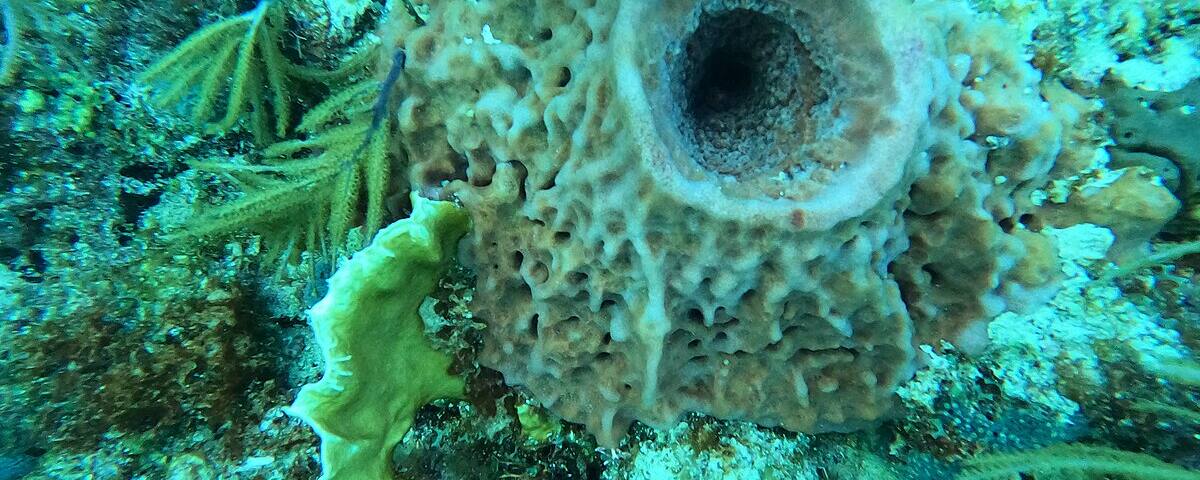
Soft corals drape across the boulder surfaces in purples, oranges, and yellows. When the current picks up even slightly, these inflate and extend their polyps into the water column to feed, and the effect is like watching the reef switch itself on. Feather stars (crinoids) perch on the gorgonians and sponges, their arms spread wide, filtering plankton from the flow. The colour variety of crinoids here is worth noting: you will find them in jet black, bright yellow, deep red, and banded combinations, sometimes on a single boulder.
Nudibranchs are present in the quantities you would expect from an Anilao site, which is to say: more than almost anywhere else in the world. Chromodoris species are easy to spot on the coral surfaces, their vivid mantles standing out against the substrate. Phyllidia are common on sponges. Patient hunters find Nembrotha and the occasional Glossodoris. This is not a dedicated macro site in the way that Secret Bay is, but a keen eye and a slow pace will produce a respectable nudibranch tally on any given dive.
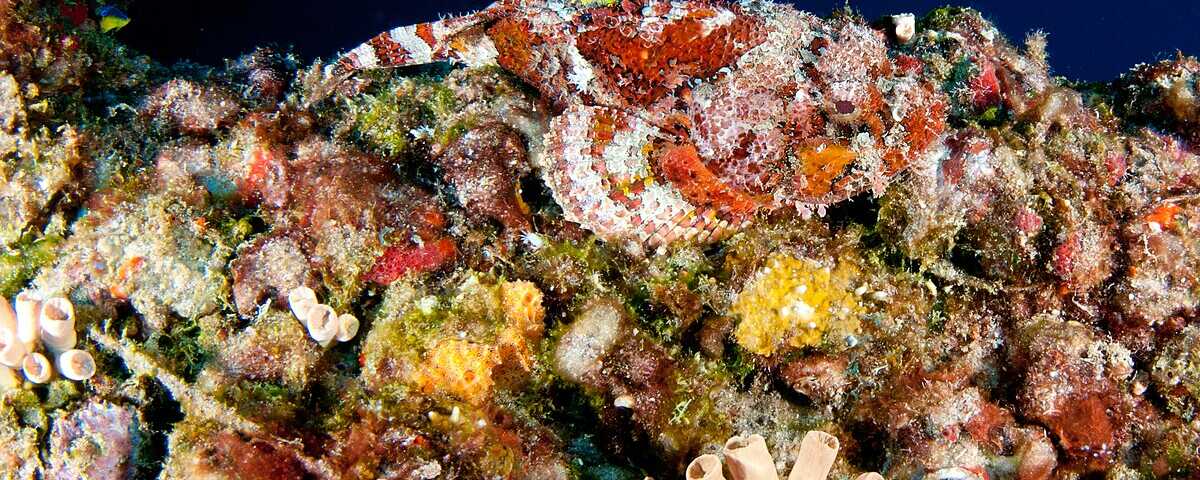
Larger visitors include blue-spotted stingrays resting on the sand between boulders, lionfish hovering under overhangs with their venomous fins spread, and the occasional octopus working its way across the substrate. Scorpionfish sit motionless on rocky surfaces, relying on their camouflage, and spotting one that your buddy missed is one of diving's small satisfactions. Groupers sit in their usual positions under ledges, mouths working, watching everything.
Schooling fish appear when conditions are right. Fusiliers stream past in loose formations, and the odd small school of jacks circles through at mid-depth. These are not the massive pelagic encounters you get at the exposed sites, but they add movement and scale to a dive that might otherwise be entirely about the small stuff.
Dive Conditions
Koala's topography is a gentle slope running from about 5 metres at the shallowest reef crest to 24 metres where the sand takes over. Most divers spend their time between 10 and 18 metres, which is where the boulder density and coral cover are best. The gradient is forgiving: you are unlikely to accidentally descend beyond your planned depth unless you are genuinely not paying attention.
Current is generally mild to moderate. The site sits in a somewhat sheltered position south of Eagle Point, which blocks the strongest flows that hit the more exposed headlands along the coast. On slack tide, the water barely moves and conditions are suitable for recently certified open water divers. When the tide is running, a moderate current develops that may require finning against it on the return leg, but nothing that should trouble a competent diver. Strong currents are unusual here, and operators specifically choose Koala on days when conditions at other sites are too challenging for mixed-ability groups.
Visibility ranges from 8 to 20 metres depending on season, tides, and recent rainfall. The dry season months from November through May deliver the clearer water, with the northeast monsoon (amihan) reducing coastal runoff from Luzon. During the wet season (habagat), particularly July to October, visibility drops after heavy rain as sediment washes off the hillsides and into the coastal waters. Plankton blooms also reduce visibility periodically, though these same blooms attract the filter feeders and small fish that keep the food chain busy.
Water temperature ranges from 25 to 30 degrees Celsius through the year. The cooler temperatures arrive with the amihan winds from December to February, when a 5mm wetsuit or a 3mm with a hooded vest is worthwhile. For the rest of the year, a 3mm is comfortable for most people, and some divers manage in a rash guard during the warmer months.
Bottom composition is a mix of sand, rubble, and rocky substrate. The sand patches between boulders are worth scanning for buried stingrays and burrowing creatures, but be mindful of your fin kicks in these areas. Silt can reduce visibility rapidly in the immediate area if your technique is heavy-footed. Frog kicks and helicopter turns will keep the water clear behind you.
Entry is by banca. There is no practical shore access. The boat ride from the main Anilao resort strip takes roughly ten minutes, making this one of the closest sites to the dive centres. Operators typically use Koala as a morning first dive or a late-afternoon third dive when the group needs something accessible.
⚓ Divemaster Notes
Koala is my go-to site when I have a mixed group with a spread of experience levels. The slope is predictable, the depth range is forgiving, and the current is manageable enough that I can give recently certified divers some space without worrying they will be swept off the reef. At the same time, there is enough marine life to keep the experienced divers in the group engaged, particularly if they are macro-inclined.
I typically start the dive at the southern end of the site, where the larger boulders sit at 14 to 18 metres, and work northward along the slope. This puts the current (when it exists) behind us for the return leg and keeps the group moving uphill as they burn through their air. The shallower sections between 5 and 10 metres have good coral cover for the safety stop, which makes end-of-dive management straightforward.
For photographers in the group, I point them toward the boulder clusters at 12 to 16 metres where the anemone density is highest. Wide angle is possible here (boulder with soft coral and fish school), but this is really a macro and close-focus wide angle site. A 60mm or 100mm macro lens with a focus light will get more use than a fisheye. The nudibranchs are concentrated on the sponge-covered surfaces of the larger boulders, so slow down and scan those areas carefully.
Buoyancy control matters more at Koala than at wall sites because the sandy patches between boulders silt up quickly with poor fin technique. I brief every group on frog kicks before we drop, and I watch for heavy finning in the first few minutes. If someone is stirring up the bottom, I correct it early rather than letting them destroy visibility for the rest of the dive.
Night diving at Koala is underrated. The boulders become hunting grounds for octopuses and cuttlefish, the sleeping parrotfish are tucked into coral crevices in their mucus cocoons, and the shrimps and crabs that hide during the day come out across every surface. The mild conditions make it one of the safer night dive options in Anilao, and the ten-minute boat ride means you are back at the resort before the late-night fatigue sets in.
How to Get to Koala Reef
Koala Reef is accessed from the Anilao dive area in Mabini municipality, Batangas province, on the southern coast of Luzon. The starting point for most visitors is Manila's Ninoy Aquino International Airport. From there, the road transfer to Anilao takes roughly 2.5 to 3 hours, heading south on SLEX and the STAR Tollway. Manila traffic is the unpredictable factor. Departing before 6am or after 9pm can save an hour compared to hitting rush hour.
The Anilao dive resort strip runs along the Mabini coast, with the highest concentration of dive operators between Barangay Solo and Barangay Ligaya. Koala Reef sits just south of Eagle Point, one of the more established resort locations, and is accessible by banca in approximately ten minutes from most operators along the strip.
Accommodation in the Anilao area ranges from basic guesthouses at PHP 1,000 to 2,000 per night up to mid-range dive resorts at PHP 3,000 to 8,000. Some of the resorts include diving in their room packages, which can represent good value for multi-day stays. Weekend bookings during the dry season (November to May) fill quickly, particularly around Philippine public holidays. Book ahead if your dates include a weekend.
For travellers connecting through Batangas City, perhaps coming from or heading to Puerto Galera via the ferry terminal, the drive to Anilao takes about 45 minutes. This makes it practical to combine Anilao diving with a trip across to Mindoro or the Visayas.
Domestic visitors from Metro Manila often drive down for weekend diving trips, arriving Friday evening and diving Saturday and Sunday. Some operators offer day-trip packages that include the drive, two dives, and lunch, though the travel time makes a multi-day stay more sensible if you want to dive a range of sites beyond just Koala.
Gear Recommendations
A 3mm wetsuit covers the majority of the year, with a 5mm or hooded vest worthwhile during the cooler amihan months from December to February when water temperatures drop toward 25 degrees. Macro lens setup (60mm or 100mm with a dioptre) is the strongest choice for photography at this site; the nudibranch and anemone subjects are the main draw. A focus light or video light helps with finding and illuminating subjects under boulder overhangs where ambient light drops off. Torch for peering into crevices and scanning boulder undersides is useful even on daytime dives. Surface marker buoy should be carried as standard practice in Anilao, though current at Koala rarely pushes divers far from the boat. Reef-safe sunscreen for the banca ride; the ten-minute transit may seem short but Philippine sun at midday is fierce.
Recommended Dive Operators
Planet Dive Anilao uses Koala regularly for checkout dives and first-morning warm-ups, and their guides know the boulder formations well enough to route directly to the most productive areas. Crystal Blue Resort includes Koala in their multi-day dive programmes and offers knowledgeable guides who can find the macro life that casual visitors miss. Buceo Anilao Dive Resort, one of the longest-running operations in the area, schedules Koala for mixed-ability groups and training dives, with experienced divemasters who can manage students and certified divers on the same site simultaneously. Eagle Point Beach Resort has the advantage of proximity, with Koala sitting just south of their house reef, and their pier provides the shortest boat ride of any operator. Solitude Acacia Resort runs Koala as part of their standard Anilao site rotation and pairs it effectively with nearby sites for half-day and full-day dive programmes.
Liveaboard Options
Anilao is a shore-based dive destination. No liveaboard operations serve this area. All diving runs from resort-based operators using bancas, with two to three dives per day as the standard programme. Day boats depart between 8 and 9am for morning dives, with afternoon dives typically at 1 to 2pm.