Ligpo Island Dive Site
Anilao (Batangas), Philippines · Near Bauan
Overview
Ligpo Island sits off the coast of Bauan in Batangas province, a small rocky outcrop surrounded by coral-covered slopes and overhangs that drop from the shallows to beyond 30 metres. The island falls within the Verde Island Passage, the narrow strait between Luzon and Mindoro that marine biologists have identified as the global centre of shore-fish biodiversity. That designation is not marketing copy. A 2005 study by Kent Carpenter and Victor Springer documented the passage as having the highest concentration of marine species per unit area anywhere on earth, and Ligpo Island benefits directly from this biogeographic position.
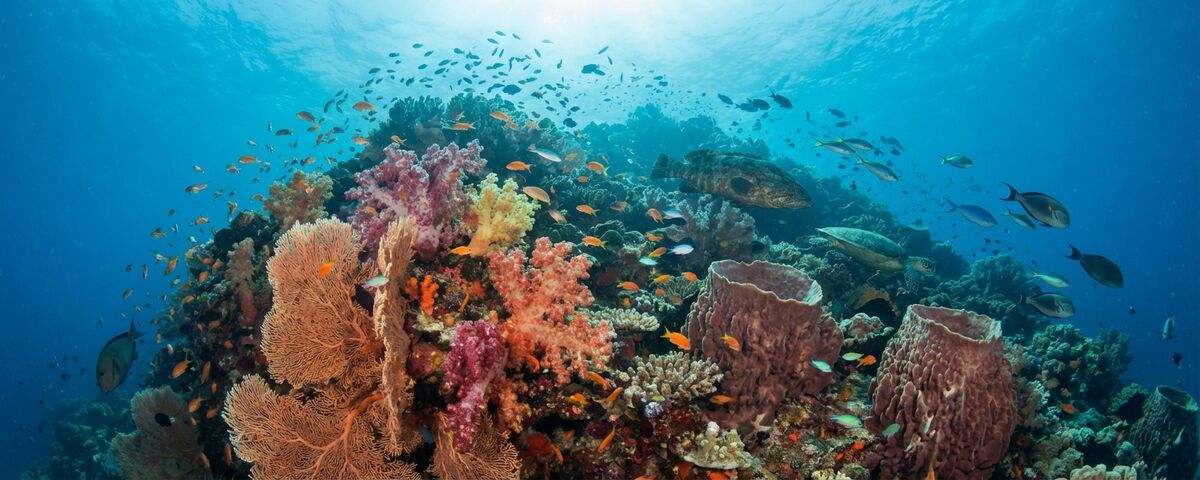
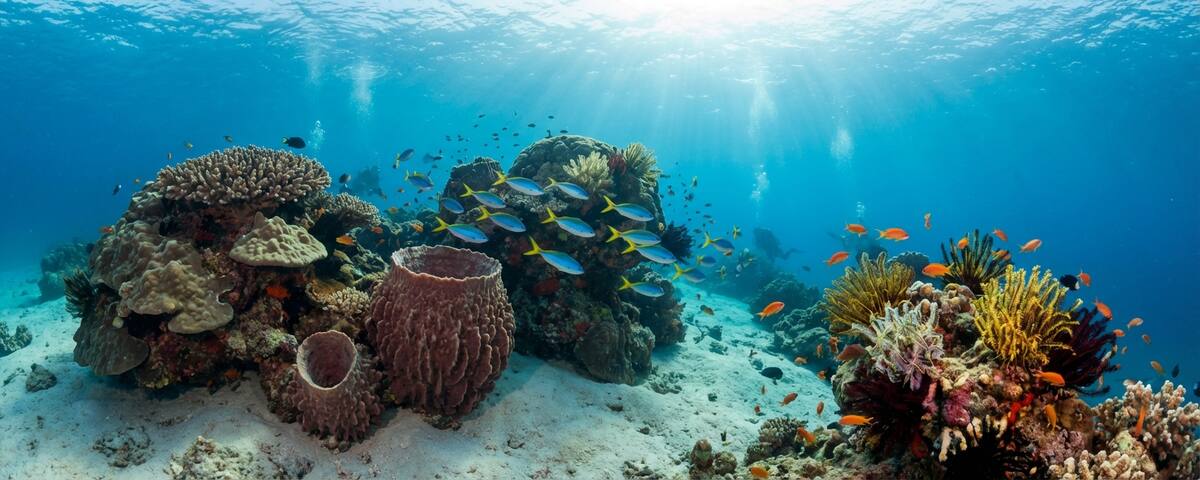
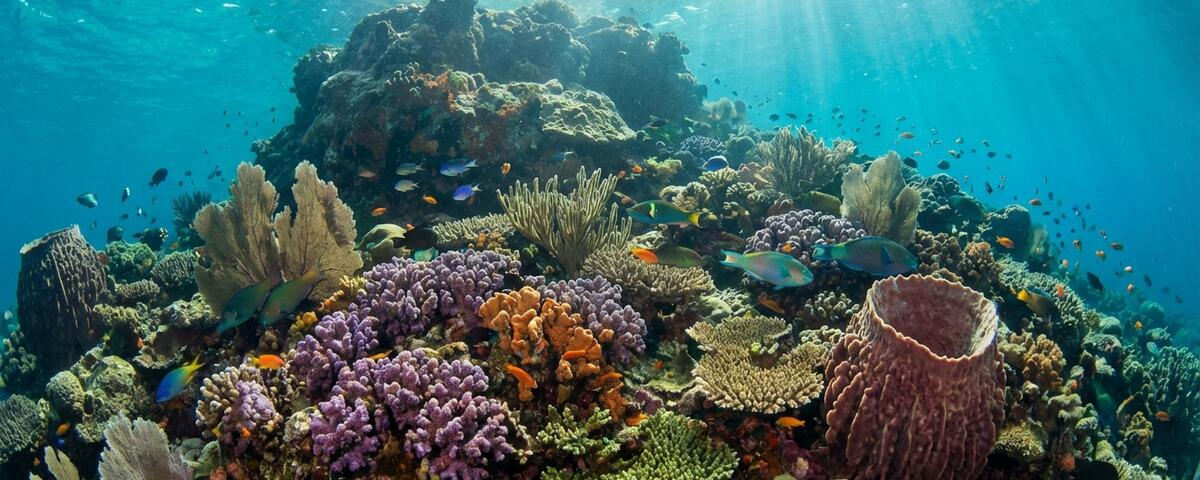
The diving here has a different character from the dedicated muck sites that dominate the Anilao area. Ligpo is a reef and wall dive, with hard coral gardens in the shallows giving way to slopes dressed in soft corals, gorgonian fans, and barrel sponges as depth increases. Underwater tunnels, crevices, and overhangs punctuate the reef structure, creating habitat for everything from resting turtles to hunting lionfish.
Ligpo Island is technically within the municipality of Bauan rather than Mabini (where most Anilao resorts cluster), but the distinction is administrative rather than practical. Dive operators from both areas visit the site regularly. The boat ride is roughly 30 to 40 minutes from the Anilao resort strip, which puts it slightly further out than the popular close-in sites but well within a standard day trip.
The island's position in Balayan Bay means it catches current from the Verde Island Passage, and conditions can shift from calm to challenging with little warning. This variability is actually part of what makes the site interesting. When the current runs, filter feeders open up, schooling fish tighten their formations, and the reef comes alive in ways that slack-water conditions simply do not produce. But it also means the site demands attention to conditions and a willingness to abort or redirect if the current exceeds what is safe for the group.
Bauan municipality has designated the waters around Ligpo as a marine protected area, which has allowed the reef to recover and maintain health that some of the more heavily dived Anilao sites have lost. The protection is not always perfectly enforced, but the overall effect on reef condition is visible. Coral cover here is genuinely good, particularly in the 5 to 15 metre range where hard corals dominate.
Marine Life at Ligpo Island
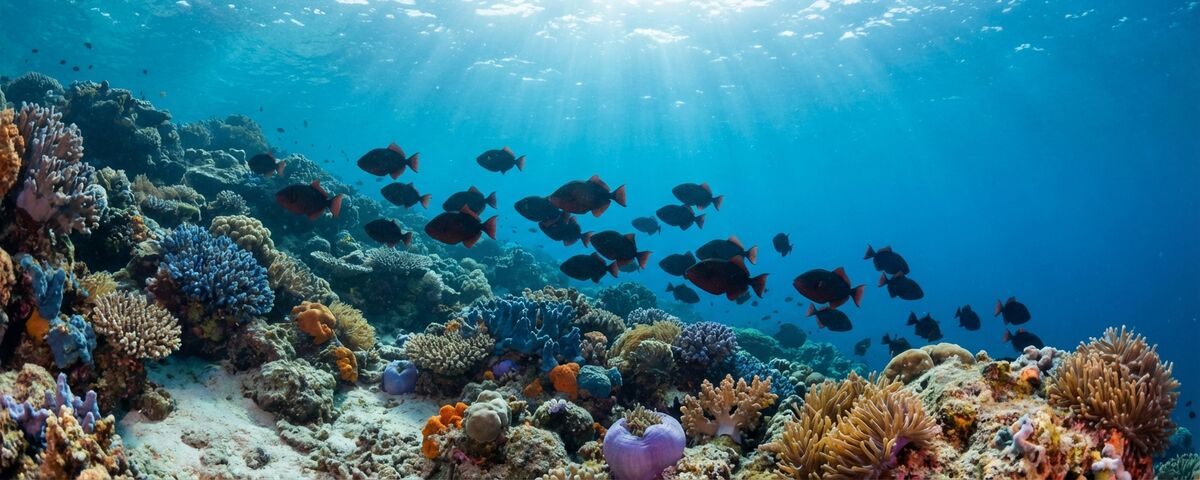
The shallow reef around Ligpo Island is carpeted in hard corals, with branching Acropora and massive Porites formations creating structure that hosts clouds of anthias, damselfish, and chromis. The density of small reef fish in the shallows is striking, particularly in the mornings when feeding activity peaks.
Turtles are one of Ligpo's consistent draws. Green turtles and hawksbill turtles rest under overhangs and ledges along the reef slope, and encounters are common enough that most divers will see at least one during a single dive. The turtles here are reasonably habituated to divers but not tame. Give them space and they will stay put. Crowd them and they will leave.
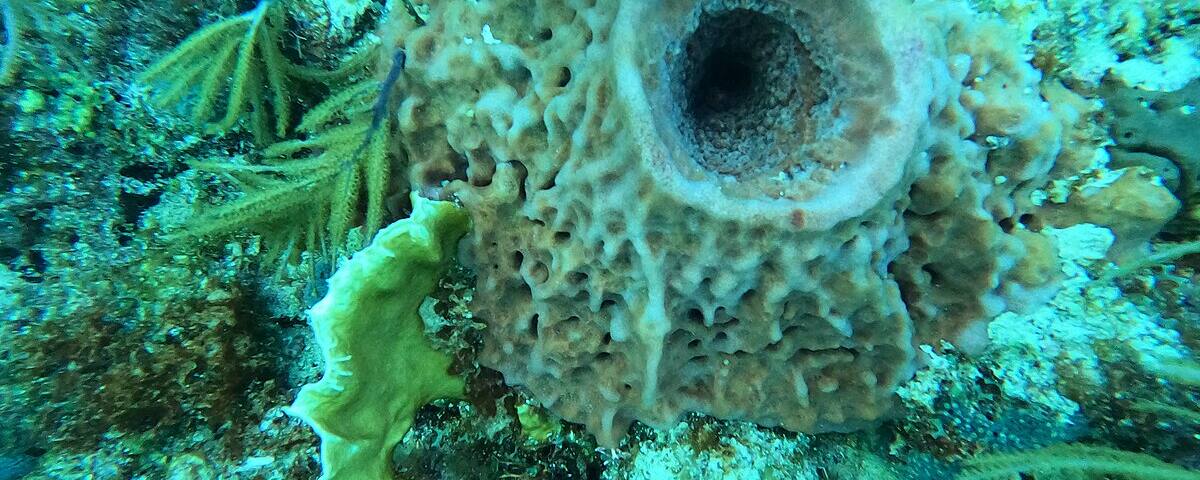
The deeper sections of the slope host gorgonian sea fans in sizes that compare well with more famous Indonesian sites. These fans spread across the current-facing surfaces, and their polyps extend during current flow to filter plankton from the water column. Barrel sponges anchor at various depths, some large enough to sit inside (though you should not).
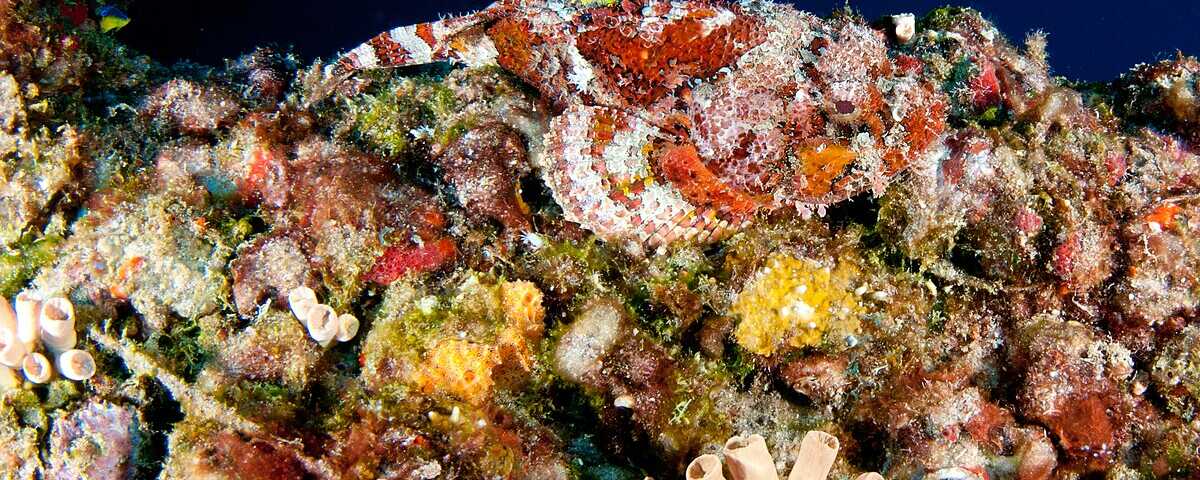
Nudibranchs are present in the variety you would expect from an Anilao-area site, though not in the concentrations found at the dedicated muck diving spots like Secret Bay. Chromodoris and Nembrotha species are common on the reef surfaces. Frogfish turn up on the rocky substrate, their camouflage making them essentially invisible without a guide who knows where the current residents are hiding.
The tunnels and swim-throughs that cut through the reef structure are a highlight. These passages are decorated with encrusting corals, tubastrea cup corals, and soft coral growth. Lionfish hang in the overhangs, and moray eels occupy crevices with just their heads visible. Banded sea kraits (venomous but not aggressive) patrol the reef, hunting small fish in the crevices.
Schooling fish concentrate on the current-exposed faces of the island. Fusiliers stream past in shifting blue and yellow formations, with surgeonfish and unicornfish mixed in. On good current days, the schooling action is genuinely impressive. Parrotfish of several species graze the coral, and their crunching is audible underwater, a sound that never gets old.
Cuttlefish are regular visitors, and their colour-changing displays during hunting or courtship are mesmerising to watch. Octopus inhabit the rocky areas, and patient observation of a hunting octopus is one of the quiet pleasures of diving here.
Dive Conditions
Ligpo Island's reef descends from about 5 metres to beyond 30 metres, with the most productive zones between 8 and 22 metres. The topography is a mix of slopes, walls, and rocky outcrops rather than a single uniform drop, which means each section of the island dives differently.
Current is the defining variable at this site. Conditions are often mild and manageable, but the island's position in Balayan Bay means currents from the Verde Island Passage can ramp up quickly. Some sources describe the conditions as 'generally serene but with ferocious currents that change rapidly,' and that about covers it. Your boat crew should be reading conditions before you enter, and the dive plan should account for current direction and strength.
When the current is running hard, this becomes an intermediate to advanced site. Beginners should only dive here on calm days, and even then, good buoyancy control is essential because the reef topography includes overhangs and tunnels where depth changes can catch inattentive divers.
Visibility ranges from 8 to 25 metres, with cleaner water typically during the dry season (November to May) when the northeast monsoon (amihan) blows and rainfall is lower. Visibility can drop during and after heavy rain, particularly in the habagat (southwest monsoon) season from June to October.
Water temperature sits between 25 and 30 degrees Celsius year-round. The cooler end of that range occurs during the amihan months (December to February), when northeast winds push cooler surface water into the area. Upwellings from the Verde Island Passage can produce localised cold patches that are noticeable on your dive computer.
Entry is by banca from the Anilao or Bauan resorts. The 30 to 40 minute boat ride crosses open water that can be choppy during the amihan season. Operators will cancel or redirect on rough days, and they are right to do so.
⚓ Divemaster Notes
Ligpo Island is the site I send people to when they want a break from the muck diving that dominates most Anilao dive plans. The reef here has genuine colour and structure, and it photographs well with a wide-angle lens. After three days of pointing a macro lens at nudibranchs on sand slopes, the visual relief of a healthy hard coral reef with turtles and schooling fish is welcome.
The current situation requires honest assessment before dropping divers in. I have seen calm mornings turn into washing machines within a single dive. Check conditions at the surface, brief the group on current protocols (stay close, signal if struggling, abort and ascend if it becomes unmanageable), and have the banca follow the bubbles rather than anchoring.
The tunnels and swim-throughs are the site's distinctive feature, but they need sizing up before you commit. Some are tight enough that a diver with a large wing and doubles would not fit. Check your group's configuration and skill level before routing through the narrower passages. Getting stuck in a swim-through is not a theoretical risk here.
For photographers, the sheltered side of the island offers calm water for macro work when the exposed side is too sporty. The hard coral gardens in the shallows make excellent subjects with natural light, and the turtle encounters are reliable enough to plan for. Bring a wide-angle for the schooling fish and fans, switch to macro for the crevices and overhangs.
Timing matters. Early morning dives tend to catch calmer conditions before the current builds through the day. The banca crews from both Anilao and Bauan know this pattern and will often schedule Ligpo as the first dive of the day.
I keep a current log for this site, noting direction, strength, and time of day across different seasons. The pattern is not perfectly predictable, but there are tendencies. Amihan season (northeast monsoon) tends to produce more consistent, manageable currents. Habagat season (southwest monsoon) is when the surprises happen.
How to Get to Ligpo Island
Ligpo Island is accessed from the Anilao and Bauan dive resort areas in Batangas province, on the southern coast of Luzon. Manila's Ninoy Aquino International Airport is the arrival point for international visitors, with a road transfer of approximately 2.5 to 3 hours south through Batangas City to the Anilao peninsula.
The drive time is heavily dependent on Manila traffic. Departing before 6am or after 9pm can save an hour or more compared to hitting rush hour. The SLEX (South Luzon Expressway) and STAR Tollway have improved travel times significantly compared to even five years ago.
From the Anilao resort strip, the banca ride to Ligpo Island takes 30 to 40 minutes depending on sea conditions and the speed of your operator's boat. Operators from Bauan are slightly closer. Most operators include Ligpo Island in their site rotation as part of a two or three dive day, often combining it with other offshore sites like Sombrero Island.
Accommodation in the area ranges from budget guesthouses in the PHP 1,000 to 2,000 range to mid-range dive resorts at PHP 3,000 to 8,000 per night. The resort density is concentrated along the Mabini coast (Anilao proper), with fewer options in Bauan. Weekend bookings fill up quickly during the dry season, particularly around Philippine holidays. Book early.
Gear Recommendations
A 3mm wetsuit is sufficient for most of the year, though a 5mm or hooded vest is worth having during the cooler amihan months (December to February) when water temperatures can drop to 25 degrees. Wide-angle lens for the reef structure, schooling fish, and turtle encounters. Macro lens for the nudibranchs and small critters in the overhangs. Torch for peering into crevices, tunnels, and under ledges where morays and lionfish hide. SMB is mandatory given the current variability; deploy during the safety stop rather than on the surface where current can separate you from the boat. Reef hook is not necessary or appropriate here.
Recommended Dive Operators
Crystal Blue Resort runs well-organised dive operations with guides who know the Ligpo Island site thoroughly and specialise in critter spotting. Aiyanar Beach and Dive Resort offers reliable service with experienced divemasters. Buceo Anilao Dive Resort provides comprehensive packages that include Ligpo in their regular site rotation. Planet Dive Anilao combines comfortable resort accommodation with knowledgeable dive staff. Bauan Divers Sanctuary Resort, being located in Bauan itself, has the shortest boat ride to Ligpo Island and intimate knowledge of the site's current patterns.
Liveaboard Options
Anilao and Bauan are shore-based dive destinations. No liveaboard operations serve this area. The standard format is day trips by banca from resort-based dive operations, with two to three dives per day plus optional night dives at closer sites.