Mainit Point Dive Site
Anilao (Batangas), Philippines · Near Anilao
Overview
Mainit Point sits at the southernmost tip of the Calumpang Peninsula in Anilao, the place where the sheltered waters of the Batangas coast meet the open channel and the current starts to bite. In a region famous for muck diving and macro critters, Mainit Point is the site that reminds you Anilao can do big stuff too. When the current is running, pelagic action here rivals anything in the Visayas.
The name means 'hot' in Tagalog, referring to the hot springs that once marked the area rather than the water temperature. The dive site wraps around the peninsula's tip, a reef slope with mixed coral and rubble substrate that drops from about 8 metres to beyond 30 metres. The current sweeps around the point, creating upwellings that bring nutrient-rich water from the depths and concentrate fish activity along the reef edge.
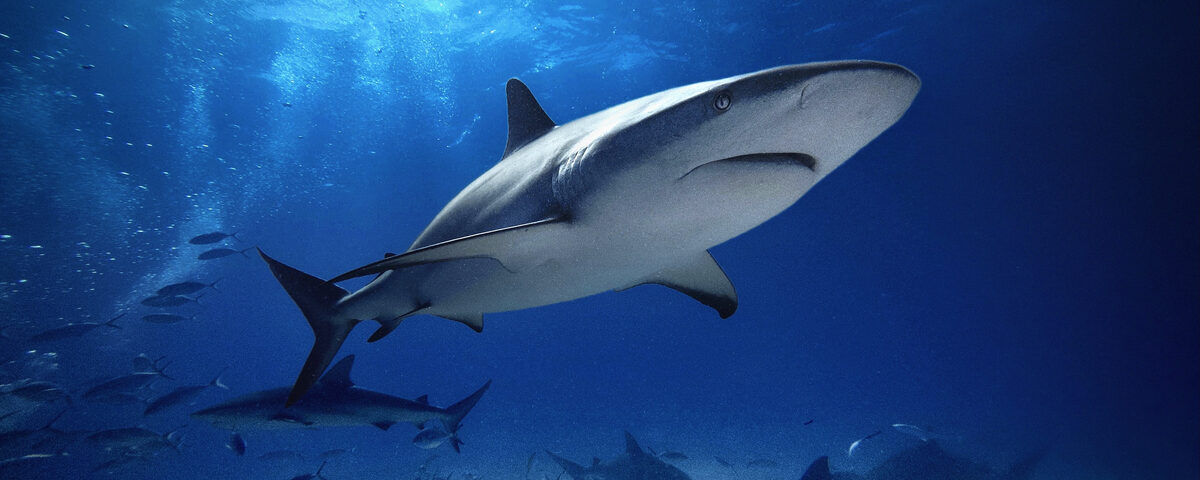
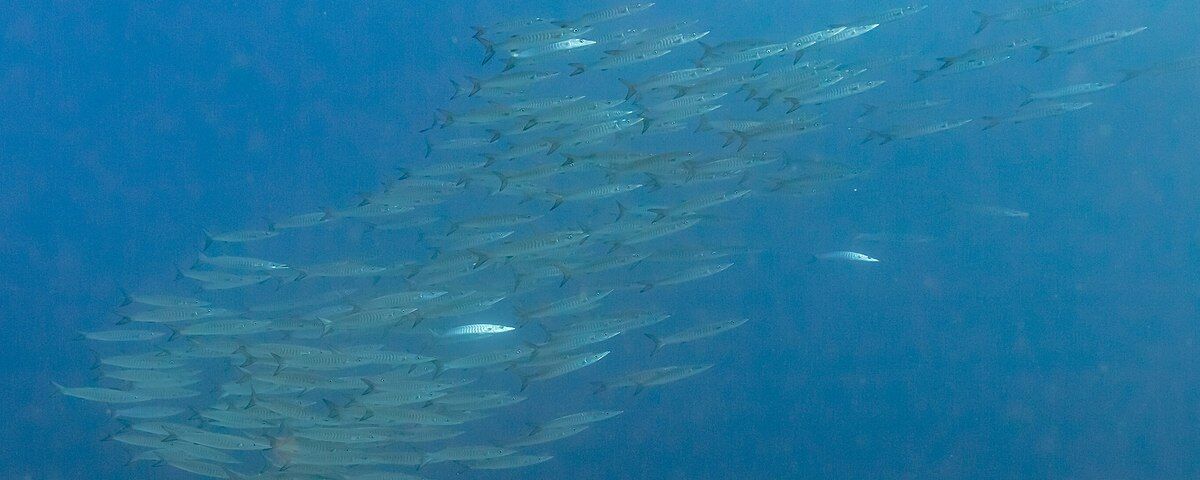
When conditions align (typically on a strong incoming tide), Mainit Point transforms from a decent reef dive into a pelagic spectacle. Great barracuda hunt in groups of 3 to 4, giant trevally patrol the reef edge in pairs, and bluefin trevally cruise through in numbers. Schools of jacks aggregate in the current, and the occasional reef shark passes along the drop-off. This is Anilao's big-fish site.
The flip side is the current itself. Mainit Point can produce strong, unpredictable flow that makes the dive challenging for anyone not comfortable managing current exposure. The point creates eddies and back-currents that require active swimming and careful positioning. This is not a relaxation dive.
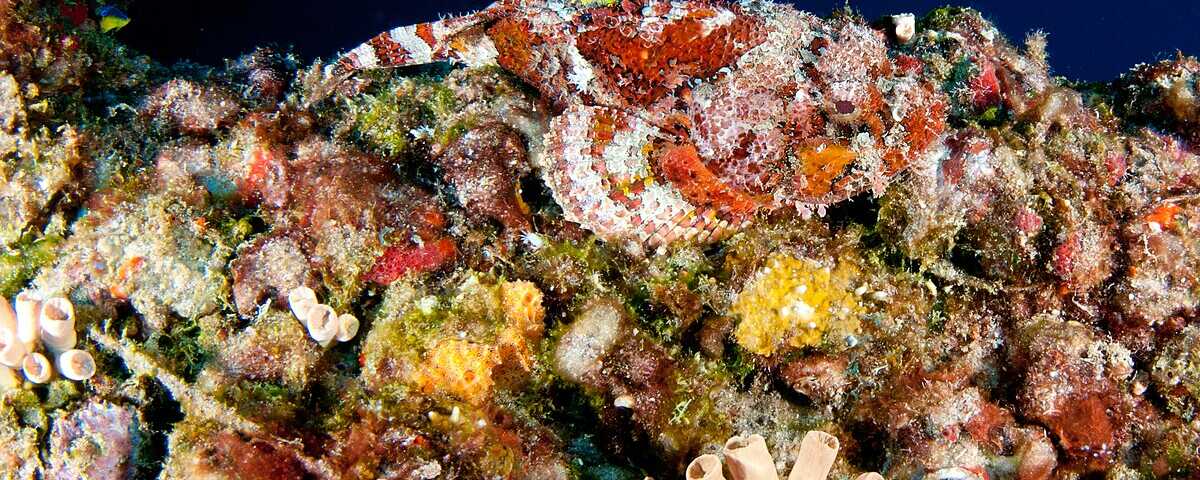
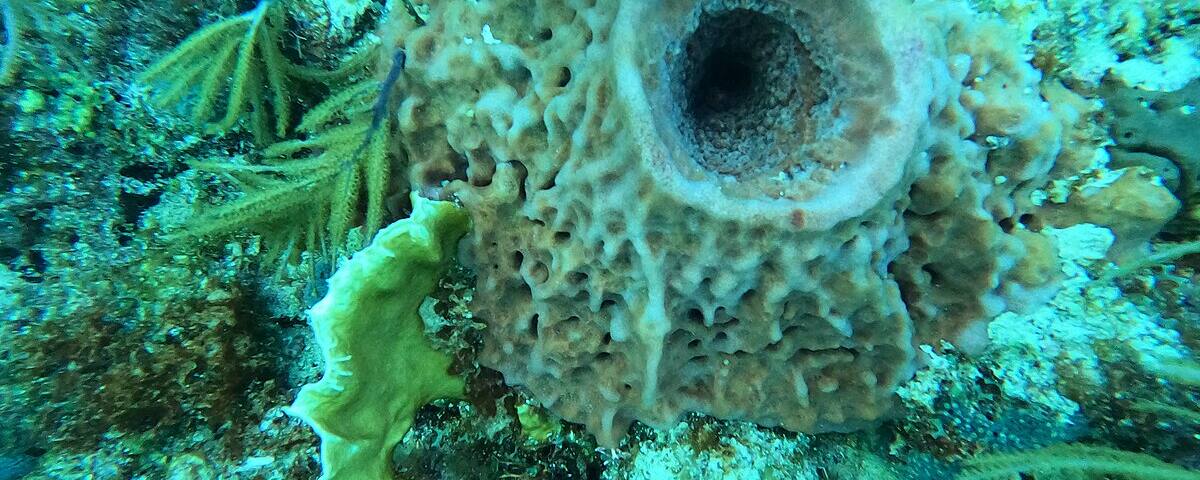
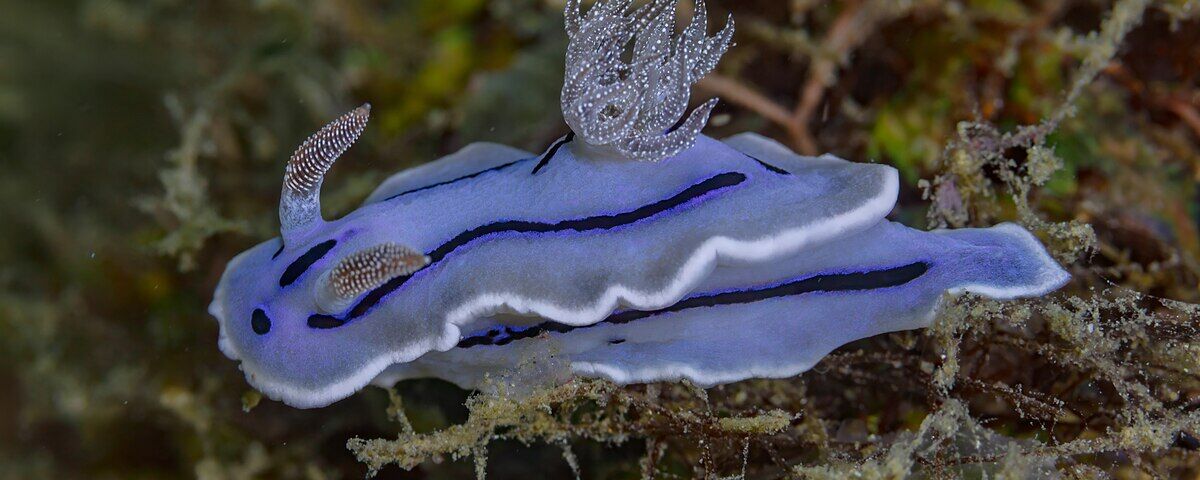
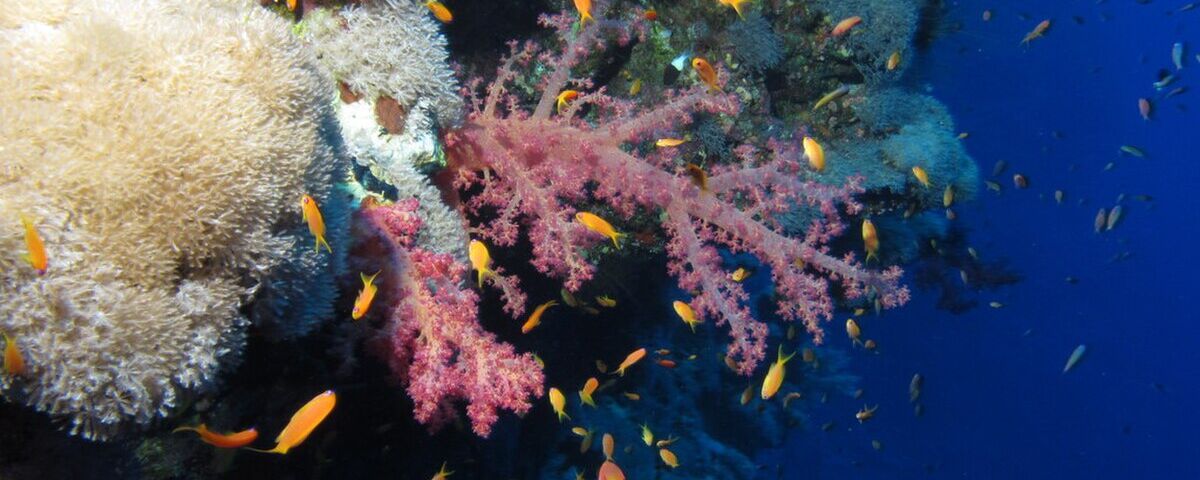
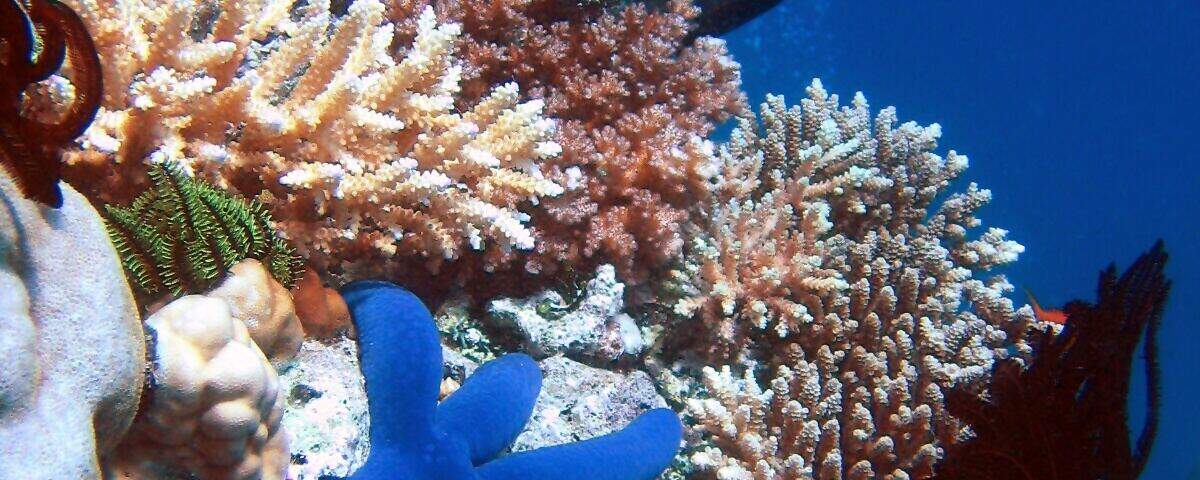
The reef structure supports healthy coral coverage, with the usual Anilao complement of soft and hard corals on the substrate. The macro life is present (nudibranchs, scorpionfish, the occasional frogfish) but secondary to the pelagic draw. Divers who come to Anilao specifically for muck diving will find better critter sites elsewhere; Mainit Point is for the days when you want something bigger.
Access takes about 30 minutes by banca from the Anilao resort area, making it one of the more distant sites in the region. The trip to the southern tip of the peninsula exposes the boat to the same conditions that create the dive's current, so surface transit can be bumpy.
The reef structure at Mainit Point is healthier than many Anilao sites because the current discourages the intensive fishing that affects calmer areas. The flow brings nutrients that sustain robust coral growth, and the difficult access keeps casual fishing pressure lower than at the sites closer to the resort strip. This creates a positive feedback loop: better coral supports more fish, which supports more predators, which makes the site more interesting for divers.
The hot springs that gave the area its name are not visible underwater (they're terrestrial features on the peninsula), but they do occasionally produce warmer water patches along the coastline that can be felt during shallower sections of the dive.
Marine Life at Mainit Point
Great barracuda are the headline species, hunting in small groups along the reef edge. Their size (adults reach over a metre) and predatory behaviour create genuine excitement. Giant trevally and bluefin trevally patrol the same areas, their metallic bodies flashing as they turn.
Schools of jacks aggregate in the current over the reef edge, particularly on incoming tides when the upwelling is strongest. The schools can number in the hundreds, forming tight spiralling formations that concentrate against the current.
Reef sharks, primarily white-tip reef sharks, are occasional visitors along the deeper sections. They're not guaranteed but appear often enough during strong current dives to keep the blue water interesting. Reef mantas have been reported seasonally, though this is an inconsistent sighting.
The reef itself hosts a healthy fish community: anthias in dense clouds over the coral heads, triggerfish defending territories, and wrasse in several species working the reef surface. Sweetlips shelter beneath overhangs, and groupers occupy the larger crevices. The coral coverage includes both soft and hard coral species in good condition.
Macro life exists but isn't the reason you're here. Scorpionfish camouflage on the reef, lionfish patrol the overhangs, and nudibranchs are present on the coral surfaces. Cuttlefish hunt across the reef, particularly on the calmer sections away from the point.
The sandy areas between reef sections host blue-spotted stingrays and the occasional crocodilefish. Garden eels are visible in the calmer patches, their colonies swaying in the reduced current away from the exposed point.
Moray eels of several species inhabit the reef, with the large green moray and the dramatic snowflake moray both present. The reef edges host the occasional octopus, typically visible when they're transitioning between hiding spots. Sea snakes (banded sea kraits) pass through periodically, their hunting behaviour focused on the moray eels that share the same crevices.
Dive Conditions
Current at Mainit Point ranges from moderate to strong and is the site's defining characteristic. The peninsula tip creates acceleration of the tidal flow, producing current that can exceed comfortable levels without warning. Divers need to be comfortable in current and capable of finding shelter behind reef features when the flow intensifies.
Visibility ranges from 8 to 20 metres, lower than the clearer Visayan sites due to Anilao's position near shore and the nutrient-rich upwellings that feed the marine life but reduce clarity.
Water temperature is 25 to 29 degrees, with the current sometimes bringing cooler thermocline water to the reef. A 3mm wetsuit is standard, with 5mm on cooler current days.
The dive profile follows the reef slope from 8 metres to a chosen maximum depth (typically 25 to 30 metres), working along the point with the current when possible. Fighting the current is exhausting and pointless; go with the flow and let the boat pick you up downstream.
Entry is by banca, with the boat captain positioning the drop based on current direction. The dive typically drifts past the point, with the boat tracking the group's bubbles.
Advanced Open Water certification is recommended. The current demands experience, and the depth profile requires good air management.
The exposed position means surface conditions can be rough, with the boat ride to and from the site occasionally uncomfortable. The banca rides are part of the Anilao experience, and while they're manageable, they're not luxury transfers. Prepare for splash, wind, and the occasional wave over the gunwale.
Safety equipment should include a surface marker buoy, whistle, and mirror. The current can carry a surfacing diver away from the pickup point quickly, and being visible to the boat captain is essential.
⚓ Divemaster Notes
Mainit Point is my current dive, and I only take experienced divers here. I've had groups swept past the point by current that appeared manageable on the surface but turned into a washing machine at depth. Reading the conditions before dropping in is essential.
I time the dive for the incoming tide, when the upwelling brings the pelagics to the reef edge. The first 20 minutes of a strong incoming tide produce the best action. After that, the current often becomes too strong for comfortable diving and the fish disperse.
The trick is to position yourself on the leeward side of the point and watch the current line. The pelagics cruise along the boundary between the main flow and the eddy behind the point. Hovering in the eddy while watching the open water is the most productive strategy.
For photography, wide-angle is the only sensible choice here. The pelagic subjects are large and fast, and the current makes close approaches difficult. Fisheye lenses capture the scene well when the jacks are schooling overhead.
I always carry a surface marker and deploy it before ascending, since the current will carry the group away from the drop point. The boat captain needs to see the markers to track the pickup position.
How to Get to Mainit Point
Mainit Point is at the southern tip of the Calumpang Peninsula, about 30 minutes by banca from the main Anilao resort strip. Anilao is in Batangas province, approximately 2.5 to 3 hours by road from Manila.
Most visitors fly into Manila's Ninoy Aquino International Airport and arrange private transfers to Anilao. There are no commercial flights to Batangas. The drive is straightforward but traffic-dependent, with the SLEX and STAR tollways providing the main route.
Anilao dive operators include Mainit Point in their site offerings but typically schedule it on days when current conditions are favourable for pelagic encounters.
Gear Recommendations
3mm to 5mm wetsuit. Wide-angle lens for pelagic encounters. SMB essential for drift diving. Reef hook useful for stabilising on the reef in current. Nitrox extends bottom time at the 20 to 25-metre depth range. Current-capable dive light for signalling.
Recommended Dive Operators
Planet Dive Anilao has experienced guides who read the current conditions at Mainit Point well. Dive Solana offers the trip with good safety protocols for current diving. Eagle Point Resort runs trips to the southern peninsula sites from their beachfront location. Crystal Blue Resort provides competent guiding for the pelagic sites.
Liveaboard Options
Anilao is exclusively a land-based diving destination, with resorts along the Calumpang Peninsula providing banca-based dive operations. No liveaboards serve Anilao specifically, though some Visayan itineraries include a stop in the Batangas area.
For divers who want to explore both Anilao's macro sites and the pelagic encounters at Mainit Point, a three to five-day stay based at one of the Calumpang Peninsula resorts provides access to the full range of dive experiences. The proximity to Manila makes long weekend trips feasible for international visitors transiting through the capital.