Sepok Wall Dive Site
Anilao (Batangas), Philippines · Near Anilao
Overview
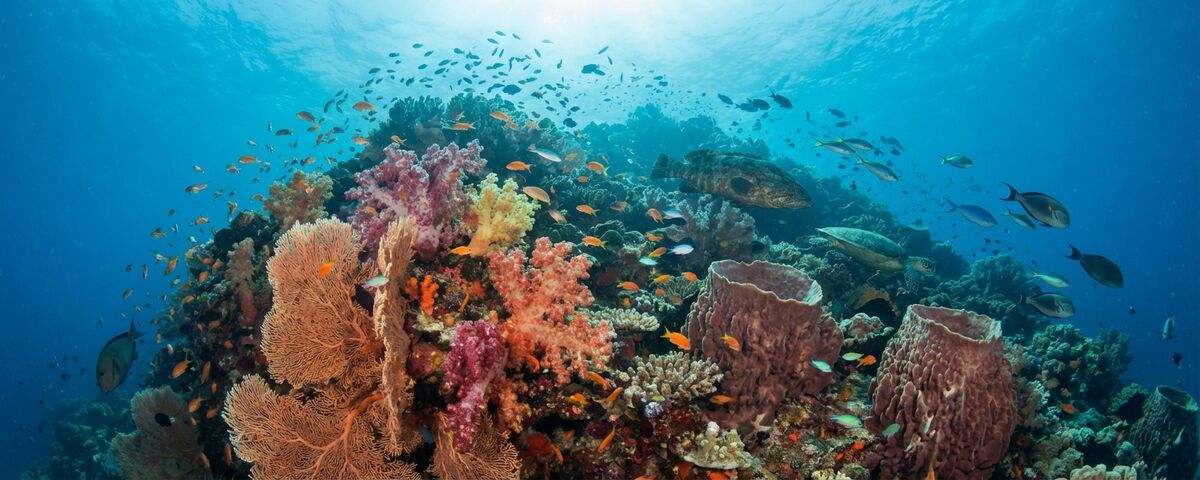
Sepok Wall drops off the northwest tip of Maricaban Island, and it's one of those Anilao dive sites that catches people off guard. Most visitors come to this part of the Philippines expecting muck diving and macro critters (fair enough, that's what Anilao does best), but Sepok delivers something different: a proper wall dive with gorgonian sea fans the size of dining tables and enough vertical reef scenery to make you forget you're only 20 minutes by bangka from the resort strip.
The wall runs along the west side of Sepok Point, facing out towards the open waters of the Verde Island Passage. This positioning matters. The Passage is one of the most biodiverse marine corridors on the planet, and Sepok Wall sits right on its edge, catching nutrients and larvae that drift through from the open ocean. The result is reef growth that's noticeably lusher than many of the shallower sites closer to the Anilao mainland.
What makes the site unusual for this area is the topography. Where most Anilao dives involve gentle slopes, rubble patches, and sandy bottoms perfect for spotting camouflaged critters, Sepok gives you genuine vertical structure. The wall starts from a reef crest at around five metres and drops to roughly 25 to 27 metres, with some references citing deeper sections beyond recreational limits. The face itself isn't a sheer cliff in the Bunaken or Sipadan sense. It's more of a steep wall with ledges, overhangs, and crevices that create habitat complexity at every depth.
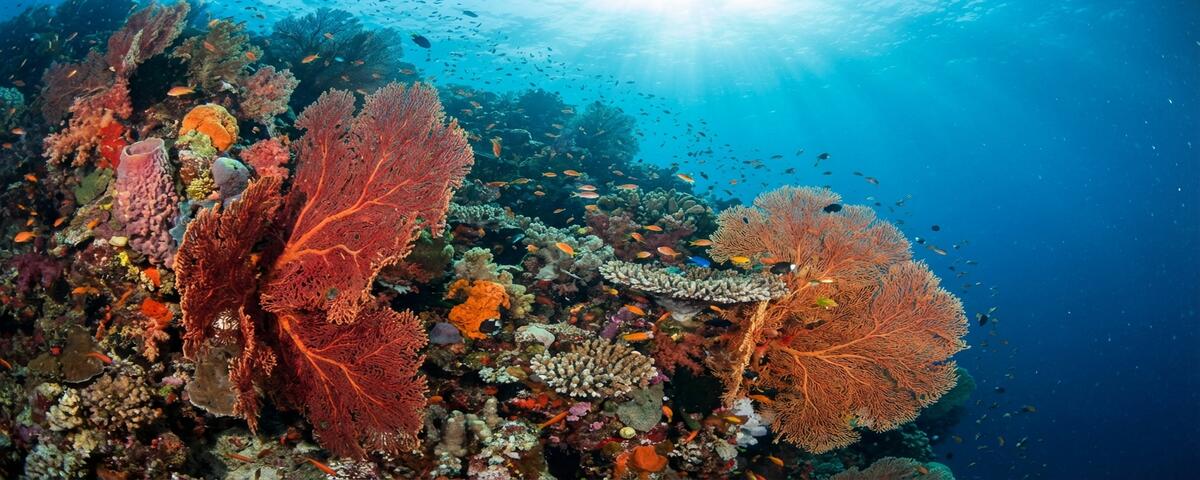
The gorgonian sea fans are the centrepiece. They start appearing at surprisingly shallow depths, from about eight metres, and get progressively larger as you descend. By 15 to 20 metres, individual fans span well over a metre across, their latticed branches filtering the current for plankton. The colour palette ranges from deep red and orange to muted yellow, and they grow densely enough that sections of the wall look like an underwater garden that someone's been tending for decades. Nobody has, of course. The fans grow this well because the current and nutrient supply are right, and because the site's relative remoteness from the main dive hub means it gets less traffic than places like Cathedral Rock or Twin Rocks.
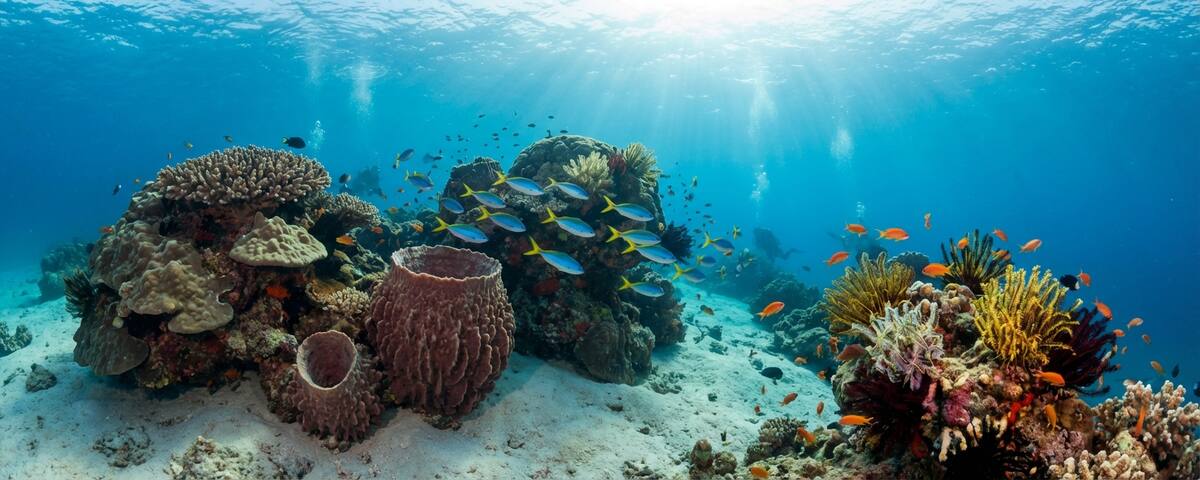
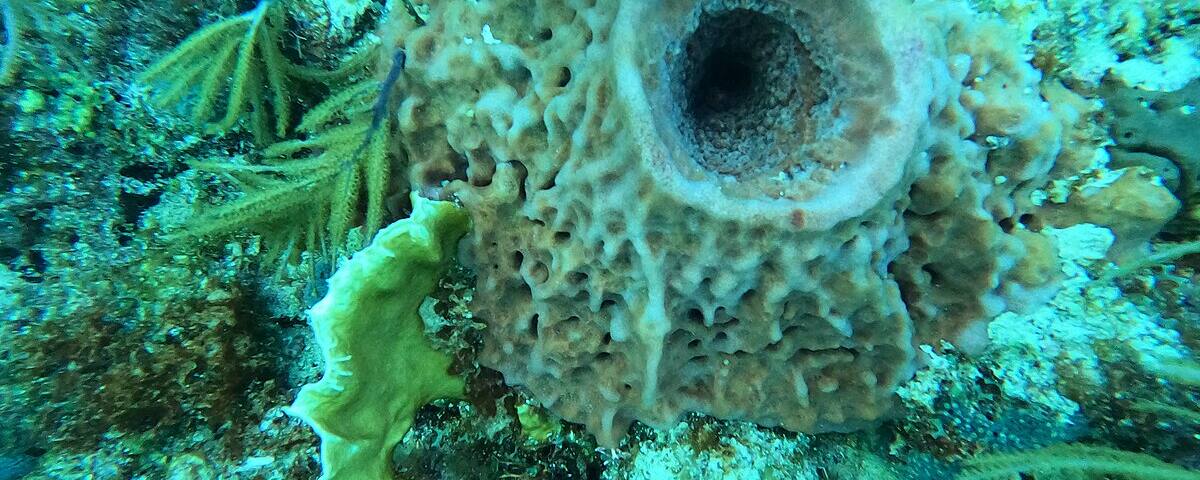
Colourful barrel sponges and tube sponges punctuate the wall between the fans, some in vivid purples and blues that photograph well even without artificial light. Black coral trees grow in the deeper sections, their dark, wire-like branches creating a visual contrast against the brighter organisms around them. The overall effect is a wall that feels decorated rather than merely colonised, with enough variety in shape, colour, and texture to keep photographers busy for an entire dive.
The adjacent area sometimes called Philip's Garden (named after a local dive guide, apparently) sits just around the point and offers a slightly different character. It's flatter, with coral gardens rather than wall structure, and provides good macro hunting territory. Some operators combine both areas into a single longer dive when conditions allow. The transition between the wall and the garden gives the dive a two-act structure that keeps things interesting.
Sepok Wall tends to be quieter than the marquee Anilao sites. It's slightly further from the resort cluster, and the dive briefing sounds less exciting than "Secret Bay" or "Cathedral Rock" to first-time visitors. That's actually one of its strengths. You'll often have the wall to yourself or share it with just one other group, which makes a noticeable difference to the experience.
Marine Life at Sepok Wall
The gorgonian sea fans dominate the visual experience and rightly so. These are some of the largest and healthiest specimens in the Anilao area, growing at various angles from the wall face to maximise their exposure to passing current. When backlit by ambient light from the surface, the fans glow with a translucent quality that's difficult to capture in photographs but impossible to forget in person.
Fish life clusters around the fans and along the wall's ledges. Anthias swarm in orange and pink clouds above the coral, their constant darting motion creating a living haze against the blue background. Damselfish defend small territories on the wall face with characteristic aggression. Fusiliers pass in loose schools along the wall's outer edge, usually in the 10 to 15 metre range where the wall meets the open water column.
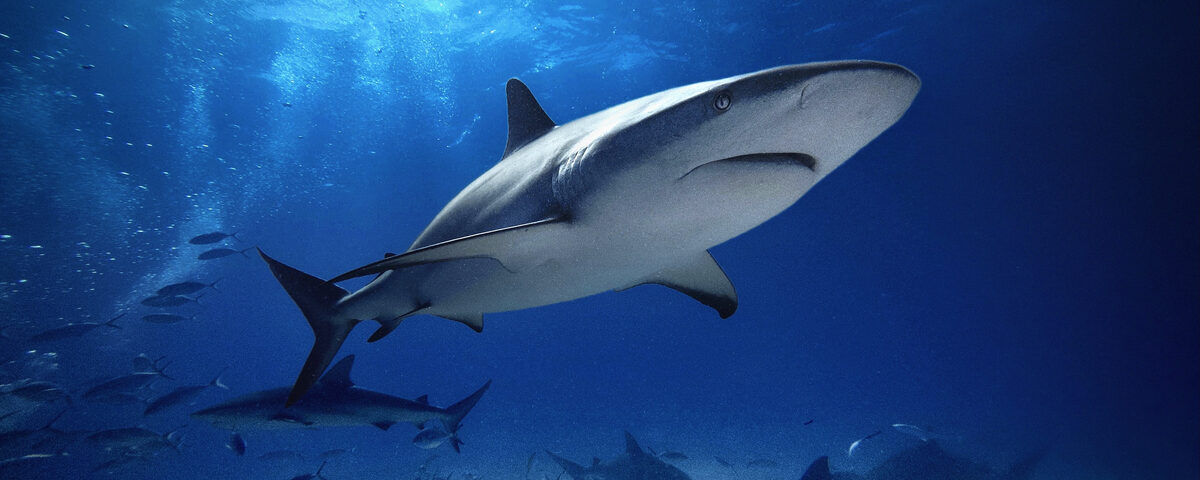
Larger visitors turn up with reasonable regularity. Trevally patrol the deeper sections of the wall, sometimes in small hunting groups that sweep along the reef edge before disappearing into the blue. Groupers hold territory in the overhangs, some of them large enough that they clearly haven't been bothered by fishermen in years. The site's position on the Verde Island Passage means pelagic encounters are always possible, if not guaranteed. Barracuda pass through, and reef sharks (primarily whitetips) have been recorded, though they're not a regular feature.
Nudibranchs are present throughout the wall, because this is Anilao and nudibranchs are present everywhere. The wall's crevices and overhangs shelter Chromodoris species, Phyllidia, and various other sea slugs that macro photographers will recognise immediately. They're not the main attraction here (go to Secret Bay for that), but they add another layer to a dive that already offers plenty.
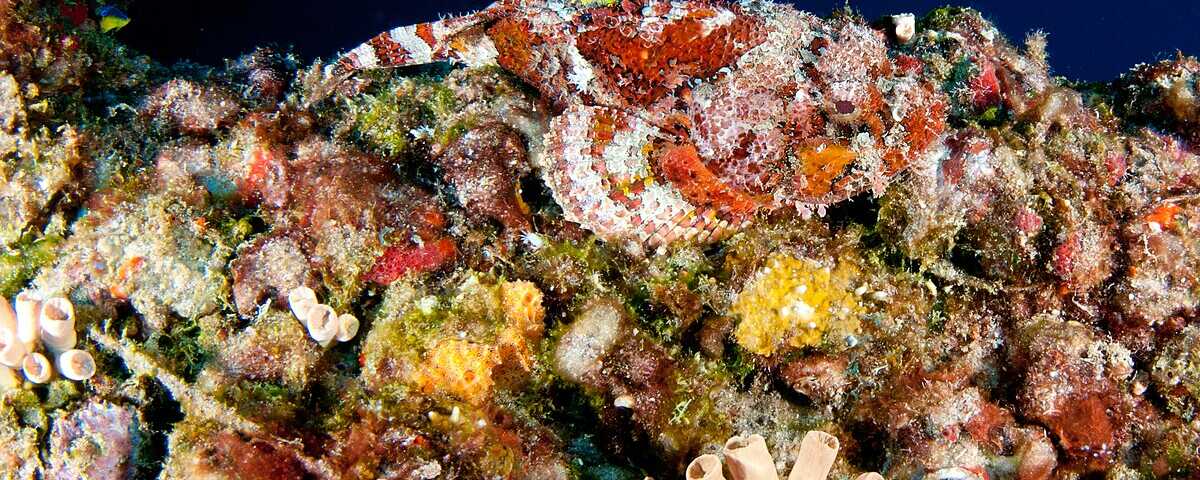
Lionfish occupy the overhangs and crevices, their elaborate fins fanned out in characteristic hunting posture. Scorpionfish sit motionless on ledges, virtually invisible unless pointed out by a guide who knows where they like to sit. Moray eels peer out from holes in the wall, the usual giant morays and honeycomb morays that populate Philippine reefs.
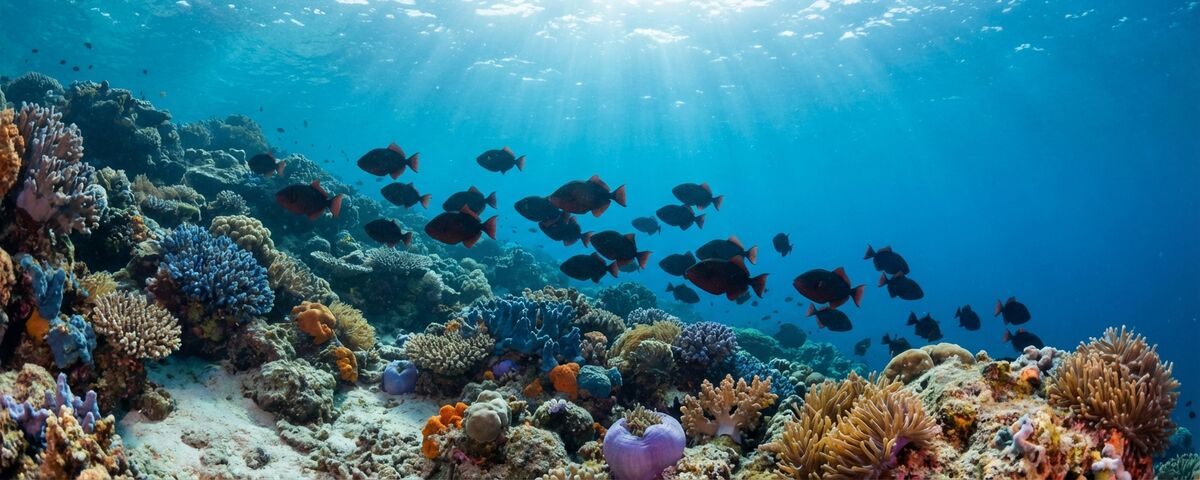
The coral diversity on the wall itself is worth attention beyond the gorgonians. Hard coral species including Acropora and Porites establish themselves on the upper sections where light penetration is strongest. Soft corals in muted pastels grow in sheltered spots, often alongside encrusting sponges. The layered effect of hard coral, soft coral, sponge, and gorgonian growing on the same section of wall creates the kind of biodiversity density that the Verde Island Passage is famous for.
Turtles visit the site, primarily green sea turtles grazing on algae that grows on the wall's sunlit upper sections. They're not resident in the way they are at some dedicated turtle sites, but sightings happen often enough that guides mention them in briefings.
For macro enthusiasts who can't help themselves even on a wall dive, the crevices shelter commensal shrimps living on anemones, porcelain crabs, and various species of pipefish. A careful search of the gorgonian fans themselves sometimes reveals pygmy seahorses, though finding them requires patience, good eyesight, and ideally a guide who's spotted them before.
Dive Conditions
Sepok Wall is a relatively forgiving dive by Anilao standards. Current is typically low, which is unusual for a site on the Verde Island Passage. The wall's orientation provides some shelter from the stronger flows that hit more exposed points along Maricaban Island. That said, moderate current does occur, particularly on tidal changes, and it tends to run along the wall face rather than pushing divers off it. When current is present, it actually improves the dive by bringing cleaner water and more active fish behaviour.
Visibility ranges from 10 to 30 metres and follows the general Anilao pattern: better during the dry season (November through May), variable during the wet season. The best visibility days often coincide with incoming tides and mild current flow. When visibility drops below 15 metres, the wall still works well because you're diving close to the reef structure rather than looking across open water.
Water temperature sits between 25 and 30 degrees Celsius through the year. The cool season (January to March) brings temperatures down to the lower end of that range, and a 3mm wetsuit might feel thin on longer dives during those months. Most of the year, 3mm is comfortable. Some divers prefer 5mm for the peace of mind and warmth on second or third dives of the day.
Depth ranges from about five metres at the reef crest to 25 to 27 metres at the base of the wall. Some sources mention deeper sections beyond 30 metres, but all the interesting wall structure and marine life sits within recreational limits. Most of the best gorgonian growth concentrates between 12 and 22 metres, which keeps bottom times generous and decompression risk minimal for properly planned dives.
Surface conditions are generally calm for the boat ride out. The bangka trip from Anilao resorts takes roughly 20 minutes, depending on your starting point and sea state. During the southwest monsoon (June to October), the crossing can get choppy, though rarely enough to cancel dives. Entry is a standard giant stride from the bangka's outrigger platform.
The site works well for Open Water certified divers with decent buoyancy control. Wall diving requires the ability to maintain a consistent depth without touching the reef, and the gorgonian fans are fragile enough that a misplaced fin kick causes real damage. Intermediate divers will be comfortable exploring the full depth range. Advanced divers can push deeper if conditions allow but won't find dramatically different scenery below the 25 metre mark.
⚓ Divemaster Notes
Sepok Wall is one of those sites I enjoy precisely because it's not what people expect from Anilao. Most groups arrive wanting macro, macro, macro, and that's completely fair. But when I take a group to Sepok and they see the wall covered in gorgonians for the first time, the reaction is always the same: surprise, then delight, then cameras out.
I brief buoyancy harder for this dive than for most Anilao sites. The gorgonian fans are old, slow-growing organisms, and a single careless fin kick can snap a branch that took years to develop. I ask every diver to demonstrate neutral buoyancy at the start of the dive before we approach the wall properly. Anyone struggling with buoyancy gets positioned where they can't accidentally contact the fans.
The dive plan depends on current. On slack days, I start shallow and work down the wall, spending time at each depth band to show how the marine life changes. The upper sections (5 to 12 metres) have the best hard coral coverage and the most fish activity. The middle band (12 to 20 metres) is where the gorgonians really hit their stride. Below 20 metres, you get black coral and some of the larger barrel sponges, but the light drops off and so does the colour unless you carry a torch.
When there's mild current running along the wall, I'll drift with it and let the site do the work. A gentle drift along Sepok Wall is one of the more pleasant experiences in the Anilao area. You cover more ground, see more of the wall's variety, and the current brings the anthias and fusiliers into tighter schools that look spectacular.
I sometimes combine Sepok Wall with Philip's Garden in a single dive, rounding the point from the wall into the shallower coral garden for the second half. This works best on calm days with minimal current. The garden section has different character entirely, with table corals and staghorn formations that shelter different species. It gives photographers two distinct shooting environments in one dive.
One practical note: this site is slightly further from the resort strip than the popular choices, and some operators won't go there unless specifically requested. If you want to dive Sepok, mention it during your dive planning session rather than hoping it appears on the daily schedule. Most guides are happy to include it. They know it's a good site; it just doesn't sell itself as easily as "Secret Bay" or "Sombrero Island" to newcomers.
How to Get to Sepok Wall
Sepok Wall sits off the northwest point of Maricaban Island, accessed by bangka boat from the Anilao dive resort strip in Mabini, Batangas province. The boat ride takes approximately 20 minutes from most resort jetties.
Anilao is roughly 130 kilometres south of Manila. The drive takes two and a half to three hours via the South Luzon Expressway (SLEX) and STAR Tollway, then local roads through Batangas City to Mabini. Traffic heading out of Manila can add an hour, particularly on Friday afternoons when half the city seems to be heading south.
From Ninoy Aquino International Airport (NAIA), most Anilao dive resorts arrange private transfers for 3,500 to 5,000 PHP (roughly 60 to 90 USD). This is the comfortable option and worth the cost after a long flight. The budget alternative is a bus from Manila to Batangas City Grand Terminal (around 170 PHP), followed by a jeepney or tricycle to Anilao. Workable with light luggage, awkward with full dive gear.
Manila serves as the international gateway with direct flights from most major Asian cities, plus connections from Europe, North America, and Australia. Philippine visa policy grants citizens of most countries 30 days visa-free on arrival, extendable to 59 days at local immigration offices.
Anilao itself is a small coastal town built around the diving industry. It's not a resort town in the Boracay sense. Accommodation clusters along the waterfront in Mabini, ranging from basic guesthouses at 1,500 PHP per night to well-appointed dive resorts at 8,000 to 15,000 PHP. Most visitors book inclusive packages covering accommodation, meals, boat dives, and guide service. The packages represent better value than booking components separately, and they simplify logistics considerably.
Gear Recommendations
A 3mm wetsuit handles most conditions at Sepok Wall. Consider 5mm during the cooler months (January through March) or if you're planning multiple dives per day. Standard recreational scuba setup with no specialist equipment needed.
For photography, Sepok Wall favours wide-angle setups. The gorgonian fans, wall scenery, and schooling fish all benefit from a fisheye or wide-angle rectilinear lens. That said, the crevices and overhangs reward macro lenses too, and finding nudibranchs or pygmy seahorses on the fans requires close-focus capability. If forced to choose one setup, wide-angle is the better call here. Bring a video light or focus torch to illuminate the fans' true colours, which wash out to blue-green beyond a few metres depth without artificial light.
A surface marker buoy (SMB) is good practice, particularly when mild current is running. The wall's position on the open side of Maricaban Island means drifting divers can end up some distance from the planned pickup point. Deploying an SMB from 5 metres during your safety stop makes the boat crew's job easier.
Gloves are generally not permitted at marine protected sites in the Philippines to discourage divers from touching coral. Confirm current regulations with your operator.
Recommended Dive Operators
Crystal Blue Resort runs professional operations with guides experienced at Sepok Wall's gorgonian-rich sections. Their small group policy (maximum four divers per guide) works well on the wall, where you want time to explore crevices without feeling rushed. Aiyanar Beach and Dive Resort offers reliable boat service and experienced local guides who know the wall's macro spots as well as the wide-angle scenery. Their photographers' packages suit Sepok well. Buceo Anilao provides solid dive operations with well-maintained equipment and guides who grew up diving Maricaban Island's sites. They pair Sepok Wall with nearby Philip's Garden effectively for varied two-dive mornings. Planet Dive Anilao delivers photographer-friendly boat operations and guides comfortable adjusting dive plans based on current conditions at the wall.
Liveaboard Options
Anilao is a shore-based diving destination. All diving at Sepok Wall operates from resort-based day boats (bangkas). No liveaboard operators serve this site directly. Visitors stay at one of the coastal resorts in Anilao and access the site as part of their daily dive schedule. Some Manila-based liveaboard operators include Anilao stops on broader Batangas and Verde Island Passage itineraries, but this is uncommon and not the standard approach.