Barracuda Lake Dive Site
Coron (Palawan), Philippines · Near Coron Town
Overview
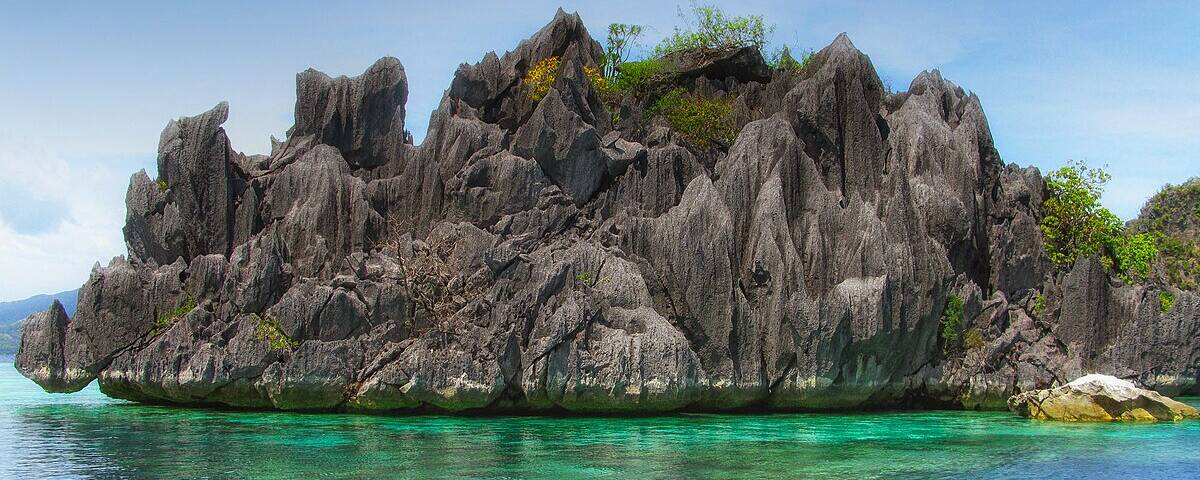
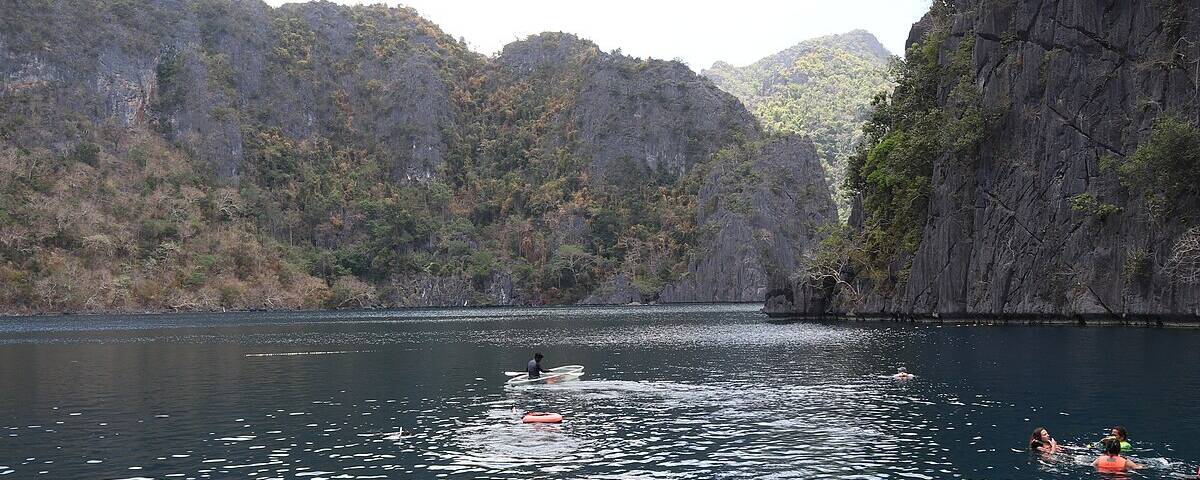
Barracuda Lake is the strangest dive in Coron, possibly the strangest dive in the Philippines, and nothing about wreck diving prepares you for it. This inland lake sits inside a ring of jagged limestone karst on Coron Island, accessible only by climbing a wooden staircase over the rock wall from the beach where the banca drops you off. On the surface, it looks like any other tropical lake. Underwater, it's a hot bath.
The lake's defining feature is its thermocline, or more accurately, its halocline. The upper 4 to 5 metres are freshwater at a comfortable 28 degrees. Below that, saltwater seeps in from underground connections to the sea, and the temperature climbs sharply. By 14 metres, the water temperature reaches 36 to 38 degrees Celsius. That's hotter than most swimming pools. The transition between layers is visually dramatic: the halocline creates a shimmering, blurry interface that distorts everything viewed through it, like looking through heat haze rising off tarmac.
The name comes from a large barracuda that apparently lived in the lake for years, though sightings of the namesake fish have become unreliable. What you will see is an otherworldly landscape of limestone boulders and rock formations that have been shaped by both freshwater dissolution and saltwater erosion, creating forms that don't exist on any reef.
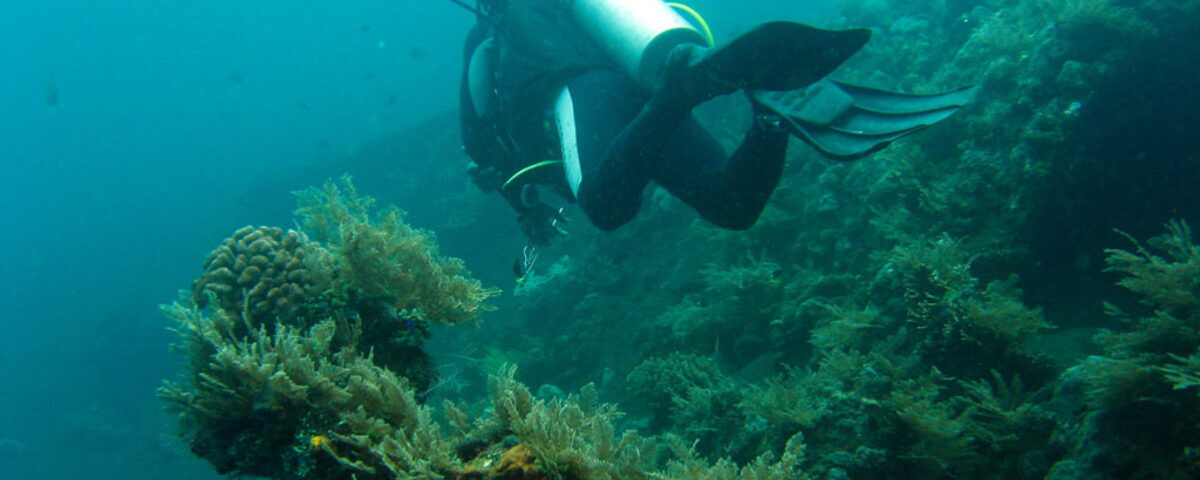
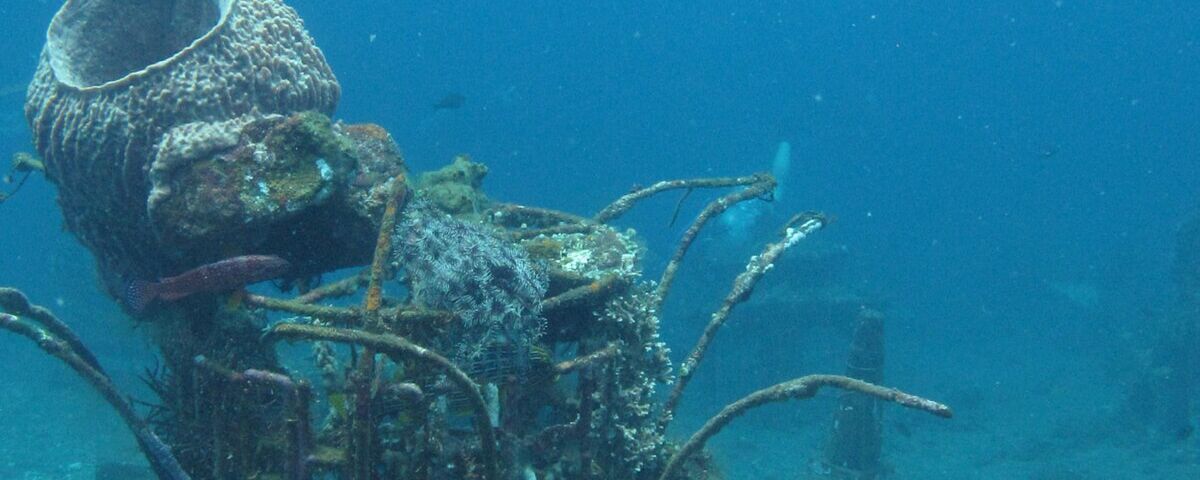
The diving experience is unlike anything else. You descend through comfortable freshwater into increasingly warm saltwater, surrounded by pale limestone formations in crystal-clear water. There are no corals. Barely any fish. The landscape is stark, almost lunar, with smooth rock surfaces and dark fissures dropping away into the depths. The warmth is initially pleasant and gradually becomes uncomfortable, and managing your exposure to the hot water becomes the main physical challenge of the dive.
Barracuda Lake is often scheduled as the third dive of a Coron day trip, an unusual inland experience to break up the wreck diving. It works well in this role because the no-current, no-marine-life nature of the dive provides a total contrast. It's also the one Coron dive that's genuinely enjoyable for non-divers doing Discover Scuba programmes, since the calm, warm, clear water eliminates most of the anxieties that ocean diving can trigger.
The depth reaches about 35 metres at the lake's deepest point, though most recreational divers stay above 25 metres. The visibility in the lower saline layer can exceed 30 metres, which is better than the ocean wrecks manage on their best days.
Marine Life at Barracuda Lake
Limestone formations are the visual draw. Smooth, pale boulders lie scattered across the lake bottom, their surfaces worn by the dual action of fresh and saltwater. Crevices between the rocks drop away into darkness, and the rock faces show layered erosion patterns that reveal the geological history of the lake's formation.
The halocline itself is the main attraction. At around 14 metres, the interface between freshwater and saltwater creates a visible distortion layer that ripples and shimmers as you move through it. Hand movements create swirling patterns in the density boundary. Photographers shoot through the halocline to capture the surreal blurring effect, and wide-angle compositions with divers silhouetted above the distortion layer are a Barracuda Lake signature shot.
Marine life is minimal. The saltwater layer hosts some small shrimp and the occasional catfish or freshwater species in the upper layer. This is not a dive you choose for wildlife encounters. The rare sighting of the lake's namesake barracuda (or any large fish) is a talking point precisely because it's so unusual.
The rock formations below the halocline take on an ethereal quality in the clear, warm water. The lack of particulate matter means visibility is exceptional, and the pale limestone against the deep blue water creates a monochromatic aesthetic that's completely different from the colourful wrecks and reefs elsewhere in Coron.
The deeper sections (below 20 metres) feature larger rock structures and deeper fissures. The temperature at these depths can reach 38 degrees, which is physically uncomfortable for extended periods. Most divers make a brief excursion to experience the maximum warmth before ascending to the more comfortable thermocline zone.
During the ascent, passing back through the halocline from hot to cool water produces a physical sensation that most divers remember vividly. The temperature drop is abrupt and surprisingly refreshing after the hot lower layer.
Dive Conditions
Barracuda Lake has no current whatsoever. The enclosed nature of the lake eliminates tidal influence, wind-driven current, and wave action. This makes buoyancy the only physical skill demanded of divers, which is why it works so well for beginners.
The temperature profile is the defining condition. Surface to 4 metres: freshwater at approximately 28 degrees. From 4 to 14 metres: a transition zone where temperature gradually increases. Below 14 metres: saltwater at 36 to 38 degrees. This hot water affects air consumption (you breathe faster in hot water) and can cause discomfort during extended exposure. Some divers report mild lightheadedness in the hot zone.
Visibility is typically excellent at 10 to 30 metres. The upper freshwater layer can be slightly murkier, particularly when multiple dive groups have stirred up the shallow sediment. The saltwater layer below is remarkably clear.
The halocline creates buoyancy changes. The denser saltwater below provides more buoyancy than the freshwater above, so divers transitioning through the halocline need to adjust their weighting. It's a useful buoyancy lesson for newer divers.
Access requires climbing a wooden staircase over the karst rock wall from the beach. This is mildly strenuous with full dive gear. Most operators have their staff carry tanks over the wall, with divers climbing in just their exposure suit and personal gear.
The dive is suitable for all certification levels, including introductory dives. There are no overhead environments, no current, no marine life hazards, and the calm conditions eliminate most risk factors. The only caution is the hot water at depth, which requires monitoring your comfort level and ascending when the heat becomes unpleasant.
⚓ Divemaster Notes
Barracuda Lake is where I take people who say they don't like diving. No current, no scary marine life, warm water, crystal visibility. It strips away every excuse and replaces them with pure underwater experience. I've seen non-divers fall in love with the sport at this site.
The thermocline is the show. I brief everyone to descend slowly through the halocline at 14 metres and pay attention to the visual distortion and temperature change. It's a sensory experience that no amount of description prepares you for. First-timers usually pause at the boundary, looking at their shimmering hands, genuinely amazed.
Watch your divers' comfort in the hot water. Some people love it. Others find 36 degrees oppressive after a few minutes and need to ascend. I always tell the group: if you're uncomfortable, go up. There's no shame in spending the whole dive above the thermocline where it's cooler.
Buoyancy through the halocline is the technical challenge. The density change is significant enough that divers who are neutrally buoyant in the freshwater layer become positively buoyant when they hit the saltwater. I tell everyone to add a small amount of air to their BCD before descending through, then vent it once they're in the saltwater layer. Otherwise, they bob like a cork at the boundary.
Photography here is about the environment, not wildlife. Wide-angle lenses capture the surreal rock formations and the halocline distortion. Shoot upward through the halocline with a diver silhouetted against the bright surface for the classic Barracuda Lake composition. Strobes are less useful here since the ambient light is strong and there's nothing colourful to illuminate.
The climb over the karst wall is the worst part. In full exposure suit and personal gear, it's hot and mildly exhausting. I always schedule Barracuda Lake as a later dive in the day, so the morning has been spent in the cooler ocean water.
How to Get to Barracuda Lake
Barracuda Lake is on Coron Island itself (not Busuanga Island where the town is located). The banca ride from Coron town takes about 20 minutes, landing at a small beach at the base of the karst wall. From there, a wooden staircase leads up and over the rock wall to the lake shore. The climb takes about 5 minutes.
Coron town is the base, reached via Busuanga Airport with flights from Manila. Barracuda Lake requires a separate Coron Island environmental fee (in addition to standard dive fees), as the island is ancestral land managed by the local Tagbanua people. Your operator will arrange this.
The lake is diveable year-round since its enclosed nature means it's unaffected by monsoon seasons. It's equally good in wet or dry season, making it a reliable backup plan when ocean conditions are poor.
Gear Recommendations
Minimal gear needed. A 1mm or 2mm shorty is plenty; some divers go in just rash guards. The water is already hot, so heavy thermal protection is counterproductive. Mask, fins, BCD, and regulator are all you need. Torch optional for peering into crevices. Wide-angle lens for the environment shots. No SMB needed in a lake. Standard weighting may need adjustment for the buoyancy change at the halocline.
Recommended Dive Operators
Any Coron dive operator includes Barracuda Lake on their standard offerings. D'Divers Coron, Coron Divers, Sea Dive Resort, and Pirate Divers Coron all run regular trips. For the best experience, choose an operator that schedules the lake dive when fewer groups are present (early morning or late afternoon), as the small lake can feel crowded with multiple groups.
Liveaboard Options
Barracuda Lake is exclusively a day-trip dive from Coron town. No liveaboards anchor at the lake itself (it's an enclosed inland body of water). Liveaboards docked in Coron Bay include it on their itineraries as a land-based excursion, typically scheduling the banca transfer during a rest day between wreck dive days.