East Tangat Gunboat Dive Site
Coron (Palawan), Philippines · Near Coron Town
Overview
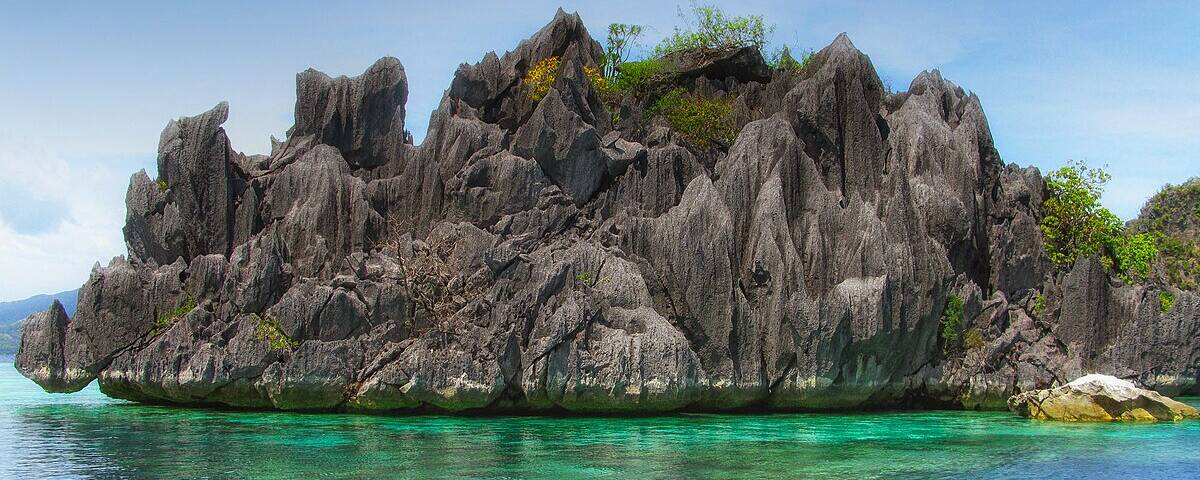
The East Tangat Gunboat is Coron's beginner-friendly wreck, a small Japanese patrol vessel that rests at the base of Tangat Island in water shallow enough for snorkellers to appreciate and calm enough for newly certified divers to explore with confidence. At just 5 to 22 metres depth with typically mild current, this is where Coron's wreck diving story begins for most visitors.
The vessel is small compared to the cargo ships and tankers that dominate Coron's wreck diving reputation. She's roughly 30 to 40 metres in length, a patrol or gunboat class vessel that the Japanese used for coastal defence. The shallow resting depth and proximity to the island suggest she was scuttled rather than sunk by bombing, with the crew going ashore before she settled on the sand. Salvagers have stripped her of anything valuable over the decades, but the hull structure and superstructure remain sufficiently intact to provide a genuine wreck diving experience.
What the East Tangat Gunboat lacks in dramatic scale, it compensates for with accessibility. The shallowest sections of the wreck sit at just 5 metres, with the superstructure and deck level between 8 and 15 metres. Even the deepest points around the hull base reach only 22 metres. This means Open Water divers have full access to the entire wreck without pushing any certification limits.
The wreck sits on a sandy slope adjacent to a reef, and most operators combine it with the Ekkai Maru on the same trip. The two wrecks represent opposite ends of the Coron experience: the gunboat for an easy introduction, the Ekkai for intermediate progression. Together, they make a satisfying half-day of wreck diving.
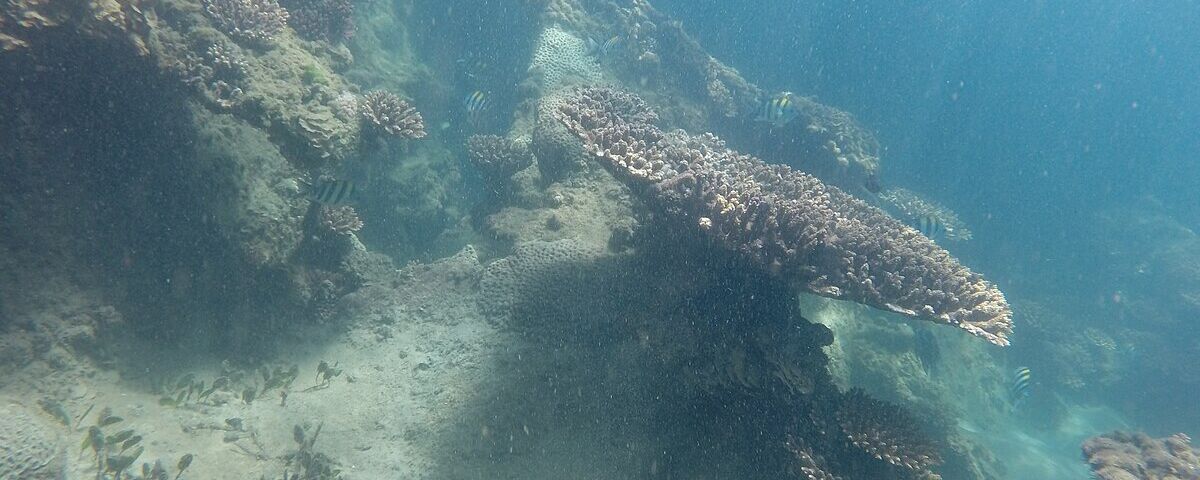
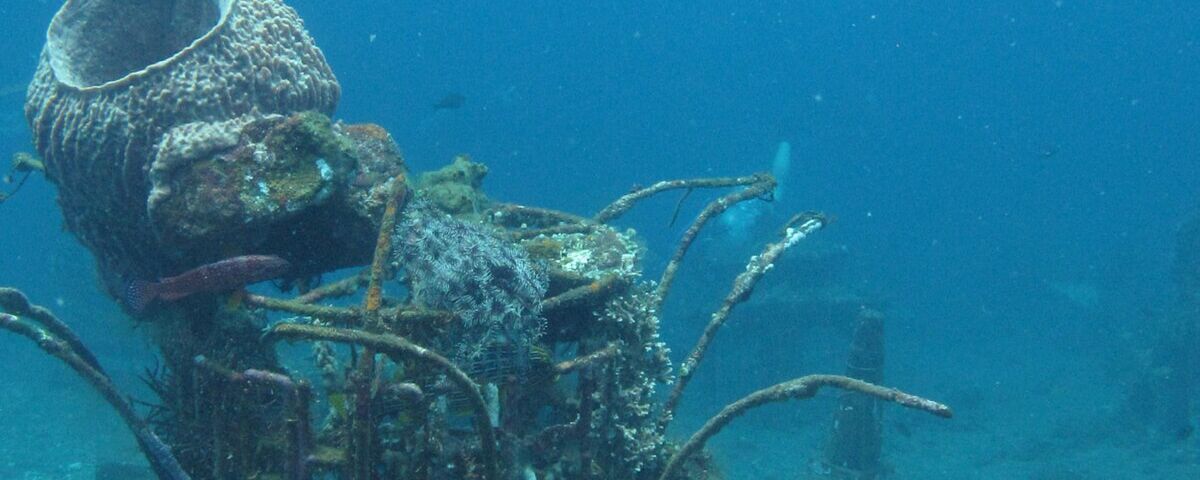
Coral growth has been generous. The hull and superstructure support healthy communities of hard and soft coral, and the surrounding reef connects seamlessly with the wreck. The boundary between artificial reef and natural reef has blurred over 80 years, creating a habitat that functions as a single ecosystem.
The site's limitation is its size. You can swim the entire wreck in 15 to 20 minutes, and there's limited penetration opportunity. Most divers combine the wreck exploration with reef diving on the adjacent wall, which extends the dive to a comfortable 45 to 60 minutes.
Marine Life at East Tangat Gunboat
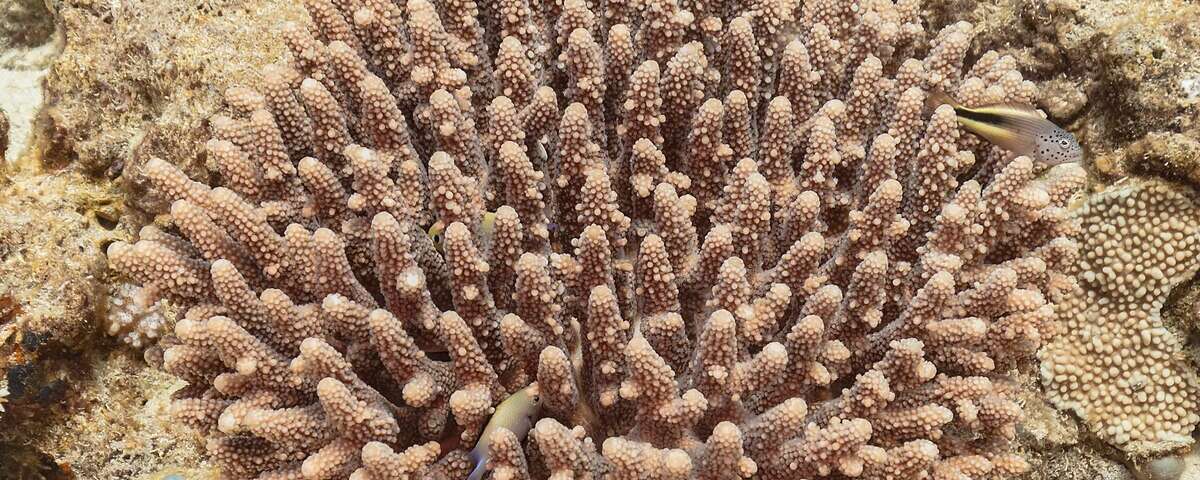
The wreck's superstructure hosts colonies of soft coral that open in even mild current, creating colourful displays against the dark steel. Hard corals have established on the flatter hull sections, and the transition zone between wreck and natural reef supports particularly dense fish life.
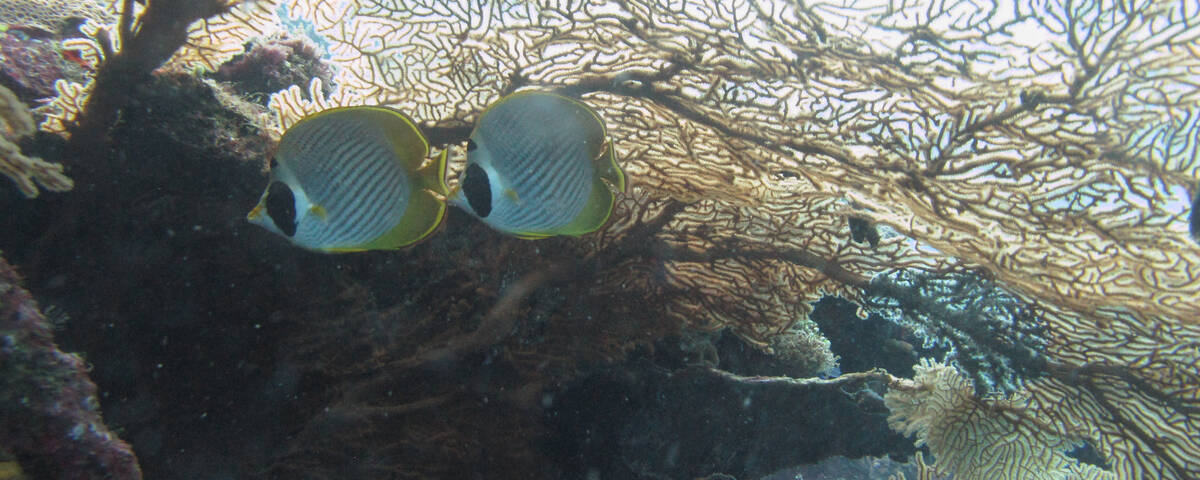
Schools of fusilier and surgeonfish stream between the wreck and the adjacent reef, using the structure as a waypoint on their daily movements. Damselfish defend coral territories on the hull with the same aggression they'd show on a natural reef. Butterflyfish in pairs work the coral surfaces methodically.
The wreck's crevices and internal spaces shelter a community of smaller residents. Moray eels peer from the gaps between plates and structural members. Shrimp occupy the darker recesses. Lionfish hover near the structural openings, their fins spread in characteristic ambush posture.
The sandy slope around the wreck provides additional subjects. Blue-spotted stingrays rest in the open, and the occasional cuttlefish hunts across the substrate. The reef adjacent to the wreck supports healthy coral growth with the standard Visayan complement of reef fish species.
Turtles are regular visitors, particularly green turtles that graze on the algae growing on the hull's upper surfaces. The shallow depth means encounters happen in bright, well-lit water that's ideal for photography. Hawksbill turtles are less common but appear occasionally around the reef sections.
For macro enthusiasts, the wreck's surfaces host nudibranchs, flatworms, and commensal shrimp that reward patient searching. The diversity isn't on par with dedicated macro sites like Anilao's Secret Bay, but the combination of wreck structure and macro subjects creates photographic opportunities that pure reef or pure muck sites don't offer.
The wreck's accessibility means it receives consistent light throughout the day, which promotes algae and coral growth that wouldn't survive on the deeper, darker wrecks. This light advantage creates a visually brighter, more colourful wreck environment compared to the 30-metre wrecks elsewhere in the bay. The greens and browns of the algae mix with the oranges and purples of the coral to produce a palette unique among Coron's diving attractions.
Hermit crabs populate the wreck in surprising numbers, moving across the hull in their borrowed shells. The larger specimens carry impressive shells that contrast with the industrial steel surface they traverse.
Dive Conditions
The East Tangat Gunboat occupies one of the calmest dive positions in Coron Bay. Tangat Island provides natural shelter from wind and wave action, and the current is typically mild throughout the tidal cycle. The shallow depth means surface conditions translate directly to bottom conditions, so if the surface is calm, the dive will be comfortable.
Visibility ranges from 8 to 18 metres, following Coron Bay's general patterns. The sandy slope can reduce clarity when disturbed, but the wreck's proximity to the reef (where the bottom is coral rubble rather than sand) means that staying near the structure usually provides better visibility than hovering over open sand.
Water temperature is 26 to 30 degrees year-round. The shallow depth means the full dive is warm and comfortable in a 3mm wetsuit, with no thermocline effects.
The dive profile barely taxes no-decompression limits. At an average depth of 10 to 12 metres, bottom time is essentially unlimited by gas physics (your air supply will run out long before your no-deco time). This makes the site perfect for extended exploration, photography sessions, and training dives.
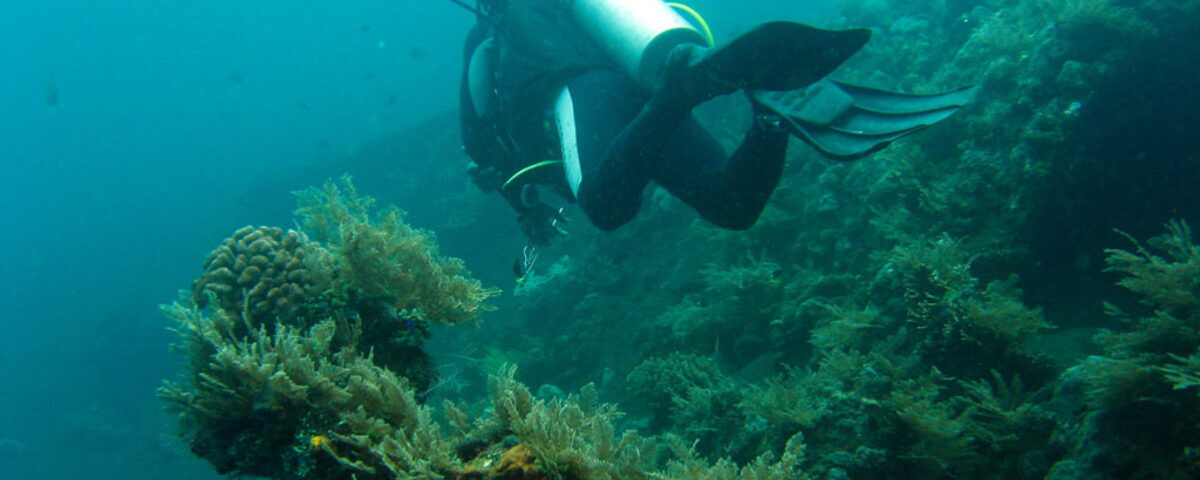
Entry is by banca, with a short swim to the wreck from the mooring point. Some operators also offer shore entry from Tangat Island itself, though boat entry is more common. The dive follows the wreck's perimeter, then extends onto the adjacent reef for the second half.
This site is genuinely suitable for all certification levels, including Open Water divers on their first post-certification dive. Discover Scuba Diving introductory dives are also conducted here at some operators.
⚓ Divemaster Notes
The East Tangat Gunboat is my skills assessment site. Before I take anyone to the deeper wrecks, I bring them here to watch their buoyancy, their air consumption, and their comfort level around metal structure. If someone can't manage their fins at 10 metres, I'm not taking them into the engine room of the Olympia Maru at 30.
The wreck itself takes about 15 to 20 minutes to explore thoroughly. After that, I run the group along the adjacent reef towards the deeper sections of the Tangat Island wall, which keeps the dive interesting for a full 45 to 60 minutes. The wall drops to well beyond recreational limits, so there's no shortage of reef to cover.
For night dives, the East Tangat Gunboat transforms. The wreck structure becomes a beacon for nocturnal predators, with hunting lionfish, foraging crabs, and sleeping parrotfish in their mucus cocoons. Several Coron operators offer night wreck dives here, and it's one of the more accessible night dive options in the bay.
Snorkelling the wreck is genuinely rewarding when conditions are right. The superstructure at 5 metres is visible from the surface on clear days, and the fish life around the upper hull is dense enough to make the snorkelling experience worthwhile. I recommend it for non-diving partners of wreck diving enthusiasts.
The one limitation: salvage damage. The wreck has been stripped of most removable items over the decades, and some hull sections show the rough marks of past salvage operations. This gives the wreck a more degraded appearance than the larger, deeper wrecks that have been left more intact.
How to Get to East Tangat Gunboat
The East Tangat Gunboat lies close to Tangat Island in Coron Bay, roughly 30 to 40 minutes by banca from Coron town. It shares the general area with the Ekkai Maru, making it a natural pairing.
Coron town is the access point, reached via Busuanga Airport with Manila flights (1 hour). Standard season runs November to May, with year-round diving available for the sheltered bay sites.
Most operators include this wreck as an introductory or warm-up dive, either at the start of a wreck diving day or as an afternoon dive after more demanding morning wrecks.
Gear Recommendations
Standard tropical setup with 3mm wetsuit. Torch optional for daytime (the wreck is well-lit by ambient light) but recommended for peering into crevices. Camera with either macro or wide-angle depending on your preference. No SMB needed for the shallow depth, though carrying one is good practice. Nitrox not necessary given the shallow profile.
Recommended Dive Operators
Any established Coron dive operator runs the East Tangat Gunboat competently, as the shallow, calm conditions minimise guiding challenges. D'Divers Coron, Coron Divers, Sea Dive Resort, and Pirate Divers Coron all include it on their schedules. For training dives, check which operators offer wreck speciality courses using this site as the practical component.
Liveaboard Options
The East Tangat Gunboat is dived from day boats based in Coron town. Liveaboards passing through Coron typically prioritise the deeper, more dramatic wrecks (Irako, Akitsushima, Kogyo Maru) and may skip the gunboat unless the itinerary specifically includes beginner-oriented dives.