Ekkai Maru Dive Site
Coron (Palawan), Philippines · Near Coron Town
Overview
The Ekkai Maru lies on her starboard side in Coron Bay, a roughly 100-metre cargo vessel that the Imperial Japanese Navy seized in Shanghai in 1941. She spent two years hauling supplies across the Pacific before US carrier planes found the Japanese fleet sheltering in Coron Bay on 24 September 1944. That single day of bombing created what is now one of the best wreck diving concentrations in Southeast Asia.
What makes the Ekkai Maru worth singling out from Coron's wreck collection is her accessibility. The top of the hull sits at about 14 metres, with the seabed at 26 metres. That puts the entire wreck within comfortable recreational limits, no deep specialties required. Open Water divers with a bit of experience can explore the exterior comfortably, while Advanced divers can poke into the cargo holds and peer through the open sections of the superstructure.
The wreck rests close to Tangat Island, sharing the general area with the East Tangat Gunboat. Most operators pair the two on a single trip, which makes for a solid morning of wreck diving at beginner-friendly depths. The boat ride from Coron town takes about 30 to 40 minutes depending on conditions.
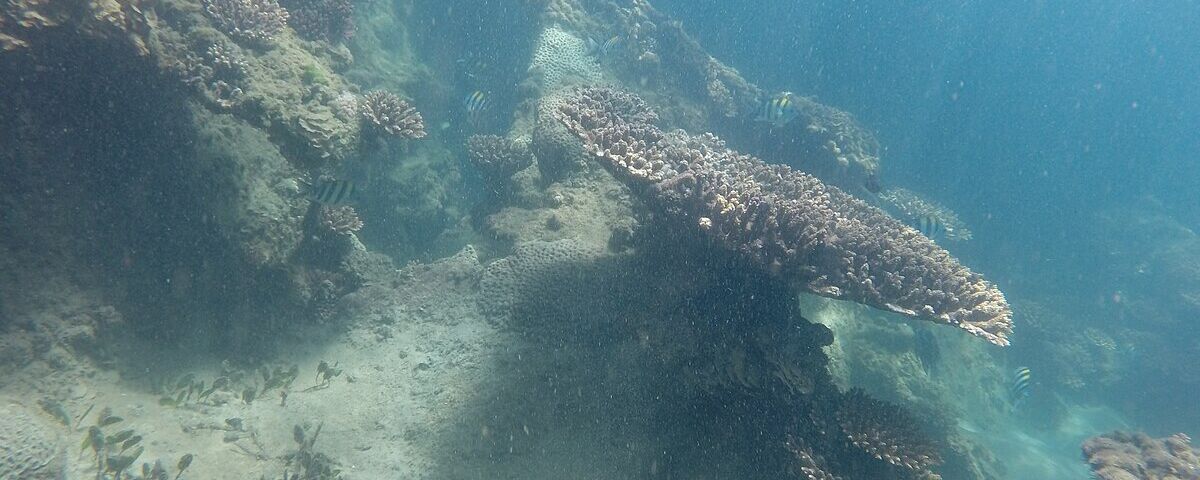
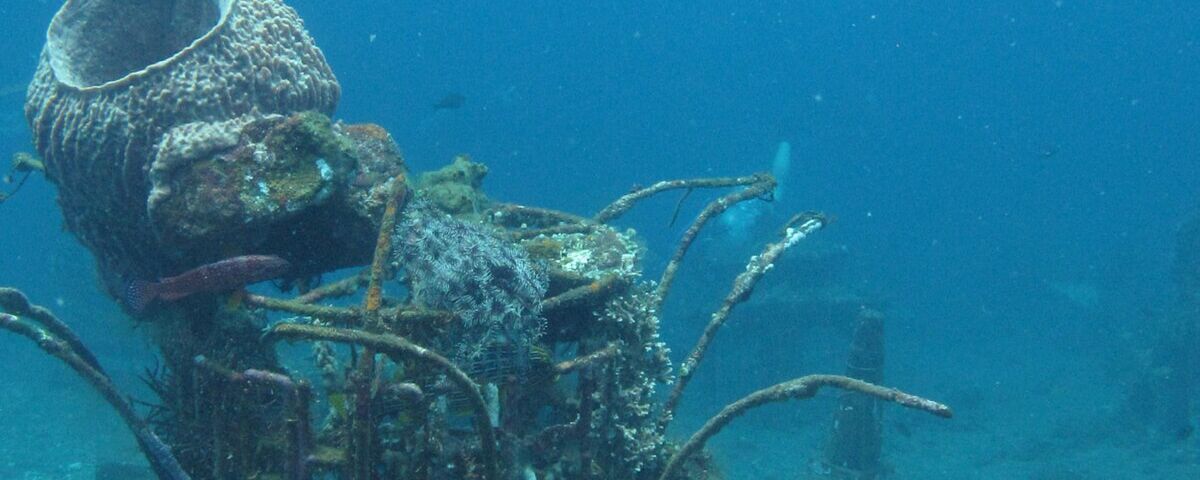
Seventy years of immersion have transformed the Ekkai Maru into something between a shipwreck and a reef. Hard and soft corals blanket the exposed hull sections, turning the steel structure into a living surface. Sponges fill the gaps between coral colonies, and the colour along the upper hull is genuinely impressive for a wreck that doesn't get the same attention as the Irako or Akitsushima.
The wreck's four cargo holds are the main penetration points. They're large, well-lit from above, and don't require technical training to enter safely with a guide. Inside, you can still see remnants of the ship's cargo, machinery, and structural elements that give a sense of the vessel's working life before the war ended it.
One honest limitation: the Ekkai Maru doesn't have the dramatic profile of the upright wrecks like the Kogyo Maru. Lying on her side means the spatial orientation feels different, which some divers find disorienting on their first side-lying wreck. It also means the coral growth is concentrated on the exposed port side, while the starboard side pressed into the sand is less photogenic.
Marine Life at Ekkai Maru
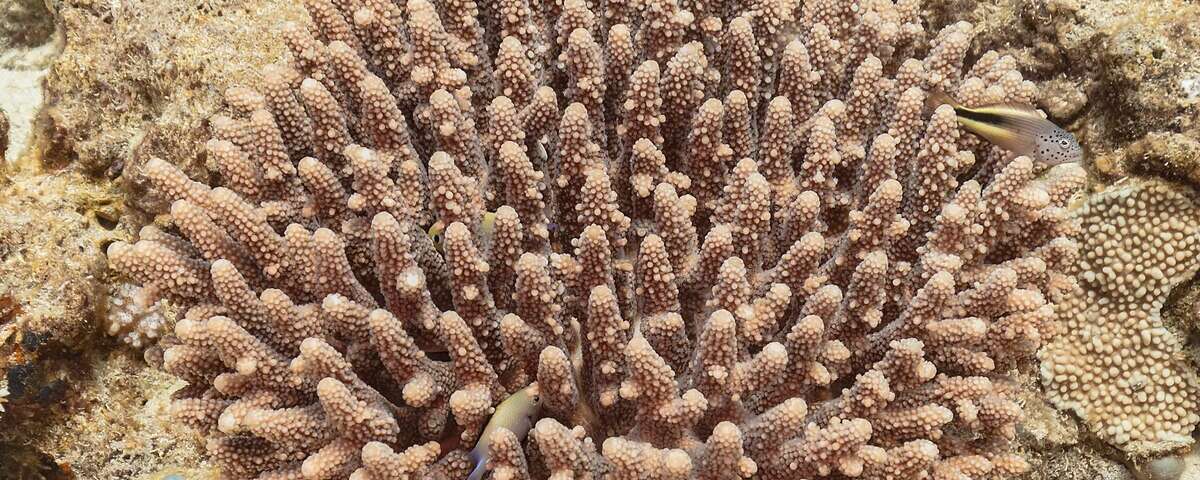
The hull's exposed surfaces host dense coral communities that have had decades to establish themselves. Hard corals dominate the upper sections where light penetrates well, while soft corals and sponges fill the shadowed areas beneath overhangs and around the superstructure. The colour palette runs from bright yellows and oranges to deep purples, particularly vivid under torch light.
Lionfish are the wreck's most visible residents. They congregate around the cargo hold entrances and beneath structural overhangs, sometimes half a dozen in a single frame. Scorpionfish blend into the coral-encrusted surfaces, and you'll walk past several before your guide points one out. Batfish school in loose groups around the upper hull, hanging motionless in the water column until approached.
Inside the cargo holds, the darkness shelters different species. Soldierfish and squirrelfish crowd the corners, their large eyes adapted to the low light. Shrimp and crabs inhabit the metal surfaces, and the occasional moray eel threads through gaps in the structure. Torchlight reveals the detail: corroded machinery, the ribbing of the hull, and the slow process of the sea reclaiming steel.
Barracuda circle the wreck in small schools, particularly over the upper hull. They're not the massive chevron barracuda you'd find at a pelagic site, but the juvenile and sub-adult yellowtail barracuda that favour wreck environments. Sweetlips shelter beneath the hull, and groupers of various sizes occupy the crevices.
The sand around the wreck base is worth scanning. Blue-spotted stingrays rest on the seabed, garden eels sway in patches at the wreck's periphery, and the occasional cuttlefish hunts across the sandy gaps between the wreck and the reef. Nudibranchs are present on the coral surfaces, particularly the larger chromodoris species that Anilao-trained macro photographers will recognise.
Visibility varies with the tides. On a good day, 15 to 20 metres lets you see the wreck's full profile from a distance. On incoming tides when the bay flushes, particulate matter can drop visibility to 8 metres, which makes the wreck feel more atmospheric but limits photography options.
Dive Conditions
The Ekkai Maru sits in Coron Bay's relatively sheltered waters, which means conditions are generally forgiving. Current ranges from mild to moderate and follows the tidal cycle. Slack water produces the best visibility, while tidal changes stir up particulate matter from the sandy bottom.
Visibility ranges from 8 to 20 metres. The bay's silty bottom is the main limiting factor; fin kicks near the seabed immediately reduce visibility, which matters both around and inside the wreck. Good buoyancy control isn't optional here, it's the difference between a clear dive and swimming through soup.
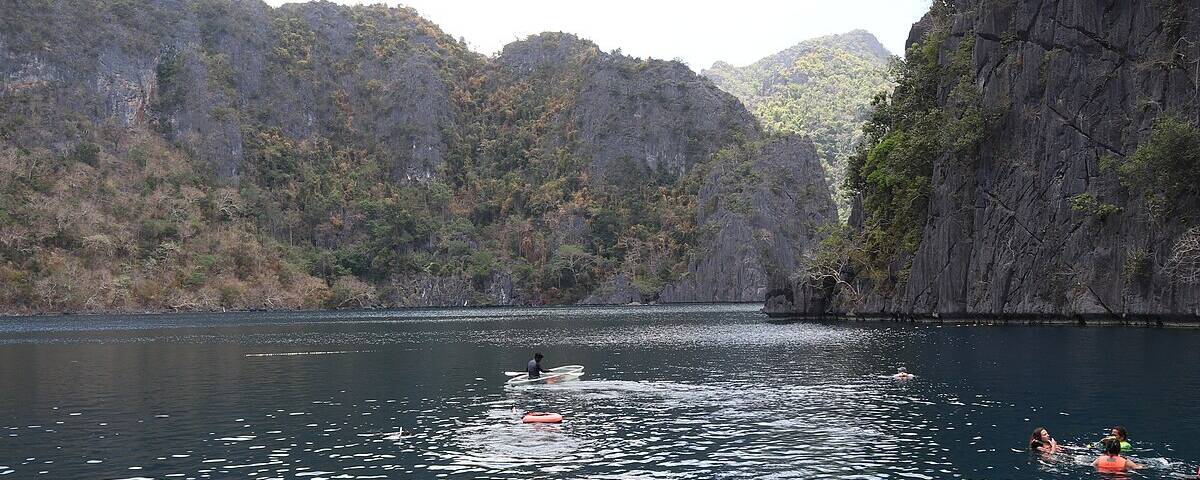
Water temperature holds between 26 and 30 degrees year-round, with the warmer months (March to May) at the upper end. A 3mm wetsuit is standard. The thermocline that makes Barracuda Lake famous doesn't affect the bay wrecks, so temperature is consistent throughout the dive.
The wreck's orientation on her starboard side creates a dive profile that starts shallow (14 metres at the exposed hull) and reaches the seabed at 26 metres. Most divers spend the majority of their time between 16 and 22 metres, where the cargo holds and superstructure offer the most to explore. Bottom time at these depths is generous on air, and Nitrox extends it further.
Entry is by banca (the local outrigger boat), with a giant stride into the water above the wreck. The mooring line drops you directly onto the hull, so there's minimal swimming to reach the site. The dive typically follows the wreck from bow to stern (or vice versa, depending on current direction), with optional cargo hold penetration along the way.
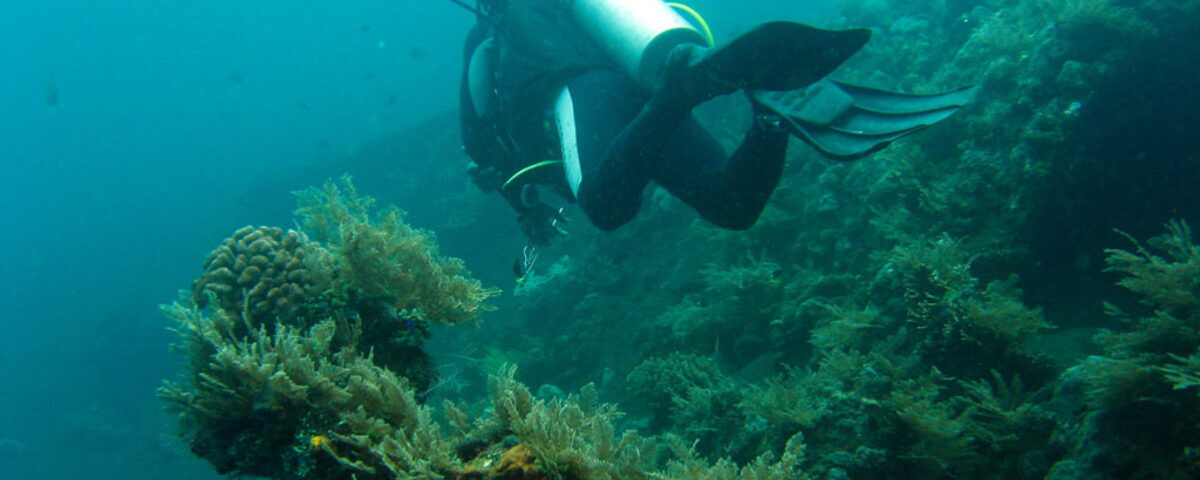
This site suits confident Open Water divers and above. The side-lying orientation can disorient new wreck divers, and the cargo hold penetration, while straightforward, does involve overhead environments. A torch is not optional for the interior sections.
⚓ Divemaster Notes
The Ekkai Maru is my warm-up wreck. I bring divers here before the deeper, more demanding wrecks because it teaches the skills they'll need: navigating a side-lying hull, managing buoyancy near silty surfaces, and getting comfortable with wreck penetration in a forgiving environment.
The cargo holds are the highlight. Enter from the top (which is actually the port side, since she's on her starboard), drop down into the hold, and you're surrounded by corroded steel and marine life. The light filtering in from above creates a cathedral effect that photographs beautifully. But keep your fins up. One careless kick and the silt turns the hold into a zero-vis nightmare.
I always run the dive against the current when possible, which means drifting back with it when the air runs low. Starting into the current means you're working hardest at the beginning when your air is full, and relaxing into the drift at the end when conservation matters.
The stern section has the most interesting structural features: the propeller area and rudder are accessible at the deepest part of the dive (around 26 metres). I take divers here first when the current is mild, then work back towards the bow at shallower depths. On days with stronger current, I skip the stern entirely and focus on the midship cargo holds.
For photographers, the lionfish clusters at the cargo hold entrances are reliable subjects. Wide-angle with a fisheye captures the wreck profile nicely when visibility cooperates. The interior shots need a good video light or powerful strobes to work in the low light.
One thing worth knowing: the Ekkai Maru gets less boat traffic than the Irako, Akitsushima, or Kogyo Maru. If you want a wreck to yourself on a busy day in Coron, this is often the one.
How to Get to Ekkai Maru
The Ekkai Maru lies in Coron Bay near Tangat Island, roughly 30 to 40 minutes by banca from Coron town. Most dive operators include it on their standard wreck diving itineraries, typically paired with the East Tangat Gunboat on the same morning.
Coron town on Busuanga Island is the base for all Coron wreck diving. Flights from Manila take about an hour (Cebu Pacific and Philippine Airlines both operate the route), landing at Busuanga Airport (USU). From the airport, it's a 30 to 40-minute van ride to Coron town. Direct flights from Cebu are also available seasonally.
Peak season runs from November to May, when the northeast monsoon brings calmer seas and better visibility. The southwest monsoon (June to October) can make the bay choppy and reduce visibility, though diving continues year-round for the sheltered wreck sites.
Park and conservation fees apply to diving in the Coron area. Most operators include these in their quoted prices, but confirm before booking. The fees support conservation of the wrecks and the surrounding marine environment.
Gear Recommendations
Standard tropical setup with 3mm wetsuit. Torch essential for cargo hold exploration and bringing out colours on the coral-encrusted hull. Wide-angle lens for wreck profile shots, macro for the critter life. SMB for safety stops. Nitrox recommended to extend bottom time at the 18 to 22-metre range where you'll spend most of the dive. Dive computer with air integration helps manage gas in the overhead sections.
Recommended Dive Operators
D'Divers Coron has been running wreck trips for years and their guides know every hatch and cargo hold on the bay wrecks. Coron Divers offers solid briefings with wreck diagrams that help first-time wreck divers orient themselves underwater. Sea Dive Resort combines comfortable accommodation with an in-house dive operation that keeps group sizes small. Pirate Divers Coron runs efficient multi-wreck day trips that maximise your time underwater.
Liveaboard Options
Most Coron diving is done from day boats based in Coron town rather than liveaboards. The wrecks are all within 30 to 60 minutes of the harbour, making land-based operations practical. However, liveaboards transiting through the Visayas and Palawan region do include Coron's wrecks on their itineraries. The Philippine Siren and Solitude One both run routes that incorporate Coron Bay alongside Tubbataha and Apo Reef, giving a broader Philippine diving experience. These trips typically spend two to three days on the Coron wrecks.