Morazan Maru Dive Site
Coron (Palawan), Philippines · Near Coron Town
Overview
The Morazan Maru is the wreck that underwater photographers in Coron talk about when the casual tourists have gone to bed. She's not the deepest, not the biggest, and not the most dramatic structurally. What she is, consistently, is the most photogenic wreck in the bay. The combination of black coral-framed portholes, dense marine life, and manageable depth has made this 111-metre auxiliary cargo vessel one of the most photographed wrecks in the Philippines.
She lies on her starboard side at a maximum depth of 25 metres, with the exposed port hull rising to just 12 to 16 metres. That shallow upper section means excellent ambient light for photography, long no-decompression limits, and comfortable conditions for divers at all levels. Open Water certified divers can explore the exterior extensively, and the shallow hull sections are accessible even to snorkellers when conditions are calm.
Like every other wreck in Coron Bay, the Morazan Maru went down on 24 September 1944 during the US Navy air raid. She was an auxiliary supply ship, believed to have been captured by the Japanese in Manila before being pressed into military service. The historical details are a bit hazy (records for captured merchant vessels are incomplete), but what matters to divers is the state of the wreck today.
The engine room is the signature dive on the Morazan Maru. The entrance is wide and well-lit, and the interior is spacious enough to navigate without claustrophobic compression. The machinery is still recognisable, and the silt management is easier here than in some of the tighter Coron wrecks. It's the engine room I recommend for divers doing their first ever wreck penetration.
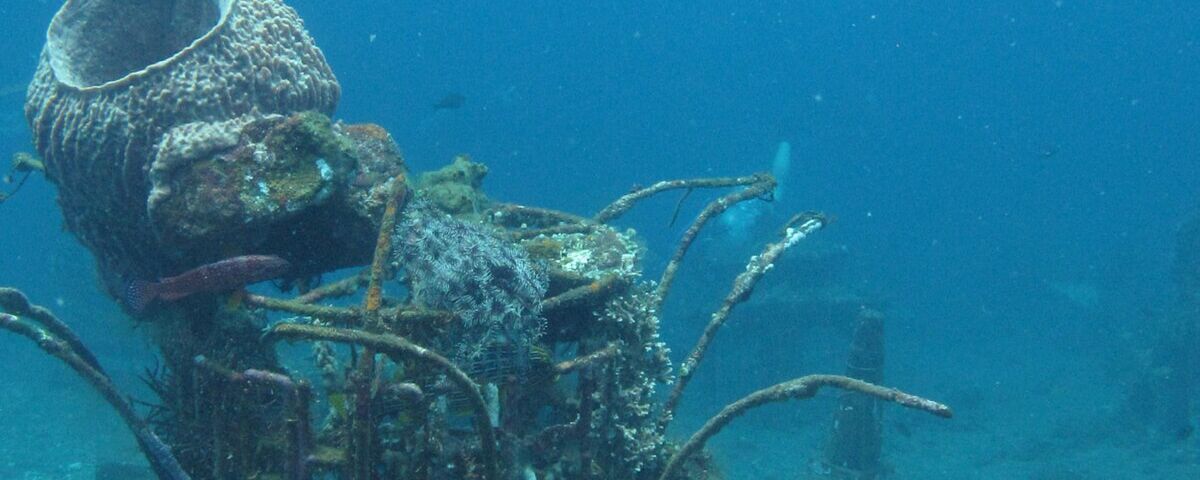
The portholes deserve their reputation. Black coral has grown around many of them, creating organic frames that look deliberate, as if someone designed the wreck as a photo set. Morning light filtering through the water illuminates these frames from behind, and the resulting images are genuinely striking.
The trade-off is visibility. The Morazan sits in a section of the bay where the sandy bottom is easily disturbed, and average visibility tends to run slightly lower than at the Olympia or Akitsushima. On a murky day, 8 metres is what you get. On a good day, 18 metres transforms the experience.
Marine Life at Morazan Maru
Black coral growth around the portholes is the signature feature. These organic frames create dramatic photographic compositions, particularly when backlit by ambient light from above. The contrast between the dark coral branches and the blue water visible through the portholes produces images that have become iconic representations of Coron diving.
Barracuda schools are a reliable presence around the Morazan Maru, often circling the upper hull in tight formations. Sweetlips gather beneath overhangs in groups of 10 to 20, and groupers occupy the larger structural crevices. Scorpionfish blend into the coral-covered hull surfaces with alarming effectiveness.
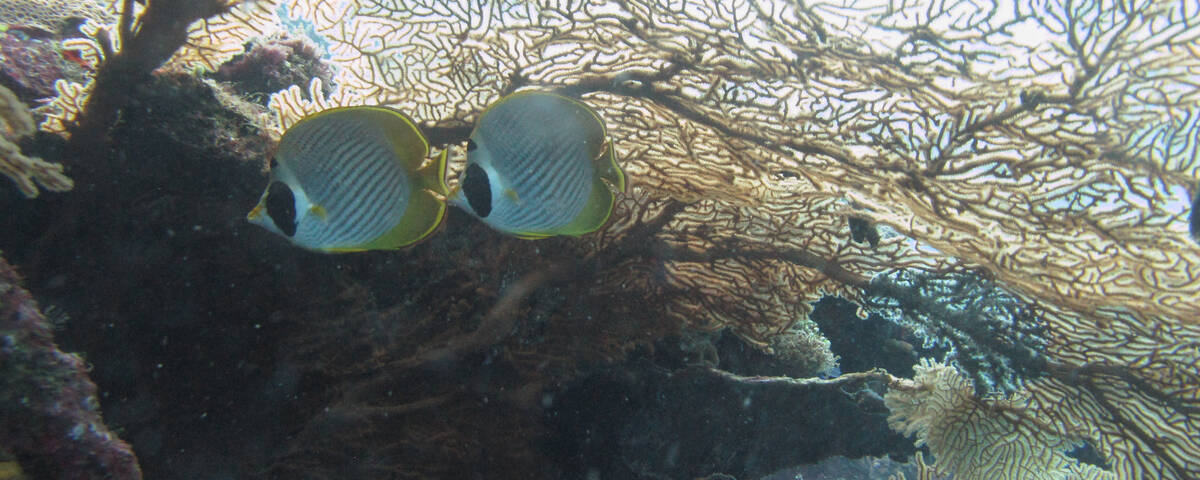
The wreck supports an impressive diversity of macro subjects. Nudibranchs are abundant across the coral-encrusted hull, with dozens of species documented by regular visitors. Squid gather near the wreck during breeding season, their iridescent bodies flashing communication patterns. Ghost pipefish have been reported along the coral fans growing from the hull.
Inside the engine room, the community shifts to darkness-adapted species. Soldierfish pack the corners, their red colouration vivid under torchlight. Large moray eels inhabit the machinery spaces, and shrimp of various species occupy the surfaces. The interior of the Morazan is particularly rich in invertebrate life, with crabs, tube worms, and colonial tunicates creating a secondary ecosystem on the steel.
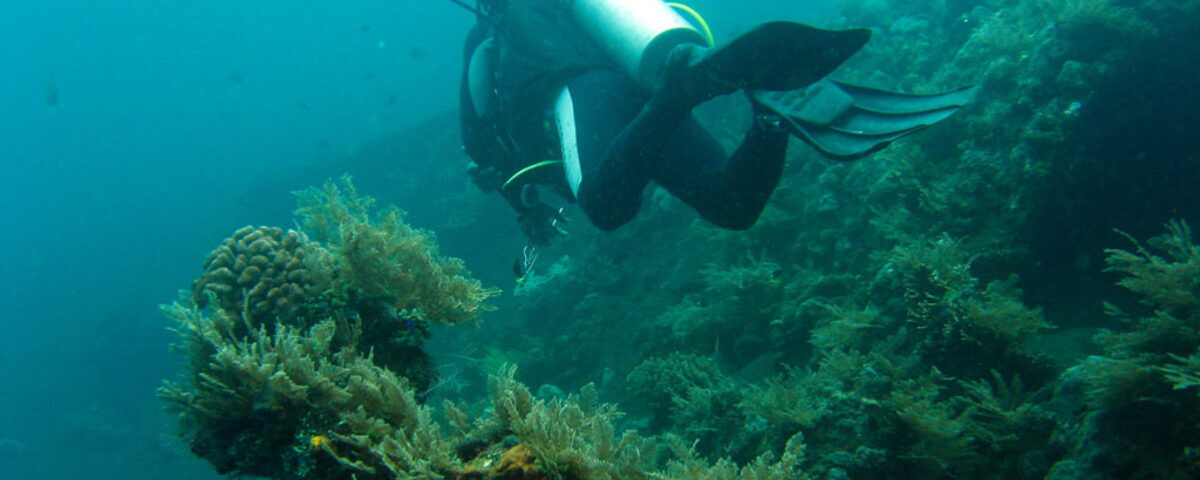
The surrounding sand hosts the usual Coron bay residents: blue-spotted stingrays, garden eels, and the occasional cuttlefish hunting across the substrate. The wreck's shadow creates a micro-habitat that concentrates fish activity on the upper side, making the exposed port hull one of the most productive areas for fish photography in the bay.
Lionfish patrol the cargo hold entrances and structural openings in numbers that would be unusual at a typical reef site. The wreck structure provides ideal ambush habitat for these predators, and their concentration here makes for reliable photographic subjects, particularly during the golden light of afternoon dives.
Dive Conditions
The Morazan Maru offers some of the most benign conditions of any Coron wreck. Current is typically mild, rarely exceeding a gentle drift. The site's position in the bay provides natural shelter from wind and wave action, making surface conditions comfortable even during weather transitions.
Visibility is the variable factor, ranging from 8 to 18 metres depending on tidal state and recent weather. The sandy bottom around the wreck is the main culprit; it stirs easily and settles slowly. Incoming tides tend to bring cleaner water from outside the bay, while outgoing tides flush silty bay water past the wreck.
Water temperature stays between 26 and 30 degrees throughout the year. A 3mm wetsuit is sufficient for all but the coldest months. The shallow depth profile (most diving between 12 and 22 metres) allows long dives with generous air reserves.
The side-lying orientation creates a dive that starts at the exposed hull (12 to 16 metres) and descends to the seabed at 25 metres. The engine room entrance is at about 20 metres, putting the penetration well within recreational limits. Bottom time at these depths is ample, and many divers log 50 to 60-minute dives here.
The Morazan Maru suits all certification levels for exterior exploration. The engine room and interior sections require Advanced Open Water or equivalent, plus wreck diving experience. A torch is essential for any interior exploration.
⚓ Divemaster Notes
The Morazan Maru is my photographer's wreck. When someone arrives in Coron with a camera housing and asks which wreck to prioritise, this is where I send them. The black coral portholes are predictable, accessible, and endlessly photogenic.
The morning light matters. I schedule the Morazan as a first dive on clear days because the sun angle between 8 and 10 AM creates the best backlighting through the portholes. Afternoon dives work too, but the light quality shifts and the silty water tends to be more stirred up by then.
For the engine room, I always go in current-aware. Even mild current pushes silt through the interior when the entrance faces into the flow. If the current is coming from the wrong direction, I adjust the penetration route or skip it entirely rather than fighting poor conditions.
The port side hull at 12 to 14 metres is a proper fish aggregation zone. I spend the last 15 minutes of every dive here, just hovering at the hull edge watching the sweetlips and barracuda. It's some of the most productive fish watching of any Coron wreck, and it happens at a depth where your air supply is barely affected.
One thing I tell every diver: the Morazan doesn't look like much from the surface. The water above her is often silty and uninspiring. Don't judge it by the descent. Once you're at wreck level, the coral and marine life reveal why this wreck has its reputation.
How to Get to Morazan Maru
The Morazan Maru is centrally located in Coron Bay, about 25 to 35 minutes by banca from Coron town. She sits relatively close to the Irako and Akitsushima wrecks, allowing operators to combine multiple sites efficiently.
Coron town is the diving hub, reached via Busuanga Airport with flights from Manila (1 hour) and seasonal Cebu connections. Peak season runs November to May, though diving is year-round.
Most operators include the Morazan Maru on their standard wreck itineraries. Given its photographic reputation, it pairs well with a morning schedule when the light is best for the porthole shots.
Accommodation in Coron town ranges from budget guesthouses to mid-range hotels, all within walking distance of the harbour where the dive boats depart. There are no luxury resorts comparable to what you'd find in Boracay or El Nido, but the accommodation is clean, functional, and significantly cheaper than the more tourist-developed destinations. Most dive operators can arrange airport pickup and accommodation packages.
The town itself is pleasant, with a walkable waterfront, several good restaurants, and an evening market that serves fresh seafood. After a day of wreck diving, the town's relaxed atmosphere provides a welcome contrast to the underwater intensity.
Gear Recommendations
3mm wetsuit. Torch essential for engine room and interior work. Camera strongly recommended, ideally with a macro setup for nudibranchs and a wide-angle for the porthole compositions. External focus light helps in the engine room. SMB for safety stops. Nitrox extends bottom time comfortably at the 18 to 22-metre engine room depth.
Recommended Dive Operators
D'Divers Coron has guides who know the Morazan's photo opportunities intimately and will position groups for the best porthole shots. Coron Divers provides good historical context in their briefings. Pirate Divers Coron offers efficient multi-wreck scheduling. Sea Dive Resort runs comfortable day trips with unhurried surface intervals.
Liveaboard Options
Day-boat operations from Coron town are the standard for the Morazan Maru and other bay wrecks. Liveaboard itineraries that include Coron (Philippine Siren, Solitude One, Discovery Palawan) allocate two to three days for the wreck sites, with the Morazan Maru reliably featured as a priority dive.
For divers on a dedicated wreck diving trip, spending three to five days based in Coron town provides access to all the major wrecks without the logistical overhead of a liveaboard.