Olympia Maru Dive Site
Coron (Palawan), Philippines · Near Coron Town
Overview
The Olympia Maru sits upright on the seabed near Sangat Island, one of the most popular wreck dives in Coron and arguably the best overall wreck experience for intermediate divers in the bay. She's a 122-metre cargo ship that went down on the same day as the rest of the Japanese fleet, 24 September 1944, when US Navy Task Force 38 launched a devastating raid on the supply vessels hiding in Coron Bay.
Sitting upright is what makes the Olympia Maru special. Unlike the side-lying wrecks that require mental gymnastics to navigate, the Olympia feels like boarding a ship that simply sank straight down. Corridors run horizontally, doorways are where you'd expect them, and the spatial logic of the vessel remains intact. For divers new to wreck penetration, this makes exploration far more intuitive.
The top deck sits between 18 and 22 metres, with the seabed at about 32 metres. The depth profile means Advanced Open Water certification is recommended, though experienced Open Water divers can explore the upper exterior sections comfortably. The engine room penetration and lower hold access push into the 28 to 32 metre range, which demands good air management and a reliable guide.
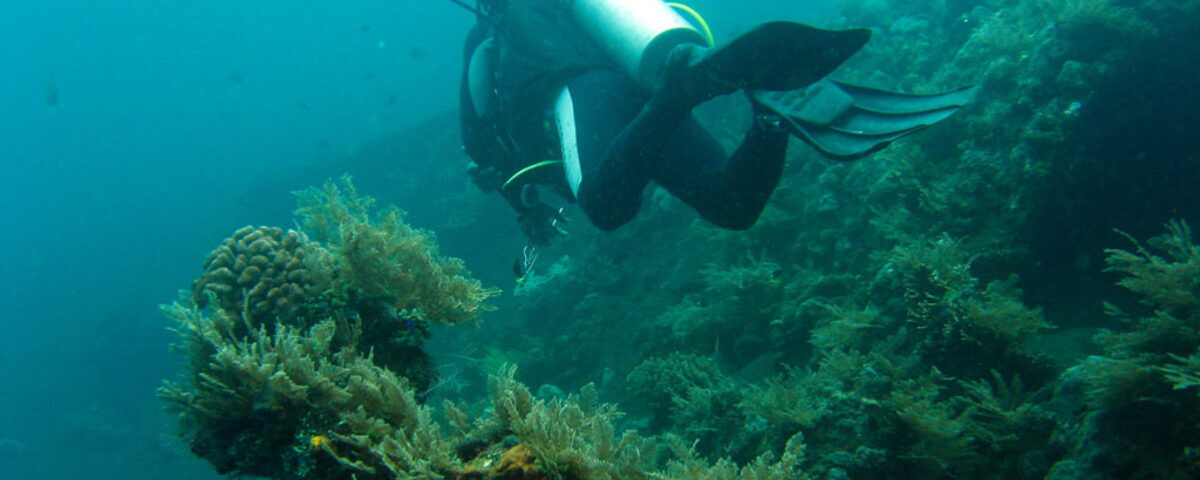
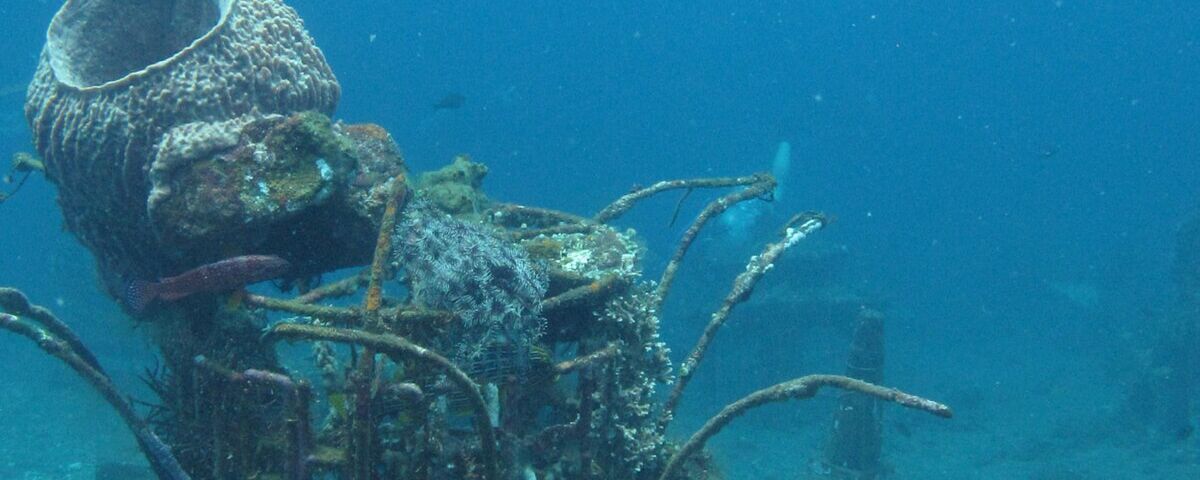
Decades of coral growth have transformed the wreck into a hybrid structure, part shipwreck, part artificial reef. The superstructure is draped in soft corals, particularly around the bridge area and mast structure. Ghost pipefish, seahorses, and nudibranchs have been documented on the wreck's surfaces, making it a surprisingly productive macro site for a wreck dive.
The engine room is the Olympia Maru's centrepiece. It's one of the most accessible engine room penetrations in Coron, with a wide entrance, reasonable light levels, and enough space to navigate without brushing against the corroded structure. The machinery inside is still recognisable: engine blocks, pipes, gauges, and the mechanical bones of a vessel built in the 1930s.
The wreck's position near Sangat Island means it's often the first dive of the day for operators running multi-wreck itineraries. The sheltered waters around the island provide calm surface conditions even during the monsoon transition periods.
Marine Life at Olympia Maru
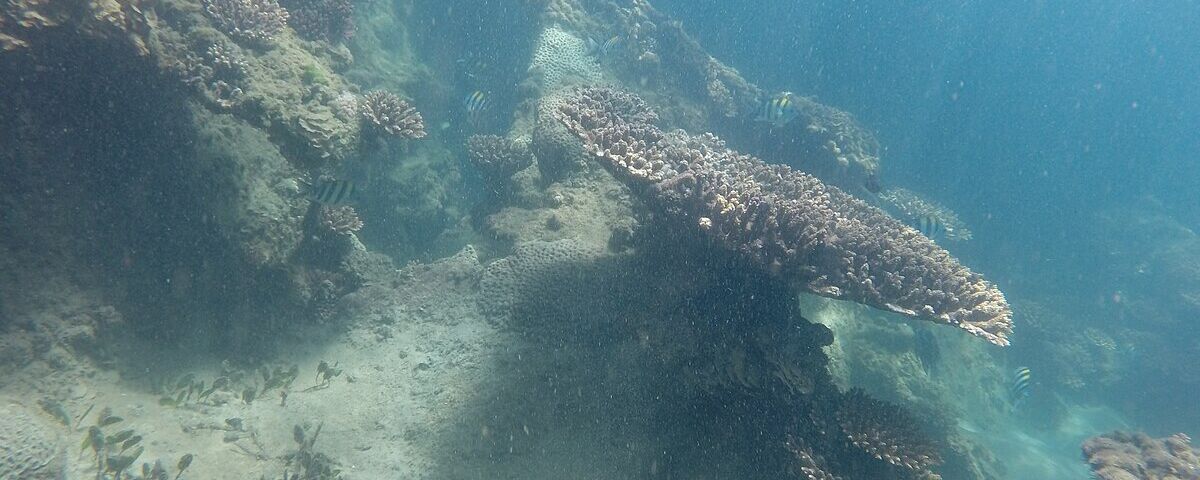
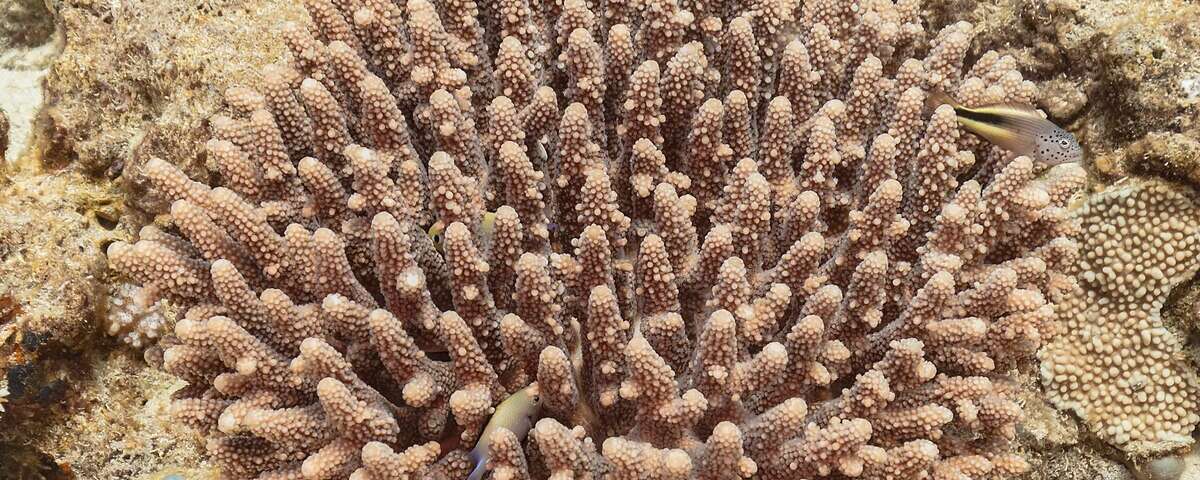
Coral growth on the Olympia Maru is among the best of any Coron wreck. The upper deck and superstructure are covered in soft corals that open in the current, creating colourful patches of purple, pink, and orange against the dark steel. Hard coral colonies have established themselves on the flatter surfaces, while sponges and tunicates fill the gaps. Under torchlight, the colour on this wreck is exceptional.
The wreck attracts a strong resident fish community. Schools of sweetlips shelter beneath overhangs, their spotted patterns camouflaging against the mottled hull. Groupers of various sizes occupy the larger crevices, and lionfish patrol the edges of structural openings. Batfish drift in groups around the mast area, often at eye level during safety stops.
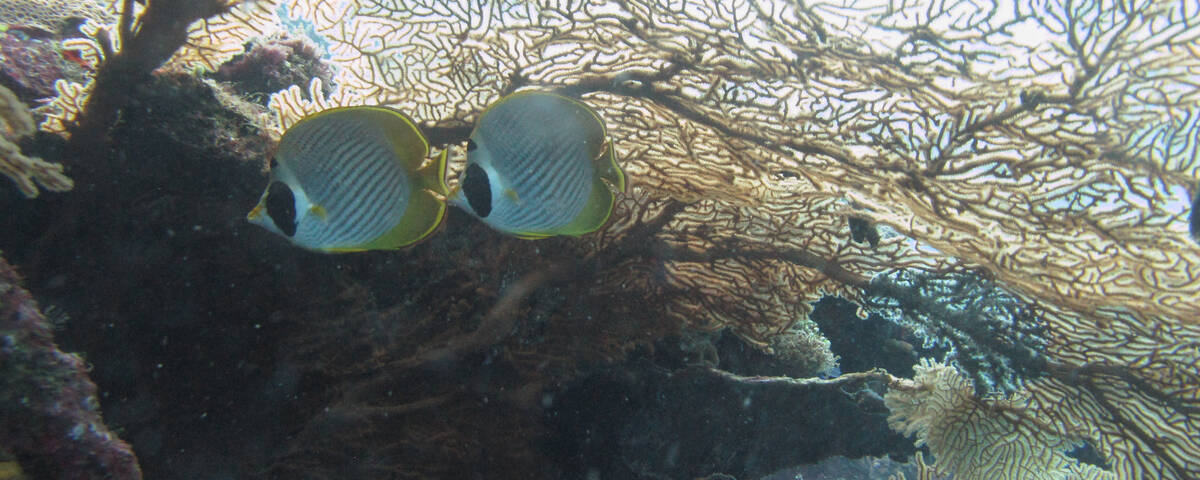
Macro life is the Olympia Maru's unexpected strength. Ghost pipefish have been found on the coral-covered surfaces, their leaf-like bodies virtually invisible against the gorgonians. Seahorses cling to sea whips growing from the hull. Nudibranch diversity is impressive, with multiple chromodoris species, phyllidiids, and the occasional Spanish dancer on night dives.
Barracuda circle the wreck in loose schools, and the occasional reef shark passes through the deeper sections near the hull base. Moray eels inhabit the interior spaces, with several large specimens visible from the exterior through portholes and hull breaches. The engine room shelters soldierfish, cardinalfish, and shrimp that scatter in torchlight.
The portholes on the Olympia Maru deserve special mention. Many are framed by black coral growth, creating natural photographic frames that look spectacular with backlighting. Underwater photographers specifically request this wreck for the porthole shots, which have become something of an iconic image from Coron diving.
The sandy base around the wreck hosts blue-spotted stingrays and occasional crocodilefish lying flat against the substrate. The transition zone between the wreck and the surrounding sand is productive for critter hunting, particularly during the afternoon dives when the light angle produces interesting shadows along the hull.
Dive Conditions
Current at the Olympia Maru is typically mild to moderate, with the tidal cycle driving the main variations. Slack water provides the best conditions for penetration diving, as the reduced water movement means less particulate matter and better visibility inside the wreck.
Visibility ranges from 8 to 20 metres, following the same patterns as other Coron Bay sites. The wreck's position near Sangat Island can produce slightly better visibility than the more central bay wrecks, as the island's reef system helps filter incoming water.
Water temperature is a consistent 26 to 30 degrees year-round. The depth range (18 to 32 metres) means no-decompression limits need attention, particularly for divers exploring the engine room and lower holds. Nitrox significantly extends bottom time at these depths and is worth the modest surcharge.
The upright orientation creates a dive profile that starts at the top deck (18 metres) and descends to the seabed (32 metres). Most guides run the dive from the top down, exploring the superstructure first before descending to the engine room and lower holds. This approach puts the deeper sections in the middle of the dive, allowing the return ascent to cover the shallower upper deck.
Penetration routes are well-established and the wreck has been dived extensively, so potential entanglement hazards are known and managed. Still, the interior sections are overhead environments with silt floors that can reduce visibility rapidly. Stay close to your guide and maintain good buoyancy at all times.
Advanced Open Water certification is recommended for the full wreck experience. The exterior can be enjoyed at Open Water depths, but the engine room and lower hold access require comfort at 28 to 32 metres.
⚓ Divemaster Notes
The Olympia Maru is the wreck I recommend to every diver visiting Coron, regardless of their experience level. The upright orientation makes it intuitive, the depth is manageable, and the engine room penetration is as close to a guaranteed wow moment as wreck diving offers.
I run the dive starting at the bow, working along the port side towards the stern, then descending into the engine room via the wide entrance amidships. The engine room visit gets about 10 minutes at 28 to 30 metres, which is plenty to appreciate the machinery without burning through your air supply. Then I bring the group back up to the superstructure at 20 metres to finish with the photogenic porthole section.
For photographers, the black coral portholes are on the port side between the bridge and the first cargo hold. Morning dives get the best light angle for these shots, with the sun behind you illuminating the coral framing. Bring a macro lens if you're serious about the ghost pipefish and nudibranch hunting, or go wide-angle for the engine room interiors.
The one thing I always emphasise in the briefing: silt management. The engine room floor is covered in fine silt that takes seconds to destroy and minutes to settle. Use frog kicks, not flutter kicks, and keep your fins high. If the diver in front of you silts out a section, stop and wait rather than pushing through blind.
On busy days, the Olympia gets multiple boats simultaneously. The wreck is large enough to handle this, but the engine room can get crowded. If possible, request an early morning departure to get the wreck before the main wave of boats arrives around 9:30.
How to Get to Olympia Maru
The Olympia Maru lies near Sangat Island, about 20 to 30 minutes by banca from Coron town. It's one of the closer wreck sites, making it a convenient first or last dive of the day.
Coron town is reached via Busuanga Airport (USU), with flights from Manila (approximately 1 hour) and seasonal connections from Cebu. The airport to town transfer takes 30 to 40 minutes.
Dive operators typically combine the Olympia Maru with one or two other wrecks on a full-day itinerary. Common pairings include the Kogyo Maru and Morazan Maru, giving three wreck dives at progressively different depths. The season runs November to May for optimal conditions.
Gear Recommendations
3mm wetsuit standard. Powerful torch essential for the engine room and interior sections. Backup torch recommended for penetration dives. Wide-angle lens for wreck architecture, macro for the surprising critter life. SMB for safety stops. Nitrox strongly recommended to extend no-decompression limits at the 28 to 32-metre depth range. Dive computer with a clear display for monitoring bottom time in low light.
Recommended Dive Operators
D'Divers Coron runs well-organised multi-wreck trips with experienced guides who can tailor the penetration level to your comfort. Coron Divers provides detailed wreck briefings using diagrams and historical context. Rocksteady Dive Center offers small group sizes that make a real difference inside the wreck. Sea Dive Resort pairs comfortable surface intervals at their facility with guided wreck dives.
Liveaboard Options
Land-based diving from Coron town is the standard approach, with the wreck sites all within easy reach of the harbour. Liveaboard options exist for divers combining Coron with other Philippine destinations. The Philippine Siren and Solitude One run routes through Coron Bay en route to Tubbataha or Apo Reef. These trips typically allocate two to three days for the Coron wrecks, allowing multiple dives on the best sites including the Olympia Maru.