Dona Marilyn Dive Site
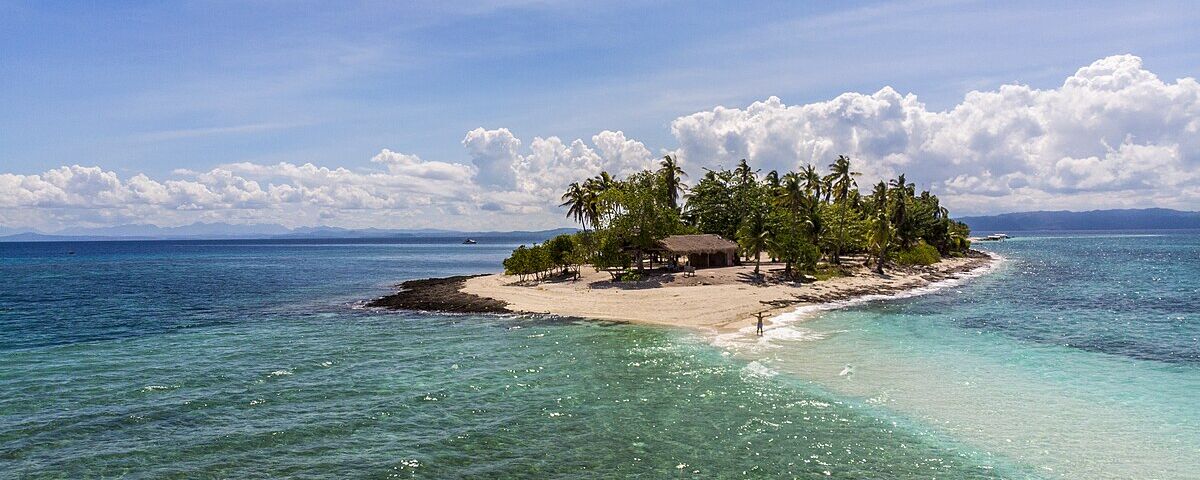
Malapascua, Philippines · Near Malapascua Island
Overview
The Dona Marilyn is a different kind of wreck story. Unlike Coron's WWII relics, this 98-metre passenger and cargo ferry sank on 23 October 1988 when Typhoon Unsang caught her in the open sea between Cebu and Manila. The sinking killed hundreds of passengers, making it one of the deadliest maritime disasters in Philippine history. Diving the Dona Marilyn carries that weight, and responsible operators brief the history with appropriate gravity.
The wreck lies on her starboard side about an hour and a half north of Malapascua, in open water that can produce challenging conditions. The shallowest point of the wreck sits at roughly 17 metres, with the seabed at 33 metres. Current ranges from moderate to strong, and the exposed location means surface conditions are weather-dependent. This is an advanced dive in every meaningful sense.
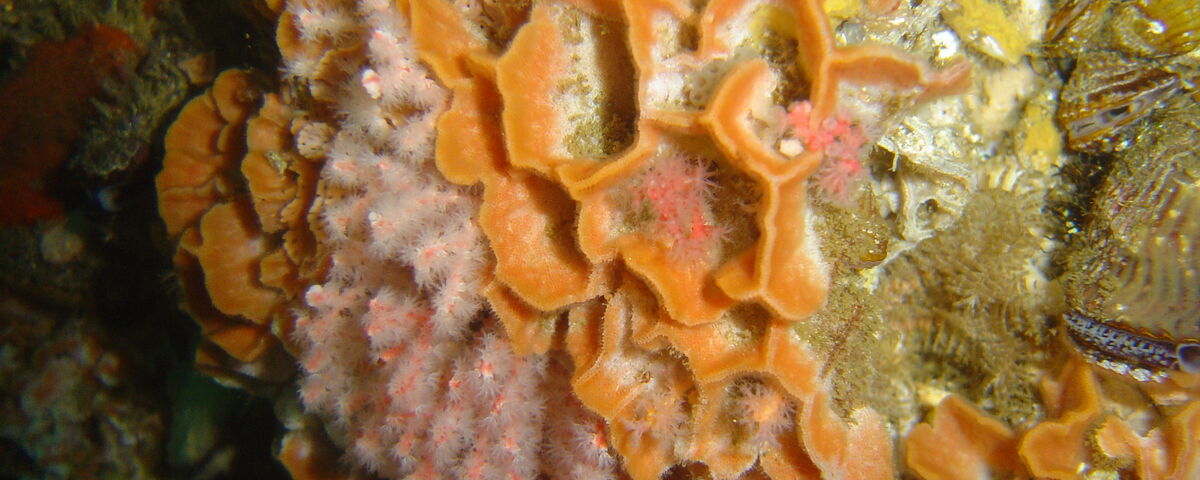
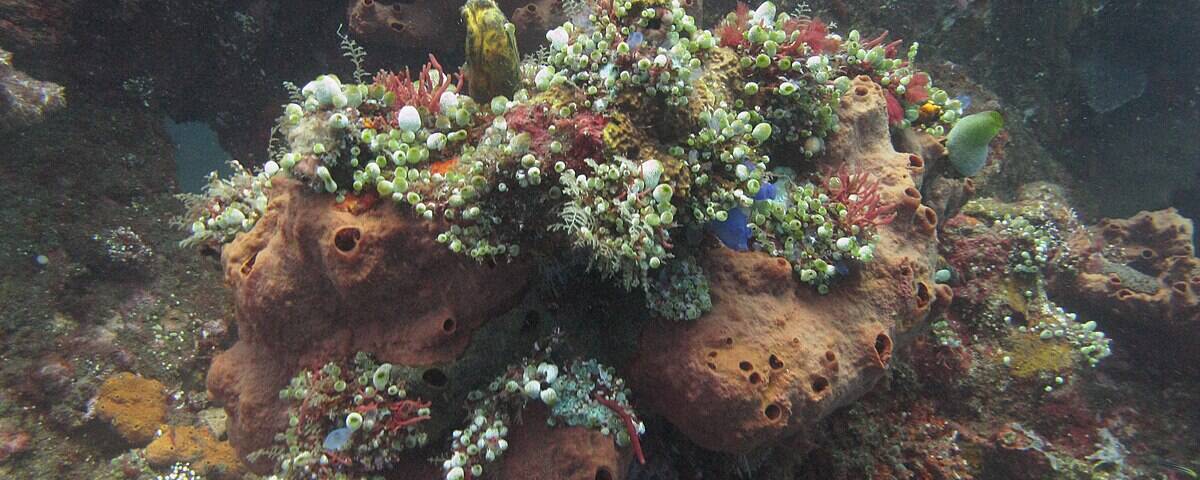
What you get for the effort is one of the most beautiful wrecks in the Visayas. The hull and superstructure are draped in soft corals, sea fans, and sponges that have colonised every available surface over nearly four decades. The coral growth is genuinely exceptional, rivalling dedicated reef sites for colour and density. The wreck's size (nearly 100 metres) means there's enough structure to fill multiple dives, though most operators schedule a single dive given the travel time.
Penetration is possible but demands caution and experience. The wreck's interior spaces include passenger cabins, the bridge area, and the engine room, all of which are overhead environments in a wreck that lies in current-swept open water. The combination of depth, current, and overhead environment puts interior exploration firmly in the advanced category.
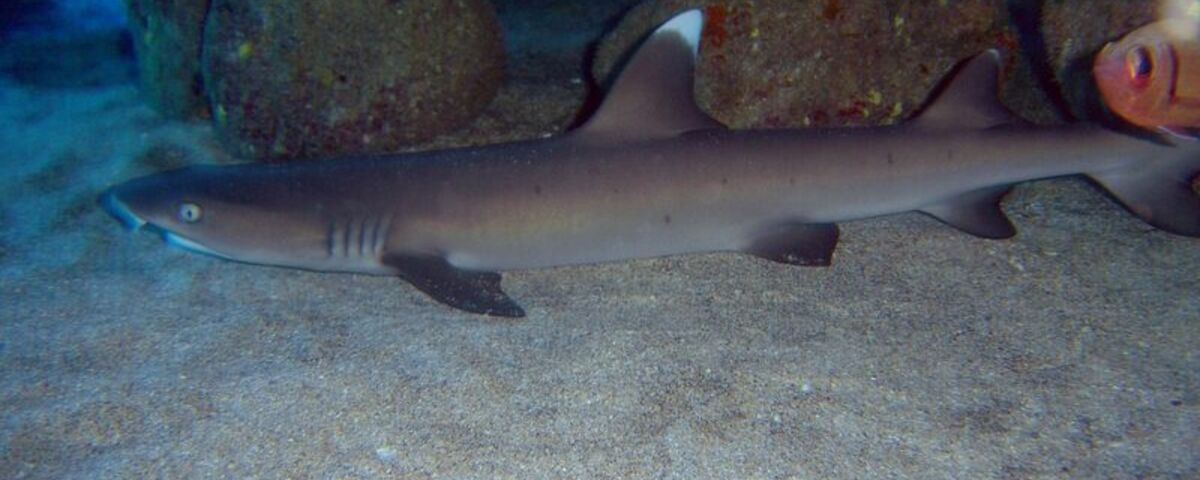
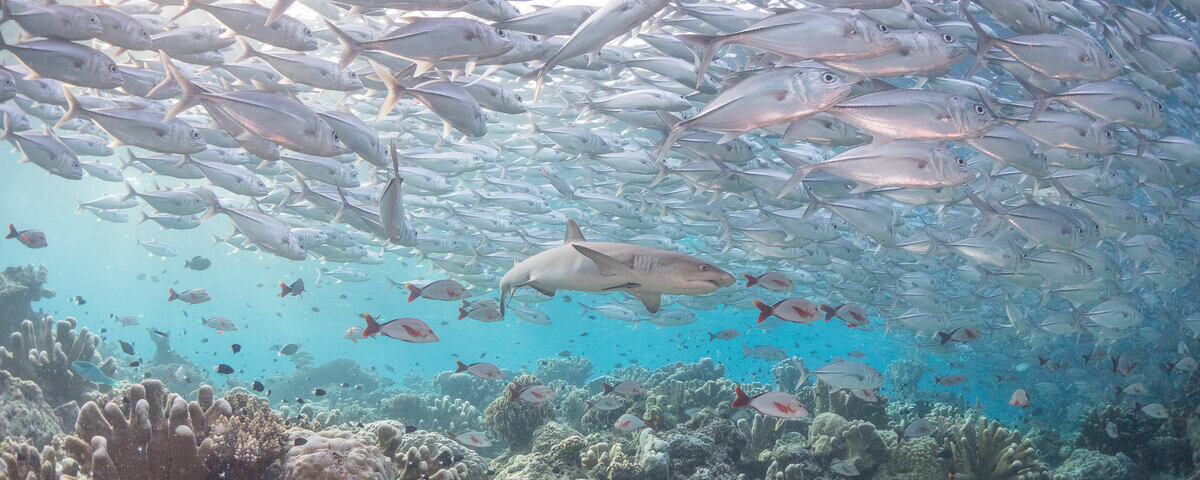
The marine life around the Dona Marilyn reflects her position in open water with good current. Pelagic visitors are more common here than at the sheltered Coron wrecks. Barracuda in large schools, trevally on the hunt, and the occasional reef shark add a dimension that the bay wrecks lack.
The trip to the Dona Marilyn is weather-dependent. The exposed location north of Malapascua means the dive is only possible when sea conditions are cooperative. March to May typically offers the best weather window, with the calmest seas and best visibility. Operators cancel the trip when conditions are marginal, which is the right call.
Marine Life at Dona Marilyn
Soft coral coverage on the Dona Marilyn is among the finest of any Philippine wreck. Sea fans span the hull openings, sponges in orange, red, and purple encrust the structural steel, and alcyonarian soft corals open in the current to create a living tapestry of colour. Under artificial light, the wreck's surfaces rival the most colourful reef walls in the country.
Barracuda form large schools around the wreck, sometimes numbering in the hundreds. They circle the superstructure in tight formations, splitting and reforming as divers approach. Giant trevally hunt along the wreck's edges, and their predatory behaviour creates dramatic moments when they scatter the resident fusilier schools.
The wreck's interior hosts dense populations of soldierfish, squirrelfish, and cardinalfish in the darkened spaces. Moray eels inhabit the corridors and cabin spaces, with several large green morays resident in the superstructure. Lionfish cluster around structural openings in numbers.
Batfish school in the mid-water around the wreck in groups that can exceed 50 individuals. They're remarkably tolerant of divers, often approaching to investigate their reflections in camera housings. Sweetlips shelter beneath the hull in groups, and groupers occupy the larger structural crevices.
The wreck's position in open water means occasional pelagic visitors. Reef sharks cruise the perimeter, mobula rays pass through seasonally, and the nutrient-rich current attracts feeding aggregations of smaller fish that in turn draw the larger predators.
Macro life is present but secondary to the wide-angle spectacle. Nudibranchs inhabit the coral-encrusted surfaces, and the sea fans host commensal species. The wreck's critter community is established and diverse, though overshadowed by the headline attractions of the wreck structure and pelagic life.
Dive Conditions
Current at the Dona Marilyn site ranges from moderate to strong, which is the primary challenge. The wreck sits in open water with no shelter from the prevailing flow, and the current can intensify unpredictably. Divers need to be comfortable managing current and capable of sheltering behind the wreck structure when the flow exceeds comfortable levels.
Visibility ranges from 8 to 25 metres, with the best conditions during the calm season (March to May). Plankton blooms and run-off from the mainland can reduce clarity during the wet season. On clear days, the wreck is visible from a distance during descent, which is a dramatic approach.
Water temperature is 26 to 29 degrees. A 3mm wetsuit is standard, though the current exposure can make divers feel cooler than the temperature suggests.
The wreck's side-lying orientation creates a depth profile from 17 metres (exposed hull) to 33 metres (seabed). The average depth of the dive sits around 22 to 25 metres, which makes air management important for a meaningful exploration. Nitrox extends bottom time substantially.
The journey to the wreck takes approximately 1.5 hours by banca from Malapascua, across open water that can be rough. Surface conditions directly affect the viability of the dive; operators cancel when the sea state exceeds safe limits. The boat ride itself is the least enjoyable part of the experience.
Advanced Open Water certification is the minimum, with wreck diving experience strongly recommended. The combination of depth, current, and the emotional weight of diving a disaster site means this is not a casual dive.
⚓ Divemaster Notes
The Dona Marilyn is my favourite wreck dive in the Philippines, and I don't say that lightly when Coron exists. The coral coverage alone justifies the trip, and the pelagic action on a current day elevates it beyond anything the sheltered bay wrecks can match.
I brief the history carefully. People died on this ship, many of them, and I want my divers to understand that before they enter the water. It's not a war relic where the human cost is abstracted by decades. This was a passenger ferry with families aboard. Treat it with respect.
Current is the defining challenge. I use the wreck itself as a shield, positioning the group on the lee side during strong flow and working around the structure as conditions allow. The key is flexibility; I have a plan, but I'll abandon it immediately if the current says otherwise.
The barracuda school is the wide-angle highlight. They tend to congregate over the superstructure area, and approaching slowly from below (with the wreck as your backdrop) produces the classic wreck-and-fish composition. Morning light creates the best ambient conditions for this shot.
Bottom time management is critical. At an average depth of 22 to 25 metres, you've got 30 to 35 minutes on air before no-deco limits start compressing. Nitrox 32 buys another 10 to 15 minutes, which is the difference between a rushed swim-past and a proper exploration.
The boat ride back can be rough and cold. Bring a dry towel and warm layer for the return journey. Seasickness medication is not a sign of weakness; it's common sense for 1.5 hours on open water after diving.
How to Get to Dona Marilyn
The Dona Marilyn wreck lies approximately 1.5 hours by banca north of Malapascua Island. The journey crosses open water and is weather-dependent. Operators assess conditions on the morning of the planned dive and make a go/no-go decision based on wind, wave height, and current forecasts.
Malapascua is reached via Maya port on Cebu (30-minute banca crossing from Maya, 3 to 4 hours overland from Cebu City). Most divers fly into Cebu-Mactan International Airport.
The Dona Marilyn trip typically commands a premium over standard Malapascua dive pricing due to the extended boat time and fuel costs. Book at least a day in advance, as operators need to confirm weather conditions and assemble a minimum group size.
The open-water crossing to the Dona Marilyn site passes through water that can be rough, particularly during the afternoon when the wind picks up. Seasickness medication is worth considering even for those who don't normally suffer, as the combination of boat movement and pre-dive anxiety can affect even experienced seafarers. Morning departures typically encounter calmer seas than afternoon attempts.
Some operators require a minimum group size (typically 4 divers) to justify the fuel cost and extended boat time. If you're travelling as a couple or solo, check whether other guests have signed up for the same date.
Gear Recommendations
3mm wetsuit minimum. Wide-angle lens for the wreck profile and pelagic encounters. Powerful torch for the interior sections. SMB essential for the current-exposed safety stop. Nitrox strongly recommended for extended bottom time. Reef hook useful for stabilising on the wreck in current (hook into dead structure only). Dive computer with conservative settings for the combination of depth and current.
Recommended Dive Operators
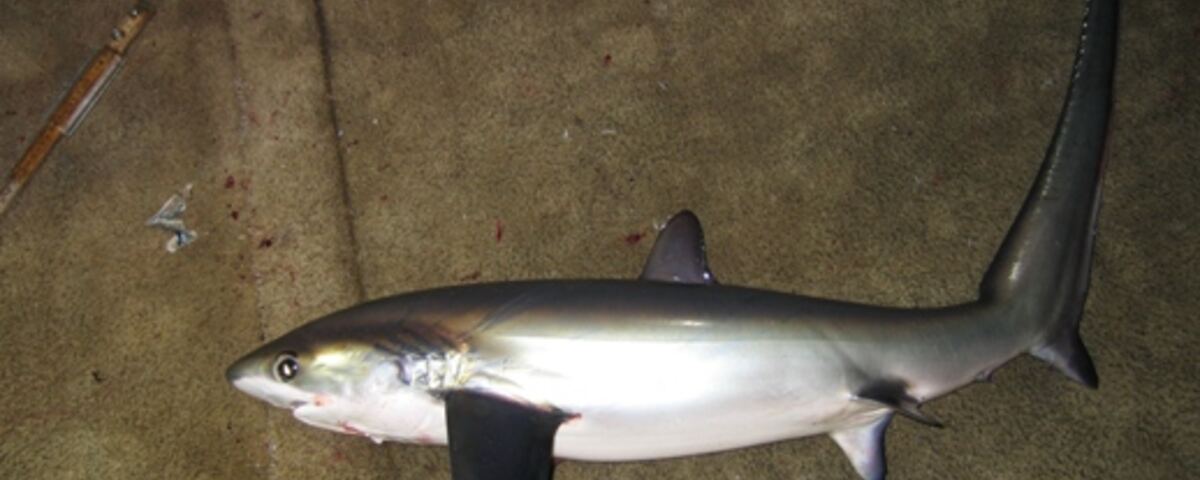
Evolution Diving Resort runs well-organised Dona Marilyn trips with experienced wreck guides and safety-conscious protocols. Thresher Shark Divers offers the trip with thorough briefings covering both the diving conditions and the wreck's history. Both operators require Advanced Open Water certification as a minimum.
Liveaboard Options
The Dona Marilyn is primarily a day-trip dive from Malapascua. Liveaboards transiting the Visayas may include it on their itineraries if weather permits, with the Philippine Siren and similar vessels occasionally incorporating the wreck into Malapascua-focused itinerary sections.