Kalanggaman Island Dive Site
Malapascua, Philippines · Near Malapascua Island
Overview
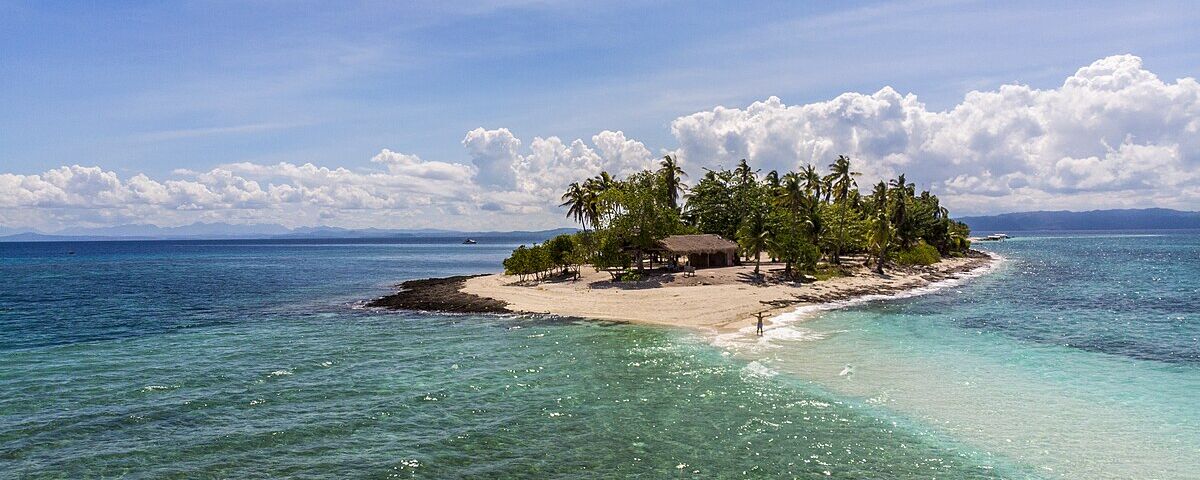
Kalanggaman Island is the dive trip that doubles as a holiday brochure shoot. A small, uninhabited island about an hour south of Malapascua, it's famous for its extraordinary sandbar that extends several hundred metres into turquoise water, creating one of the most photographed beach scenes in the Philippines. The fact that the underwater terrain is genuinely excellent tends to be overshadowed by the topside beauty.
Beneath the surface, Kalanggaman offers steep wall diving that drops from a shallow reef flat at 5 metres to well beyond recreational limits. The wall is covered in soft corals and sponges fed by the open-water current that sweeps past the island, and the marine life reflects the exposed position: healthy pelagic traffic, schooling fish in good numbers, and reef communities that benefit from the clean, nutrient-rich water.
The dive plan typically involves a wall drift along the island's eastern or northern face, depending on conditions. The wall is sheer in sections, sloping in others, with overhangs and crevices that shelter larger marine life. The coral coverage is strong, particularly the gorgonian fans and soft corals that extend from the wall face into the current.
Most operators schedule Kalanggaman as a full-day trip from Malapascua, with two dives on the island's reef and a long surface interval on the sandbar. The surface interval is the best in Philippine diving: white sand, clear water, a packed lunch, and nothing to do except swim and wait for the next dive. It's the kind of experience that justifies the full-day pricing.
The trip to Kalanggaman crosses open water, and the conditions are weather-dependent. The island sits far enough from Malapascua that the boat ride takes roughly an hour, making it a commitment in terms of time and fuel. Operators charge a premium for the trip, and an entrance fee to the island applies.
The limitation is the distance and weather dependency. The dive itself is solid intermediate-level wall diving, comparable to good wall sites throughout the Visayas. What elevates Kalanggaman above the competition is the complete package: excellent diving combined with one of the most beautiful surface intervals imaginable.
Marine Life at Kalanggaman Island
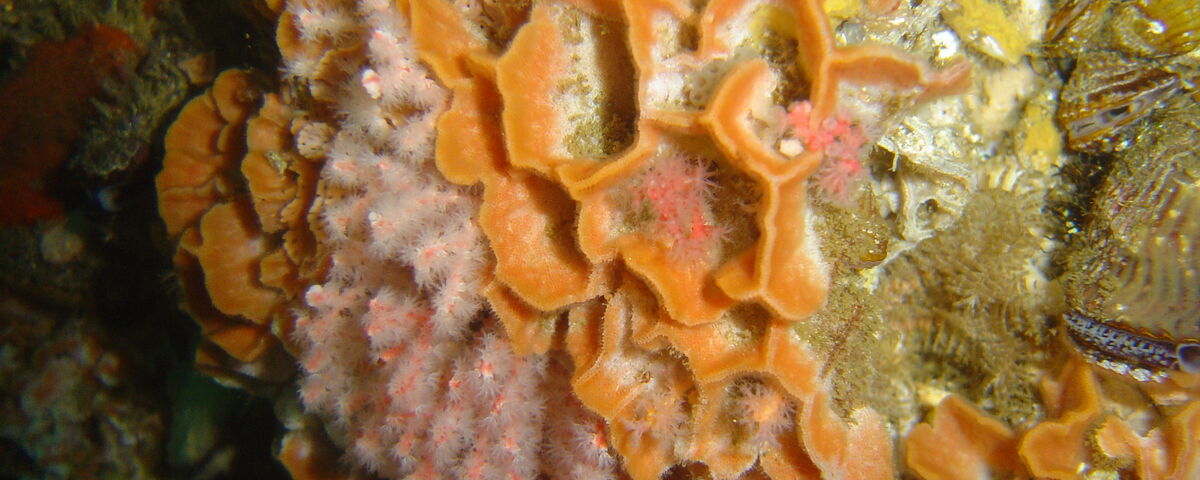
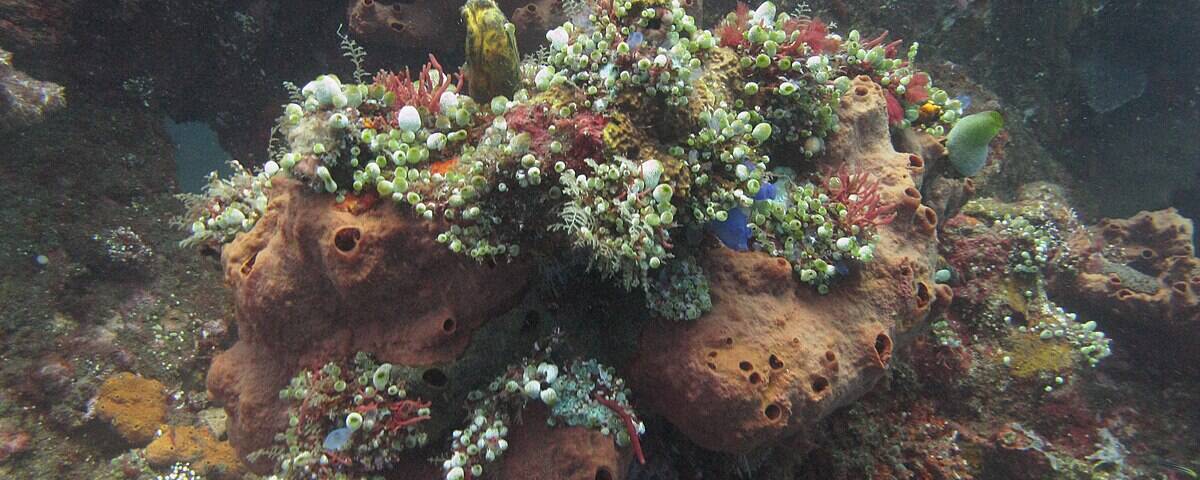
The wall supports dense soft coral growth, with gorgonian fans spanning up to a metre extending from the rock face into the current. Sponges in barrel and tube forms add colour variety, and encrusting corals fill the spaces between larger organisms. The wall's health reflects its remote position away from fishing pressure and development.
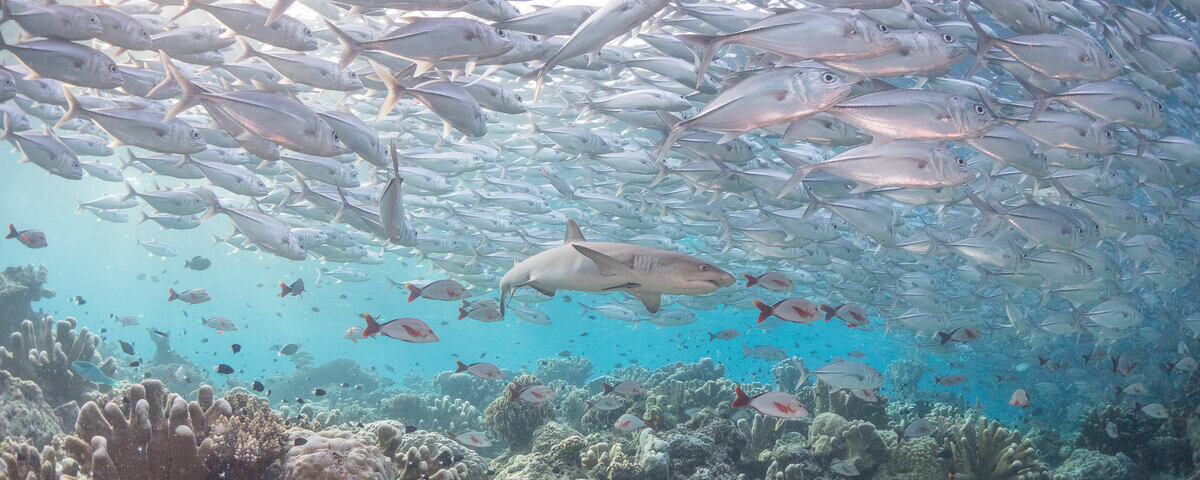
Pelagic visitors are the wall's main attraction beyond the corals. Schools of jacks cruise the wall edge, trevally hunt in pairs or small groups, and barracuda form loose aggregations in the blue water off the wall. Eagle rays pass occasionally, their graceful flight silhouetted against the open water.
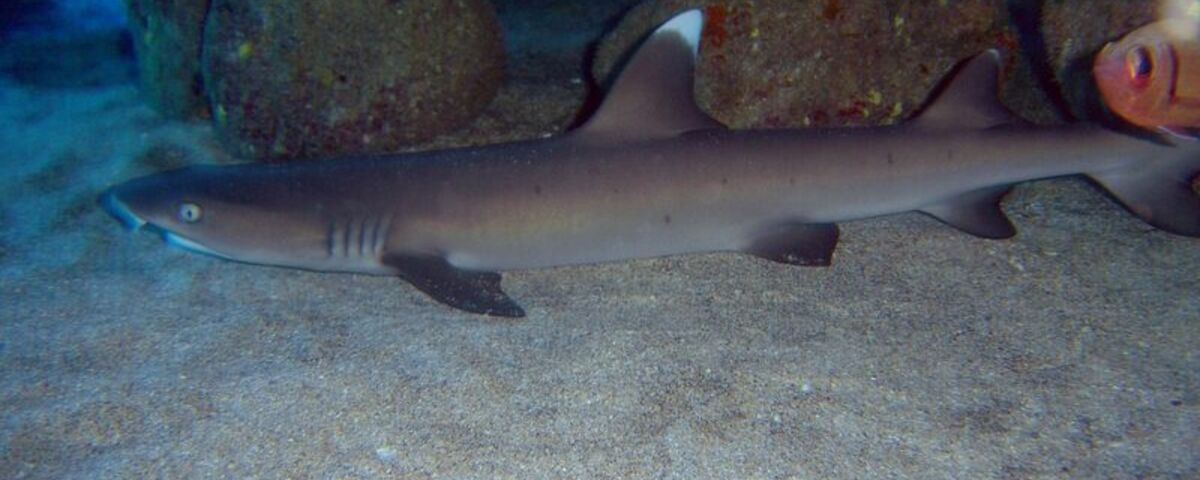
Reef sharks, primarily white-tip and black-tip species, patrol the wall's deeper sections. They're not guaranteed on every dive but appear regularly enough to make every blue-water glance worthwhile. Sea turtles (green and hawksbill) are common along the wall, feeding on sponges and resting on ledges.
The reef flat at the top of the wall (5 to 8 metres) provides excellent safety stop territory. Healthy hard coral supports the usual tropical reef community: damselfish, butterflyfish, anthias, and wrasse. Clownfish inhabit anemones scattered across the reef flat.
Macro subjects are present but secondary to the wall diving experience. Nudibranchs on the wall surfaces, commensal shrimp on the larger gorgonians, and the occasional pygmy seahorse on the sea fans add detail for observant divers.
The sandbar itself supports a snorkelling ecosystem. In the shallow water around the spit, juvenile fish shelter in the seagrass, and the sandy bottom hosts small rays and starfish. Snorkelling during the surface interval is a genuine activity, not just a way to kill time.
The wall's overhangs shelter groupers and sweetlips in the shaded sections, their bodies hanging motionless in the reduced current behind the rock formations. Anemones with resident clownfish dot the wall face, and the standard tropical reef community fills the spaces between the larger features.
Moray eels inhabit the wall crevices, with several large green moray specimens resident in the deeper sections. The wall's vertical surfaces host tunicates and colonial organisms that filter the current-borne nutrients, adding colour to sections that might otherwise appear bare.
Dive Conditions
Current at Kalanggaman ranges from mild to moderate, following the tidal cycle. The island's exposed position in open water means the current can pick up when the tide changes, and conditions that start calm can intensify during the dive. Guides time the dives to catch favourable tidal states.
Visibility is typically excellent at 15 to 30 metres, benefiting from the island's distance from shore-based run-off and sediment. The clean, open water produces some of the best visibility available from Malapascua-based diving.
Water temperature is 26 to 29 degrees year-round. A 3mm wetsuit is standard. The wall diving can take you deep enough for thermocline exposure, though this is inconsistent.
The wall drops steeply from the reef flat at 5 metres to beyond recreational limits. Most diving stays in the 15 to 35-metre range, with the best coral and fish activity concentrated between 10 and 25 metres. The wall's vertical nature makes depth management important; it's easy to drift deeper than planned when following the wall downward.
Entry is by banca, with a negative entry into the current for drift dives. The boat tracks the group and picks up at the drift's end. Surface conditions are typically calm in the lee of the island.
Intermediate certification is recommended. The wall diving itself is straightforward, but the combination of current, depth, and open-water location means divers should be comfortable with drift techniques and current management.
The island's remote position means rescue and medical facilities are not immediately available. Operators carry emergency oxygen and first aid equipment, and the nearest hyperbaric chamber is in Cebu City (several hours away by sea and road). Dive conservatively and maintain adequate safety margins.
Surface intervals on the sandbar are long enough to fully off-gas between dives, which is appropriate given the wall diving depths.
⚓ Divemaster Notes
Kalanggaman is my treat dive. After a few days of dawn thresher shark dives and afternoon macro sessions, I schedule the full-day trip to Kalanggaman as a reward. The wall diving is excellent, but honestly, the sandbar surface interval sells it. Watching guests relax on white sand in turquoise water between dives is peak dive guide satisfaction.
The eastern wall produces the best diving in most conditions. I start the drift from the island's northeastern corner and work south along the wall, letting the current carry us. The gorgonian fans between 15 and 20 metres are the highlight section, with the best chance of pelagic encounters on the wall edge.
I always bring a GoPro on a float line for the sandbar. Aerial shots of the sandbar from above the water, while technically not underwater photography, have become the most requested content from Kalanggaman trips. The topside beauty is genuinely world-class.
For the second dive, I typically choose the northern wall, which offers different topography and a chance to see different sections of the reef. The coral community varies around the island, and the northern aspect tends to produce more turtle encounters.
One practical note: bring sun protection for the surface interval. The sandbar has zero shade, and the midday sun is fierce. Reef-safe sunscreen, a hat, and a rashguard are essential unless you want to spend the boat ride home looking like a lobster.
How to Get to Kalanggaman Island
Kalanggaman Island is approximately 1 hour by banca south of Malapascua Island. The trip crosses open water and is weather-dependent; operators assess conditions and cancel when the seas are too rough.
Malapascua is the departure point, reached via Maya port on Cebu (30-minute banca, 3 to 4 hours overland from Cebu City). Flights arrive at Cebu-Mactan International Airport.
Kalanggaman charges an island entrance fee (currently around PHP 150 for domestic visitors, higher for international). Operators include this in their pricing. The full-day trip typically includes two dives, lunch on the sandbar, and the boat transfers.
The full-day trip typically departs Malapascua at 7 to 8 AM and returns by 4 to 5 PM. Pack sun protection, snacks, and water for the surface interval. Some operators provide lunch on the sandbar; others expect you to bring your own.
Gear Recommendations
3mm wetsuit for the dives, rashguard and hat for the surface interval on the sandbar. Wide-angle lens for the wall scenes and pelagic encounters. SMB essential for drift dive safety stops. Reef-safe sunscreen mandatory. Dry bag for camera gear during the surface interval. Nitrox extends bottom time on the wall.
Recommended Dive Operators
Evolution Diving Resort runs well-organised full-day trips to Kalanggaman with experienced wall diving guides. Thresher Shark Divers offers the trip with good surface interval arrangements on the sandbar. Fun & Sun Dive Center provides small-group experiences.
Liveaboard Options
Kalanggaman is a day-trip destination from Malapascua, not a liveaboard site. The island has no facilities beyond basic shelters and restrooms. Liveaboards transiting the Visayas may stop at Kalanggaman as part of their route, but it's typically experienced as a land-based excursion.