Lighthouse Dive Site
Malapascua, Philippines · Near Malapascua Island
Overview
Lighthouse is Malapascua's twilight spectacle, a shallow reef site on the island's southern tip that transforms at dusk into one of the best mandarin fish viewing spots in the Philippines. During the day, it's a pleasant but unremarkable coral reef. At sunset, the tiny, psychedelic mandarin fish emerge from the rubble to perform their mating dance, and the site becomes something genuinely special.
The dive site sits close to the old navigation light that gives it its name, in water shallow enough that you could stand up in most sections. Maximum depth is about 12 metres, and the mandarin fish action happens at 3 to 8 metres. This makes it accessible to everyone from Open Water divers to snorkellers (though mandarin fish viewing requires the patience to hover motionless in the rubble, which benefits from scuba).
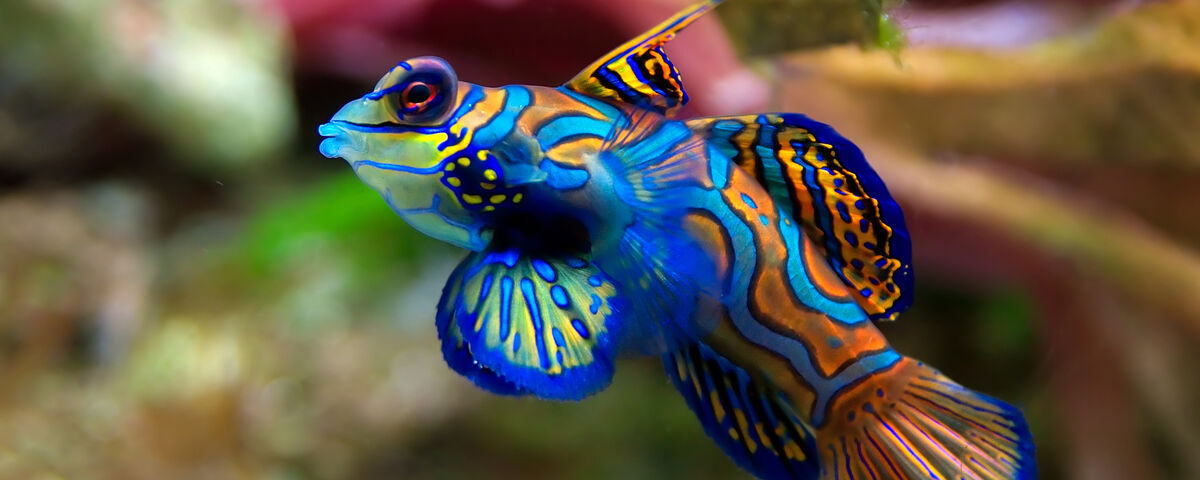
The mandarin fish ritual begins around 15 to 20 minutes before sunset. The males, resplendent in their green, orange, and blue psychedelic patterning, emerge from the dead coral rubble where they hide during the day. They display to females by raising their dorsal fins and circling. When a female accepts, the pair rise together off the rubble in a brief spawning ascent, releasing eggs and sperm at the apex before separating. The whole event takes seconds, and then they vanish back into the rubble. Blink and you miss individual pairs, but across the site dozens of pairs perform simultaneously.
Dive centres on Malapascua schedule dedicated dusk dives for the mandarin fish, typically departing around 5 PM and entering the water as the light fades. Some operators brand it as the "Randy Mandy" dive, which is crude but accurate. The trip takes just 5 to 7 minutes by banca from Bounty Beach.
Outside the mandarin fish window, Lighthouse functions as a standard shallow reef dive and night dive site. The reef supports healthy coral growth with the usual complement of reef fish, anemonefish, and invertebrates. Night dives reveal the full nocturnal community: hunting octopus, sleeping parrotfish, foraging crabs, and the mandarin fish occasionally still visible in the torchlight.
The limitation is obvious: if you're here during the day, it's a pleasant but forgettable reef dive. The magic is entirely time-dependent, concentrated into a narrow window around sunset.
Marine Life at Lighthouse
Mandarin fish (Synchiropus splendidus) are the star attraction. These small dragonets, rarely exceeding 6 centimetres, are among the most colourful fish in the sea. Their pattern of green, orange, and blue swirls on a dark base is unmistakable, and the males' display behaviour during the mating dance adds movement and drama to the visual spectacle.
The mating dance involves males competing for female attention through fin displays and territorial posturing. Successful pairs rise together in a brief spawning ascent that lasts 3 to 5 seconds. The timing is consistent: begin watching 15 to 20 minutes before sunset, and the activity peaks as the light fades to near-darkness.
Flamboyant cuttlefish have been recorded at Lighthouse, though sightings are occasional rather than reliable. These small, walking cuttlefish display extraordinary colour patterns during hunting behaviour, and their presence adds a bonus attraction to dusk and night dives.
Frogfish are found in the rubble areas, particularly the painted and warty species that favour shallow, protected habitat. Blue-ringed octopus have been documented (look but absolutely do not touch). Seahorses cling to debris and coral outcrops scattered across the sandy bottom.
The reef sections support standard tropical fish communities: clownfish in anemones, damselfish defending territories, butterflyfish in pairs, and schools of cardinalfish in the coral overhangs. Lionfish are common hunters during the dusk transition, emerging as the light fades.
On night dives, the site reveals a different community. Hunting octopus move across the reef with purpose, sleeping parrotfish lie motionless in their mucus cocoons, and foraging hermit crabs create surprisingly loud scraping sounds on the coral rubble. The small crustacean community is particularly active, with shrimp, crabs, and lobsters emerging from daytime hideouts.
Dive Conditions
Lighthouse is one of the easiest dive sites around Malapascua. Current is typically mild, often negligible. The sheltered position on the island's southern tip provides protection from the prevailing northeast monsoon, making it diveable year-round.
Visibility ranges from 8 to 20 metres, though for the mandarin fish experience, visibility is almost irrelevant since your working distance is centimetres, not metres. You're hovering over rubble at arm's length, watching fish smaller than your hand.
Water temperature is 26 to 29 degrees year-round. A 3mm wetsuit or even a rashguard is sufficient given the shallow depth and warm water. For dusk and night dives, a 3mm provides comfortable warmth as the air temperature drops.
The shallow depth profile (3 to 12 metres) means unlimited no-decompression time and minimal air consumption. Dives routinely last 60 to 70 minutes, constrained only by the transition to full darkness and the dive centre's schedule.
Entry is by banca, with a short swim to the reef. For the mandarin fish dive, your guide will position you over a specific rubble patch where the fish are known to congregate. You'll hover motionless (or kneel on dead rubble, which is acceptable here given the substrate is already dead coral) and watch the show.
This site suits all certification levels, including brand-new divers. The conditions are ideal for training dives, introductory dives, and night dive certifications.
⚓ Divemaster Notes
The mandarin fish dive is about patience and positioning. I place divers over the rubble patches where I've seen activity on recent dives, brief them to stay motionless, and then it's a waiting game. The fish are shy, and any sudden movement sends them back into the rubble for minutes.
Torch discipline is critical. White light disturbs the mandarin fish and can prevent the mating behaviour entirely. I brief everyone to use red filters or keep torches off until the fish are actively spawning. Some operators provide red filter covers for this exact purpose.
The spawning ascent is the money shot for photographers, but it's extremely brief (3 to 5 seconds) and happens without warning. The only reliable strategy is to identify a displaying male, position your camera, and wait. When the female appears and they begin to rise together, you've got one chance. Miss it, and you wait for the next pair.
I always combine the mandarin fish viewing with a short reef exploration afterwards, extending the dive into a proper night dive. The transition from dusk to darkness happens during the dive, and the nocturnal community emerges in real-time around you. It's one of the more memorable diving experiences Malapascua offers.
For non-photographers, the mandarin fish dive can be frustrating. The fish are tiny, the light is fading, and you're hovering over rubble. I set expectations in the briefing: this is a specialist experience, not an action dive. If someone wants reef exploration, I suggest pairing it with a morning reef dive at Lighthouse for the complete picture.
How to Get to Lighthouse
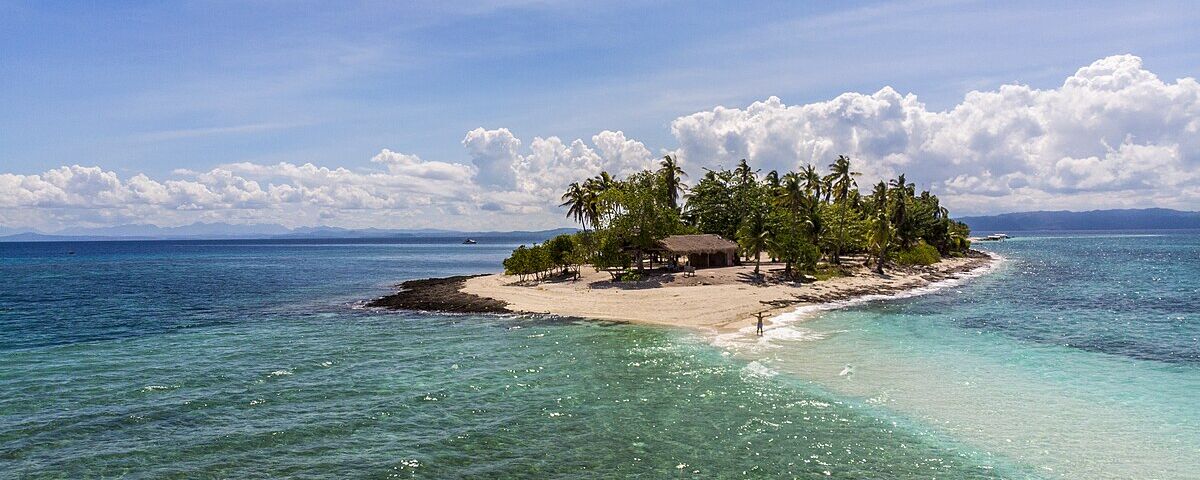
Lighthouse sits on Malapascua Island's southern tip, about 5 to 7 minutes by banca from Bounty Beach where most dive centres are located. It's the closest dive site to the main beach area.
Malapascua is reached via Maya port on Cebu's northern tip, then a 30-minute public banca crossing. Maya is 3 to 4 hours from Cebu City by road. Most visitors fly into Cebu-Mactan International Airport and arrange overland transfers.
The mandarin fish dusk dive runs year-round. Operators typically schedule the departure for approximately 5 PM, entering the water 30 to 45 minutes before sunset. Book this dive on your first day to ensure availability.
Accommodation on Malapascua ranges from beachfront bungalows to comfortable dive resorts, most concentrated around Bounty Beach on the island's southern shore. The island has no ATMs (as of recent years, though this may change), so bring sufficient cash. Power outages are common, and while most resorts have generators, air conditioning availability varies. The island's charm is its simplicity: no cars, no chain hotels, just a fishing village that happens to sit above one of the best diving areas in the Philippines.
Booking the mandarin fish dusk dive specifically is recommended for your first or second day, as it's weather-independent and provides an immediate highlight while you wait for optimal conditions at the more exposed sites.
Gear Recommendations
Minimal gear. 3mm wetsuit or rashguard. Torch with red filter for the mandarin fish dive (white light disturbs them). Macro lens essential for photography (the fish are 4 to 6 centimetres, so 100mm equivalent is ideal). Ring light or small focus light for autofocus assistance. No SMB needed for the shallow depth. No Nitrox needed.
Recommended Dive Operators
Thresher Shark Divers runs the popular "Randy Mandy" dusk dive with guides expert at locating the mandarin fish action. Evolution Diving Resort has its own excellent house reef for mandarin fish as well, offering an alternative to the Lighthouse site. Fun & Sun Dive Center provides good macro photography support. Malapascua Exotic Island Dive Resort runs reliable dusk trips with experienced guides.
Liveaboard Options
Lighthouse is exclusively a shore-based dive from Malapascua Island. No liveaboards anchor specifically for this site. Liveaboards transiting through Malapascua may schedule a dusk visit if their itinerary allows, but the timing specificity of the mandarin fish dive makes it better suited to land-based scheduling.