Boulders Dive Site
Puerto Galera (Mindoro), Philippines · Near Puerto Galera
Overview
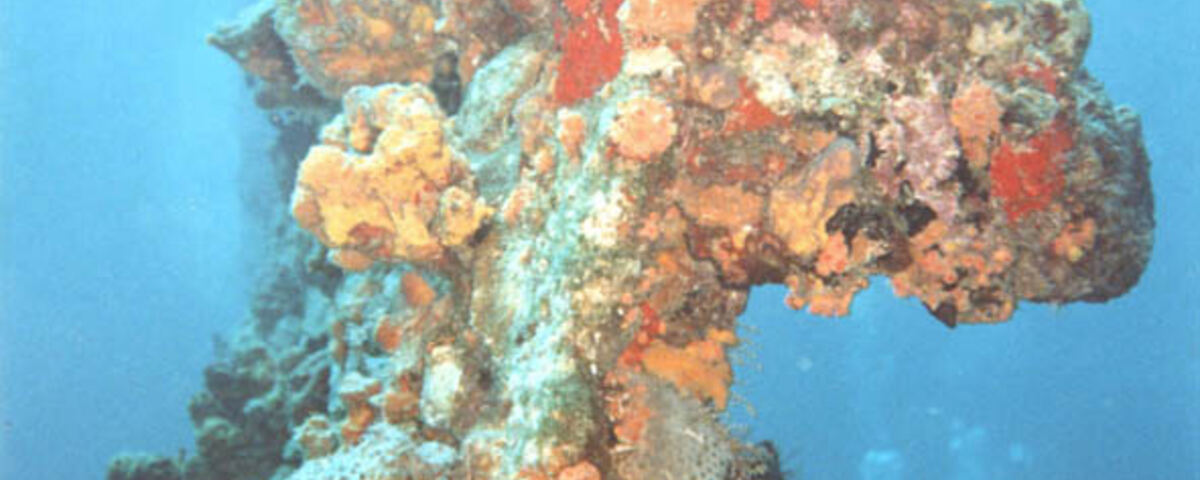
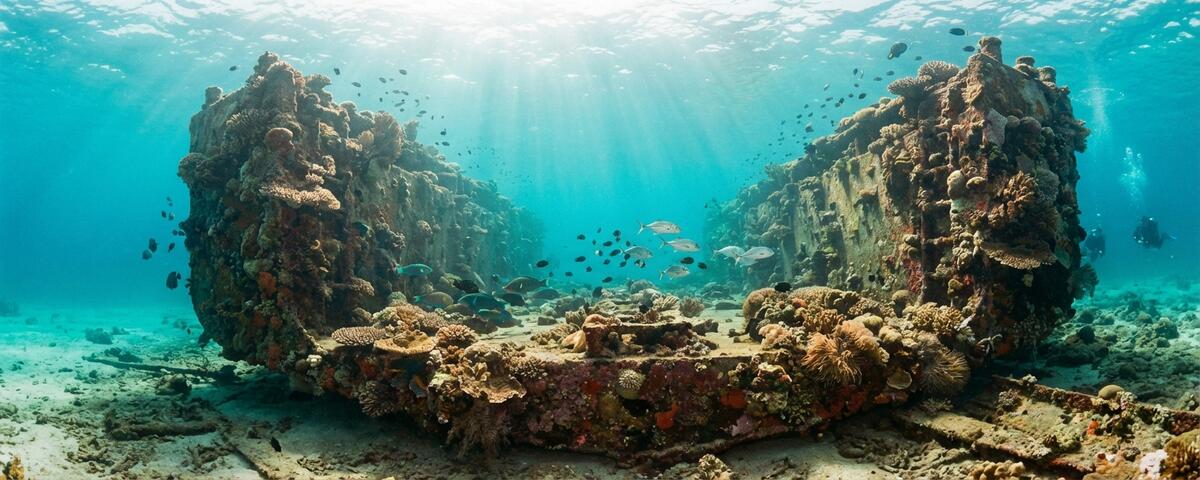
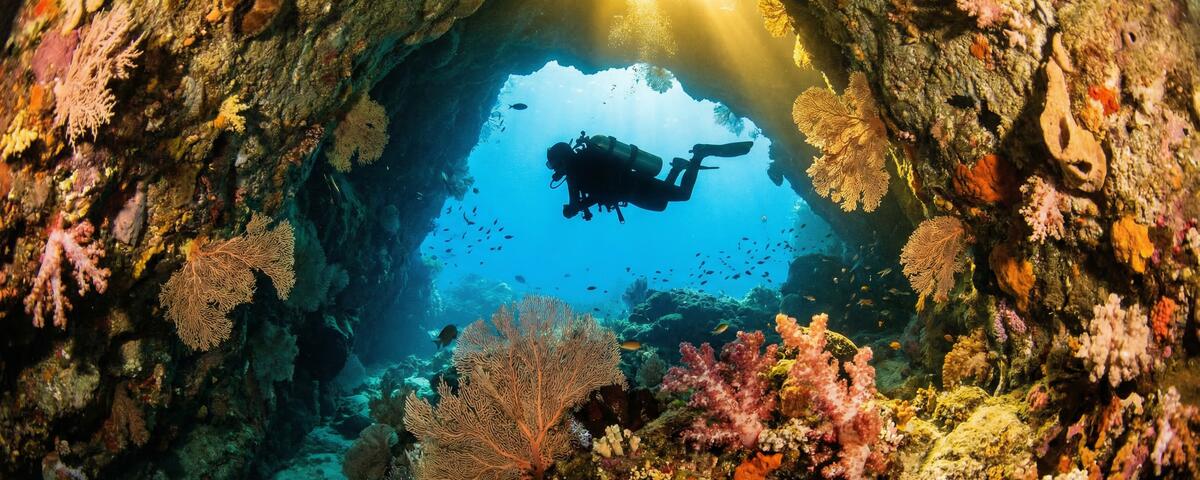
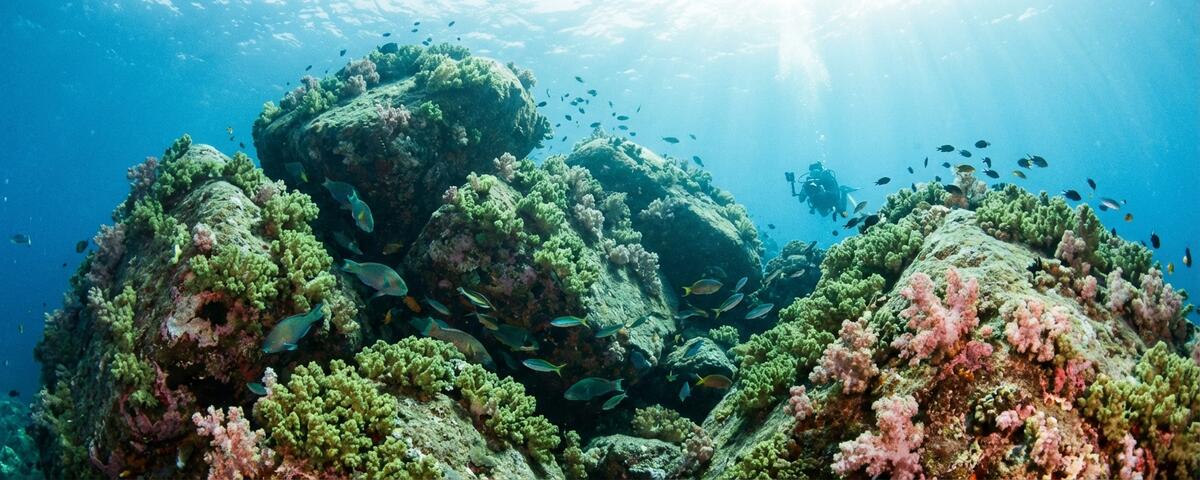
Boulders is one of Puerto Galera's most distinctive dive sites, a tumbled landscape of massive rocks piled on top of each other across a sloping reef in the Verde Island Passage. The site sits roughly 15 minutes by boat from Sabang Bay, on a section of coastline where the underwater topography looks as though a giant tipped a quarry into the sea. These are not small rocks. Some of the boulders stand taller than a diver, creating a three-dimensional maze of overhangs, crevices, and swimthroughs that reward slow exploration far more than rushing through on a single pass.
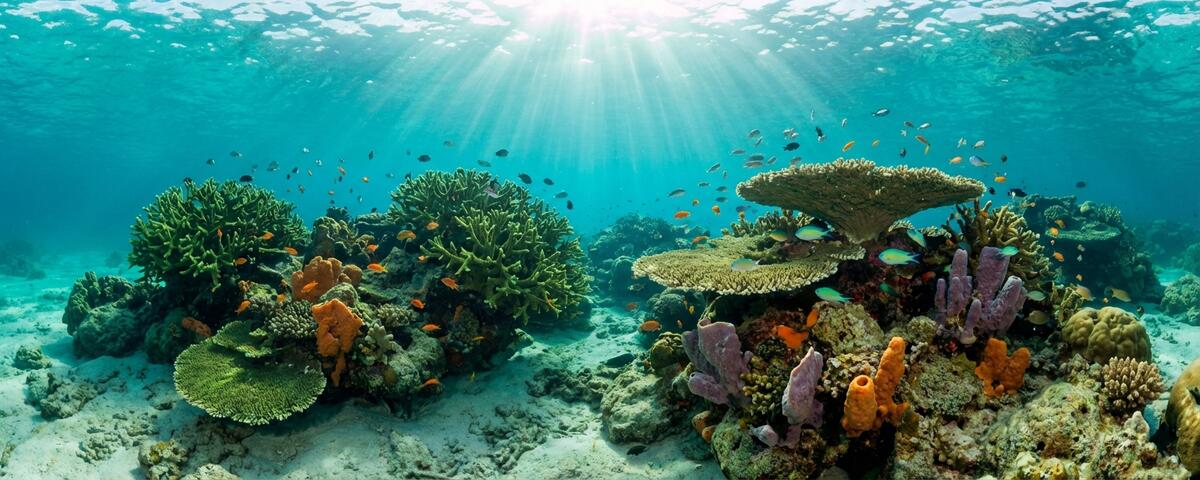
The Verde Island Passage is widely recognised as the global centre of marine shore-fish biodiversity, and Boulders benefits from that positioning directly. Nutrient-rich currents sweep through the passage, feeding the corals and sponges that coat the boulder surfaces and drawing in the fish that shelter between them. The site is not about pelagic spectacle or dramatic walls. It is about getting close to the rock, peering underneath, and finding what hides in the gaps. Frogfish pressed flat against the stone. Scorpionfish so perfectly camouflaged that your guide has to point directly at them before your brain registers what you are looking at. Moray eels coiled in crevices with their jaws working in that slow, rhythmic gape that always looks more threatening than it is.
What makes Boulders particularly satisfying is the layered structure. The boulders do not sit in a flat field. They stack vertically, creating multiple levels of habitat from the sandy bottom at 28 metres up to the reef top at around 10 metres. Each level offers different conditions: the deeper sections tend to attract larger fish and the occasional whitetip reef shark resting on the sand between the rocks, while the shallower zones support denser coral growth and the small reef species that thrive in well-lit water.
Puerto Galera has been a dive destination since the 1970s, and the local guides know Boulders intimately. They know which overhang currently shelters the resident frogfish, which crevice has the cleaning station where you can watch wrasse picking parasites off grouper, and which boulder face has the best gorgonian fans for photographs. This accumulated knowledge makes guided dives here significantly better than self-guided exploration. The site rewards patience and sharp eyes, and a good guide delivers both.
The topography also creates natural shelter from current. When the Verde Island Passage is running, divers can tuck behind the larger formations and observe the marine life that gathers in the lee. This makes Boulders a more comfortable dive than some of Puerto Galera's exposed sites on days when the current is pushing hard. The rocks break the flow into manageable channels rather than forcing you to fight the full force of the passage.
Marine Life at Boulders
The boulder formations create prime habitat for ambush predators. Frogfish are the headline find here, and experienced guides locate them regularly. These fish sit motionless on the rock surfaces, their textured skin matching the surrounding sponge and coral so precisely that spotting them without a guide pointing takes considerable practice. Several species have been recorded at the site, including giant frogfish and the smaller painted and clown varieties. They favour the lower sections of the boulders where sponge coverage is thickest.
Scorpionfish occupy every level of the reef. Bearded scorpionfish flatten themselves against the rock, their frilly appendages blending with the algae. Leaf scorpionfish perch on coral outcrops in the mid-depth range, sometimes in pairs. Devil scorpionfish bury themselves in the sandy patches between boulders, visible only as a subtle ridge in the sand. Lionfish patrol the overhangs at dawn and dusk, their venomous spines spread wide as they herd small fish into corners.
The crevices between boulders harbour moray eels of several species. Giant morays, white-eyed morays, and honeycomb morays all occupy different niches in the rock structure. Cleaning stations operate throughout the site; watch for blue-streaked cleaner wrasse working the gills of groupers that hover motionless at the entrance to overhangs, mouths open, gills flared.
Schools of sweetlips gather in the sheltered spaces between the larger formations, their spotted patterns conspicuous against the coral backdrop. Snapper in several species do the same, sometimes in groups of 20 or more hanging in formation beneath an overhang. Batfish drift above the reef top in loose groups, occasionally descending to investigate divers.
Macro life populates the boulder surfaces throughout. Nudibranchs from multiple families graze across the sponges and tunicates. Flatworms in vivid patterns of orange, purple, and black crawl across the rock faces. Porcelain crabs shelter in the folds of carpet anemones, their tiny claws filtering the current for plankton. Mantis shrimp occupy burrows in the sandy patches, their eyes tracking movement with an intensity that looks disconcertingly intelligent.
The sandy bottom between and below the boulders holds its own community. Blue-spotted stingrays rest in the depressions, lifting off with a cloud of sand when approached too closely. Garden eels colonise the open sandy stretches at the deeper end of the site, their thin bodies swaying in the current like a field of grass. Whitetip reef sharks have been spotted resting on the sand at the base of the boulder field, though sightings are not daily.
The boulder surfaces support hard and soft coral communities. Gorgonian sea fans extend from the current-facing sides, some reaching a metre across. Barrel sponges occupy the tops of the larger formations. Crinoids in red, yellow, and black drape across the coral, their feathery arms extended to filter the passing water.
Dive Conditions
Boulders sits on a sloping reef that runs from roughly 10 metres at the top of the boulder field to 28 metres at the sandy base. The gradient is moderate, and the boulders themselves create a stepped profile that makes depth management straightforward. Most of the interesting diving concentrates between 12 and 22 metres, where the boulder stacking is densest and the overhangs most developed.
Current at the site ranges from negligible to moderate, depending on the tidal cycle and the broader flow through the Verde Island Passage. The boulders themselves break up the current significantly, creating still pockets behind the larger formations even when the passage is running. This makes Boulders a workable site on days when some of Puerto Galera's more exposed sites become challenging. That said, the outer edges of the boulder field catch the unbroken flow, and divers exploring the periphery should be comfortable managing moderate current.
Visibility typically ranges from 10 to 25 metres. The best clarity comes during the dry season from November to May, when reduced rainfall means less sediment runoff from the Mindoro coastline. During the wet season, visibility can drop to the lower end of the range, particularly after heavy rain. The Verde Island Passage occasionally delivers pulses of plankton-rich water that reduce visibility but bring feeding activity to the reef. These are not bad conditions for diving; the reduced visibility often coincides with more active marine life.
Water temperature holds between 25 and 30 degrees Celsius throughout the year. Thermoclines can appear on deeper sections during the cooler months, with temperature dropping a degree or two below 20 metres. A 3mm wetsuit handles the conditions comfortably for most divers. A 5mm suit or a hooded vest is worth considering for those who feel the cold, particularly on second or third dives of the day.
The best diving season runs November to May, coinciding with the northeast monsoon that brings calmer seas and better visibility to Puerto Galera. June to October is still diveable, but weather can be unpredictable and some operators reduce their schedules during the worst of the southwest monsoon. The site is accessible year-round, and the sheltered nature of the boulder field means it remains productive even when conditions are marginal at other sites.
Entry is by boat, typically a banca (outrigger boat) dropping divers directly above the boulder field. Descents are straightforward, with the reef top visible from the surface on clear days. Navigation around the boulders requires reasonable buoyancy control; the overhangs and swimthroughs leave limited room for error, and contact with the coral-covered surfaces should be avoided.
⚓ Divemaster Notes
I plan Boulders dives based on what the group is after. For critter hunters and photographers, I start deep at around 22 to 24 metres on the sandy base of the boulder field and work upward through the stacked formations. This puts the best frogfish territory first, when air supply is full and patience is fresh. The giant frogfish tend to sit on the lower boulder faces where sponge coverage is heaviest, and they can hold the same position for days at a time. I check with other guides before the dive to get the latest location reports.
For groups wanting a more general tour, I start at the reef top around 12 metres and work across the boulder field horizontally before descending to the mid-depths. This approach covers more ground and hits the schooling sweetlips and snapper formations that gather in the larger gaps between boulders.
The swimthroughs here require reasonable buoyancy skills. I assess the group during the first few minutes and decide which passages to route through based on their comfort level. Some of the gaps between boulders are tight enough that a poorly controlled fin kick will damage coral. For groups that are not confident in confined spaces, I keep to the wider channels and save the tighter routes for experienced divers.
One thing I always brief: do not touch the boulders. The surfaces are covered in life, and some of it stings or bites. Scorpionfish sit on the rock faces, and their dorsal spines carry a potent venom. Fire coral colonises several surfaces. Even the apparently bare rock often has hydroids that deliver a burning sensation on contact.
Air consumption at this site varies more than at flatter Puerto Galera sites. The constant depth changes and the tendency to stop and look closely at critters means some divers burn through air faster than expected. I carry a stage bottle on deeper profiles and monitor the group's air more frequently than at shallower sites.
Safety stop options are excellent. The top of the boulder field at 5 to 6 metres supports healthy coral and plenty of small reef fish, making the three minutes pass quickly. I use the safety stop time to point out nudibranchs and flatworms on the upper rock surfaces, which keeps the group engaged and stationary.
How to Get to Boulders
Puerto Galera sits on the northern coast of Mindoro island, roughly 130 kilometres south of Manila. The standard route from the capital involves road transport to Batangas City (2 to 3 hours depending on traffic), then a ferry crossing to Puerto Galera (1 to 1.5 hours).
From Manila, buses run regularly from terminals in Cubao and Buendia to Batangas City pier. ALPS The Bus and JAM Transit are the main operators, with fares around 200 to 300 PHP. Alternatively, private car hire or grab services cover the distance more comfortably for 3,000 to 5,000 PHP.
Ferries depart Batangas pier for Puerto Galera multiple times daily. FastCat and Montenegro Shipping Lines operate the main routes, with fares around 250 to 350 PHP. The ferry arrives at either Muelle pier (Puerto Galera town) or Balatero pier, both within easy tricycle distance of the main dive areas.
From the dive centres in Sabang or Lalaguna, Boulders is approximately 15 minutes by banca. All established operators in Puerto Galera include the site in their regular rotation, and boat trips typically pair Boulders with a second dive at a nearby site such as Dungon Wall or Ernie's Cave.
The nearest airport is Manila's Ninoy Aquino International Airport (NAIA). International flights arrive from across Asia and beyond. Budget carriers AirAsia, Cebu Pacific, and Philippines AirAsia serve Manila from regional hubs including Singapore, Kuala Lumpur, Bangkok, Hong Kong, and Tokyo.
Accommodation in Puerto Galera ranges from basic fan rooms at 500 PHP per night to boutique resorts at 5,000 PHP and above. Sabang and Small Lalaguna are the main dive-oriented areas, with the highest concentration of operators and dive-friendly accommodation. Most resorts offer dive and stay packages that reduce per-dive costs significantly compared to walk-in rates.
Gear Recommendations
A 3mm wetsuit handles the temperature range for most divers. Those diving three or more times per day or spending extended time at the deeper end of the boulder field should consider a 5mm suit, as the cumulative cooling effect across multiple dives catches many people off guard. A hooded vest adds core warmth without restricting movement.
Dive computer is essential. The multi-level profile created by the boulder terrain means no-decompression limits vary significantly depending on your route through the site. A computer tracks this accurately; tables cannot replicate the precision needed for a dive that moves between 10 and 28 metres repeatedly.
A torch is strongly recommended, even on daytime dives. The overhangs and crevices between boulders create deep shadows where the critter life hides. Without a torch, you will miss frogfish, scorpionfish, and moray eels that are clearly visible once illuminated. For photographers, a focus light is the minimum. Video lights improve macro shots in the shadows significantly.
Surface marker buoy is standard kit for any Verde Island Passage dive. Current can pick up unexpectedly, and boat traffic in the area is regular. Deploy the SMB during your safety stop so the banca can track your position.
For photography, this is primarily a macro and close-focus wide-angle site. A 60mm or 100mm macro lens captures the frogfish, nudibranchs, and scorpionfish in detail. A wide-angle or fisheye lens works for the boulder formations and the schooling fish in the gaps, but the distance between formations means you rarely get the kind of sweeping reef vistas that other sites offer. Strobes are essential in the shadows.
Gloves are not banned in the Philippines, but wearing them encourages touching the reef. Leave them behind unless you have a specific reason to need hand protection.
Recommended Dive Operators
BADLADZ Scuba Diving operates from White Beach and covers all Puerto Galera sites including Boulders in their daily schedule. They run morning and afternoon two-dive trips with experienced local guides who know the boulder formations well. Their operation is well-organised, with good equipment maintenance and efficient boat logistics. Casalay Boutique Villas and Dive Resort runs a smaller, more personalised operation from Lalaguna. Their guides specialise in critter finding, which suits Boulders perfectly given the site's emphasis on camouflaged macro life. The resort-and-dive package model works well for extended stays. Frontier Scuba is a long-established PADI centre in Sabang with a reputation for thorough dive briefings and knowledgeable guides. They rotate through Boulders regularly and their instructors are familiar with the current patterns and seasonal marine life changes at the site. Asia Divers in Sabang is another veteran operator with decades of experience in Puerto Galera waters. Their dive masters have accumulated detailed knowledge of specific critter locations across the boulder field. Tech 4 Divers caters to more experienced divers and offers Nitrox, which extends bottom time at Boulders' deeper sections where the frogfish and scorpionfish tend to concentrate.
Liveaboard Options
Puerto Galera is a shore-based dive destination and no liveaboards operate exclusively around its waters. A small number of Philippine liveaboard itineraries include Puerto Galera as a stop on routes between Anilao and the Visayas, but these are uncommon and Boulders would not feature on a typical liveaboard schedule focused on the area's showpiece sites like Canyons and Verde Island. For visiting divers, staying in Sabang or Lalaguna and diving Boulders by day boat is the standard approach. The 15-minute boat ride from the main dive centres makes shore-based diving practical and efficient.