Kilima Steps Dive Site
Puerto Galera (Mindoro), Philippines · Near Puerto Galera
Overview
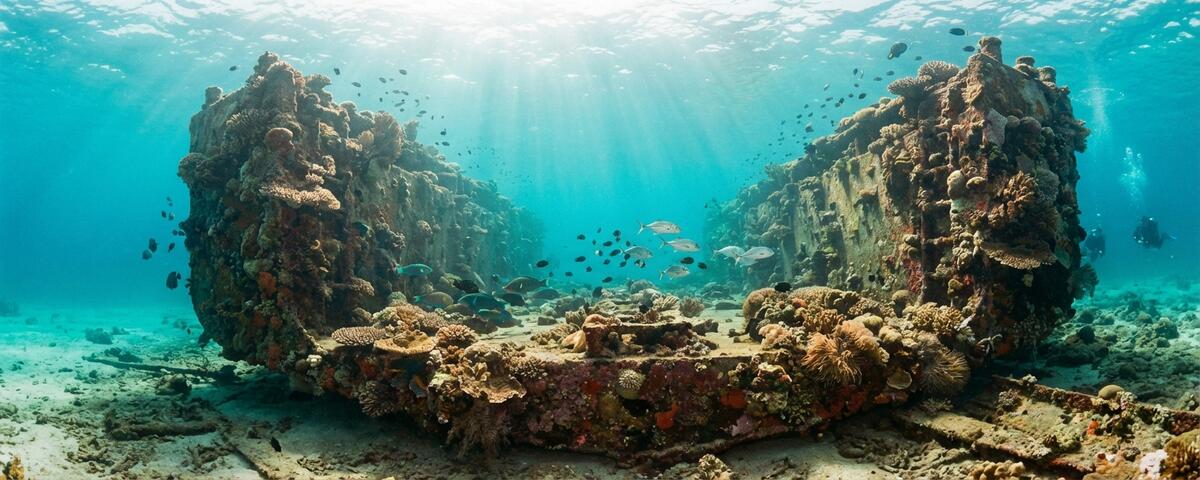
Kilima Steps sits along the rocky coastline east of Sabang, roughly 15 minutes by bangka from the main dive centres clustered around La Laguna and Panagsama beach. The site takes its name from the obvious: a series of reef terraces that rise from a sandy bottom at around 20 to 25 metres in a staircase pattern all the way up to 5 metres, creating one of the most naturally structured multilevel dive profiles in Puerto Galera.
The Verde Island Passage runs just offshore, and Kilima Steps benefits from the same biological richness that makes this corridor the most species-dense marine habitat on earth. A 2005 study by Kent Carpenter and Victor Springer at the California Academy of Sciences confirmed the passage holds more marine shore-fish species per unit area than anywhere else, and the terraced reef structure at Kilima captures all of it. Each step hosts its own community, from the deeper gorgonian fans and barrel sponges to the shallow hard coral gardens buzzing with surgeonfish and damselfish.
What makes Kilima Steps genuinely useful as a dive site, beyond the biodiversity claim, is the topography itself. The stepped profile means your depth changes happen naturally as you move between terraces. You spend time at each level, ascending gradually without the monotony of a single sloping reef. Newer divers find the structure reassuring because there's always a reference point. More experienced divers appreciate that they can push deeper on the first terrace and work their way up, managing nitrogen loading without thinking about it.
The site has gained a reputation in recent years for something unexpected: thresher shark sightings. Since around 2020, divers and operators in Puerto Galera have reported consistent thresher shark encounters, and Kilima Steps appears to be the most reliable site for them. February and the cooler months seem to bring the highest frequency, possibly linked to thermocline shifts and upwelling from the passage. These aren't Malapascua-level guarantees, but for a site that costs a fraction of the price and sits 15 minutes from your resort, the possibility adds a genuine edge.
Puerto Galera's dive infrastructure is mature. More than 30 operators work the area, prices sit around $25 to $35 USD per dive, and the travel logistics from Manila are straightforward. Kilima Steps benefits from all of this while offering a site profile that works for everything from Open Water students doing their final sessions to photographers spending an hour on a single terrace.
Marine Life at Kilima Steps
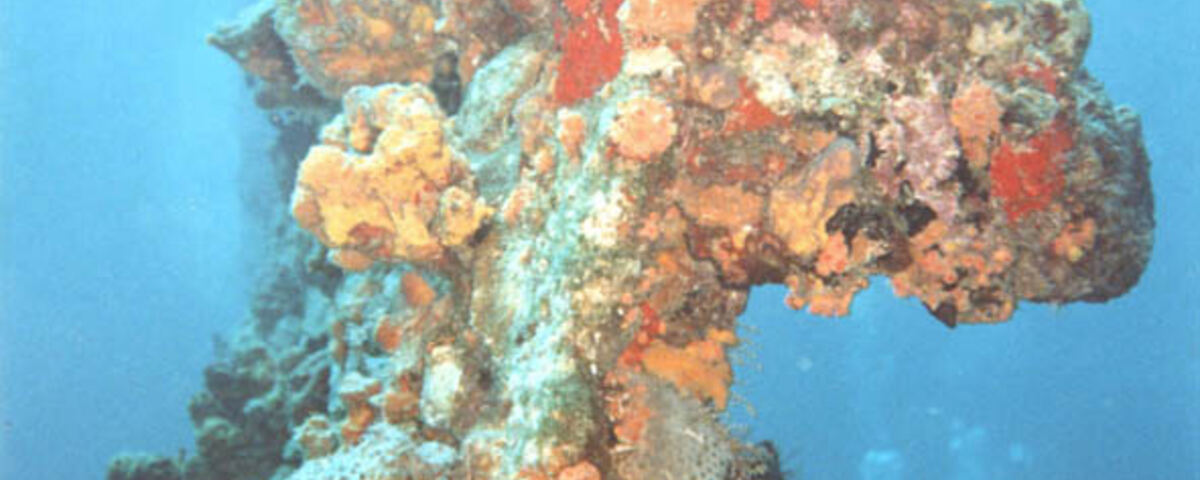
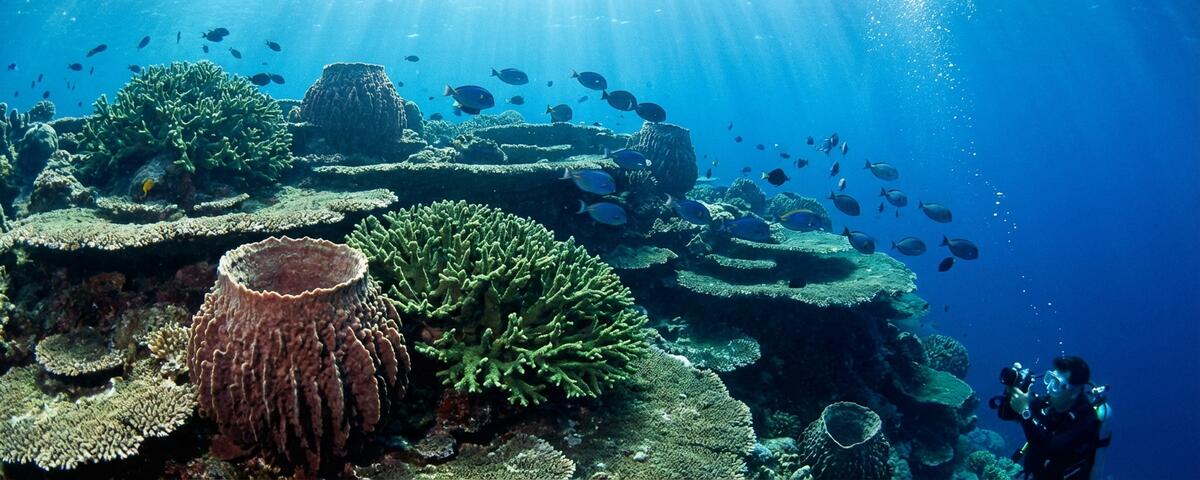
The terraced structure creates distinct habitat zones, and spending a few minutes on each step reveals different communities. The deepest terrace, down around 20 to 25 metres, features scattered gorgonian sea fans reaching out into the current, their branches filtering plankton from the tidal flow. Large barrel sponges grow here too, some big enough that you could sit inside them (though obviously you shouldn't). The substrate between sponges and fans is patchy coral rubble and sand, which is where the macro hunters start looking.
Pygmy seahorses hide in the gorgonian fans. These are among the most sought-after macro subjects in the Philippines, and Kilima Steps is one of the more reliable Puerto Galera sites for finding them. Bargibant's pygmy seahorse, the original species first described in 1970, attaches exclusively to Muricella sea fans, and there are enough fans here to support a small population. Finding them requires patience, a sharp eye, or a guide who knows which specific fan to check. At roughly 2 centimetres long and perfectly colour-matched to their host coral, they're invisible until someone points them out.
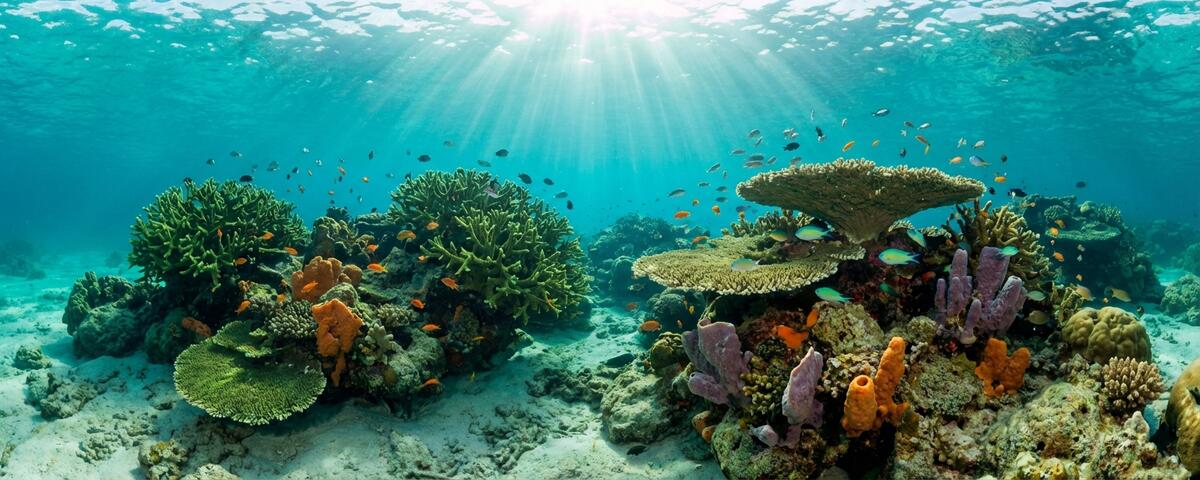
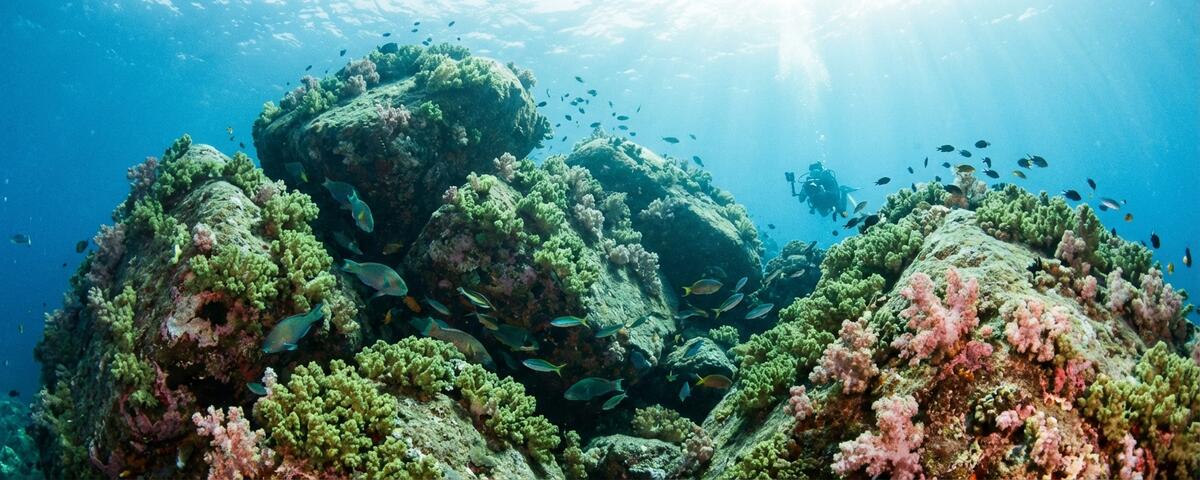
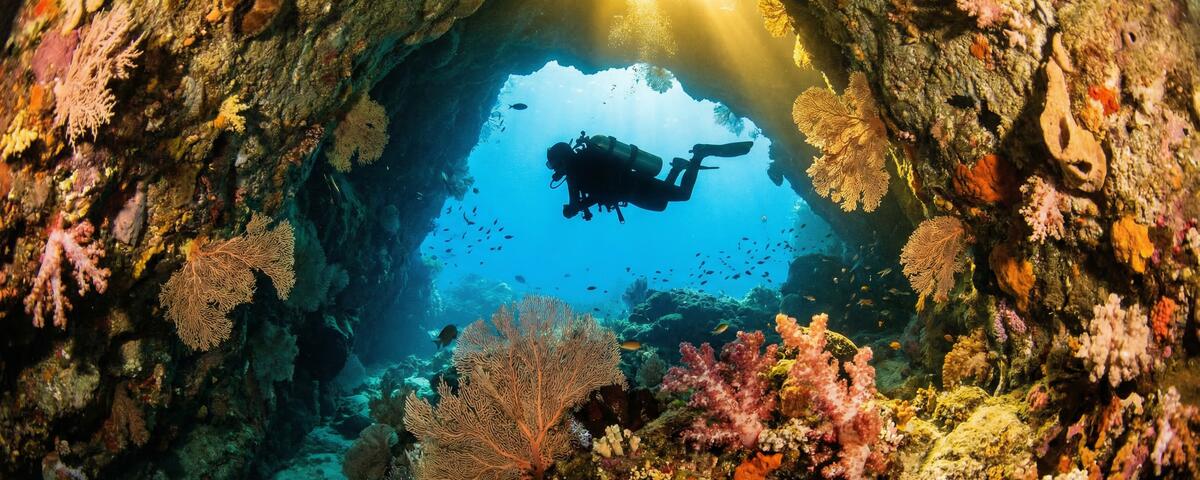
Moving up to the middle terraces between 12 and 18 metres, the hard coral coverage increases substantially. Table corals, branching Acropora, and massive Porites heads form the backbone of the reef structure. Green tree corals (Tubastrea micranthus) appear on overhangs and shaded surfaces, their fluorescent polyps creating striking visual contrast against darker rock. Crinoids perch on coral heads and fan branches, their feathery arms extended to catch passing food particles.
Blue tang surgeonfish school across the middle terraces in groups that can number in the hundreds. Their vivid blue bodies moving in formation against the coral backdrop is one of the signature visual experiences at Kilima Steps. Palette surgeonfish join them, and the combined schools create a constantly shifting blue-and-yellow pattern across the reef face. Red-toothed triggerfish hold territory among the coral heads, darting aggressively at anything that passes too close.
Moray eels occupy crevices throughout all levels of the site. Giant morays and yellow-margin morays are the most common species. Lionfish patrol the overhangs, particularly concentrated where the terraces create ledges with shadowed undersides. Scorpionfish sit motionless on the coral rubble, their camouflage so effective that most divers swim past without noticing. Stonefish have been reported here as well, so watch hand and fin placement.
Octopus are resident across the site. They tend to favour the sandy patches between terraces, where they build dens from shells and coral fragments. If your timing is right, you'll catch one hunting across the reef flat, its colour shifting with every surface it touches. Cuttlefish hover near the wall faces, assessing divers with their alien eyes before reversing away in a cloud of colour changes.
Nudibranchs are well represented. Chromodoris, Phyllidiella, and Glossodoris species turn up on virtually every dive. The hard coral surfaces and sponge-covered rocks provide feeding grounds for the full range of Puerto Galera's nudibranch diversity. Patient macro photographers can spend an entire dive on a single terrace without exhausting the subjects.
Turtles pass through regularly. Hawksbills are the more frequent species, drawn by sponge-covered surfaces on the deeper terraces. Green turtles appear occasionally but prefer the seagrass areas closer to the coastline.
The thresher shark sightings deserve separate mention. These deep-water sharks, recognisable by their extraordinarily long upper tail fin, have been spotted at Kilima Steps with increasing regularity since 2020. They typically appear in the blue water beyond the deeper terraces, sometimes circling the site at the edge of visibility. Sightings peak during the cooler months from December through March. They're not a guaranteed encounter, but local guides now actively look for them on every dive here, and the hit rate is high enough that several operators specifically market Kilima Steps as a thresher site.
Dive Conditions
Current at Kilima Steps ranges from mild to moderate on most days. The site's position along the coastline east of Sabang means it catches some tidal flow from the Verde Island Passage, but the terraced structure breaks up the current, creating sheltered zones behind each step where you can rest if the flow picks up. Spring tides around full and new moons push the current higher, and on strong flood tides the site can become a legitimate drift dive. Your guide will read conditions before entry and adjust the dive plan accordingly.
Visibility typically runs between 8 and 25 metres. The realistic average sits around 12 to 15 metres. Incoming tides bring cleaner water from the open passage, pushing visibility toward the higher end. Outgoing tides can carry sediment from shallower coastal areas, reducing clarity to the lower range. This is consistent across Puerto Galera's eastern sites. The best visibility tends to coincide with the northeast monsoon season from November through May.
Water temperature holds between 25 and 30 degrees Celsius year-round. The Philippines doesn't experience the dramatic seasonal temperature swings of more northerly destinations. A 3mm wetsuit is standard for most divers. Some prefer a 5mm during January and February when temperatures occasionally dip to the lower end, particularly on repetitive diving days where cumulative heat loss becomes noticeable.
The northeast monsoon season from November through May offers the best overall conditions: calmer seas, less rain, and generally better visibility. The southwest monsoon from June to October brings rougher surface conditions and heavier rain, which can temporarily drop visibility. Kilima Steps remains diveable through most of the wet season because the site is somewhat sheltered by the headland to its west, but surface chop can make the boat ride less comfortable.
The stepped topography means depth control is straightforward. Each terrace provides a natural reference point, and ascending from one step to the next creates a gradual multilevel profile that manages nitrogen loading efficiently. This makes the site forgiving for newer divers who might struggle with depth awareness on a featureless wall or slope.
Surface conditions around the site are generally manageable. Boat traffic is lighter than in the immediate Sabang bay area. Most operators use bangka outriggers. Entry is typically a backward roll or giant stride, with the boat repositioning for pickup.
⚓ Divemaster Notes
Kilima Steps is one of the more versatile sites to guide in Puerto Galera. The stepped topography creates a natural multilevel profile that works for mixed-ability groups without requiring much management on your part. The site essentially guides itself in terms of depth progression.
Brief your group on the terrace structure before entry. Explain that you'll start at the deepest level and work upward, spending time on each step. This helps newer divers understand the dive plan and reduces anxiety about depth. For experienced divers or photographers, mention that the deepest terrace has the gorgonians and pygmy seahorse potential, and the middle terraces have the densest fish aggregations.
Current check before entry is essential. On a mild day, you can work the terraces at whatever pace suits the group. On a stronger tidal flow, start upcurrent and drift along the terraces, letting the current do the work. If conditions are running harder than expected, stay on the middle and upper terraces where the steps break the flow and create shelter.
For groups interested in thresher sharks, position the first few minutes of the dive at the deepest comfortable terrace with eyes toward the blue water. Threshers tend to appear at the edge of visibility, circling the site. They're skittish, so brief your group to stay calm, avoid sudden movements, and let the shark set the distance. February through March seems to produce the most sightings.
Pygmy seahorse searches should be done carefully. If you know which gorgonian fan hosts them (and you should, because they rarely move between fans), approach slowly and point them out with a baton or pointer rather than touching the fan. Limit the group to two or three divers at the fan at a time. Strobe flashes should be kept to a minimum as the light stresses these tiny animals.
Photography groups will want to linger on individual terraces. Let them. The density of subjects on each step means rushing between levels wastes the site's best asset. If guiding a dedicated photo group, brief that you'll cover perhaps two terraces rather than the entire site.
The sandy patches between terraces can silt up with careless fin kicks. Brief on buoyancy and fin technique, particularly for newer divers. Frog kicks or modified flutter keep the visibility intact for everyone behind you.
Safety stop is comfortable on the shallowest terrace at 5 metres. There's enough to look at during the stop to keep divers stationary and entertained. The hard coral garden at the top level is healthy and photogenic, so the stop often ends up being one of the highlights rather than a boring hang in blue water.
This site works well as a checkout dive for Open Water students on their final sessions, a multilevel dive for Advanced course training, or a leisurely exploration for experienced divers and photographers. It pairs naturally with Sinandigan Wall or Coral Cove on a two-dive morning.
How to Get to Kilima Steps
Puerto Galera sits on the northern tip of Mindoro island, roughly 130 kilometres south of Manila. The journey involves road and sea travel but is well-established and straightforward.
From Manila, take a bus from the Buendia or Cubao terminals to Batangas City pier. Several bus companies run this route throughout the day, and the journey takes about two hours depending on traffic. Private car transfers or vans can be arranged through Puerto Galera accommodation for PHP 3,500 to 5,000 (roughly $60 to $90 USD).
From Batangas pier, passenger ferries and bangka boats cross to Puerto Galera. The fast ferry takes around an hour and costs PHP 250 to 350 ($4.50 to $6.50 USD). Boats arrive at either Muelle pier in Puerto Galera town or directly at Sabang beach. If you're staying in the Sabang or La Laguna area where most dive operations are based, the direct Sabang boat saves you a tricycle ride.
From Ninoy Aquino International Airport (NAIA), the total door-to-door journey takes four to five hours. Some dive resorts offer combined transfer packages that include van pickup from the airport, ferry crossing, and final transfer to the resort.
Once in Puerto Galera, Kilima Steps is a 15-minute bangka ride east of the Sabang and La Laguna beach areas. Every established dive operator includes it in their regular site rotation. The site sits along the same stretch of coastline as Sinandigan Wall, Coral Cove, and the Boulders, so it's commonly paired with one of those sites on a two-dive trip.
For international visitors, Manila is served by direct flights from most major Asian cities, Australia, the Middle East, and several European and North American hubs. Philippine Airlines, Cebu Pacific, and AirAsia all operate extensive networks into NAIA and Clark Airport.
Gear Recommendations
A 3mm full wetsuit is sufficient for most divers year-round. Water temperature sits between 25 and 30 degrees, and the shallow maximum depth means you won't lose much heat to wetsuit compression. A 5mm is reasonable if you're doing four or five dives daily across multiple days, particularly during January and February when the water sits at the cooler end of the range.
Torch is recommended even for day dives. The terraces create overhangs and shaded ledges where lionfish, scorpionfish, and moray eels hide. A torch reveals their colours and details that ambient light at depth washes out. For the green tree corals in particular, artificial light brings out the fluorescent tones that disappear under natural lighting at 15 metres. At night, a primary torch of 1,000 to 1,500 lumens plus a backup is standard.
Surface marker buoy and reel. You're surfacing in open water from a bangka dive. Deploy your SMB from 5 metres during the safety stop. Most operators provide SMBs, but carrying your own is always more reliable and removes one variable from the dive.
For photography, Kilima Steps rewards both setups but for different reasons. Wide-angle with a fisheye or rectilinear zoom behind a dome port captures the terraced landscape, the surgeon fish schools, and (if you're fortunate) a thresher shark cruising past. The stepped topography provides natural framing and foreground interest that flat reefs lack. For macro, a 60mm or 100mm equivalent lens picks up pygmy seahorses, nudibranchs, and the smaller critters that cover every surface. If you can only bring one setup, macro is probably the stronger choice here given the density of small subjects.
Dual strobes for wide-angle work help fill the shadows under terrace overhangs and bring out the coral colours. Single strobe works for macro. Video shooters benefit from continuous lights at this site because many subjects (octopus, cuttlefish, morays) are stationary enough for sustained close-up filming.
Most Puerto Galera operators provide full rental equipment at reasonable quality. If you own your mask and computer, bring them. Rental regulators and BCDs are functional but won't match personal gear. Nitrox extends bottom time on repetitive multilevel dives and is available from several operators for a small surcharge.
Dive computer is essential here more than at many sites. The multilevel profile means your computer's algorithm works in your favour, calculating extended no-decompression limits as you ascend through the terraces. Air-integrated or standalone, either works, but make sure it's set to the right gas mix if you're on Nitrox.
Recommended Dive Operators
Action Divers has operated from Small La Laguna beach since 1993 and includes Kilima Steps in their regular rotation. Their guides know the site inside out and can locate pygmy seahorses on specific fans without hesitation. PADI 5-Star centre with well-maintained equipment and small group sizes. Their briefings cover current direction, entry points, and recent sightings including thresher shark activity.
Casalay Boutique Villas and Dive Resort runs dives across all Puerto Galera sites including Kilima Steps. Their operation lists it as a beginner-friendly multilevel dive, and their guides are familiar with the macro life on each terrace. The resort itself offers a quieter alternative to the Sabang strip, with comfortable accommodation and a solid camera room.
Scandi Divers on Big La Laguna beach combines a relaxed atmosphere with thorough dive operations. Their instructors know Puerto Galera's sites comprehensively, and they run regular trips to Kilima Steps as both a standalone dive and paired with adjacent sites. Equipment is well maintained, boats are comfortable, and the rooftop restaurant makes a good spot between dives.
Octopus Divers operates from Sabang beach and has built a strong reputation for personalised service and small group sizes. Their guides are particularly good at pointing out macro subjects that less experienced eyes would miss, which matters at a site like Kilima Steps where the critter density rewards patience.
Sea Rider Dive Center on Sabang beach keeps rates competitive and focuses on attentive guiding. Good option for newer divers who want extra time and attention. Their guides actively look for thresher sharks on the deeper terraces during the cooler months.
Dive pricing across Puerto Galera is competitive. Expect to pay $25 to $35 USD per dive including equipment rental, guide, and boat. Packages of 5 or 10 dives reduce the per-dive cost further. Nitrox is available at several operators for a small surcharge.
Liveaboard Options
Puerto Galera is primarily a land-based dive destination. The sites sit within short bangka rides of shore-based operations, and the infrastructure of resorts, restaurants, and dive centres along Sabang and La Laguna makes resort-based diving the standard approach.
Some Philippine liveaboard itineraries include Puerto Galera as a starting or ending point. Boats running routes through the Verde Island Passage, south toward Apo Reef, or across to the Visayas may dive Kilima Steps and other Puerto Galera sites on their first or last day.
PHY Philippines (formerly Philippine Siren) runs liveaboard routes that occasionally pass through the Verde Island Passage, offering Puerto Galera sites as part of extended itineraries. Their vessel carries 16 guests with comfortable cabins and a dedicated camera room.
The Philippines Aggressor operates Visayas routes that can include Verde Island Passage stops, depending on the specific itinerary and season.
For most divers, the practical approach is a resort-based trip. Stay at one of the dive resorts for three to seven nights and dive daily. The combination of shore access and bangka boat dives gives flexibility that a liveaboard schedule cannot match. A week in Puerto Galera with accommodation, meals, and 15 to 20 dives can run $500 to $800 USD depending on your accommodation standard.
If combining Puerto Galera with a liveaboard, a good option is diving PG shore-based for three to four days, then joining a liveaboard departing for Apo Reef, the Calamian Islands, or a Visayas route. This gives you the wall diving and critter hunting of the Verde Island Passage plus the remote reef systems and big-animal encounters that liveaboard itineraries access.