Pink Wall Dive Site
Puerto Galera (Mindoro), Philippines · Near Puerto Galera
Overview
Pink Wall sits along the rocky coastline east of Sabang, tucked between the more famous Canyons site and Kilima Steps. It is one of those Puerto Galera dive sites that rarely makes the highlight reels but consistently delivers one of the prettiest underwater scenes on Mindoro's north coast. The site gets its name from the obvious: a wall section at around 12 to 18 metres covered in dense colonies of pink soft coral that create a striking visual effect, particularly when the current is running and the polyps are fully extended.
Puerto Galera diving revolves around the Verde Island Passage, a body of water that marine biologists have identified as sitting at the global centre of marine shore-fish biodiversity. That's not marketing language. A 2005 study by Kent Carpenter and Victor Springer at the California Academy of Sciences confirmed the passage holds more species per unit area than anywhere else on the planet. Pink Wall benefits directly from this biological richness. The site is small and shallow enough that you could dismiss it on paper, but the density of life packed onto its wall and surrounding reef flat is genuinely remarkable.
The topography is straightforward. A reef flat starts at 3 to 5 metres, dotted with hard coral heads and patches of sandy rubble. This slopes gradually toward the wall proper, which drops from roughly 10 metres down to a sandy bottom at 15 to 18 metres. The wall itself runs for about 60 to 80 metres and faces roughly south, catching the tidal current that moves through this section of coast. That current is what feeds the soft corals, and they've responded by colonising every available surface on the wall face.
What makes the site genuinely useful is its depth profile. Maximum 18 metres means extended bottom times on air, making it perfect for newer divers, photography sessions that need patience, or a second or third dive of the day when your residual nitrogen loading needs a shallower option. Most Puerto Galera operators slot Pink Wall into their afternoon schedules or run it as their go-to night dive. The night diving here is, by most accounts, the real draw.
The sheltered position protects the site from the worst of the southwest monsoon swell that batters more exposed sites along this coast during the wet season. You can dive Pink Wall comfortably in conditions that would shut down Canyons or West Escarceo. That reliability matters when you've flown to Manila, caught a bus to Batangas, and taken a boat across to Puerto Galera only to discover the weather isn't cooperating.
Marine Life at Pink Wall
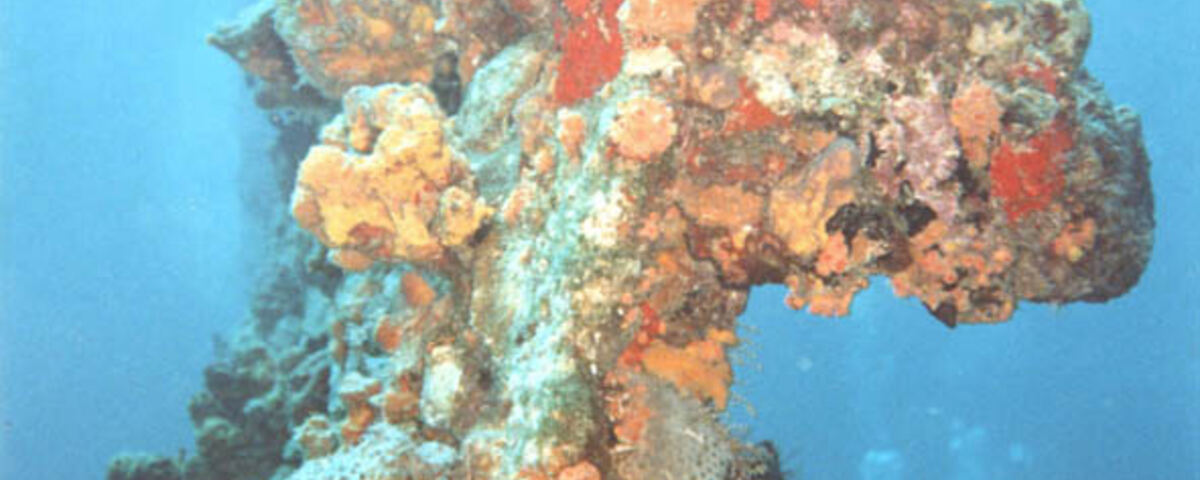
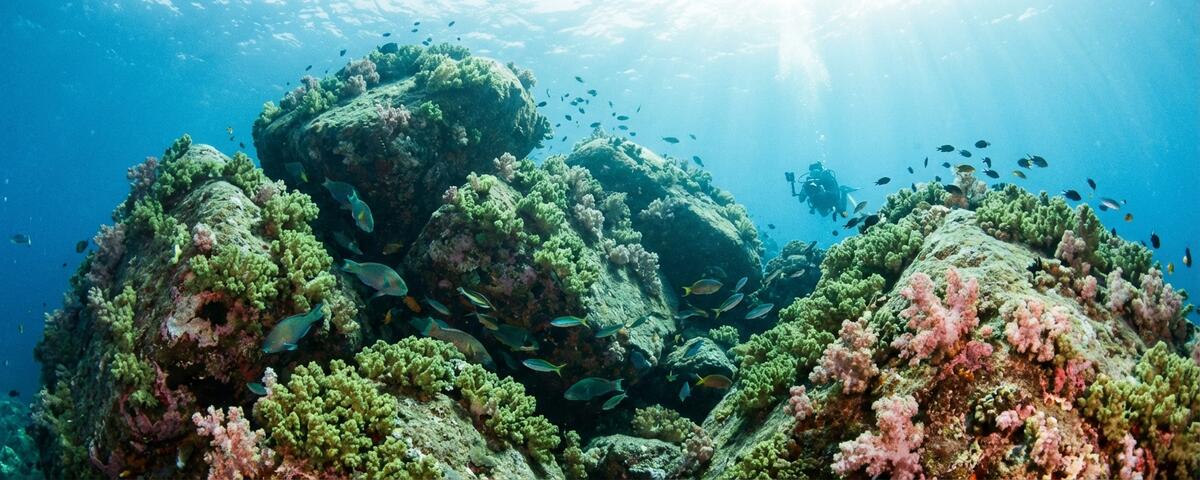
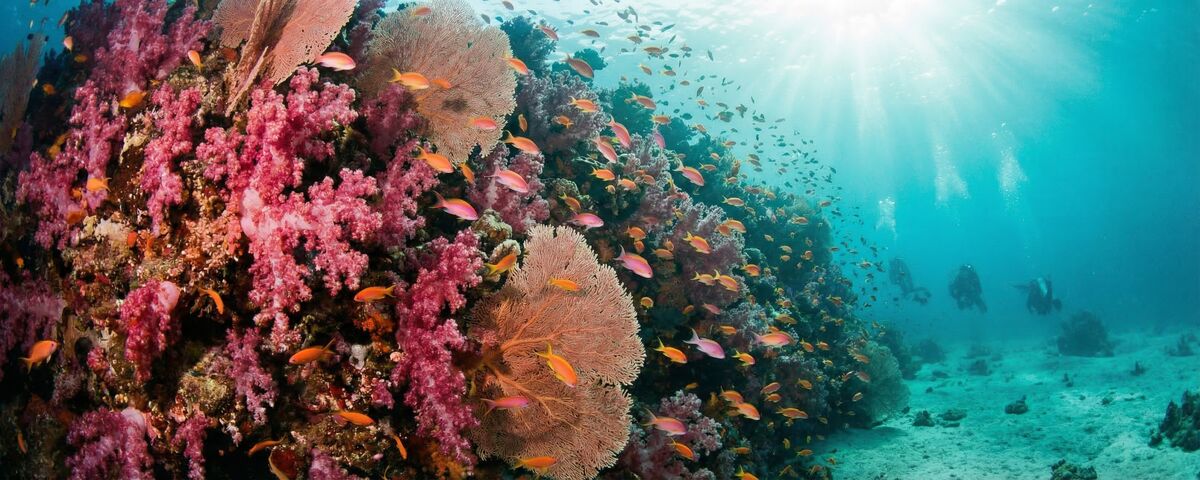
The pink soft corals are the headline act, and they genuinely earn the name. Dendronephthya species dominate, their branches loaded with polyps in shades ranging from pale rose to deep magenta. When current is flowing and the polyps are feeding, the wall looks like someone draped it in pink fabric. The effect is strongest on the lower two-thirds of the wall face between 12 and 18 metres, where the colonies are largest and most densely packed. Some individual colonies reach 30 to 40 centimetres across.
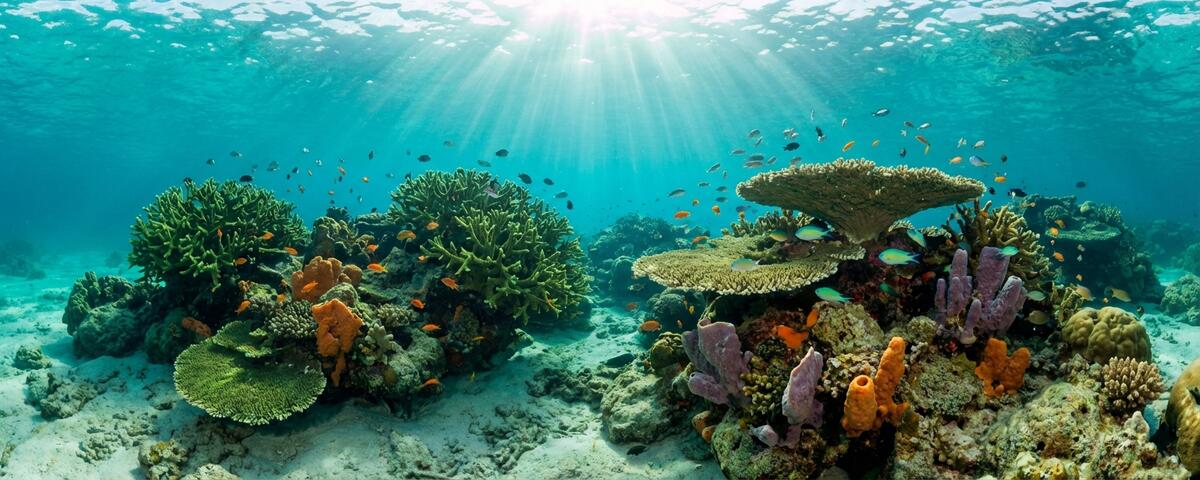
Whip corals add vertical lines to the composition, jutting out from the wall at various angles. Several reach well over a metre in length. Sea fans appear at the deeper end of the wall, though they're not as large or numerous here as at Canyons next door. The hard coral coverage on the reef flat above the wall is healthy, with branching Acropora, massive Porites, and patches of table coral providing habitat structure.
Anthias swarm the wall face in clouds of orange and purple. They're the most immediately visible fish here, and their constant movement against the pink coral backdrop creates the photographic opportunity that draws macro and wide-angle shooters alike. Damselfish defend their algae patches aggressively on the reef flat. Butterflyfish work in pairs across the hard corals. Schools of fusiliers stream past in the water column above the wall, chased occasionally by the odd jack or trevally.
Scorpionfish are common and well camouflaged against the wall substrate. Finding them requires patience and a good eye, or a guide who knows their favourite spots. Stonefish have been reported here too. Watch where you put your hands. Lionfish are everywhere, particularly during night dives when they come out to hunt along the wall edge. Moray eels occupy crevices throughout the site, with the yellow-margin moray and giant moray both present.
Nudibranchs are the real macro prize at Pink Wall. The soft coral habitat supports a solid variety of species, and dedicated nudibranch hunters can spend an entire 60-minute dive on a 10-metre stretch of wall without running out of subjects. Chromodoris, Phyllidiella, and Glossodoris species turn up regularly. Flatworms compete for attention on the same surfaces.
Turtles pass through. Hawksbills are the more common species here, drawn by the sponges growing on the wall. Green turtles appear occasionally but tend to prefer the seagrass areas closer to the coast. Blue-spotted stingrays rest on the sand at the base of the wall. Cuttlefish hover near the wall face, changing colour and texture in real time as they assess whether you're a threat or just another clumsy diver.
The night diving transforms this site. Crabs, shrimp, and other crustaceans emerge from every crack in the wall. Basket stars unfurl their intricate arms to filter-feed. The soft coral polyps extend fully, making the wall appear even more densely covered than during daylight. Spanish dancers, the enormous red nudibranchs that can reach 40 centimetres, have been spotted here during night dives. Octopus hunt across the reef flat, their colour changes visible in your torch beam. The combination of accessible depth, sheltered conditions, and abundant nocturnal life makes Pink Wall one of the strongest night dives in Puerto Galera.
Dive Conditions
Current at Pink Wall is generally mild to moderate, which is one reason operators favour it for less experienced divers and night dives. The site sits in a slightly sheltered position compared to the headland sites like West Escarceo and Canyons, so the full force of the tidal flow doesn't hit the wall directly. That said, spring tides around the full and new moon can push the current up to a level where newer divers may find it challenging. Your guide will read the conditions before entry.
Visibility typically runs between 10 and 25 metres. The realistic average sits around 15 metres. Incoming tides tend to bring cleaner water from the Verde Island Passage, improving visibility noticeably. Outgoing tides can carry sediment and plankton from the shallower coastal areas, reducing clarity but also bringing in the nutrients that feed the soft corals. It's the same trade-off you see across most of Puerto Galera's sites.
November through May offers the best conditions overall. The northeast monsoon season brings calmer seas, less rain, and generally better visibility. The southwest monsoon from June to October can produce rougher surface conditions at more exposed sites, but Pink Wall's sheltered aspect means it remains diveable through most of the wet season. Heavy rain can temporarily drop visibility to 8 to 10 metres.
Water temperature holds between 25 and 30 degrees Celsius year-round. The Philippines doesn't have the extreme seasonal temperature swings you see in places like Thailand or Japan. A 3mm wetsuit is standard. Some divers prefer a 5mm during the cooler months of January and February when the water can sit at the lower end of that range, particularly on repetitive diving days.
The sandy bottom at 18 metres can silt up quickly if divers aren't careful with their fins. This is a site where buoyancy control matters, not because of depth or current but because careless fin kicks against the wall will destroy the visibility for everyone behind you and stress the soft coral colonies. Frog kicks or modified flutter only.
Surface conditions are generally calm in the immediate area. Boat traffic is light compared to the Sabang waterfront sites. Most operators use bangka outriggers that draw minimal draught. Entry is typically a backward roll or giant stride from the bangka, with the boat repositioning for pickup once the dive group surfaces.
⚓ Divemaster Notes
Pink Wall is one of the most straightforward sites to guide in Puerto Galera, which makes it a reliable option when you need a site that works for mixed-ability groups. The shallow depth profile, moderate current, and contained wall structure mean you can focus on showing your group interesting marine life rather than managing logistics.
Brief your group specifically about buoyancy near the wall. The soft corals are the entire point of this dive, and a diver ploughing through them with uncontrolled fin kicks ruins the experience for everyone and damages the colonies. Position newer divers slightly away from the wall face and above it rather than right against it. Experienced divers can move closer for photography.
For day dives, start at whichever end the current favours and drift along the wall. The wall section is short enough (60 to 80 metres) that you can cover it at a comfortable pace and still have 30 minutes to explore the reef flat and sandy areas at either end. Point out the scorpionfish. Most groups will swim straight past them without noticing, and finding one always gets a reaction.
For night dives, brief on torch etiquette. This is a site where divers tend to get absorbed in macro subjects on the wall and lose awareness of their buddy pair and the group. Establish a check-in signal before entry. The basket stars opening up on the wall are worth pointing out early in the dive because most divers have never seen one unfurled.
The sandy base at 18 metres is where blue-spotted stingrays rest. Approach slowly along the sand rather than descending directly on top of them. A startled ray bolting through a group causes chaos and ruins what should be a calm encounter.
Photography groups will want to spend the entire dive on a 10-metre section of wall. Let them. Don't rush photographers through this site. The density of macro subjects means every square metre produces something worth shooting. If guiding a dedicated photo group, brief them that you'll stay on the wall and not attempt the whole site.
This site works well as a second or third dive of the day when profiles need to stay shallow. It also functions as a checkout dive site for Open Water students doing their final confined or open water sessions, though position students carefully to avoid contact with the soft corals.
Safety stop can be done comfortably on the reef flat at 5 metres. There is plenty to look at during the stop, which keeps impatient divers entertained and stationary.
How to Get to Pink Wall
Puerto Galera sits on the northern tip of Mindoro island, about 130 kilometres south of Manila. Getting there involves a combination of road and sea travel that sounds more complicated than it actually is.
From Manila, take a bus from the Buendia or Cubao terminals to Batangas City pier. Several bus companies run this route throughout the day, and the journey takes roughly two hours depending on traffic. Alternatively, private car transfers or vans can be arranged through accommodation in Puerto Galera for around PHP 3,500 to 5,000 (roughly $60 to $90 USD).
From Batangas pier, passenger ferries and bangka boats cross to Puerto Galera. The fast ferry takes about an hour and costs PHP 250 to 350 ($4.50 to $6.50 USD). Boats arrive at either Muelle pier in Puerto Galera town or directly at Sabang beach, depending on the operator. If you're staying in the Sabang or La Laguna area where most dive operations are based, the direct Sabang boat saves you a tricycle ride.
From Ninoy Aquino International Airport (NAIA) in Manila, the total door-to-door journey takes four to five hours. Some dive resorts offer combined transfer packages that include van pickup from the airport, ferry crossing, and final transfer to the resort.
Once in Puerto Galera, Pink Wall is a 10 to 15 minute bangka ride from the Sabang and La Laguna beach areas. Every dive operator in the area includes it in their regular site rotation. It sits along the same stretch of coastline as Canyons, Hole in the Wall, and the Atoll, so it's commonly combined with one of those sites on a two-dive trip.
For international visitors, Manila is served by direct flights from most major Asian cities, Australia, the Middle East, and several European and North American hubs. Philippine Airlines, Cebu Pacific, and AirAsia all operate extensive networks into NAIA and Clark Airport.
Gear Recommendations
A 3mm full wetsuit covers most divers at Pink Wall year-round. Water temperature sits between 25 and 30 degrees, and the shallow depth means you won't be losing much heat to pressure-related wetsuit compression. A 5mm is reasonable if you run cold or are doing four or five dives in a single day across multiple days.
Torch is essential, not just for night dives but for day dives too. The soft coral colours under the overhangs and at the deeper end of the wall appear muted without artificial light. A torch reveals the true pink and magenta tones that natural light at 15 metres washes out to blue-grey. For night dives, a primary torch of 1,000 to 1,500 lumens plus a backup is standard practice.
Surface marker buoy and reel. Boat traffic in this area is lighter than around Sabang waterfront, but you're still surfacing in open water from a bangka dive. Deploy your SMB from 5 metres during the safety stop. Most operators provide SMBs, but carrying your own is always more reliable.
For photography, this site rewards both macro and wide-angle setups. The wall with pink soft corals and anthias clouds is a classic wide-angle subject. A fisheye or 10-17mm equivalent behind a dome port captures the wall-scape with good depth of field. For macro, a 60mm or 100mm equivalent picks up the nudibranchs, flatworms, and shrimp cleaning stations that cover the wall surface. If night diving with a camera, macro is the clear winner. A dedicated macro lens with a snoot or spotlight for creative lighting produces striking results against the dark background.
Dual strobes for wide-angle work to fill in the shadows on the wall face and bring out the soft coral colours. A single strobe works for macro. Video shooters benefit from continuous lights rather than strobes at this site because the subjects are small and stationary enough to allow close, steady filming.
Most Puerto Galera operators provide full rental equipment. Quality is generally acceptable but not premium. If you own your own mask and computer, bring them. Rental regulators and BCDs function but won't match what you're used to at home. Nitrox is available at some operators for a small surcharge and extends bottom time noticeably on repetitive shallow dives like this one.
Recommended Dive Operators
Action Divers operates from Small La Laguna beach and has been running dives in Puerto Galera since 1993. They include Pink Wall in their regular rotation and their guides know every scorpionfish hiding spot on the wall. PADI 5-Star centre with well-maintained equipment. They keep group sizes small and their briefings cover current direction, entry points, and recent marine life sightings. Night dive schedules include Pink Wall as a regular option.
Scandi Divers sits on Big La Laguna beach in a quieter location away from the Sabang nightlife strip. Their dive centre is run with attention to detail, and their instructors know the Puerto Galera sites inside out. Good equipment, comfortable boats, and a strong safety record. The rooftop restaurant at the resort is worth mentioning because you'll spend time there between dives.
Angelyn's Dive Resort on Sabang beach lists Pink Wall as their site number 17 and includes it regularly in afternoon and night dive schedules. Established operation with experienced local guides who have been diving these waters for years. Equipment is functional and regularly serviced. Competitive pricing.
Sea Rider Dive Center on Sabang beach has built a strong reputation on TripAdvisor for personalised service. They keep rates affordable and focus on small group sizes. Good option for newer divers who want extra attention from their guide. Their night dive trips to Pink Wall are well-regarded.
Octopus Divers operates in Puerto Galera and includes Pink Wall in their site offerings. Their guides are familiar with the macro life on the wall and can point out nudibranchs and other small creatures that less experienced eyes would miss entirely.
Dive pricing across Puerto Galera is competitive. Expect to pay $25 to $35 USD per dive including equipment rental, guide, and boat. Packages of 5 or 10 dives bring the per-dive cost down further. Night dives typically cost the same as day dives or carry a small surcharge of $5 to $10.
Liveaboard Options
Puerto Galera is not a typical liveaboard destination. The area's dive sites are all within a short bangka ride from shore-based operations, and the infrastructure of resorts, restaurants, and dive centres along Sabang and La Laguna beaches makes land-based diving the standard approach.
That said, some Philippine liveaboard itineraries include Puerto Galera as a starting or ending point, particularly boats running routes through the Verde Island Passage, down to Apo Reef, or across to the Visayas. These liveaboards may dive Pink Wall and other Puerto Galera sites as part of a first or last day of diving.
PHY Philippines (formerly Philippine Siren) runs liveaboard routes that occasionally pass through the Verde Island Passage, offering Puerto Galera sites as part of a longer itinerary. Their boat carries 16 guests with spacious cabins and a well-equipped camera room.
For most divers, the practical approach to Puerto Galera is a resort-based trip. Stay at one of the dive resorts on La Laguna or Sabang beach for three to seven nights and dive daily. The sites are close, the prices are low, and the combination of shore access and bangka boat dives gives you flexibility that a liveaboard schedule doesn't. A week of diving in Puerto Galera with accommodation, full board, and 15 to 20 dives can run as low as $500 to $800 USD depending on your accommodation standard.
If you want to combine Puerto Galera diving with a liveaboard experience, consider diving PG for three to four days shore-based, then joining a liveaboard departing for Apo Reef or the Calamian Islands. This gives you the best of both: the macro and wall diving of the Verde Island Passage plus the big-animal encounters and remote reef systems that liveaboard itineraries access.