Verde Island Dive Site
Puerto Galera (Mindoro), Philippines · Near Puerto Galera
Overview
Verde Island sits in the strait that bears its name, the Verde Island Passage, a body of water that marine biologists have identified as the centre of the centre of marine shore fish biodiversity on Earth. That's not marketing copy. Dr Kent Carpenter's 2005 study documented that this stretch of water between Mindoro and Batangas contains more species of marine fish per unit area than anywhere else on the planet. Diving Verde Island puts you at the epicentre.
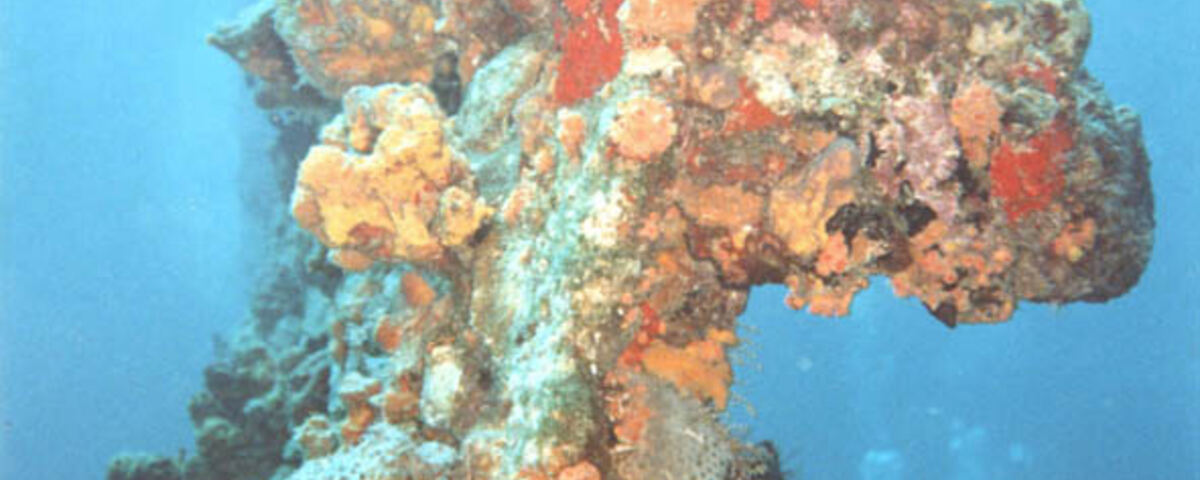
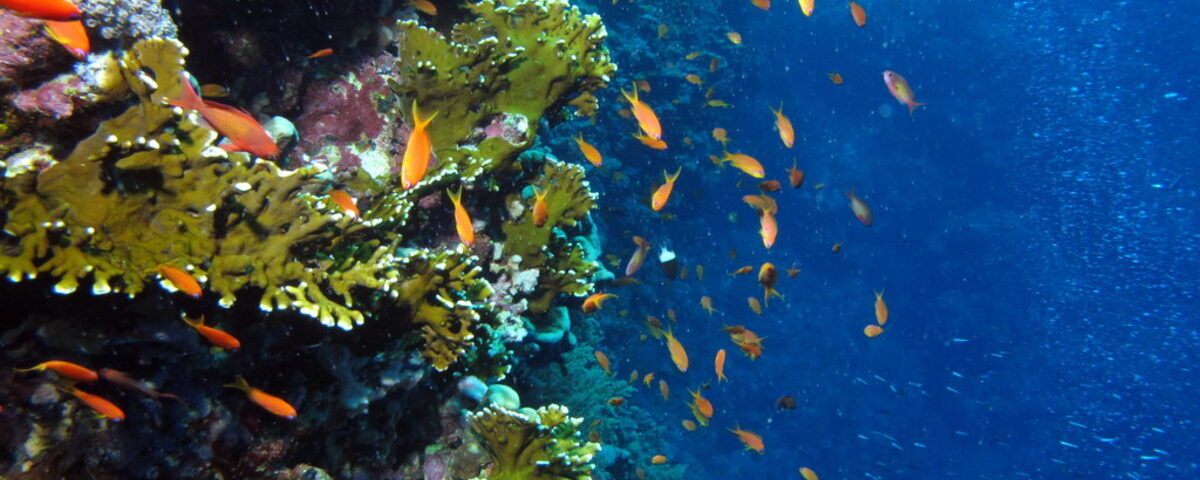
The island offers several dive sites along its perimeter, but the general Verde Island experience involves wall diving along the island's northern and western faces. These walls drop from a shallow reef at about 8 metres to depths beyond recreational limits, with the most productive sections between 10 and 30 metres. Massive gorgonian fans, barrel sponges, and soft coral colonies cover the wall surfaces in density and colour that reflects the nutrient-rich current sweeping through the passage.
Current is the cost of admission. The Verde Island Passage funnels tidal flow between two landmasses, and the resulting current can be strong and unpredictable. The island's dive sites receive this flow directly, making them advanced-level dives when conditions are running. On slack water, the same sites become accessible to intermediate divers, but the timing window is narrow and the current can build quickly.
The marine life reflects the passage's extraordinary biodiversity. The wall hosts nudibranchs in ridiculous variety, with the western face known as the Nudibranch Wall among local operators. Pelagic visitors cruise the wall edge: jacks, trevally, barracuda, and reef sharks are all present. Sea turtles are common. The combination of macro diversity and pelagic encounters on a single dive is what makes Verde Island special.
The trip to Verde Island from Puerto Galera takes 30 to 45 minutes by banca, crossing the passage itself. The surface conditions are weather-dependent, and operators cancel when the strait is too rough. This makes Verde Island a premium, conditions-dependent experience rather than a daily guarantee.
Verde Island is the dive that justifies Puerto Galera's reputation as a world-class diving destination. The near-shore sites around Sabang are enjoyable, but Verde Island operates at a different level of biodiversity and underwater spectacle. It's the dive you come to Puerto Galera for, even if you only get one shot at it.
Marine Life at Verde Island
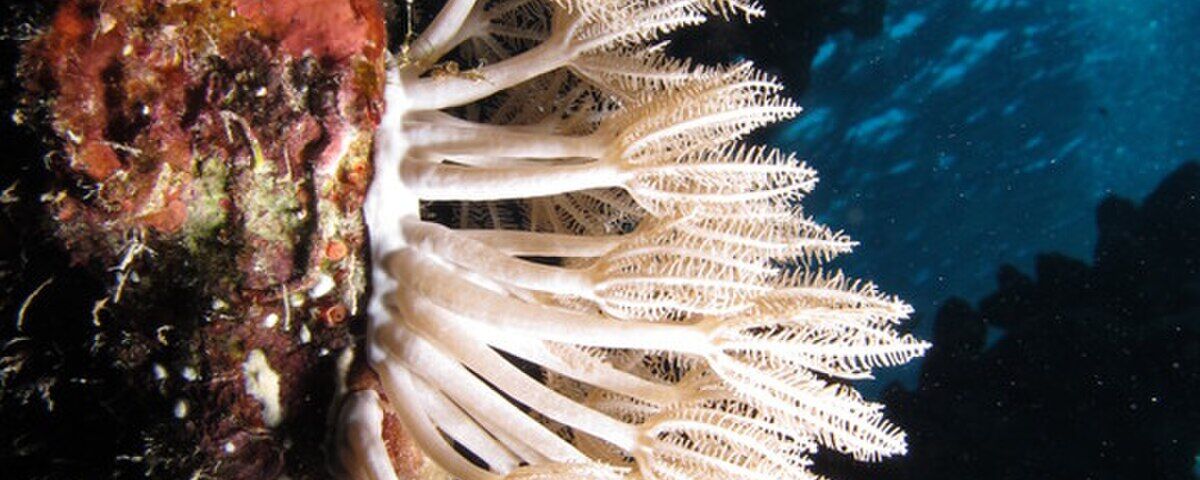
The wall surfaces host extraordinary biodiversity. Gorgonian fans span up to 2 metres, their orange, red, and white branches fanned into the current. Barrel sponges large enough to sit inside dot the wall at intervals. Soft corals in every colour blanket the surfaces between the larger organisms.
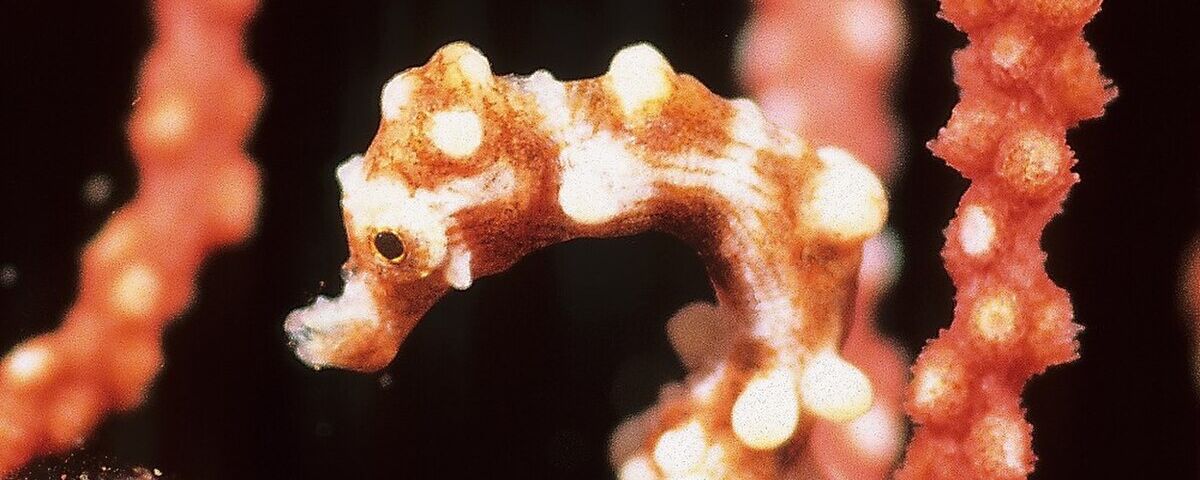
Nudibranch diversity is among the highest of any single dive site in the Philippines. The Nudibranch Wall section on the western face alone supports dozens of species, with new records reported regularly. Chromodoris, phyllidiids, aeolids, and dorid nudibranchs inhabit the sponge and coral surfaces. Macro photographers consider Verde Island a bucket-list destination.
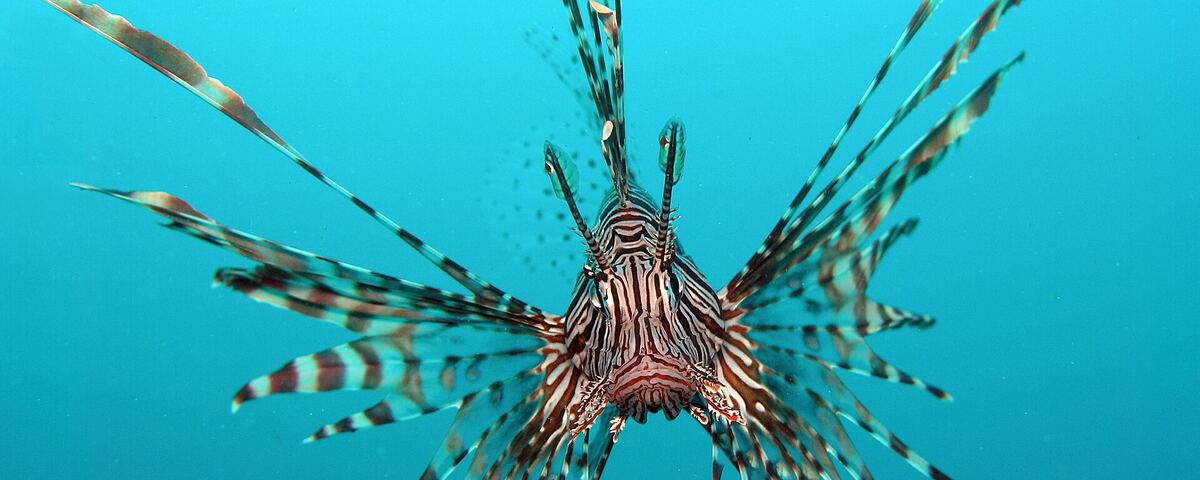
Pelagic traffic along the wall edge includes schools of jacks in tight formations, giant trevally hunting in pairs, and barracuda in groups ranging from small to impressive. Reef sharks (white-tip and grey reef) cruise the deeper wall sections. Eagle rays pass through periodically, and the occasional manta ray has been reported during plankton-rich conditions.
Sea turtles are common on the wall, with both green and hawksbill species present. They rest on ledges, feed on sponges, and swim between sections of the wall with an unhurried grace that suggests they know they're protected.
The wall's pinnacles and rock formations create current shadows that concentrate marine life. Schools of redtooth triggerfish shelter behind the pinnacles, their blue colouration vivid against the reef background. Moray eels inhabit the wall crevices, and cleaning stations attract clients from the reef fish community.
The bowl-shaped depression on the northern face, known to some operators as the Nudibranch Wall or the Bowl, concentrates nutrient flow and supports particularly dense critter communities. Sea bass, large trevally, and jacks frequent this area, drawn by the concentrated prey species.
Dive Conditions
Current at Verde Island ranges from moderate to strong, driven by the tidal flow through the Verde Island Passage. The passage acts as a funnel, accelerating the current as it passes between Mindoro and the Batangas coast. Slack water periods are brief and the transition from slack to running current can be abrupt.
Visibility is typically excellent at 15 to 30 metres, with the passage's open-water position providing cleaner water than the sheltered bay sites. Plankton blooms reduce clarity but correspond with increased marine life activity.
Water temperature is 25 to 29 degrees, with thermoclines possible from the deep water upwelling through the passage. A 3mm wetsuit is minimum; 5mm provides comfort during cooler periods.
The wall drops from a reef flat at 8 metres to beyond 35 metres recreational limit and much deeper beyond that. Most diving stays in the 10 to 30-metre range, with the best features concentrated between 15 and 25 metres.
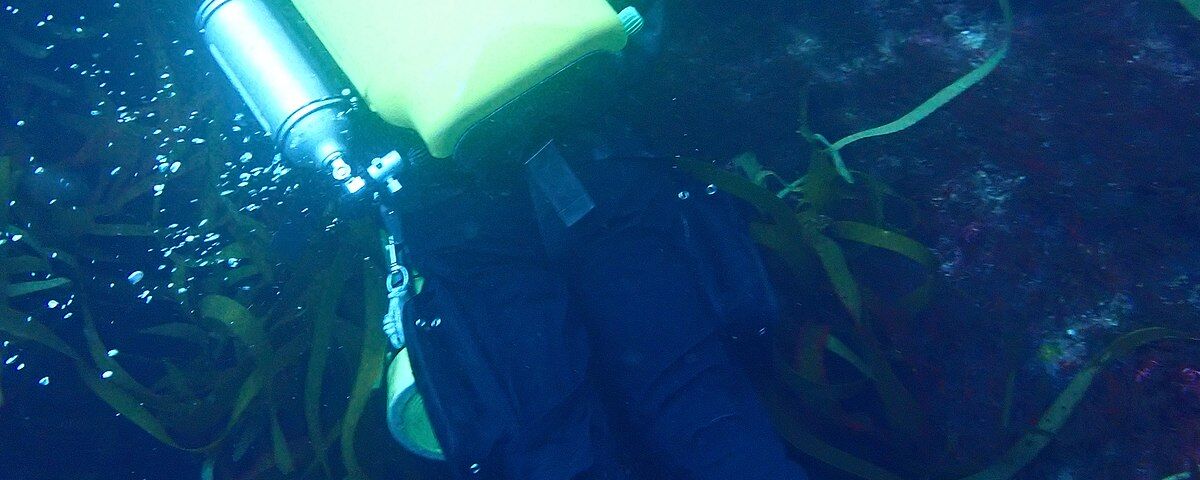
Drift diving is the standard technique, with the boat tracking the group and picking up downstream. Negative entries are common to get below the surface current quickly. SMB deployment is essential for the safety stop.
Advanced Open Water certification is the minimum. The combination of current, depth, and open-water position demands genuine comfort with these conditions. Experience with drift diving is strongly recommended.
⚓ Divemaster Notes
Verde Island is the dive I build an entire trip around. When guests arrive in Puerto Galera and ask what they shouldn't miss, this is it. Every other site is good. Verde Island is exceptional.
I time the dive for the transition from slack to incoming tide, when the current is building but not yet overwhelming. This sweet spot produces the best combination of manageable conditions and pelagic activity. The nutrient upwelling that the incoming tide brings draws the schooling fish to the wall edge.
The Nudibranch Wall section requires slow, focused diving in a small area. I take macro photographers to a specific 30-metre stretch of the western wall where the density of nudibranch species is highest, and we spend 30 to 40 minutes covering just that section. The quantity and variety is genuinely staggering.
For wide-angle divers, I run a drift along the northern wall, starting at the pinnacles and drifting east with the current. The gorgonian fans and barrel sponges create the best compositions, and the chance of pelagic encounters is highest along this section where the wall meets the current.
Current management is the critical skill. I brief the group on negative entries, current shelter techniques, and the importance of staying below the surface current (which is often stronger than the deeper flow). If anyone in the group lacks drift diving experience, I assess them at a simpler site before committing to Verde Island.
The boat ride back can be rough. The passage is a significant body of open water, and the afternoon wind chop can make the return uncomfortable. Seasickness prevention is not optional for sensitive individuals.
How to Get to Verde Island
Verde Island sits in the Verde Island Passage, approximately 30 to 45 minutes by banca from Sabang in Puerto Galera. The crossing traverses the passage itself, which can be rough in adverse conditions.
Puerto Galera is reached by ferry from Batangas City (1.5 hours), with Batangas City about 2 hours from Manila by road.
The trip to Verde Island is weather-dependent and typically commands a premium over standard Puerto Galera dive pricing. Operators assess conditions each morning and make go/no-go decisions based on wind, wave height, and current forecasts. Book the Verde Island trip early in your stay to allow for weather-related rescheduling.
The Verde Island trip premium is justified by the fuel cost, extended boat time, and the guide expertise required for current-swept wall diving. Expect to pay 30 to 50 percent more than standard Puerto Galera dive pricing. Group trips reduce the per-person cost; solo divers joining scheduled group trips is the most economical approach.
Accommodation in Puerto Galera concentrates around Sabang and Small La Laguna Beach, both within walking distance of most dive centres. The nightlife in Sabang can be lively, which either appeals or doesn't; quieter accommodation is available at Small La Laguna and along White Beach (Puerto Galera's White Beach, not the Moalboal one).
Gear Recommendations
3mm to 5mm wetsuit depending on conditions. Both macro and wide-angle lenses are rewarded here (bring both if you can). SMB essential for drift dives. Reef hook for stabilising on dead rock in current. Nitrox recommended for the wall diving depths. Powerful torch for the wall crevices and nudibranch close-ups. Dive computer with conservative settings for the current-depth combination.
Recommended Dive Operators
Asia Divers has extensive experience guiding Verde Island in various current conditions. El Galleon Dive Resort runs organised trips with experienced drift diving guides. Action Divers offers the trip for qualified divers with good safety protocols. Frontier Scuba provides small-group Verde Island experiences.
Liveaboard Options
Verde Island is primarily accessed from Puerto Galera's land-based operations. Liveaboards transiting through the Verde Island Passage may include the island on their itineraries, particularly those running routes between Manila and the Visayas. The Philippine Siren and similar vessels occasionally feature Verde Island as part of extended Philippine diving itineraries.