West Escarceo Dive Site
Puerto Galera (Mindoro), Philippines · Near Sabang, Puerto Galera
Overview
West Escarceo sits on the southwestern headland of Puerto Galera's dive zone, right where the Verde Island Passage starts making its presence felt. The site occupies a gently sloping reef that runs from about 5 metres down to a sandy bottom at 25, and its personality changes completely depending on what the tide is doing. On a calm day, it is one of the most relaxed photography dives in Puerto Galera, all colour and detail and cooperative subjects. On a strong flood tide, the same reef turns into one of the best drift dives in the region, sending you flying along the slope towards Escarceo Point with the current doing all the work.
This dual character is what makes West Escarceo worth knowing about. Most Puerto Galera dive sites get categorised as either easy reef dives or challenging current dives, but this one genuinely occupies both categories depending on conditions. A morning dive on slack water and an afternoon dive on the flood can feel like two completely different sites. The reef itself sits in a transitional zone between the protected bays around Sabang to the north and the exposed channel waters further west, which means the marine life reflects both environments. Reef residents that prefer calm conditions share the slope with pelagic visitors drawn in by the current.
The Verde Island Passage, often called the centre of the centre of marine biodiversity, pushes nutrient-rich water across this headland with every tidal cycle. That flow sustains the coral growth and attracts the schooling fish that make the site worth diving repeatedly. Scientists from the California Academy of Sciences identified the passage as having the highest concentration of marine species per unit area anywhere on the planet, and West Escarceo benefits directly from sitting right on the edge of that biological highway.
Puerto Galera has been a diving destination since the 1960s, making it one of the oldest established dive areas in Southeast Asia. The infrastructure reflects that history. More than 30 dive operators work the waters here, competition keeps prices around 1,200 to 1,500 PHP per dive, and the boat rides to most sites take less than 20 minutes. West Escarceo sits about 15 minutes from the Sabang beach departure points, which means it regularly appears on morning and afternoon dive schedules alongside neighbouring sites like Canyons and Hole in the Wall.
What separates West Escarceo from its more famous neighbours is accessibility. Canyons requires confident divers comfortable with depth and current. Hole in the Wall demands precise buoyancy through a tight swim-through. West Escarceo works for everyone. Open Water divers can stay on the shallow reef at 8 to 12 metres and have a perfectly satisfying experience, while advanced divers can push deeper and ride the drift when conditions allow. It is the site where instructors take students for their first taste of current diving, and where experienced divers go when they want an easy second dive after a demanding first one.
Marine Life at West Escarceo
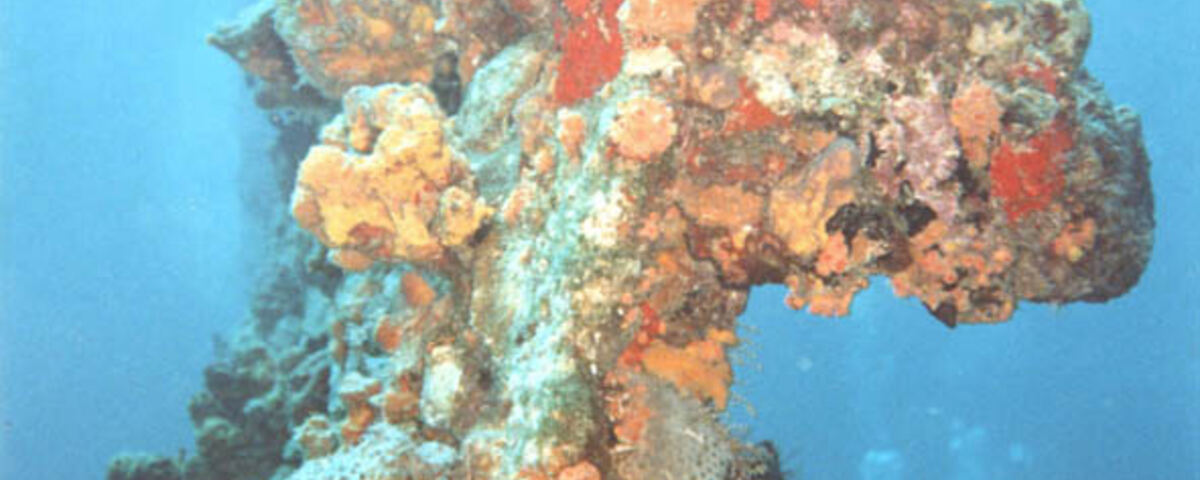
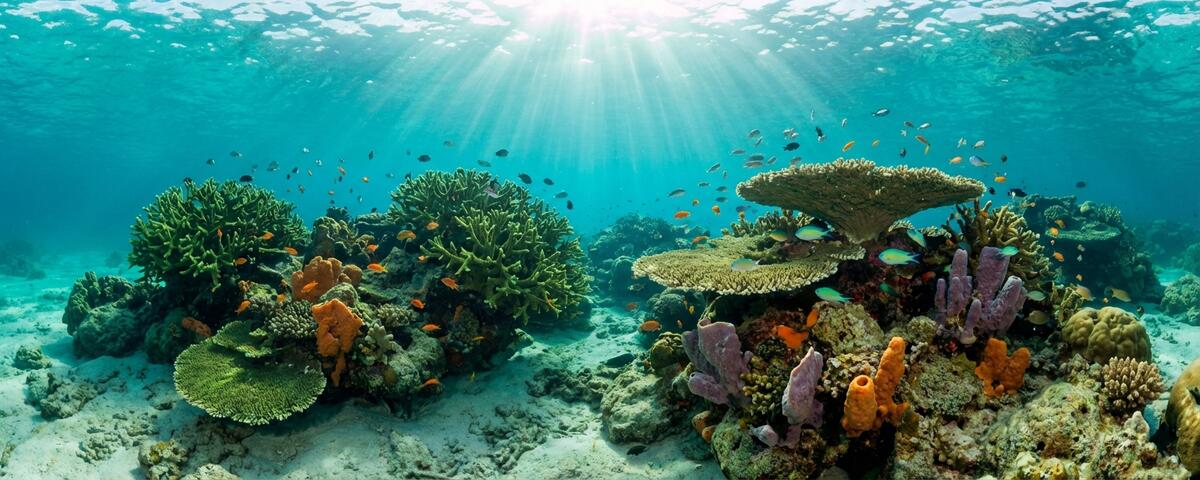
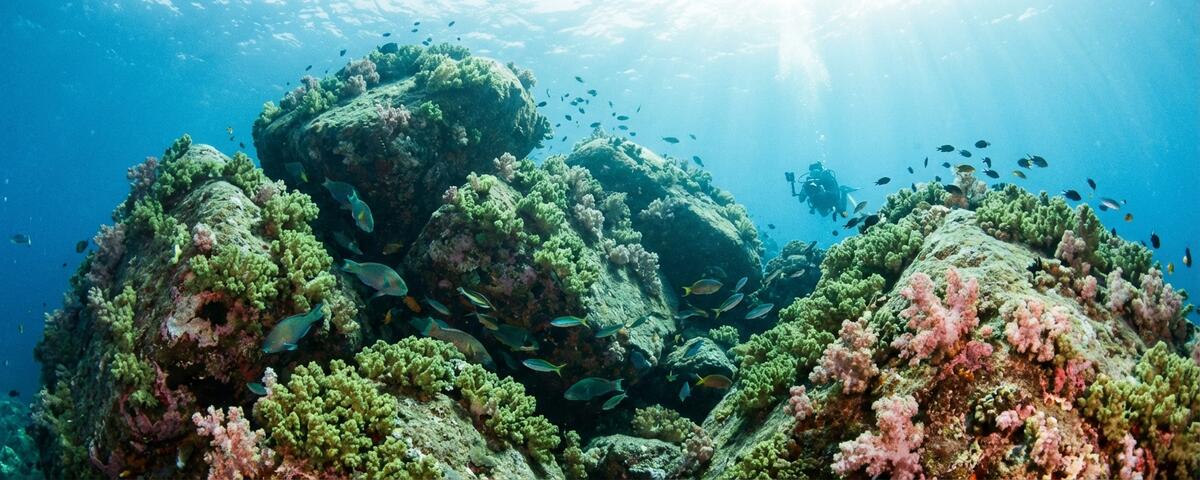
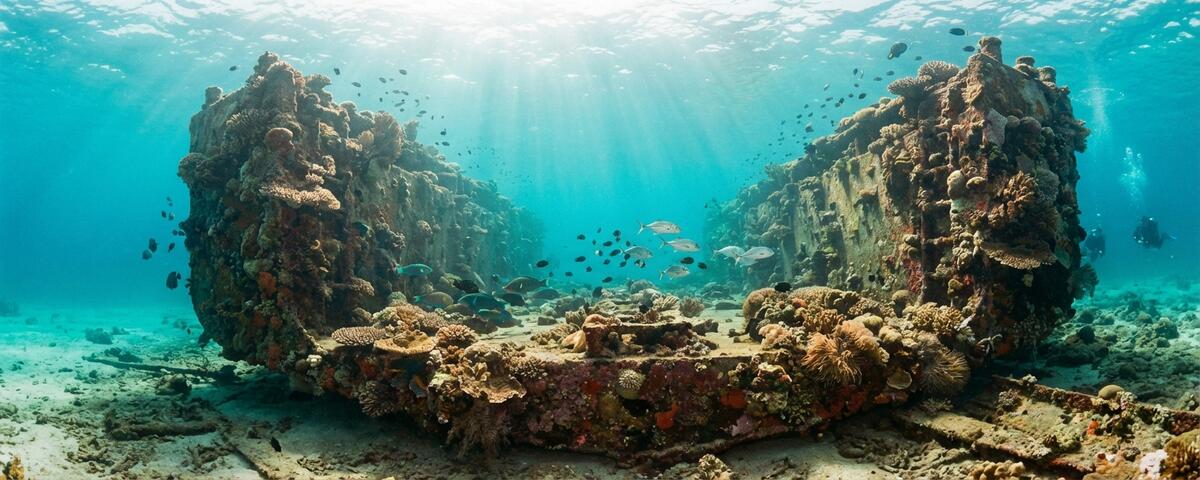
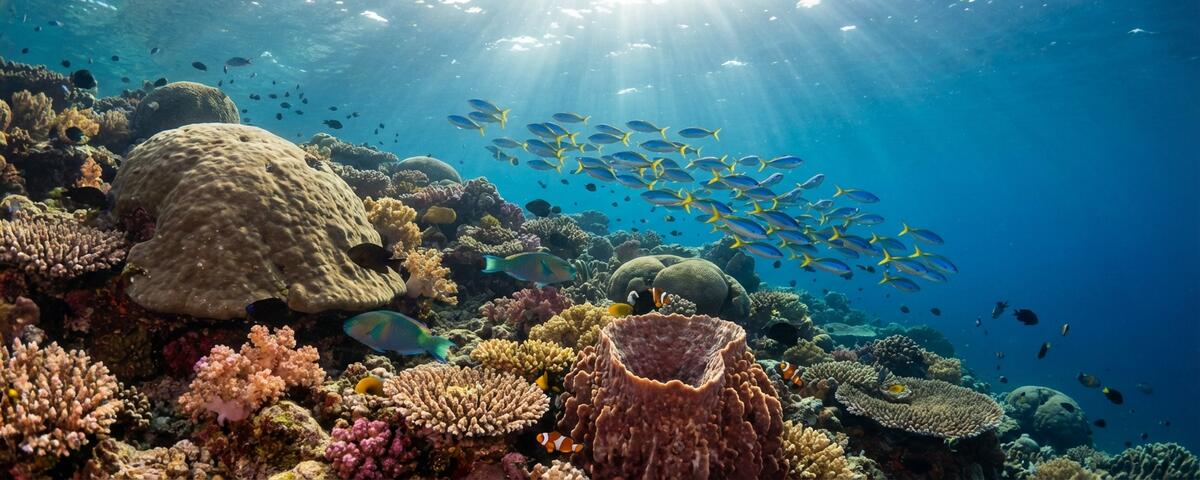
The shallow reef from 5 to 12 metres is dominated by large boulder corals, some of them genuinely impressive specimens that have been growing undisturbed for decades. These formations create a landscape of rounded mounds separated by sandy channels, and the sheer size of individual coral heads makes the shallow section feel like an underwater rock garden designed by someone with a taste for the monumental. Table corals extend horizontally from the slope at intervals, their flat surfaces hosting cleaning stations where smaller fish queue up to have parasites picked off.
Scorpionfish are the signature species here, and West Escarceo has an unusual abundance of them. They sit motionless on coral rubble and rocky ledges, relying on camouflage so effective that you can stare directly at one and not see it until your guide points. Devil scorpionfish, bearded scorpionfish, and the occasional leaf scorpionfish all turn up on the same dive. Octopus share this talent for hiding in plain sight, and there are enough of them on this reef to make every rocky crevice worth a second look. Watch for the colour shifts as they realise they have been spotted, cycling through patterns faster than you can process them.
Blue-spotted stingrays are common on the sandy bottom at depth, resting on the flat areas between coral outcrops or half-buried in the sand with only their eyes and tail visible. They tend to sit still until you get within about two metres, then glide away with that effortless undulation that makes rays look like they are flying rather than swimming. Larger pufferfish patrol the mid-reef, including map puffers and star puffers that can reach genuinely impressive sizes here.
The deeper sections below 18 metres feature long whip corals extending from the substrate, their thin spirals reaching into the current to filter-feed. Red-toothed triggerfish school in loose aggregations above these deeper areas, their dark bodies and prominent red teeth making them easy to identify even at a distance. They tend to duck into crevices when approached, which is entertaining to watch when a dozen of them simultaneously vanish into the same crack in the reef.
As you move closer to Escarceo Point on the western end of the site, the schooling fish become noticeably more dense. Big-mouth mackerel form tight balls when predators are near, their silver sides flashing as they turn in unison. Juvenile tuna pass through in small groups, moving fast enough that you only catch them if you happen to be looking in the right direction. Trevallies hunt the edges of the reef in packs of three or four, accelerating suddenly when they spot prey. Emperor fish cruise the mid-water with the calm authority of species that know they are too big for most predators to bother with.
The reef harbours an excellent macro scene alongside the larger marine life. Nudibranchs in various species crawl across sponge surfaces. Commensal shrimp live within anemones, and cleaner shrimp operate from stations along the reef where fish line up for servicing. Moray eels occupy holes in the larger coral formations, with giant morays and yellow-margin morays both present. Lionfish hover under overhangs with their venomous spines displayed, and well-camouflaged crocodilefish lie flat on sandy ledges, their textured skin blending perfectly with the substrate.
Green sea turtles visit the reef regularly. They are not resident in the way that turtles at some sites are, but the seagrass beds nearby provide feeding grounds, and turtles transit across West Escarceo often enough that sighting one on any given dive is a reasonable expectation rather than a lucky bonus.
Dive Conditions
The reef starts at around 5 metres on the shallow crest and slopes gradually to a sandy bottom at approximately 25 metres. Most of the interesting diving happens between 8 and 18 metres, where the coral coverage is densest and the marine life most concentrated. The slope angle is gentle enough that depth management is straightforward, making this a forgiving site for less experienced divers.
Current is the variable that transforms this dive. On slack water or a gentle ebb, there is essentially no current at all, and you can navigate the reef freely in any direction. On a moderate flood tide, a pleasant drift develops that carries you southwest along the slope towards Escarceo Point. On a strong flood, that drift becomes genuinely fast, and the dive turns into a proper drift dive where you cover the entire length of the reef in 30 minutes without finning. Your dive guide will make the call on the day, and most operators check current conditions at the site before committing to a dive plan.
The strong current days are actually the most exciting. The increase in water movement brings better visibility, more pelagic action at the reef edge, and the unmistakable thrill of flying along a reef at speed with zero effort. But they also require competent buoyancy control and the ability to deploy an SMB from depth for the safety stop. If you have never done a drift dive before, discuss it with your guide beforehand.
Visibility ranges from 10 to 25 metres depending on season and tidal state. The dry season from November to May generally produces the clearest water, with 15 to 25 metre days common. The wet season from June to October brings more plankton and runoff, dropping visibility to 10 to 15 metres on some days, though this increased particulate matter also attracts more filter feeders. After heavy rain, visibility can drop further near the surface but usually remains acceptable at depth.
Water temperature sits between 25 and 30 degrees Celsius year-round. A 3mm wetsuit is standard for most divers, though some prefer 5mm during the cooler months of December to February when temperatures occasionally dip to 24 degrees on deeper sections. Thermoclines are uncommon but possible, and when they hit, the temperature drop is noticeable enough that you might shorten your bottom time.
Entries are by boat. The bangka drops you over the reef crest and collects you downstream on drift dives, or returns to the same spot on slack water dives. Surface conditions are usually calm in the morning and can get choppy in the afternoon when the wind picks up from the southwest. Negative entries are standard on current days to get below the surface flow quickly.
⚓ Divemaster Notes
I love the way this site catches people off guard. They look at the briefing card, see the depth range, think it will be a gentle reef potter, and then the flood tide kicks in and suddenly they are covering ground faster than they have ever moved underwater. The look through their mask when they realise what drift diving actually feels like is worth every time.
I run this site differently depending on conditions. On slack water, I start at the deeper end around 18 to 20 metres and work upslope. The blue-spotted rays are most common on the sandy bottom, and getting down there first before the group stirs up silt gives the best chance of seeing them undisturbed. Then I zigzag up through the coral formations, stopping at every ledge and overhang to hunt for scorpionfish. I have found as many as seven on a single dive here, but most people walk right past them without my torch beam picking them out.
On current days, there is no zigzagging. The plan is simple: drop, get neutrally buoyant, and go with the flow. I position the group slightly above the reef at 12 to 15 metres where the drift is steady, and we cover the full length of the site in one pass. The trick is keeping everyone together and at the same depth. Newer divers tend to fight the current or grab at coral when they feel themselves moving fast. I brief them specifically on this: relax, trust your BCD, fins up, enjoy the ride.
The transition zone where West Escarceo meets Escarceo Point is where the best fish action happens on current days. The point creates an eddy effect that concentrates schooling fish, and the mackerel and trevally tend to stack up there in numbers that surprise even experienced divers. If conditions and air supply allow, I sometimes park the group in this zone using reef hooks and let them watch the show for five minutes before continuing.
For photography, the slack water dives are far more productive. The scorpionfish and octopus subjects require patience and precise positioning that you cannot manage while drifting. I tell photographers to come on the morning dive when the current is typically lighter, bring a macro lens for the critters and a moderate wide-angle for the coral formations, and be prepared to spend 45 minutes on a 15-metre-deep section of reef without covering much distance. The light on morning dives is also better, with the sun angle illuminating the slope from the east.
One thing I always flag in the briefing is the transition from West Escarceo to Canyons. On strong current days, the drift can carry you right past the site boundary and into the Canyons entry area. If the plan is to stay at West Escarceo, we need to ascend and signal the boat before the point. But sometimes, when the group is experienced enough, I plan the dive as a West Escarceo to Canyons combo, riding the drift through both sites in one continuous 50-minute dive. That is one of the best drift experiences in Puerto Galera.
Safety stops on drift dives are done in open water at 5 metres with SMBs deployed. The bangka crew here are excellent at tracking bubbles and will be waiting when you surface. On calm days, the safety stop is done over the shallow reef crest, which has enough to look at that the three minutes pass quickly.
How to Get to West Escarceo
Puerto Galera sits on the northern coast of Mindoro island, roughly 130 kilometres south of Manila. The standard route from Manila is to drive south to Batangas City (about 2 to 2.5 hours depending on traffic, or 1.5 hours from the airport) and catch a ferry across the Verde Island Passage. Several ferry companies operate the crossing, with Si-Kat, Montenegro, and FastCat running multiple daily services. The ferry takes 45 minutes to an hour and lands at either Muelle pier in Puerto Galera town or directly at Sabang beach, depending on which service you take.
From Sabang, West Escarceo is approximately 15 minutes by dive boat heading southwest around the headland. All dive operators based in Sabang and the Lalaguna beach areas include it on their regular site rotation. If you are staying in Puerto Galera town proper (Muelle area), transfer to Sabang takes about 15 minutes by tricycle or jeepney.
Manila's Ninoy Aquino International Airport (NAIA) is the main international gateway. Budget airlines fly direct to Manila from most major Asian cities, and the flight from Singapore, Hong Kong, or Bangkok takes 2 to 4 hours. Some operators offer door-to-door transfer packages from Manila airport to Puerto Galera that include the drive and ferry, typically costing 2,500 to 4,000 PHP per person depending on whether you go private or shared.
Accommodation in Sabang and Lalaguna ranges from budget guesthouses at 500 PHP per night to mid-range resorts at 3,000 to 5,000 PHP. Most dive resorts offer accommodation and diving packages that work out significantly cheaper than booking separately. The area has restaurants, bars, ATMs, and everything you need for a dive trip of any length.
Gear Recommendations
A 3mm wetsuit is the standard choice for Puerto Galera's warm waters, though a rashguard alone is perfectly comfortable from March to June when temperatures peak. Torch recommended for revealing scorpionfish camouflage and illuminating crevices where octopus and moray eels hide. Without artificial light, you will miss half the critter life on this reef. SMB and reel mandatory for drift dives, as exits are in open water away from the boat's drop point. Dive computer essential for monitoring depth on the drift, where the slope can carry inattentive divers deeper than planned. Camera with macro lens ideal for slack water dives targeting the critter life. Wide-angle works for the coral formations and fish schools on current days but is less useful for the site's signature species. Reef hook useful on current days if you want to park at Escarceo Point and watch the fish action without being swept past. Nitrox recommended if available, particularly for repetitive dive days, as it extends bottom time on the 15 to 20 metre profiles that produce the best marine life encounters.
Recommended Dive Operators
Atlantis Dive Resorts operates from their resort on the Sabang to Lalaguna stretch and runs what is widely considered the most professional dive operation in Puerto Galera. Their guides are SSI-trained, equipment is well-maintained, and they run small groups with a maximum ratio of four divers per guide. They dive West Escarceo regularly and time their visits based on current conditions rather than fixed schedules. BADLADZ Scuba Diving runs a respected operation from their beach resort, offering PADI courses and guided dives with experienced local divemasters who know every scorpionfish hiding spot on the reef. Their daily schedule runs morning and afternoon double-dive trips, and they keep group sizes small. Action Divers has been operating in Sabang since the 1990s and their longevity speaks to consistent quality. They offer competitive pricing and their guides have accumulated thousands of dives on Puerto Galera's reefs. Asia Divers is another long-established operator with a strong reputation, particularly popular with European divers. They run a well-equipped dive centre with rental gear, Nitrox fills, and a camera room. Frontier Scuba operates a smaller, more personalised setup that appeals to divers who prefer individual attention over volume operations.
Liveaboard Options
Puerto Galera is primarily a shore-based dive destination rather than a liveaboard hub. The dive sites are close together and well-served by the local bangka fleet, making resort-based diving the standard approach. However, several Philippine liveaboards include Puerto Galera and the Verde Island Passage on their itineraries. The Atlantis Azores, operated by Atlantis Dive Resorts, runs scheduled trips through the Verde Island Passage that can include Puerto Galera sites alongside the wider passage and Anilao. Discovery Fleet Philippines operates itineraries covering Mindoro's western coast, Apo Reef, and occasionally Puerto Galera as an embarkation or disembarkation point. For most divers, the resort-based approach is more practical and significantly cheaper. A week of diving from a Sabang resort, including accommodation, meals, and 15 to 20 dives, typically costs less than three nights on a liveaboard covering the same waters.