Aow Leuk Dive Site
Koh Tao (Gulf of Thailand), Thailand · Near Koh Tao
Overview
Aow Leuk sits on Koh Tao's southeast coast, a wide horseshoe bay where coral reef runs along both headlands and a sandy floor stretches between them. The name translates roughly as "deep bay" in Thai, which is slightly misleading: maximum depth barely touches 16 metres, and most of the interesting diving happens between 4 and 12 metres on the fringing reef. What the name does capture is the bay's shape. Steep, jungle-covered slopes drop straight to the waterline on both sides, creating a natural amphitheatre that shelters the site from current and swell.
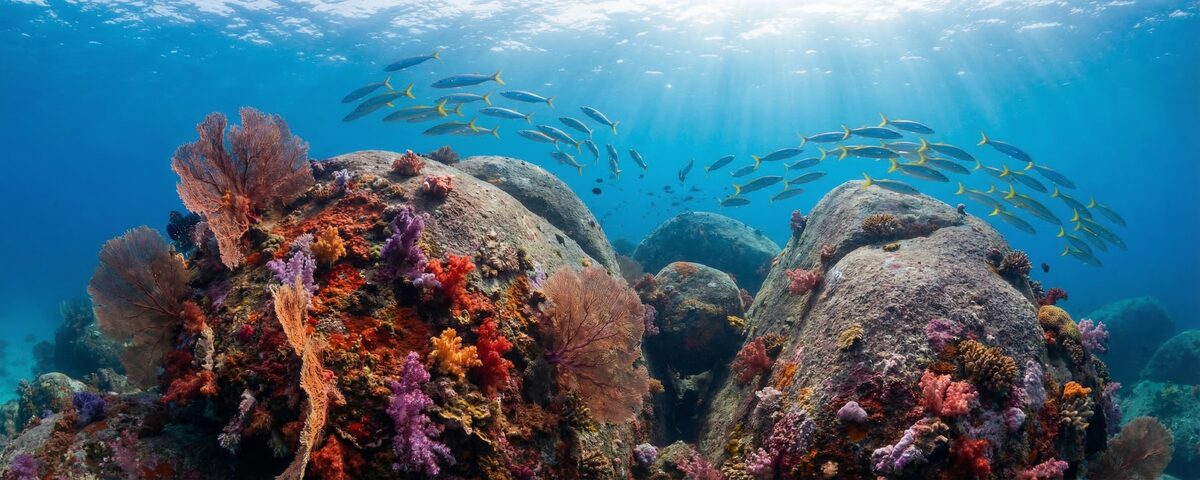
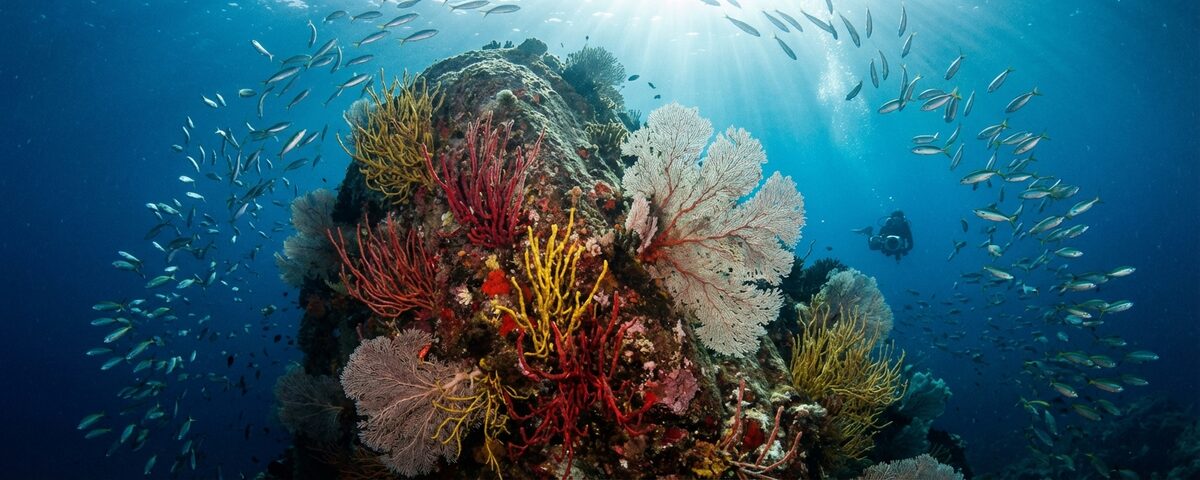
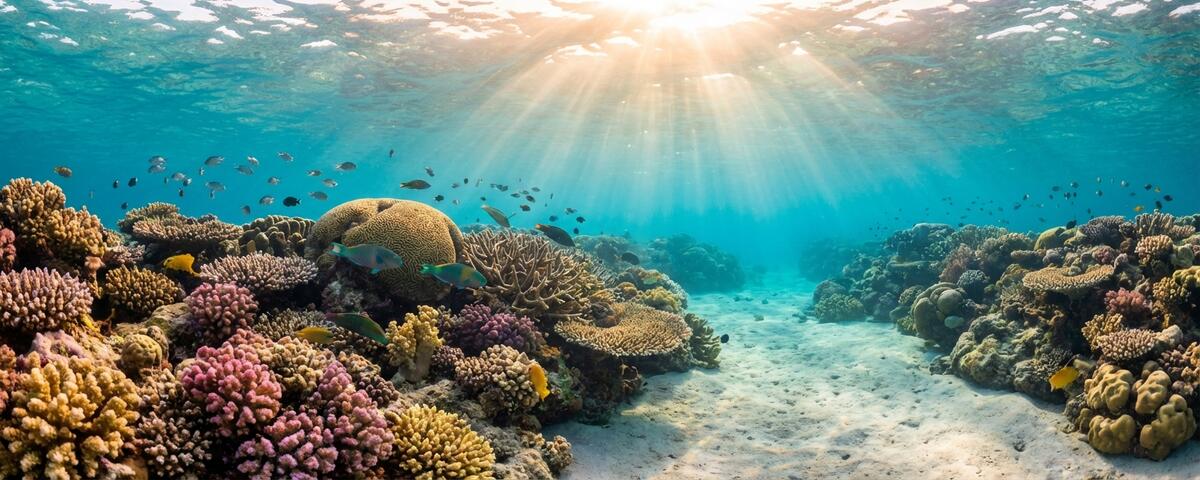
The reef here is genuinely healthy. Hard coral coverage on the rocky flanks of both headlands is dense enough that you can swim for 30 minutes along one side and not see bare rock. Staghorn, brain, and table corals dominate the shallows, giving way to barrel sponges and sea fans as the reef drops toward the sandy centre. The coral's condition owes something to the bay's relative isolation. Compared to Sairee or Tanote, fewer boats visit daily, and the access road's steepness discourages the casual snorkelling crowds that trample reef flats elsewhere on the island.
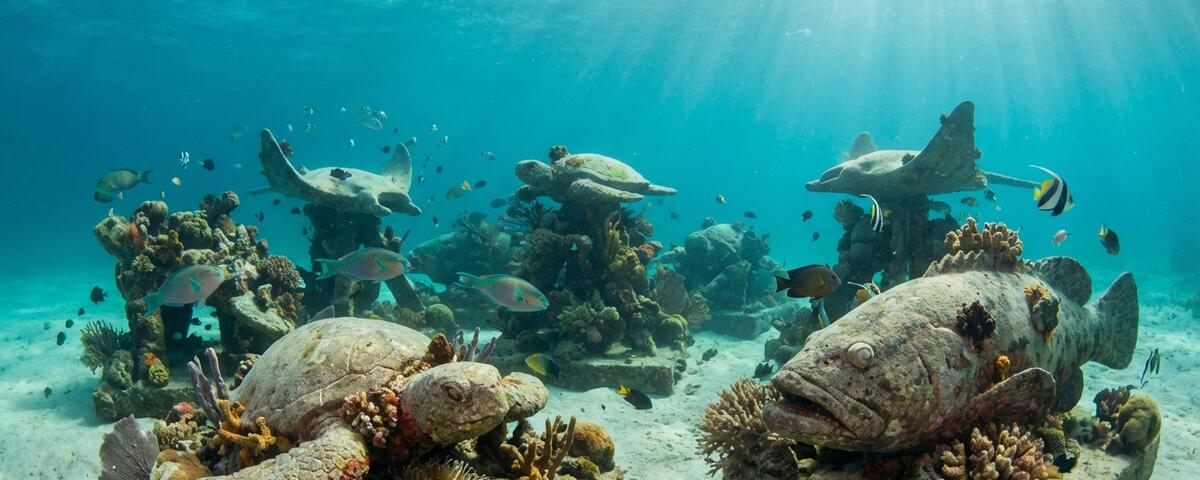
Two features set Aow Leuk apart from the other sheltered bay dives on Koh Tao. First, a giant clam nursery sits in the southern section, part of a conservation project that has transplanted Tridacna clams onto the reef. The largest specimens now measure over half a metre across, their iridescent mantles pulsing blue and green in the sunlight. Second, the artificial reef project known as Suan Olan (Olan's Garden) occupies the sandy floor at 14 to 16 metres, east of the natural reef. Concrete structures and sculptures placed from 2010 onwards have become thoroughly colonised, creating a secondary ecosystem that attracts species you would not normally find in open sand.
The bay's profile makes it a favourite for training dives, and you will share the water with Open Water students on most mornings. But the reef quality and resident marine life reward divers of any level who take the time to look properly. This is not a site where you swim fast and cover ground. Slow down, check the crevices, and Aow Leuk gives back more than its gentle reputation suggests.
Marine Life at Aow Leuk
The giant clams are the first thing most divers notice. The nursery on the southern reef holds specimens ranging from fist-sized juveniles to mature clams wider than a dinner plate. Their mantles display shifting patterns of electric blue, emerald green, and bronze, with each clam carrying its own unique coloration like a fingerprint. They react to shadows, so approach slowly from the side rather than swimming directly over them if you want to see the mantle fully extended.
Juvenile blacktip reef sharks patrol the sandy centre of the bay, particularly during the early morning. These are young animals, typically under a metre in length, using the shallow bay as a nursery before graduating to deeper waters around the island's offshore pinnacles. Sightings are not guaranteed, but patient divers who spend time watching the sand flats at 8 to 12 metres spot them regularly.
The hard coral formations along both headlands support dense populations of reef fish. Butterflyfish in at least five species work the coral surfaces in pairs. Parrotfish, both bicolour and bullethead, scrape at the coral with their beak-like mouths, audible from several metres away. Angelfish, predominantly emperor and regal varieties, hold territories in the overhangs. Schools of yellowtail fusiliers stream through the mid-water column when plankton concentrations draw them into the bay.
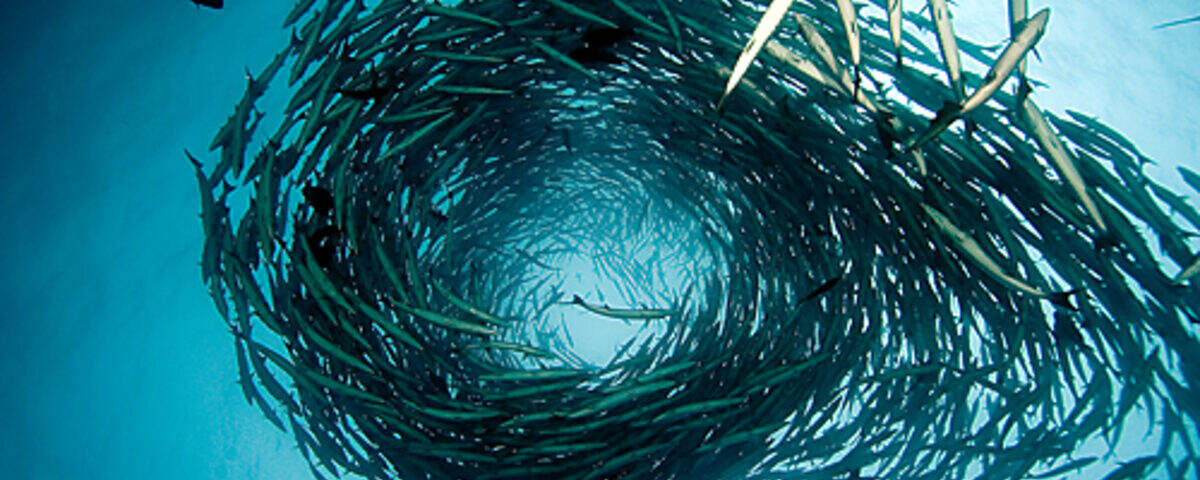
The artificial reef structures at Suan Olan host their own community. Malabar groupers, some exceeding 40 centimetres, lurk inside the hollow concrete forms. Porcupinefish and boxfish hover around the openings. The structures have attracted a resident population of yellowtail snapper that circle the sculptures in loose aggregations, joined occasionally by juvenile barracuda.
Macro life is plentiful for those willing to slow down. Pipefish cling to gorgonian fans on the deeper sections of the natural reef. Several species of nudibranch populate the rocky substrate, with Chromodoris and Phyllidia species being the most frequently spotted. Banded coral shrimp occupy crevices throughout the reef, their white antennae visible from a distance. White-eyed moray eels peer out from holes in the rock, and blue-spotted stingrays rest on sand patches between coral heads, half-buried and easy to miss if you are swimming too quickly.
Hawksbill turtles visit the bay to feed on sponges growing on the deeper reef sections. Green sea turtles appear less consistently than at nearby Tanote Bay but turn up often enough that guides mention them in pre-dive briefings. When present, they tend to rest on the sandy bottom or graze on algae-covered rocks at the base of the southern headland.
Dive Conditions
Aow Leuk is one of the calmest dive sites on Koh Tao. The bay's horseshoe geography blocks current from almost every direction, and on most days the water inside is essentially still. Even when offshore sites like Chumphon Pinnacles or Southwest Pinnacles are running hard, Aow Leuk remains diveable. This makes it a reliable fallback when conditions elsewhere deteriorate, and one reason dive schools use it so heavily for training.
Visibility follows the same patterns as the rest of Koh Tao's east coast. Good days deliver 15 to 20 metres of clear turquoise water with enough light penetration to make the shallow coral glow. Poor days, typically after rainfall or during the monsoon transition months, drop to 5 metres or less. The bay's enclosed shape traps suspended sediment, and heavy rain washes soil from the hillside above directly into the water. After a storm, expect two or three days before clarity returns. The best visibility correlates with calm weather, neap tides, and sustained periods without rain.
Water temperature stays between 27 and 30 degrees Celsius year-round. The shallow profile eliminates thermoclines entirely. A 3mm shorty handles the conditions comfortably; many divers switch to a rashguard alone from April through June when temperatures peak.
The best diving season runs March to September, when the island's east coast is protected from prevailing winds. October through December brings the northeast monsoon, which hits the east and southeast coasts directly. Aow Leuk catches this swell, and operators sometimes skip it during the roughest weeks. January and February are transitional, with conditions improving as the monsoon weakens.
Depth is forgiving throughout. The reef flanks slope gradually from 2 metres at the waterline to 12 metres at the base of the coral zone. The sandy centre sits at 10 to 14 metres. Suan Olan's artificial structures occupy the deepest section at 14 to 16 metres. There are no sudden drop-offs, no overhead environments, and no points where an inexperienced diver might accidentally exceed their comfort zone. Multi-level profiles are easy to plan, and most divers spend the bulk of their bottom time between 5 and 10 metres where coral density peaks.
Shore entry is straightforward from the beach. The sand is clean with minimal rocks at the waterline, making it one of the easier beach entries on the island. Boat dives typically moor in the centre of the bay at 8 to 10 metres.
⚓ Divemaster Notes
I run two different routes at Aow Leuk depending on the group. For a standard boat dive, I drop on the southern headland at 10 to 12 metres and work north along the reef flank, keeping the wall on the right shoulder. This passes the giant clam nursery at around 6 to 8 metres on the southern reef, then continues across the bay's sandy centre toward the northern headland coral. The return leg cuts back through the shallows at 4 to 6 metres where coral coverage and fish density are highest. Total route covers both reef flanks with the shallow coral as the finale.
For groups that specifically want to see the artificial reef, I adjust. We descend to 14 to 16 metres on the sandy floor east of the natural reef and spend 15 to 20 minutes exploring Suan Olan before ascending to the natural reef for the remainder of the dive. The structures are spread across a reasonable area, so I brief the group on navigation before we drop. The groupers tend to sit inside the same structures week after week, so finding them is predictable once you know which ones to check.
The giant clam nursery sits on a rocky patch in the southern shallows at 5 to 8 metres. I always brief photographers about this spot because the clams photograph best from directly above, which captures the full mantle pattern. Morning light gives the best colour saturation on the clam mantles, with afternoon dives losing the direct sunlight that makes the iridescence pop.
For juvenile blacktip shark sightings, I tell groups to watch the sandy centre of the bay during the first 10 minutes of morning dives. The sharks patrol predictable routes along the sand, and they startle easily, so I keep groups at the reef edge rather than swimming onto the sand toward them. Patient observation from the coral fringe works better than pursuit.
Air consumption at this site is low because of the shallow profile and zero current. Expect 50 to 60 minute dives for most groups. I use the long bottom time to check macro spots that groups in a hurry would swim past, particularly the pipefish on the deeper gorgonians and the nudibranchs along the rocky base of both headlands.
One operational note: the beach entrance fee catches some divers off guard. Brief your group before shore dives so nobody is arguing with the resort staff in full kit. The fee is small and the access is worth it.
Titan triggerfish nest in the sandy patches from roughly May to August. Standard Koh Tao protocol: identify territorial behaviour early, swim laterally (not upward) if one charges, and give nesting areas plenty of clearance.
How to Get to Aow Leuk
Koh Tao sits in the Gulf of Thailand, part of Surat Thani province. Reaching the island means mainland transport followed by a ferry crossing.
From Bangkok, the standard route is a night train or bus to Chumphon (8 to 10 hours), then a Lomprayah or Songserm high-speed catamaran to Koh Tao (roughly 1.5 to 2 hours). Combined tickets cost around 1,000 to 1,500 THB. Flying from Bangkok to Chumphon or Surat Thani cuts the overland portion, though you still need the ferry from the coast.
From Koh Samui, the catamaran takes approximately 2 hours at 600 to 800 THB. From Koh Phangan, roughly 1 hour. Inter-island ferries run multiple times daily during high season, with reduced frequency from October to December.
Once on Koh Tao, Aow Leuk sits on the southeast coast, about a 20-minute drive from Mae Haad pier. The access road is one of the steepest on the island, dropping sharply from the main cross-island road down to the bay. Motorbike rental is the standard transport (150 to 250 THB per day), but the hill catches out inexperienced riders regularly. Taxi trucks (songthaews) run from Mae Haad and Sairee for 100 to 200 THB per person.
Aow Leuk Beach Resort sits directly on the bay and charges a small entrance fee (typically 50 to 100 THB) for non-guests accessing the beach. This fee is sometimes waived if you buy food or drinks at the resort. A handful of other accommodation options sit along the access road, though the area is quieter and less developed than Sairee or Mae Haad.
Most dive operators reach Aow Leuk by boat in 30 to 40 minutes from Mae Haad pier. East coast operators and those based at nearby bays have shorter transit times of 10 to 15 minutes.
Gear Recommendations
A 3mm shorty or full wetsuit covers the temperature range. The full suit offers better protection against accidental coral contact in the shallow sections where the reef crowds close on both sides. For shore entry, the beach at Aow Leuk is sandy and relatively forgiving compared to rockier entries like Tanote Bay, but reef booties or hard-soled dive boots remain sensible.
Dive computer is useful for tracking multi-level profiles, though the shallow depths mean no-decompression limits are generous. Air supply will be your limiting factor before NDL at this site. That said, a computer makes logging accurate bottom time effortless.
Surface marker buoy is worth carrying for boat pickups but less critical than at current-swept offshore sites. Shore divers will not need one.
This is a strong site for both wide-angle and macro photography. Wide-angle captures the coral gardens, giant clam close-ups with reef context, and the artificial reef sculptures effectively. Macro shooters will find nudibranchs, pipefish, shrimp, and juvenile fish on both natural reef and artificial structures. A torch is genuinely useful here, not just for peering into crevices but for illuminating the interior of the artificial reef structures where groupers and shrimp congregate in the shadows. For the giant clams specifically, a torch can bring out mantle colours that look muted in ambient light at depth.
Gloves are prohibited at Thai dive sites. Reef hooks are not used.
Recommended Dive Operators
Crystal Dive is one of Koh Tao's largest PADI five-star centres, with a boat fleet that covers all east coast sites on a regular rotation. Their fun dive guides know the Aow Leuk reef well and route groups efficiently between the natural coral and artificial structures. Based at Mae Haad, they handle logistics smoothly and cater to a range of experience levels. Big Blue Diving runs daily trips with experienced guides who can adjust the dive route based on conditions and group interests. Their operation is well-organised and they include Aow Leuk in their standard east coast itinerary. New Heaven Dive School deserves specific mention for Aow Leuk because they run marine conservation programmes on the island and maintain close involvement with the Suan Olan artificial reef project. Their guides explain the ecology behind what you are seeing, covering coral succession stages and species colonisation patterns on the artificial structures. If the conservation angle interests you, diving Aow Leuk with New Heaven adds a dimension you would not get elsewhere. Coral Grand Divers operates from Mae Haad with regular east coast trips and provides solid briefings that include detailed descriptions of the giant clam nursery location and the best routes through the bay. For shore diving, Aow Leuk Beach Resort coordinates with local instructors who offer guided dives from the beach, avoiding the boat ride entirely.
Liveaboard Options
Koh Tao is a shore-based dive destination. No liveaboards operate around the island specifically, and the sheltered bay profile of Aow Leuk makes it unsuitable for the offshore pinnacle-focused itineraries that Gulf of Thailand liveaboards prioritise. A small number of liveaboard routes pass through the Koh Tao area between Chumphon and Ang Thong Marine Park, but they would not typically stop at bay sites. For visiting divers, staying on Koh Tao and diving Aow Leuk from shore or by day boat is the only practical approach.