Tanote Bay Dive Site
Koh Tao (Gulf of Thailand), Thailand · Near Koh Tao
Overview
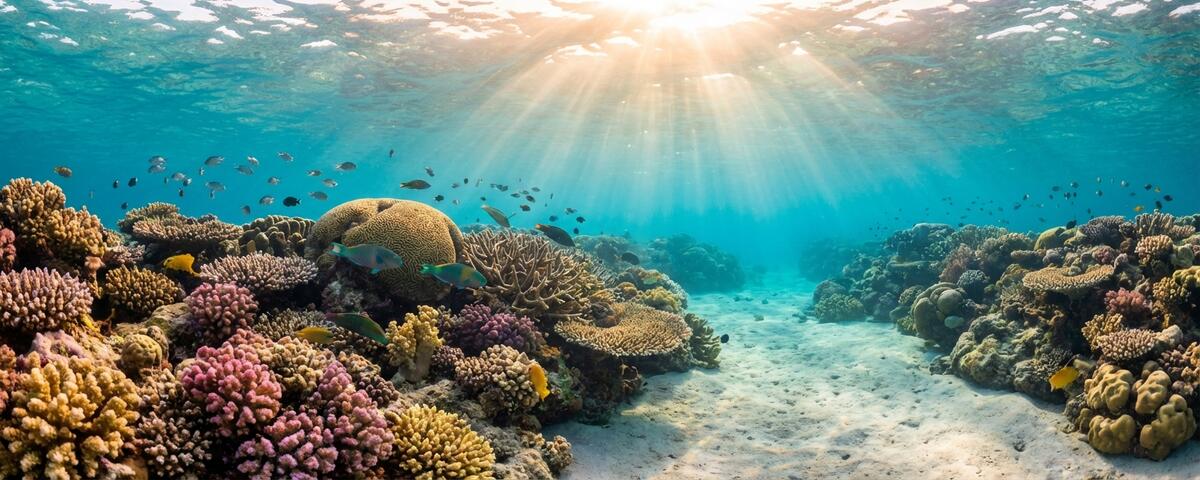
Tanote Bay diving on Koh Tao delivers something the island's bigger, flashier sites often cannot: a relaxed dive with genuine variety, accessible straight from the beach. The bay sits on the east coast of Koh Tao, framed by jungle-covered granite headlands that shelter it from the worst of the Gulf's swell. Underwater, a jumble of granite boulders spills from both headlands into a sandy centre, creating a landscape of overhangs, swimthroughs, and one photogenic rock arch that has become the site's unofficial signature.
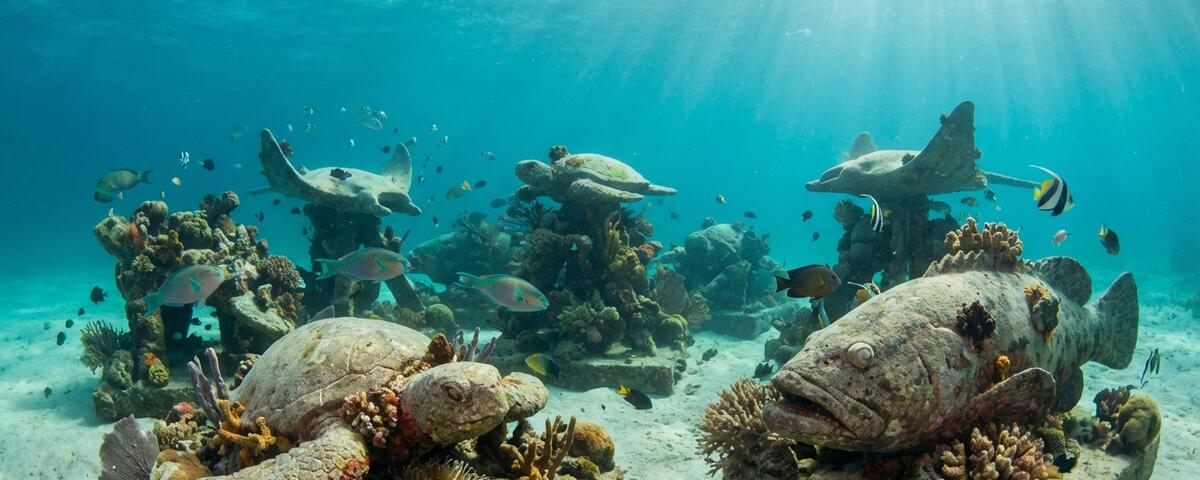
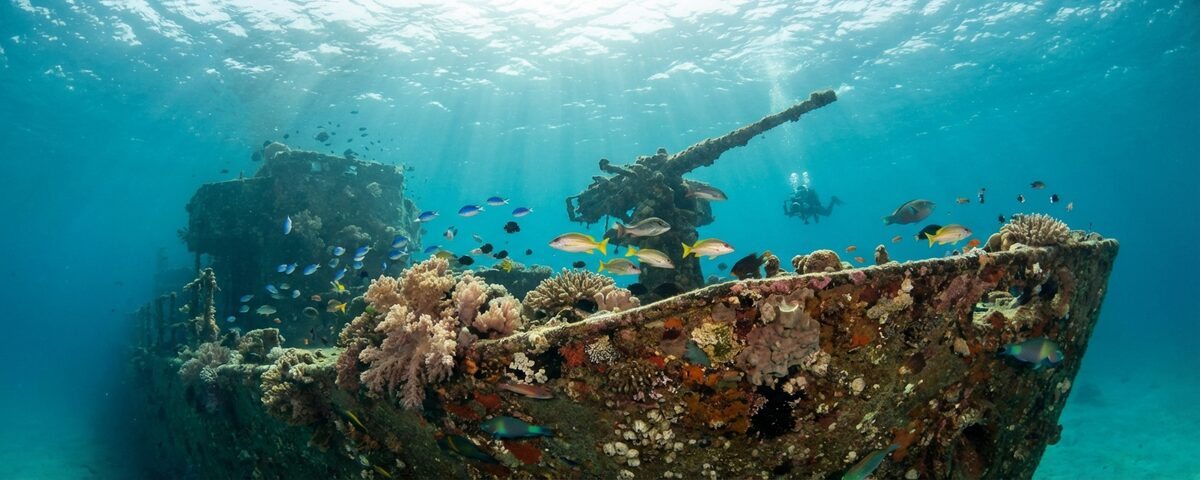
What makes Tanote Bay interesting, though, is not the natural reef alone. The southern section of the bay hosts a collection of artificial reef structures that tell the story of Koh Tao's marine conservation efforts over the past decade. Reef balls sit at around 10 metres depth, their hollow concrete forms now encrusted with coral and swarming with juvenile fish. A sunken catamaran rests nearby, colonised so thoroughly by marine growth that first-time visitors sometimes mistake it for a natural formation. Even a couple of old motorbikes have been placed on the seabed, their frames becoming scaffolding for soft corals and a favourite hiding spot for moray eels.
The bay's profile is forgiving. Depths range from 2 metres at the inshore boulders to roughly 18 metres at the outer edges, with the most interesting terrain concentrated between 6 and 14 metres. Current is minimal inside the bay, blocked by the headlands on both sides. This makes Tanote Bay one of Koh Tao's best training sites for newly certified divers, but the combination of natural boulders, artificial structures, and healthy coral coverage gives experienced divers enough to fill a 50-minute dive without getting bored.
The coral here has had a rougher history than some of the island's offshore sites. Soil erosion from construction on the hillside above the bay damaged sections of the reef in the early 2010s, washing sediment onto the coral below. The reef ball project was partly a response to that damage, replacing lost hard coral habitat with structures that could be colonised by new growth. It has worked. The artificial structures now support thriving coral communities, and the natural reef on either side of the bay has recovered significantly. Hard coral coverage on the boulder formations, particularly the branching Acropora and encrusting Porites species, is visibly healthier than it was five years ago.
For divers staying on the east coast, Tanote Bay functions as a house reef. Several small resorts line the beach, and you can wade in from shore with your gear and be on the reef within 30 seconds. Most dive operators also run boat trips here as part of their two-dive morning schedule, particularly when conditions are calm on the eastern side. The 40-minute boat ride from the main pier at Mae Haad feels long for such a mellow site, but the bay's sheltered conditions make it a reliable fallback when weather closes the offshore pinnacles.
Marine Life at Tanote Bay
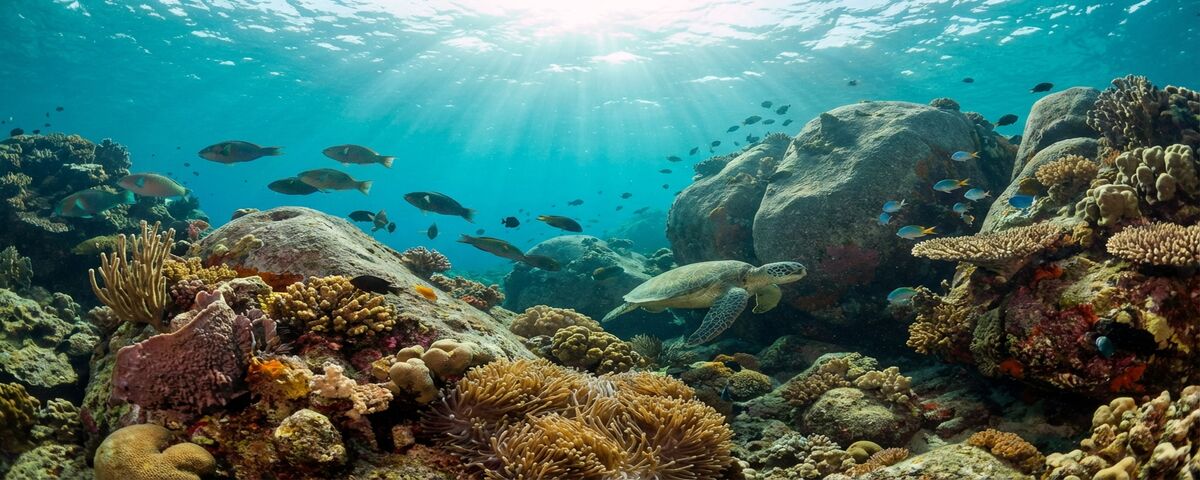
Green sea turtles are the headline act. Tanote Bay is one of Koh Tao's most reliable turtle sites, and on a typical dive you can expect at least one sighting, sometimes three or four. The turtles favour the boulder formations on the northern and southern edges of the bay, resting in the gaps between rocks or grazing on algae-covered surfaces. They are thoroughly habituated to divers. Keep a respectful distance (two metres minimum) and they will carry on feeding, occasionally lifting their heads to give you a look of mild indifference before returning to their meal.
Hawksbill turtles appear less frequently but reliably enough that guides mention them during briefings. They tend to stick to the deeper sections near the artificial reef structures, where sponge growth on the reef balls provides their preferred food source.
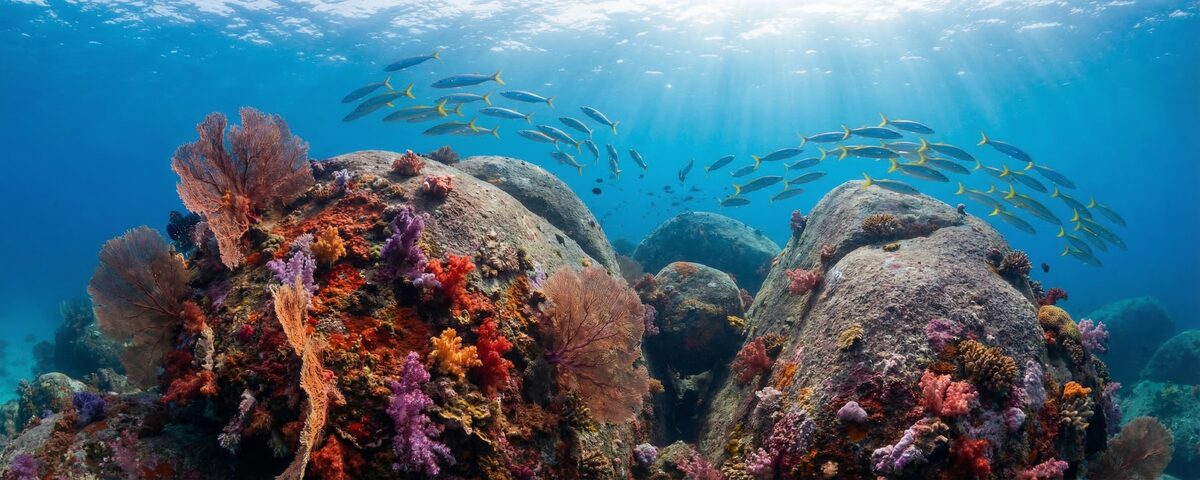
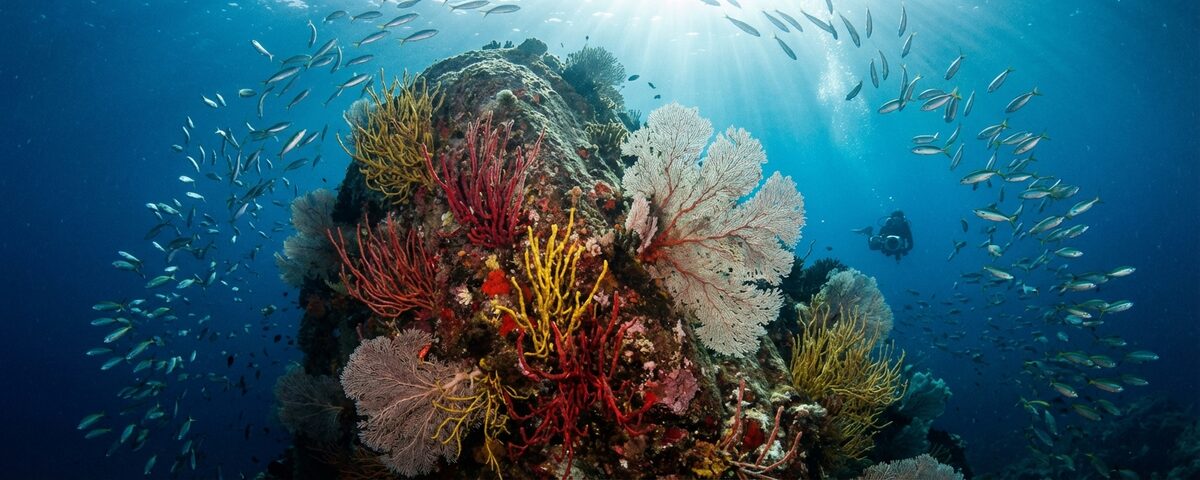
The boulder formations host the usual cast of Gulf of Thailand reef fish, but in good density. Parrotfish work the coral surfaces in small groups, their scraping audible from several metres away. Angelfish, both emperor and regal species, patrol the crevices. Butterflyfish in several species flit across the reef in pairs, as butterflyfish always do. Schools of fusiliers pass through the mid-water when current brings food into the bay from open water.
The artificial structures have developed their own distinct ecosystems. The sunken catamaran shelters a resident school of yellowtail snapper that swirl around the hull in a loose column. Juvenile barracuda use the structure as a nursery, darting between the hull and surrounding reef. The reef balls attract porcupinefish and boxfish that hover around the openings, retreating inside when divers get too close.
Macro life rewards those who slow down. Nudibranchs from several Chromodoris species populate the rock surfaces, their colours bright against the granite. Banded coral shrimp occupy crevices, visible with a torch. Blue-spotted stingrays sit on sandy patches between boulders, sometimes half-buried and easy to miss. Moray eels occupy holes in the natural reef and the artificial structures alike, giant morays and white-eyed morays being the most common species.
Blacktip reef sharks cruise the outer edges of the bay occasionally, typically along the deeper sand at 15 to 18 metres. Sightings are not daily, but they happen often enough that it is worth keeping an eye on the blue during your safety stop.
At night, the site transforms. Tanote Bay is one of Koh Tao's better shore-entry night dives, with crabs, sleeping parrotfish in their mucus cocoons, hunting cuttlefish, and bioluminescence in the water column on dark moon phases. The artificial structures are particularly productive after dark, with octopus hunting across the reef ball surfaces and decorator crabs picking their way along the catamaran hull.
Dive Conditions
Tanote Bay sits inside a natural amphitheatre of granite headlands, and this geography dictates the conditions. Current inside the bay rarely exceeds a gentle drift, even when sites a few hundred metres offshore are running hard. On most days, the water inside the bay is essentially still, which makes it ideal for training dives, slow macro photography, and divers who prefer to set their own pace without fighting the flow.
The trade-off is visibility. Sheltered bays on Koh Tao tend to trap suspended particles, and Tanote Bay is no exception. On a good day, visibility reaches 15 to 20 metres and the bay lights up with the turquoise clarity that the Gulf of Thailand does so well. On a poor day, particularly after rain or during the monsoon transition, it drops to 5 metres or less with a green murk that limits the experience. The best visibility correlates with calm weather and neap tides. After heavy rain, runoff from the hillside above the bay adds sediment, and it can take two or three days for the water to clear.
Water temperature holds between 27 and 30 degrees Celsius throughout the year. The bay's shallow profile means no thermoclines. A 3mm shorty is the standard kit; many divers opt for just a rashguard during the warm months of April through June.
The best diving window runs March to September, when the island's east coast is sheltered from the prevailing winds and sea conditions are calmest. October through December brings the northeast monsoon, which hits the east coast directly. Tanote Bay catches more monsoon swell than the western sites around Sairee Beach, and operators sometimes avoid it during the roughest weeks. January and February are transitional, with improving conditions as the monsoon fades.
Depth management is straightforward. The sandy centre of the bay bottoms out at around 14 metres, with the boulder formations on either side reaching 16 to 18 metres at their deepest. There are no dramatic drop-offs or unexpected depth changes. The gradual slope from the shallows makes multi-level profiles easy to plan, and most divers spend the majority of their bottom time between 6 and 12 metres where the coral density and fish activity peak.
Entry options depend on your approach. Shore entry is easy from the beach, wading over sand into the shallows. Some loose rocks at the waterline require careful footing, but nothing that stops entry. Boat dives drop directly onto the reef, typically in the centre of the bay at 8 to 10 metres.
⚓ Divemaster Notes
I route Tanote Bay dives depending on what the group wants. For a first visit, I start at the northern headland boulders at around 12 metres and work south across the bay, hitting the rock arch at about 8 metres (the photo opportunity everyone wants), then continuing to the artificial reef structures in the southern section before finishing on the shallow reef near the beach. This covers both the natural and artificial highlights in a single dive.
The rock arch sits between two large granite boulders at 6 to 8 metres depth on the northern side. It is wide enough for one diver at a time and makes a decent frame for silhouette photography if you position your buddy in the archway with the surface light behind them. I brief photographers specifically about this spot so they can plan their shot.
For the artificial reef section, the reef balls and coral nursery structures sit at around 10 metres in the southern bay. The sunken catamaran is nearby at 12 to 14 metres. I spend extra time here with groups interested in marine conservation, pointing out the stages of coral colonisation on structures of different ages. The oldest reef balls now support coral colonies thick enough that you would not know the substrate was concrete without looking closely.
Turtle spotting is fairly predictable. The northern boulders between 6 and 10 metres are the most reliable resting area. I tell groups to watch for turtles wedged into the gaps between rocks at head height as we swim past. If we spot one feeding on the boulder surfaces, I hold the group at distance and let the turtle set the terms. They rarely flee if you stay calm.
Air consumption is low at this site because of the shallow profile and lack of current. Expect 45 to 55 minute dives for most groups, sometimes longer for experienced divers with efficient breathing. I use the extra bottom time to check the macro spots that impatient groups would swim straight past.
One briefing point specific to Tanote Bay: the beach entry involves a short walk over loose rocks at the waterline. Booties are not optional for shore entry here. I have seen enough stubbed toes and cut feet to make this a firm rule. Once past the rocks, the sandy bottom starts immediately and entry is easy.
Titan triggerfish nest in the sandy patches between boulders from roughly May to August. Same rules as everywhere else on Koh Tao: watch for the territorial display, swim sideways (not up) if one charges, and give nesting areas a wide berth.
How to Get to Tanote Bay
Koh Tao sits in the Gulf of Thailand, part of Surat Thani province. Getting there means mainland transport followed by a ferry.
From Bangkok, the most common route is a night train or bus to Chumphon (8 to 10 hours), then a Lomprayah or Songserm high-speed catamaran to Koh Tao (roughly 1.5 to 2 hours). Combined tickets run around 1,000 to 1,500 THB. Flying from Bangkok to Chumphon or Surat Thani cuts the overland leg, though you still need the ferry from the coast.
From Koh Samui, the catamaran takes about 2 hours and costs 600 to 800 THB. From Koh Phangan, it is roughly 1 hour. Inter-island ferries run multiple times daily during high season, with reduced frequency during the monsoon months.
Once on Koh Tao, Tanote Bay is on the east coast, about a 15-minute drive from the main pier at Mae Haad. The road is steep and winding in places, typical of Koh Tao's interior roads. Motorbike rental is the standard transport (150 to 250 THB per day), though the hill down to the bay is notoriously steep and catches out inexperienced riders. Taxi trucks (songthaews) run from Mae Haad and Sairee for 100 to 200 THB per person.
For shore diving, several resorts sit directly on the beach: Tanote Villa, Poseidon Bungalows, and Family Tanote are all within a minute's walk of the water. Budget rooms start around 400 to 800 THB per night.
Most dive operators reach Tanote Bay by boat in roughly 40 minutes from Mae Haad pier. East coast operators running from Hin Wong Bay or Tanote Bay itself have a much shorter commute of 5 to 10 minutes.
Gear Recommendations
A 3mm shorty or full wetsuit covers the temperature range comfortably. The full wetsuit provides better protection against the granite surfaces, which matters in the swimthroughs and around the rock arch where contact with the rock is easy if buoyancy is not precise. For shore entry, reef booties or hard-soled dive boots are not optional. The rocks at the waterline will cut unprotected feet.
Dive computer is recommended but less critical than at deeper Koh Tao sites. The shallow, gradual profile means no-decompression limits are generous, and air supply typically becomes the limiting factor before NDL does. That said, a computer makes multi-level profile tracking effortless and gives you accurate bottom time for the log.
Surface marker buoy is worth carrying for boat pickups but less essential than at current-exposed sites like Shark Island. If you are shore diving, you will not need one.
For photography, this is one of Koh Tao's better sites for both wide-angle and macro work. Wide-angle captures the boulder formations, the rock arch, and turtle encounters effectively. Macro shooters will find nudibranchs, shrimp, and small reef creatures on both the natural boulders and artificial structures. A torch is useful for peering into crevices and illuminating the interiors of the reef balls, where shrimp and juvenile fish congregate. Night diving here is excellent for macro photography, with subjects appearing on open surfaces that are hidden during the day.
Gloves are prohibited at Thai dive sites. Reef hooks are not used.
Recommended Dive Operators
New Heaven Dive School runs coral restoration work at Tanote Bay, making them uniquely knowledgeable about the artificial reef structures and their ecology. Their guides can explain what you are looking at in terms of reef development and species succession, which adds a layer of understanding to what might otherwise look like random concrete shapes on the seabed. Based in Chalok Bay, they include Tanote Bay in their regular site rotation. Crystal Dive is one of Koh Tao's largest PADI centres with professional instruction and a boat fleet that covers the east coast sites regularly. Their fun dive guides are experienced at routing mixed-ability groups through the bay's highlights efficiently. Big Blue Diving runs reliable daily trips and handles the logistics well, with guides who know where the turtles tend to rest on any given week. Coral Grand Divers operates from Mae Haad with regular trips to the east coast sites, and their dive briefings for Tanote Bay include detailed route suggestions for both the natural and artificial reef sections. For shore diving, several of the beachfront resorts partner with local instructors who offer guided dives straight from the sand, which is the simplest way to experience the site without the 40-minute boat ride.
Liveaboard Options
Koh Tao is a shore-based destination and no liveaboards operate around the island specifically. A small number of Gulf of Thailand liveaboard routes pass through the area on itineraries between Chumphon and Ang Thong Marine Park, but Tanote Bay would not typically feature on these trips as it is a sheltered bay dive rather than the offshore pinnacle sites that liveaboards prioritise. For visiting divers, staying on Koh Tao and diving Tanote Bay from shore or by day boat is the standard and only practical approach.